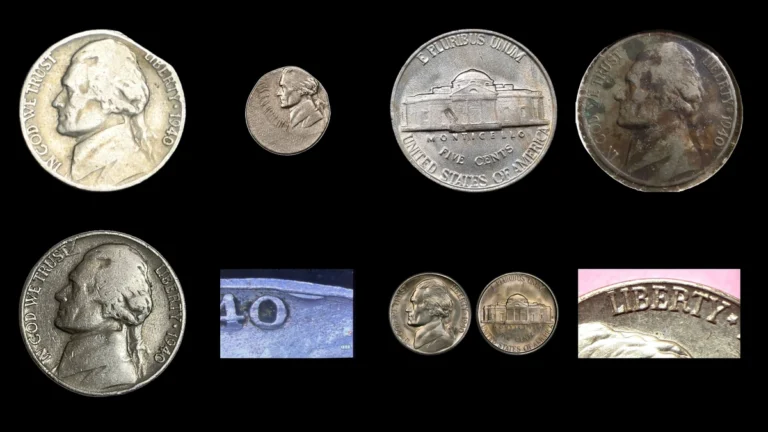
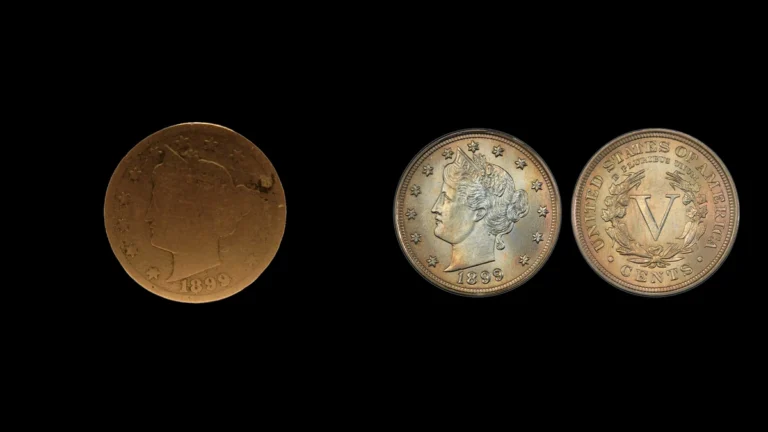
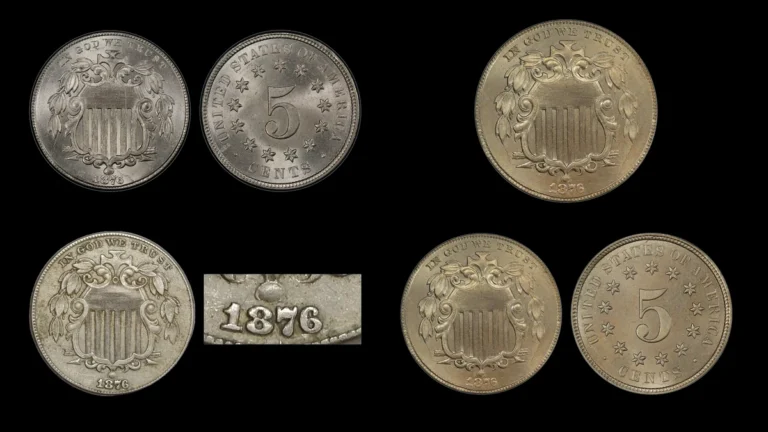
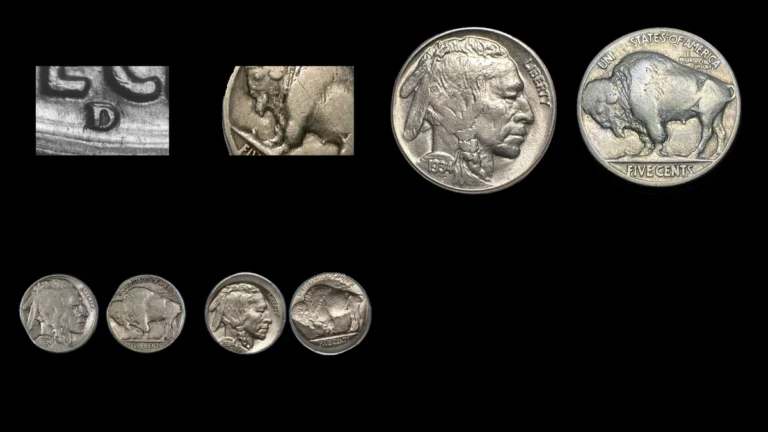
Rare 1896 Nickel Errors (List & Pictures)
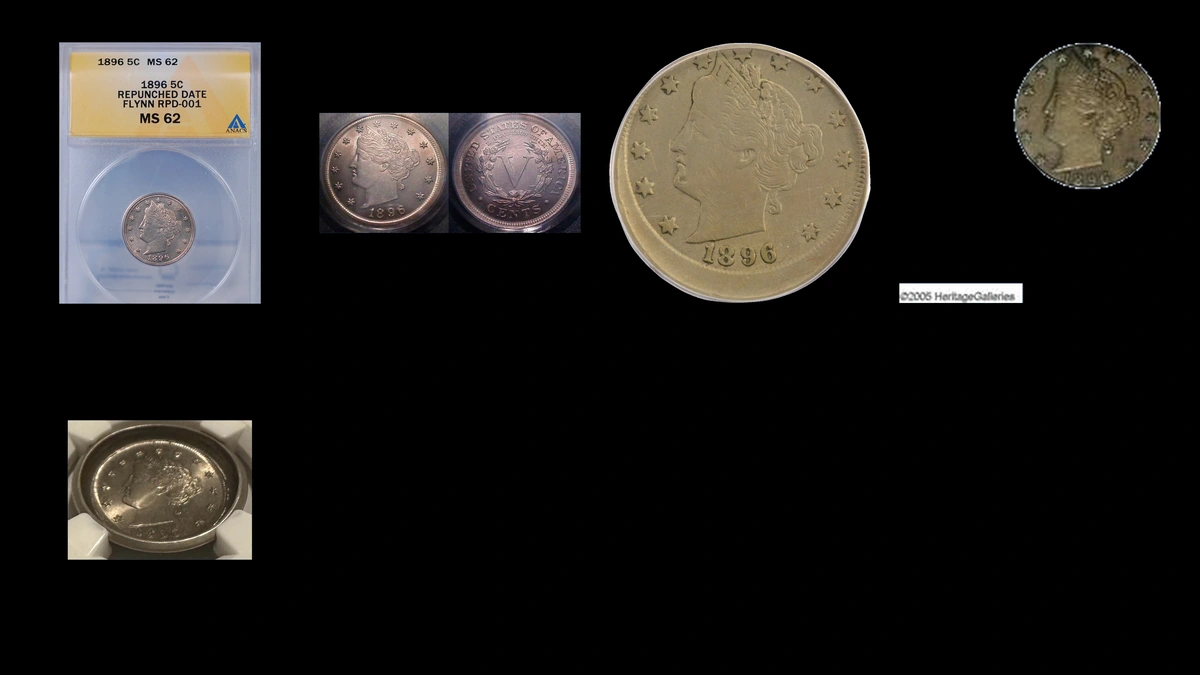
A tiny flaw can appear on an expensive coin without causing its high price. An 1896 Proof nickel with a fine metal split had a reported $4,000 auction result, largely reflecting its exceptional preservation.
These 1896 nickel errors span estimated whole-coin values of $20–$25,000. Check the date and surface first, then compare the outline with the striking errors below.
1. 1896 Nickel Extra Date Strokes: Repunched Date Error
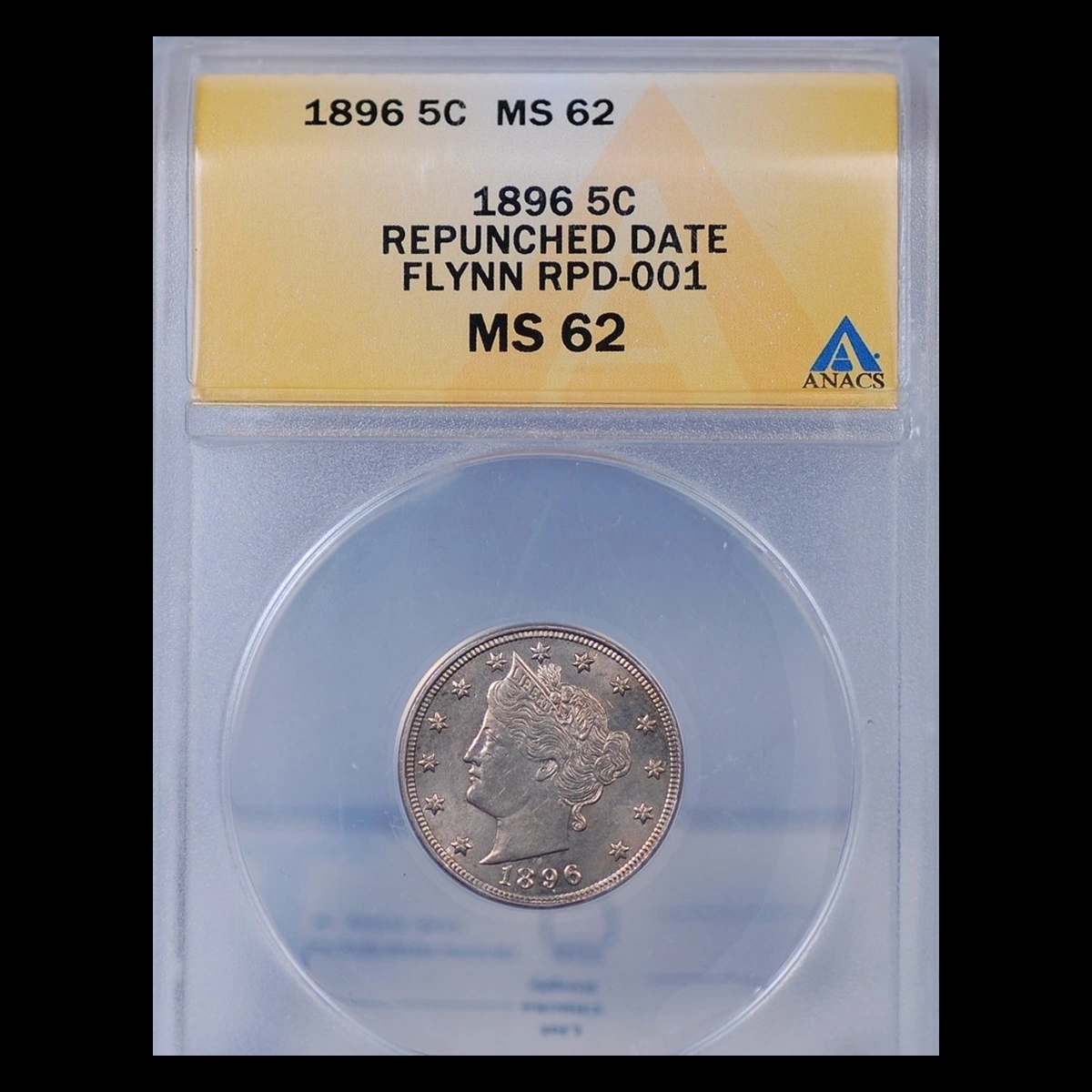
A repeated curve or stroke near a numeral can be left by an earlier date-punch position. The extra impression was made in the steel die before that tool struck any coins.
A dealer-listed 1896 nickel carries the label Flynn RPD-001 and an ANACS MS62 grade. RPD means repunched date, while MS62 describes an unworn coin with noticeable marks.
How to Identify
Keep all four digits visible when comparing the date. Look for extra numeral parts that remain distinct under different lighting angles.
The supplied listing does not describe an exact direction for each extra stroke. Use a confirmed Liberty nickel example for the match, not a similarly numbered variety of a dime or cent.
A flat ledge, scratch, or worn digit edge can look like a second outline. A genuine date-punch trace should fit part of an earlier numeral.
What It’s Worth
$75–$600 is an estimated range for identifiable repunched-date examples in circulated through lower unworn grades. Both the date pattern and the coin’s condition contribute to the price.
The ANACS MS62 listing supplies a labeled example, but no completed sale amount is used here. A catalog number does not by itself establish a fixed premium.
2. 1896 Nickel A Hair-Thin Split Beneath the V: Proof Lamination Error
On one cataloged 1896 Proof, a fine split sits at the base of the large V on the back. Heritage described it as a lamination, a separation within the coin’s metal.
The coin was specially made for collectors and graded PCGS PR67+. That very high grade describes its overall preservation despite the tiny flaw.
How to Identify
Enlarge a clear view of the lower V and compare the line under more than one lighting angle. A split in the metal differs from a cleaning scratch or a thread-like impression.
The JD-1 label identifies the pair of dies used to make the coin. It does not mean that every JD-1 coin has this same split.
Examine a certified coin through its holder. A flaw this small does not require opening the holder to check its weight.
What It’s Worth
$2,500–$6,000 is an estimated range for an 1896 Proof of similarly exceptional quality with a minor flaw like this. Most of the price comes from the complete Proof coin.
NumisBids reports $4,000 for the PR67+ example in Heritage’s February–March 2025 sale. That reported figure is not treated here as a confirmed fee-inclusive total.
A fine lamination on an ordinary worn nickel does not justify the same price. The collector finish and grade are essential parts of this comparison.
3. 1896 Nickel A Raised Line or Lump: Die Crack or Break Error
A crack in a die can leave a thin raised ridge on the coins it strikes. A larger missing part of the tool can leave a broader raised patch.
The supplied 1896 guide describes this category without identifying a specific dated specimen. The checks below explain what a matching coin must show.
How to Identify
Use side lighting to see whether the line rises from the surface or cuts into it. A groove with pushed-up edges is more consistent with a scratch.
For a larger lump, examine its boundary for a seam from added metal. Note whether it touches the rim or sits within the design.
Include the full 1896 date in the photograph. A similar feature on a different coin cannot establish an example for this year.
What It’s Worth
$20–$300 is an estimated range for a correctly identified 1896 crack or small break. A larger, clearer feature and better condition can support a stronger comparison.
No verified 1896 auction result is assigned to this general report. The estimate concerns an original Mint-made feature, rather than corrosion, a scratch, or added metal.
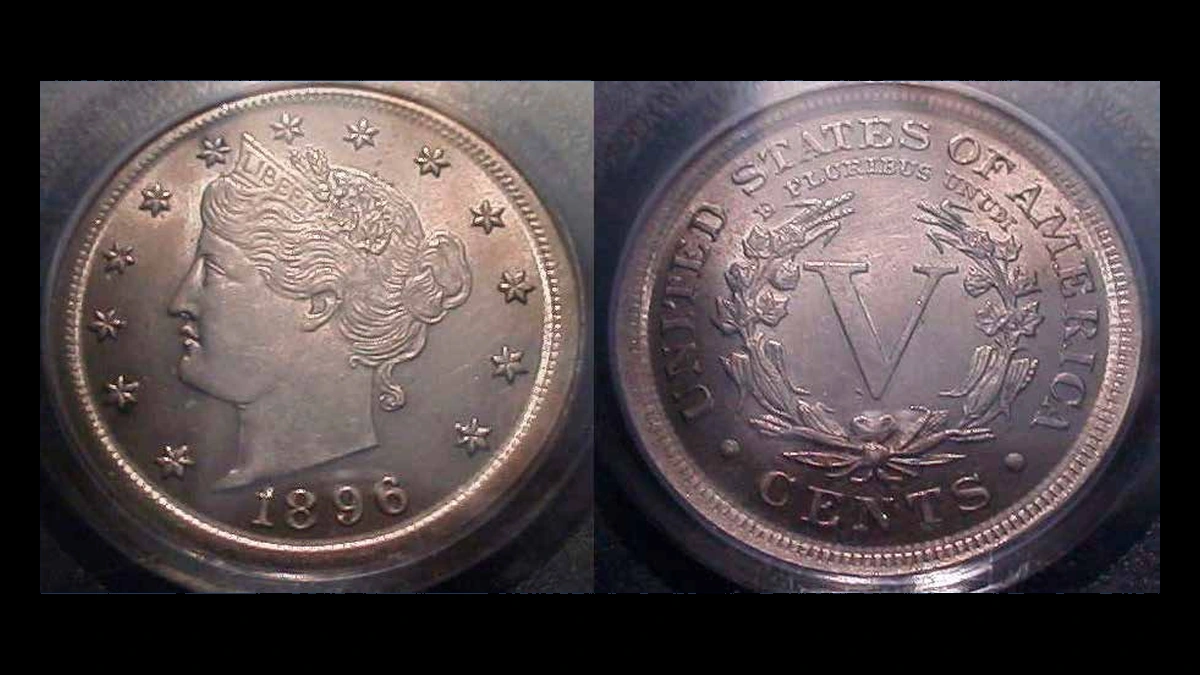
4. 1896 Nickel A Wider Border Around a Complete Design: Broadstrike Error
A nickel can grow wider when the collar fails to restrain it. The collar is the ring around the blank during striking.
An 1896 broadstrike graded PCGS MS60 appears in dealer catalogs. Repeated listings of that description do not establish multiple surviving coins.
How to Identify
Trace the outer lettering before measuring the border. A broadstrike retains the intended design inside an expanded outline.
A normal Liberty nickel is about 21.21 millimeters across and weighs 5 grams. Measure a loose coin in several directions, then inspect for hammer marks or flattened details from later alteration.
The ordinary edge is already plain. A smooth edge alone therefore says little about whether the coin was broadstruck.
What It’s Worth
$150–$800 is an estimated range for confirmed 1896 broadstrikes. An obvious spread and cleaner surfaces generally make a more appealing example.
No realized price is assigned to the cataloged MS60 coin. A scratched 1900 broadstrike appears at $150 in a Coin World auction table, offering a different-date comparison with a condition problem.
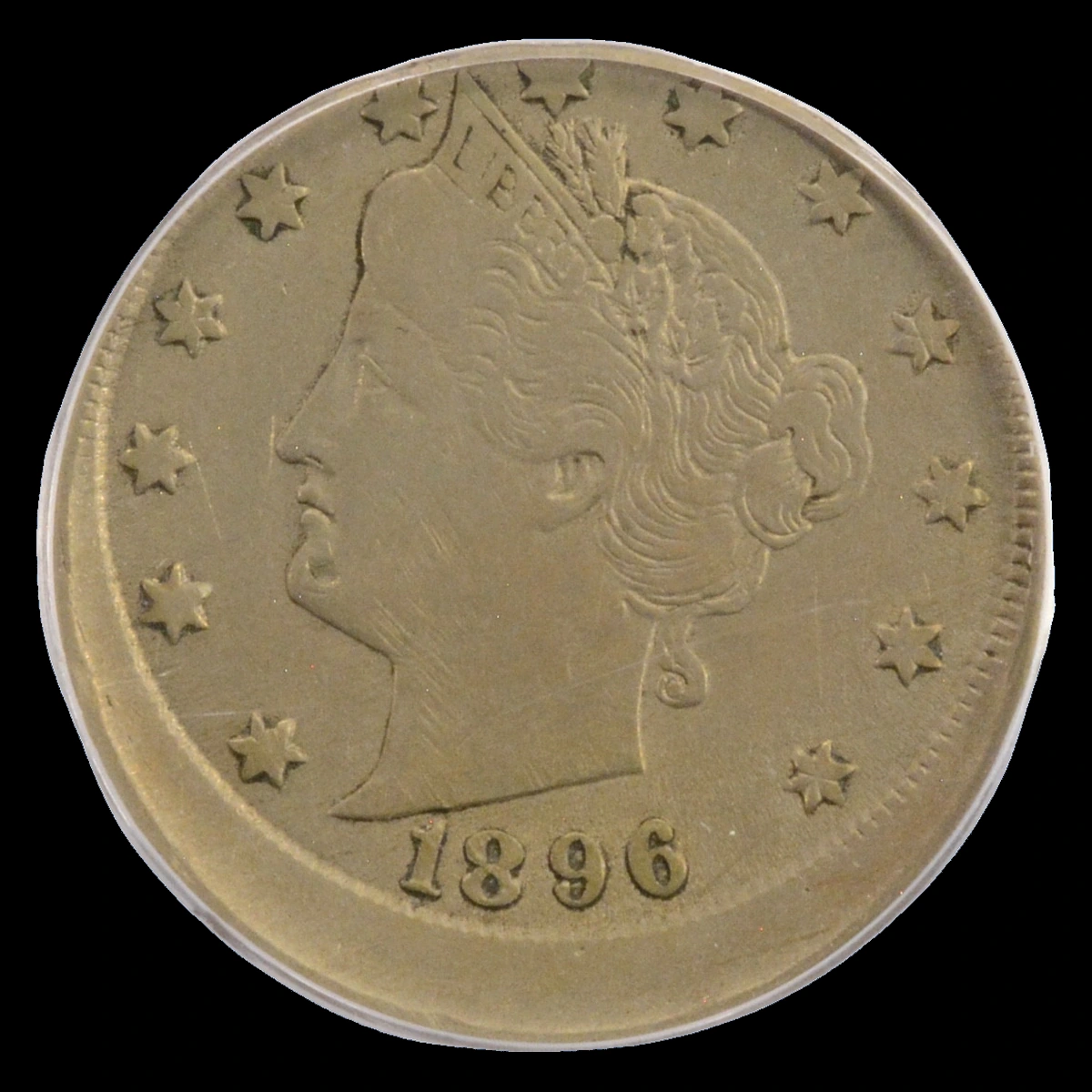
5. 1896 Nickel Part of the Design Falls Off the Blank: Off-Center Strike Error
When a blank enters the press out of position, some design misses the metal. An untouched area remains beside the part that did receive a strike.
A cataloged 1896 coin is about 12% off center toward the top and graded PCGS AU50. A separate reported example is 25% off center toward 12 o’clock and graded MS61.
How to Identify
Find the date, then compare where the design ends on both faces. The blank and struck areas should fit the same displaced position.
The AU50 coin has light wear, while MS61 means an unworn coin with substantial marks. Keep those grades attached to their own examples.
Listings give the smaller shift as either 12:30 or 1 o’clock. That slight directional difference alone does not prove there are two different 12% coins.
Inspect the bare metal for filing or grinding. Removing a finished design after minting does not create an original off-center strike.
What It’s Worth
$250–$1,800 is an estimated range for genuine dated examples across the reported conditions. A readable year and undamaged surfaces strengthen the comparison.
An older catalog gave the 12% AU50 coin a $550 minimum bid. That starting threshold does not establish a final payment.
No separate realized amount is assigned to the 25% MS61 report. Its larger shift should be judged alongside preservation, rather than used as a simple price multiplier.
6. 1896 Nickel A Brown Coin Too Small for the Design: Cent Blank Error
A copper-alloy cent blank gives the nickel design less room and less metal than expected. Some details may reach beyond the edge or fail to fill fully.
The documented 1896 example is graded PCGS AU53, meaning lightly worn. Its centered design has slight weakness at the forehead curl and left corn ear.
How to Identify
Check the size and weight before relying on brown color. A contemporary cent blank starts near 3.11 grams and 19.05 millimeters, compared with the larger nickel figures above.
These are normal blank measurements, not recorded readings for the AU53 coin. Striking can also spread the smaller disk.
Inspect the edge for trimming or plating, then compare how the design fills the metal. The reported weak curl and corn detail help match that example but cannot prove the blank type by themselves.
What It’s Worth
$1,500–$5,000 is an estimated range for an identified 1896 nickel struck on a cent blank. Readable date details and original surfaces are useful price factors.
A 1904 cent-blank nickel graded PCGS MS62 Brown sold for $3,525 in April 2013. That unworn, different-year coin is a comparison rather than a sale of the lightly worn 1896 example.
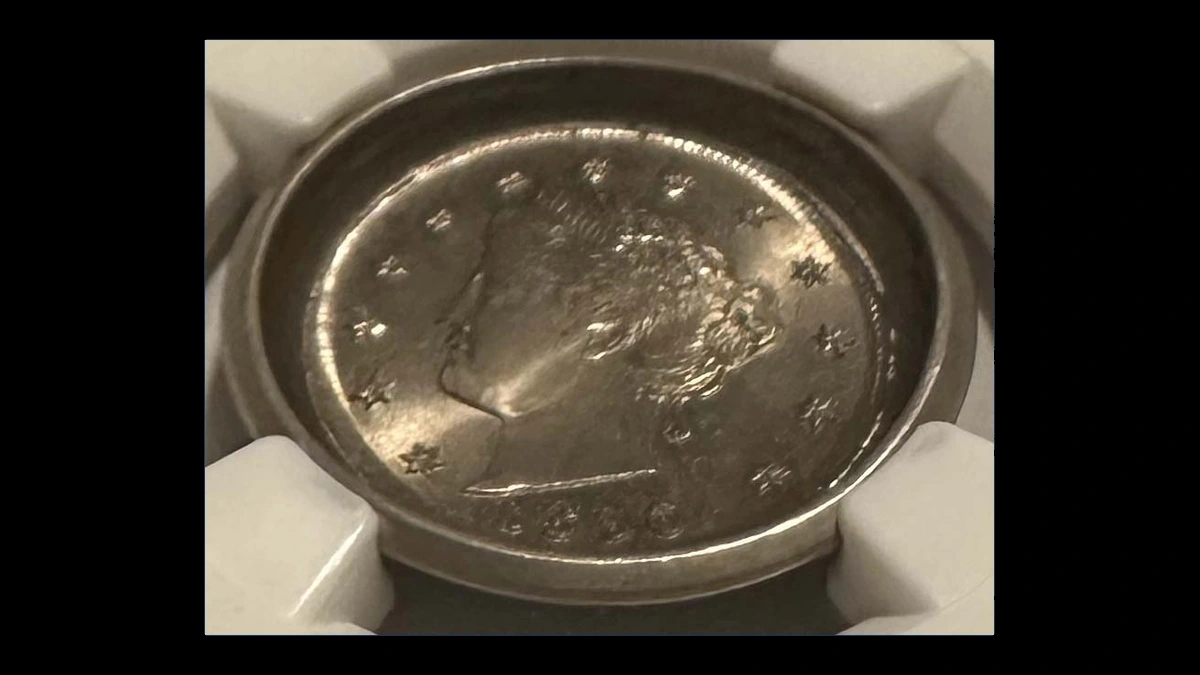
7. 1896 Nickel A Date Wrapped Around a Cup: Flipover Strike and Die Cap Error
The 1896 date bends around the wall of this deep, cup-shaped nickel. Before becoming a cap, the coin was struck, turned over, and struck again inside the collar.
It then stuck to the front die and wrapped around it during further strikes. The earlier flip left traces of front and back designs on the same coin.
How to Identify
Start with a side view showing the deep wall and the date. Then compare the surviving mixed design traces with photographs of the documented piece.
Do not flatten the cap or press on its sides. An artificial cup may show tool damage without the connected strike sequence visible on the original.
The published example was graded NGC MS66, an unworn grade with very few marks. Its deep cap shape and earlier flipover strike are two stages of one coin’s history.
What It’s Worth
$10,000–$25,000 is a specialist estimated range for this exceptional type of 1896 cap. Its unusual depth, preserved designs, and condition all contribute.
The published account of the MS66 coin does not give a realized sale price. The estimate values the cap and preceding flipover strike together.
Conclusion
Small date traces and surface flaws require close views, while the broadstrike, cent-blank error, and deep cap depend on the whole coin’s shape. Use both kinds of photographs when comparing an 1896 nickel.
The estimated $20–$25,000 range includes major differences in rarity and condition. In particular, the reported $4,000 Proof result values a beautifully preserved collector coin, not a tiny lamination by itself.