Rare 1897 Nickel Errors (List & Pictures)
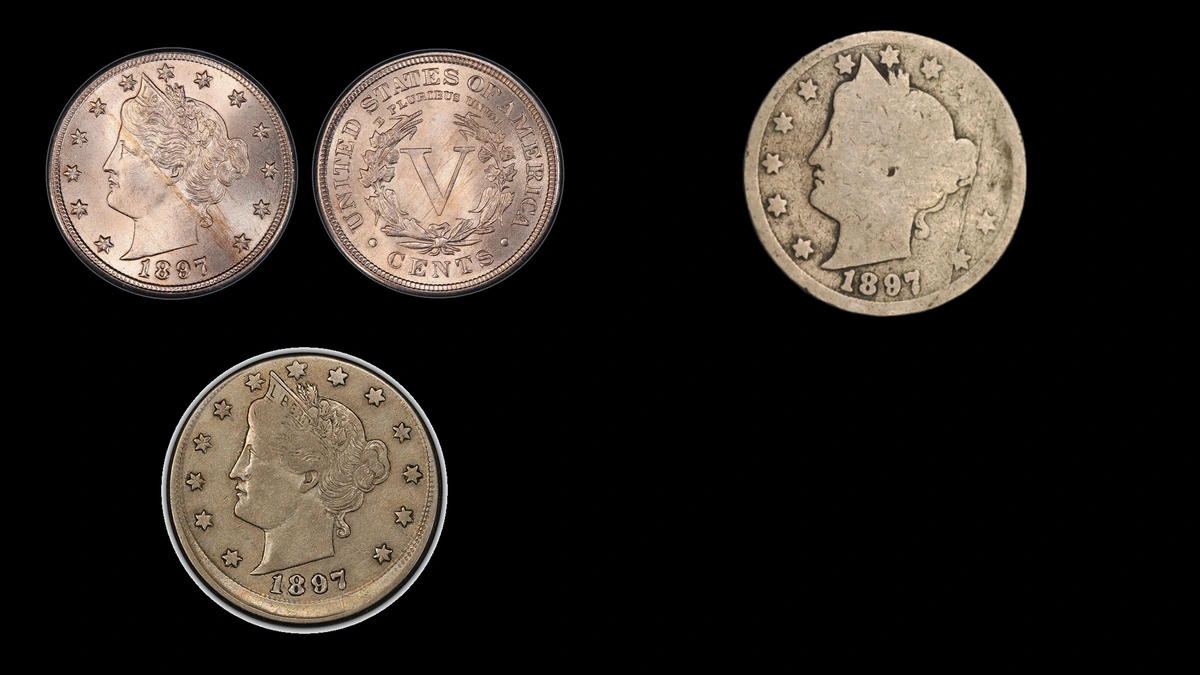
The four 1897 Liberty Head nickel errors here involve the date, surface, strike position, or blank itself. Their estimated whole-coin values span $20–$6,000.
A different-year 1905 nickel on a cent blank sold for $3,120 in August 2024. Start at the date, inspect any peeling metal, and then compare the outline with a normal nickel before using that kind of price reference.
| What to look for | Likely explanation | Estimated value |
|---|---|---|
| Extra date-punch strokes | FS-301 repunched date | $20–$1,500 |
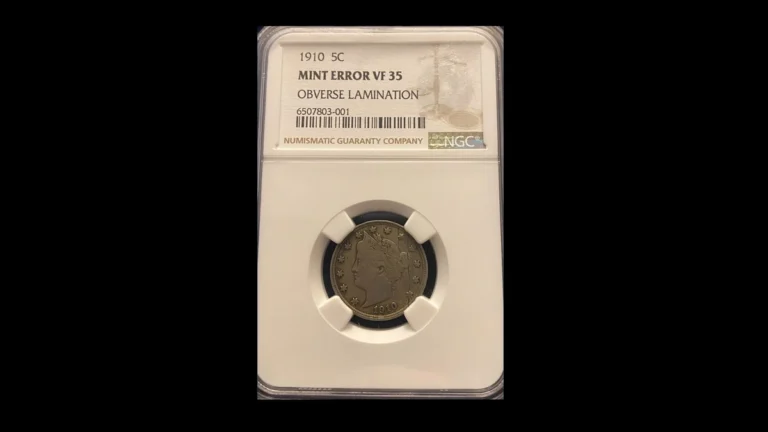
| Thin opening on the portrait side | Lamination | $20–$250 |
| Blank crescent beside displaced design | Off-center strike | $200–$1,500 |
| Bronze metal and smaller blank | Struck on a cent blank | $2,000–$6,000 |
A normal nickel weighs 5 grams, measures about 21.2 millimeters, and has a plain edge. For a loose candidate, record measurements once when its outline or metal seems unusual; the measurements alone cannot explain a date variety or surface flaw.
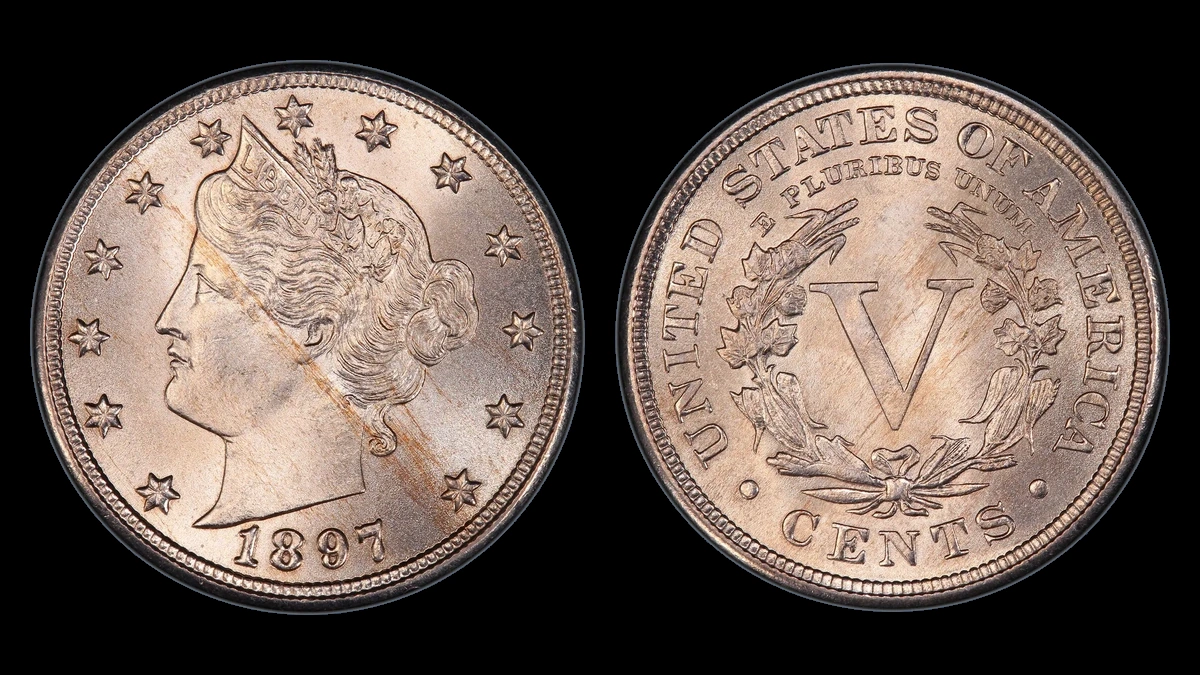
1. 1897 Nickel Earlier Strokes around the Date: Repunched 1897 Error
Before the die struck coins, its date punch was entered more than once in different positions. Parts of the earlier entry remained beside the final 1897 numerals.
NGC recognizes this pattern as FS-301 and describes the later impression as northwest, or upper left, of the first. FS-014.48 and Flynn–Van Note RPD-006 are older or alternative names for the same variety.
The repeated year does not indicate another dated coin underneath. It is a feature of the steel stamping tool passed onto coins made with it.
How to Identify
Photograph all four digits upright and compare them with NGC’s FS-301 images. The relative positions of the two date entries should fit as a complete pattern.
Change the lighting to distinguish stable metal contours from reflections. A scratch, added metal, or a flat striking shelf beside one digit does not establish repunching.
Keep the direction straight when reading a description: NGC places the later date upper left of the earlier one. Reversing that relationship can lead to an incorrect match.
What It’s Worth
Recognized repunched-date examples suggest $20–$1,500 across worn and attractive unworn grades. The broad range prices the entire coin.
Clear date remnants help identification, but portrait detail and original surfaces also affect value. No specific auction realization is supplied for FS-301 here.
2. 1897 Nickel A Thin Layer Opens on the Front: Lamination Error
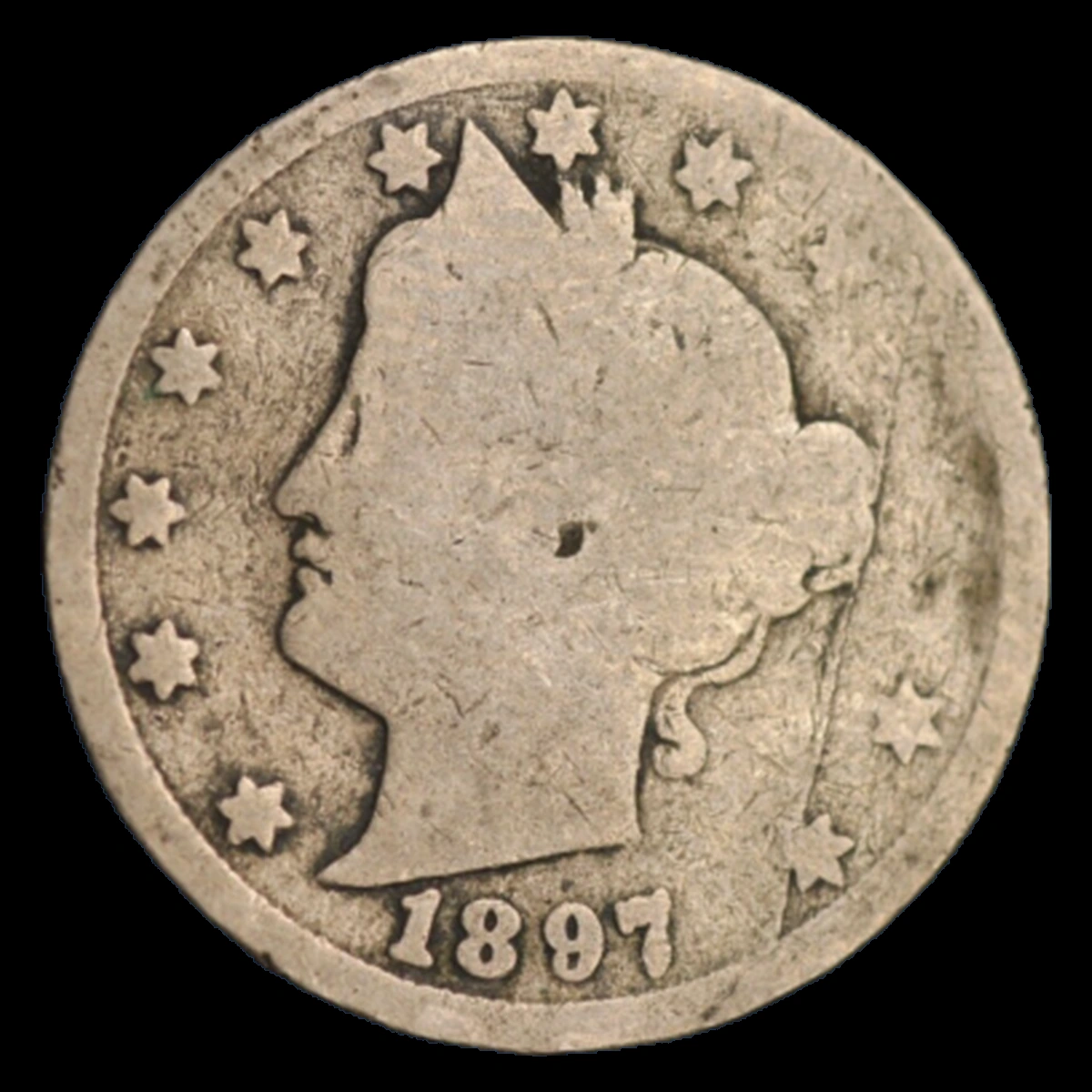
A seller reported front lamination on an 1897 nickel in a PCGS AG03 holder. That heavily worn grade means the portrait already has limited detail.
A weak seam in the original metal can let a shallow layer separate. The supplied description identifies the portrait side without locating the peel in Liberty’s hair, cheek, or date.
How to Identify
Find an actual opening or thin lifted boundary rather than a merely flat worn patch. Side lighting can show where a layer separates from the metal below.
Inspect the adjacent design for a deep cut, fresh edges, or pushed-up metal that could indicate a gouge. Keep any attached flap in place and leave a graded coin sealed.
A retained flap may leave weight nearly unchanged, while a lost fragment can reduce it. Neither outcome establishes the precise timing of separation without examining the surfaces.
What It’s Worth
Genuine front laminations suggest $20–$250, depending on size, remaining detail, and preservation.
The AG03 example offers a heavily worn comparison rather than a recorded sale. Pulling away metal or cleaning the opening can reduce the coin’s appeal and destroy useful evidence.
3. 1897 Nickel Design Shifted Beside Untouched Metal: Off-Center Strike Error
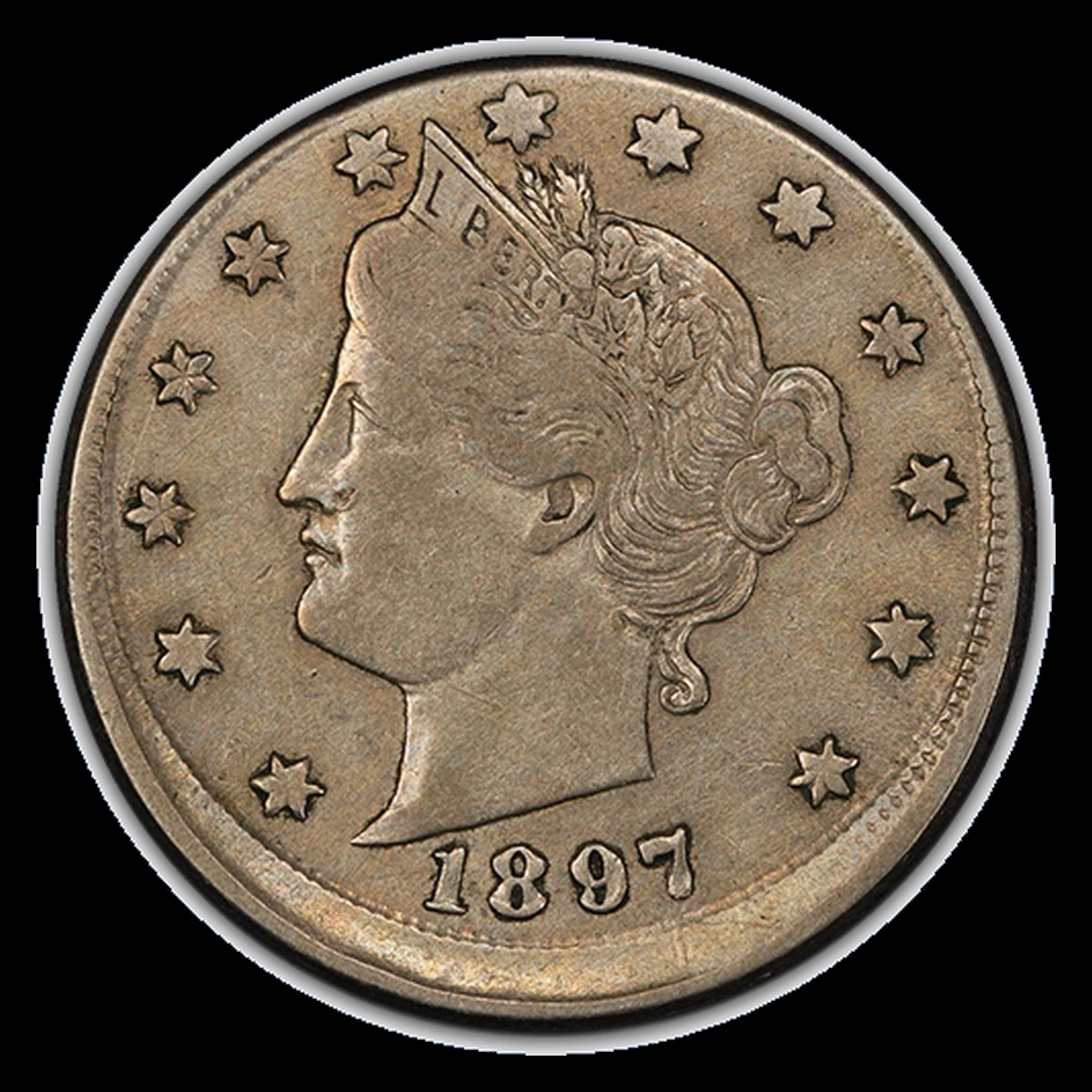
A dealer listed a PCGS XF40 example as 10% off center. The blank entered the press out of position, so some metal remained untouched and some intended design missed the coin.
XF40 describes moderate wear with much of the design remaining. The description supplies no direction for this particular shift.
How to Identify
Compare both faces to see whether their design loss follows the same displaced blank. A single uneven rim can instead concern the position of one die.
Read the complete 1897 date rather than assigning the year from a similar-looking example. Inspect the transition from struck detail to the original blank crescent for later grinding or cutting.
An off-center strike leaves metal in the untouched area. A clipped or cut-away section has physically lost that metal.
What It’s Worth
Genuine dated examples suggest an estimated $200–$1,500. Displacement, readable identity, and preserved surfaces all shape the comparison.
The PCGS XF40 was offered for $725. That asking price does not establish what a buyer paid, and its unspecified direction should remain unspecified.
4. 1897 Nickel Liberty and the V on Bronze: Cent-Blank Strike Error
Heritage’s December 2024 catalog identifies an 1897 PCGS AU55 nickel struck on a one-cent blank. That blank’s bronze metal and smaller size differ from an ordinary nickel.
The nickel dies placed Liberty and the large V on the metal instead of a cent design. A previously struck cent underneath is not established by the blank attribution.
How to Identify
A contemporary cent blank starts near 3.11 grams and 19.05 millimeters. Those are standard comparisons rather than published measurements of this AU55 specimen.
Check the actual metal, weight, and where the nickel design reaches the smaller boundary. The strike may spread the blank beyond its starting diameter.
Inspect the plain edge for trimming and the surfaces for coatings without scratching them. Brown color can occur on a stained ordinary nickel, so composition and dimensions must agree.
What It’s Worth
An authenticated cent-blank 1897 nickel suggests $2,000–$6,000. Secure blank identification, readable date, and original surfaces support a stronger comparison.
A 1905 nickel on a cent blank sold for $3,120 in August 2024. That different-year result does not establish what the cataloged 1897 AU55 realized.
Conclusion
A date variety starts in the die, a lamination starts in the metal, and off-center or wrong-blank coins reflect different events at the press. Keeping those causes separate makes the visible clues easier to evaluate.
Preserve attached metal and original surfaces, and keep asking prices distinct from sales. For the smaller bronze coin, confirm the blank itself before using a valuable wrong-planchet comparison.