Rare 1912 Penny Errors (List & Pictures)
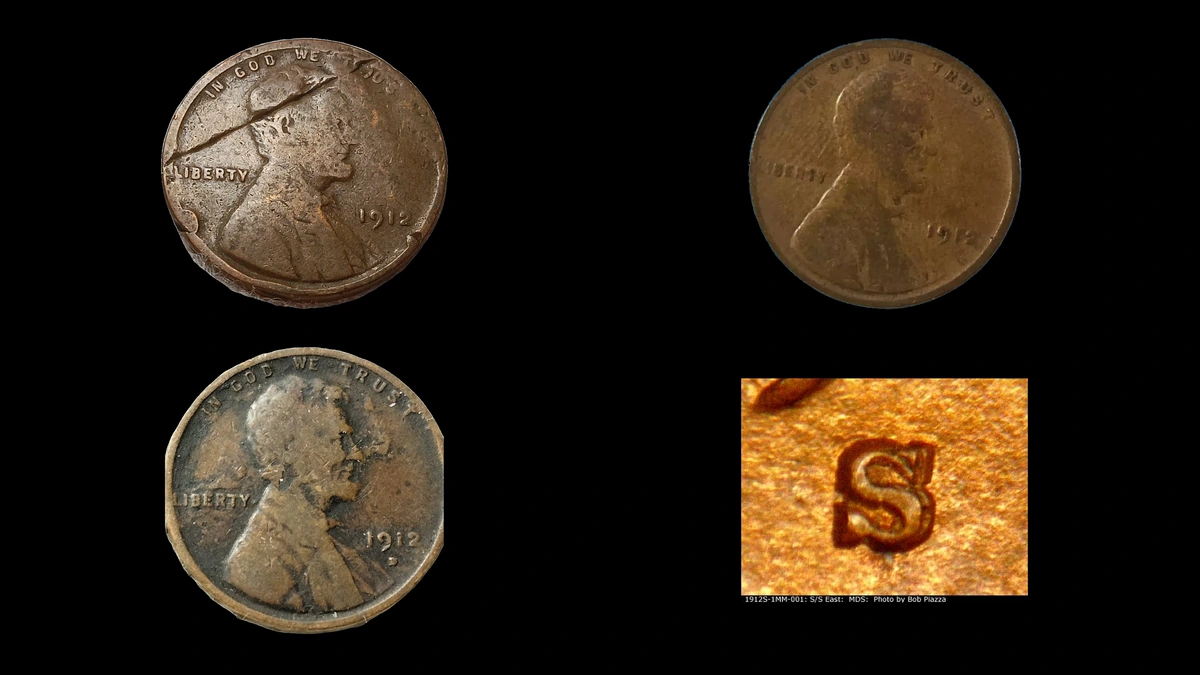
A $9,500 October 2018 Matte Proof sale is the highest supplied comparison for these 1912 penny errors, but it prices the whole Proof and does not confirm that coin’s tiny E-doubling feature. An ordinary-issue double strike brought $1,920 in June 2025.
Estimated values span $2–$10,000. Establish the finish first, then inspect metal, outline, repeated impressions, and fine die details; a normal 1912 cent has no VDB initials.
| What to examine | Category | Estimated value |
|---|---|---|
| Grainy collector finish and slight doubled E | Matte Proof feature; separate ordinary doubling | $1,000–$10,000 whole Proof; $20–$500 ordinary variety |
| Attached thin surface layer | Lamination | $5–$1,000 |
| Rim or ragged missing section | Clipped blank | $20–$600 |
| Complete design inside expanded metal | Broadstrike | $30–$500 |
| Incomplete design beside unused metal | Off-center strike | $75–$1,500 |
| Two distinct design positions | Double strike | $300–$3,000 |
| Soft original design | Weak strike | $5–$150 |
| Opposite-face traces | Reported die clash | $10–$400 if matched |
| Raised line, chip, or rim patch | Die break | $2–$800 |
| Extra mint-letter remnants | Repunched mintmark | $10–$350 |
Ordinary cents and Matte Proofs share the standard 3.11 g copper-alloy blank and 19.05 mm diameter with a plain edge. Measurements support inspection but cannot establish a Proof finish or die variety.
Use a 10× magnifier and full photographs of both faces and the edge. Keep certified coins sealed and avoid moving loose layers while taking measurements.
1. 1912 Penny A Matte Proof’s E Has a Slight Repeat: 1912 Doubled Design Error
Early examples of the specially prepared Matte Proof can show a small repeated edge on the E in WE. A reverse die line extending left from UNUM’s M provides a supporting marker.
Ordinary-issue front doubling is separately reported without a matched pattern established here. Proof markers cannot supply that missing attribution.
How to Identify
Assess the complete grainy finish, rims, surfaces, and edge before examining the E. The absence of a mintmark does not establish a Matte Proof.
On a genuine Proof candidate, compare the E and supporting reverse line with the correct reference. The line is a die marker rather than another separately priced error.
What It’s Worth
A matched minor ordinary doubled design has an estimated $20–$500 range. An authenticated Matte Proof with the early E feature is approximately $1,000–$10,000 for the whole coin, depending on grade and color.
PCGS records a PR67 Brown sale of $9,500 in October 2018. That Proof comparison does not verify the sold specimen’s early E feature or establish a separate doubling premium.
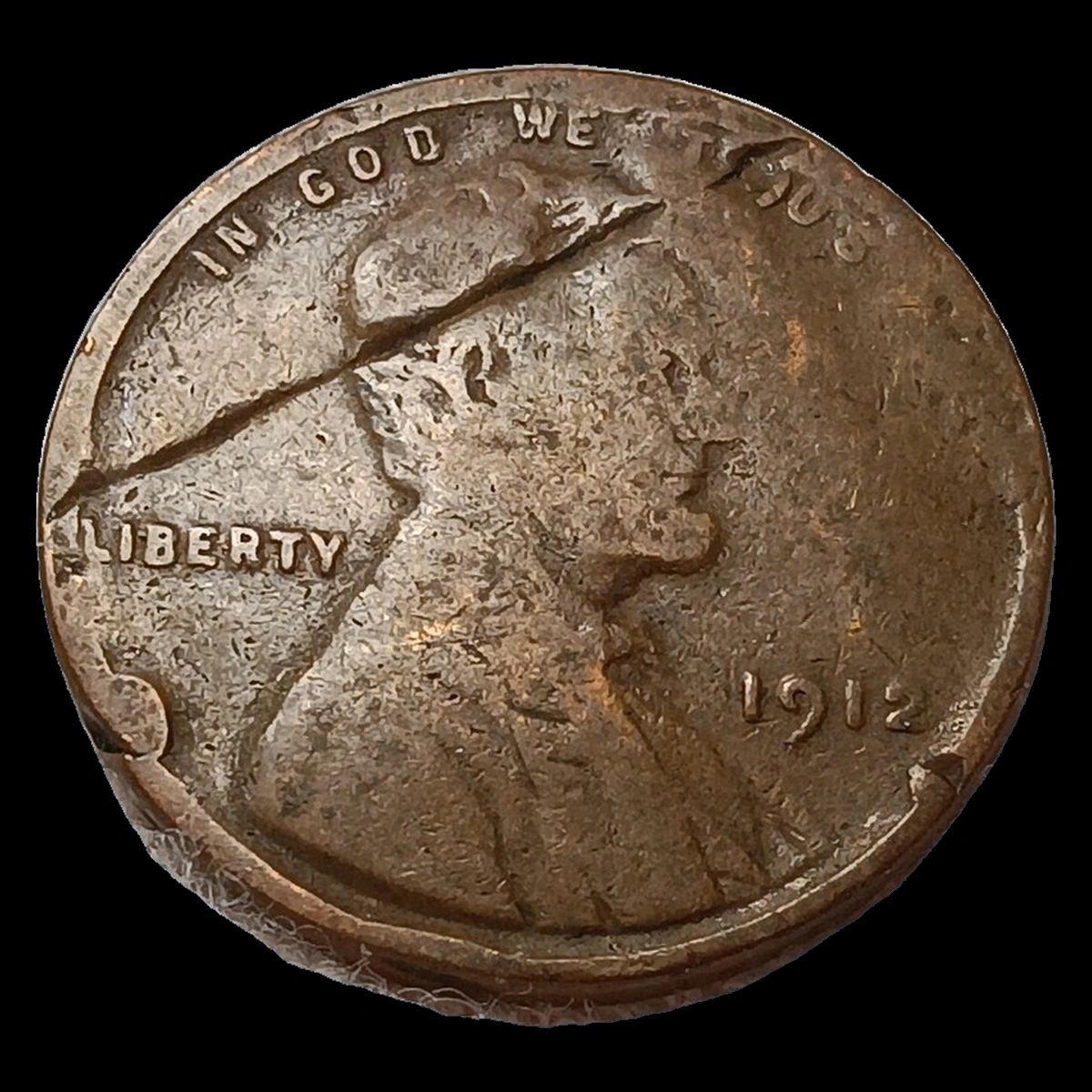
2. 1912 Penny A Thin Sheet Remains Attached: 1912 Lamination Error
The documented Philadelphia coin has front lamination and a PCGS MS66 Brown grade. A shallow layer separated within the alloy while remaining attached.
A separate San Francisco example is ICG XF40, and an older catalog mentions minor reverse peeling on another S coin. Those locations and conditions belong to distinct specimens.
How to Identify
View the root of the sheet under side lighting without raising it. A natural thin separation differs from a rough scrape or a group of corrosion pits.
The metal is copper alloy throughout, not a coating over zinc. Keep any weight reading specific to its coin; the normal standard is not a measured weight for every lamination.
What It’s Worth
Laminations have an estimated $5–$1,000 range across wear levels and attachment sizes. Original preservation contributes to the complete coin’s value.
The Philadelphia MS66 Brown piece brought $632.50 in April 2008. No price from the separate San Francisco auction page is assigned here, and its XF40 wear prevents a direct grade comparison.
3. 1912 Penny The Blank Has a Rim Gap or Ragged Boundary: 1912 Clips Error
A San Francisco rim clip has a small missing section near one-thirty. Denver also has a recorded rim clip, while a separate San Francisco dealer coin has a ragged gap and scratches.
The proposed original error is missing blank metal before striking. The scratches on the ragged example are later condition problems.
How to Identify
Inspect the gap’s meeting with struck rim and lettering. Saw cuts through completed detail or fresh folded metal suggest later removal.
Opposite-rim weakness may help but is not decisive by its absence. Preserve the San Francisco rim clip’s location separately from the Denver and ragged-edge examples.
What It’s Worth
Genuine clips have an estimated $20–$600 range. Small worn gaps need different comparisons from dramatic original defects.
A 1920 cent with a seven-percent curved clip brought $49 in March 2025. Its size and price do not become attributes of the reported 1912 rim or ragged clips.
4. 1912 Penny Extra Border Surrounds the Entire Design: 1912 Broadstrike Error
A blank can spread when the collar, the ring controlling its edge, does not contain it normally. The full intended design can remain within that enlarged outline.
The reported 1912 category supplies no fixed mint or measured specimen. Each candidate therefore requires its own outline and surface evidence.
How to Identify
Trace the outer letters on both faces and compare several diameters. Uneven spread is possible, but intended design falling beyond the blank calls for an off-center assessment.
Inspect the edge for joins or additions and the portrait for later crushing. Flattening a finished coin can enlarge it without reproducing original broadstruck detail.
What It’s Worth
Genuine broadstrikes have an estimated $30–$500 range. Natural spread and undamaged surfaces support a stronger comparison.
A 1920 NGC MS62 Brown example brought $119 in March 2026. It gives later Wheat-cent context rather than a mint attribution, measurement, or sale for an unspecified 1912 coin.
5. 1912 Penny The Right-Side Design Runs beyond the Blank: 1912 Off-Center Strike Error
The documented Philadelphia coin is twenty percent off center toward three o’clock. Its final date digit is partial, with portions of WE TRUST, UNUM, and the right wheat ear also missing.
NGC graded it AU58. A thin horizontal mark on Lincoln’s chin is a separate surface trace.
How to Identify
Examine the surviving date in full context and retain the partial-digit limitation. Compare the lost details on both faces to see whether they fit the same displacement.
Inspect the blank area for erased design and the edge for grinding. The chin mark should not be counted as another mint error or mistaken for the strike boundary.
What It’s Worth
Genuine dated examples have an estimated $75–$1,500 range. Surviving identity and original surfaces help select comparisons.
The NGC AU58 twenty-percent specimen brought $528 in September 2019. That lightly worn result does not establish the value or year of an undated candidate.
6. 1912 Penny Another Date or Portrait Position Survives: 1912 Double Strike Error
Philadelphia examples include separate ten-percent off-center second strikes in PCGS AU53 and NGC MS65 Brown. A different PCGS F15 coin has a twenty-percent second strike.
Each coin moved before the later blow. Its overlap differs from an extra contour already present in a doubled die.
How to Identify
Trace a digit and another letter that shifted together, then compare their two positions across the overlap. A flat shelf beside one letter cannot demonstrate the complete second design.
Check the edge for later pressure or assembly. Keep the worn twenty-percent specimen separate from both ten-percent examples when matching photographs.
What It’s Worth
These double-strike forms have an estimated $300–$3,000 range. Preservation and readable overlap can matter more than the percentage of the later strike.
The NGC MS65 Brown ten-percent coin brought $1,920 in June 2025. The PCGS F15 twenty-percent example brought $528 in April 2021, while the separate PCGS AU53 ten-percent coin brought $431.25 in September 2010.
7. 1912 Penny Original Details Never Rise Fully: 1912 Weak Strike Error
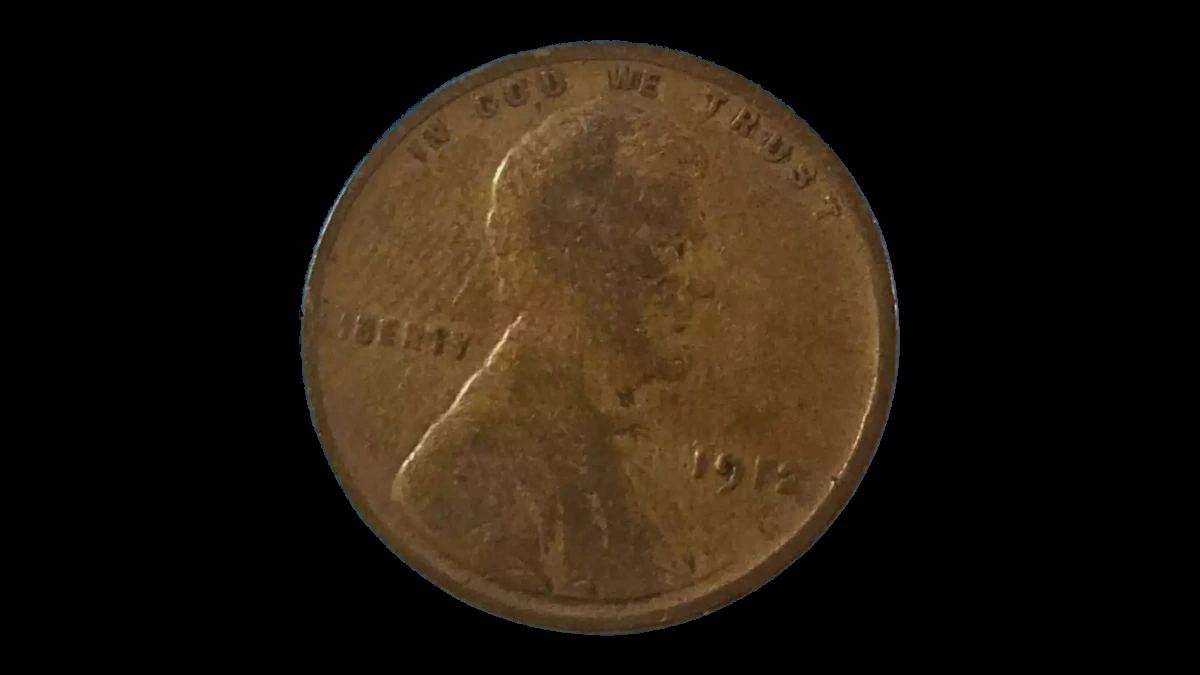
Portrait, lettering, or borders can be shallow when a coin leaves the press. That appearance alone does not establish low pressure, because die wear and later handling can also soften detail.
The relevant question is whether original surface survives where the design failed to form. Missing VDB contributes no evidence because those initials were absent from the normal 1912 design.
How to Identify
Compare exposed high points and protected lower areas with a normal same-mint coin. Circulation rubs the high points, while polishing can leave lines across completed detail.
Move the light to examine texture in the weak areas and check for metal removal. Do not use a normal design omission as proof of a weak-strike error.
What It’s Worth
A genuine unusual weak strike has an estimated $5–$150 range. Minor softness typical for an issue may add little to ordinary value.
No confirmed transaction is supplied for a particular 1912 low-pressure specimen. The estimate requires evidence of unusual manufacturing weakness beyond wear or cleaning.
8. 1912 Penny Portrait-Like Traces Appear between Wheat Ears: Reported 1912 Clash Error
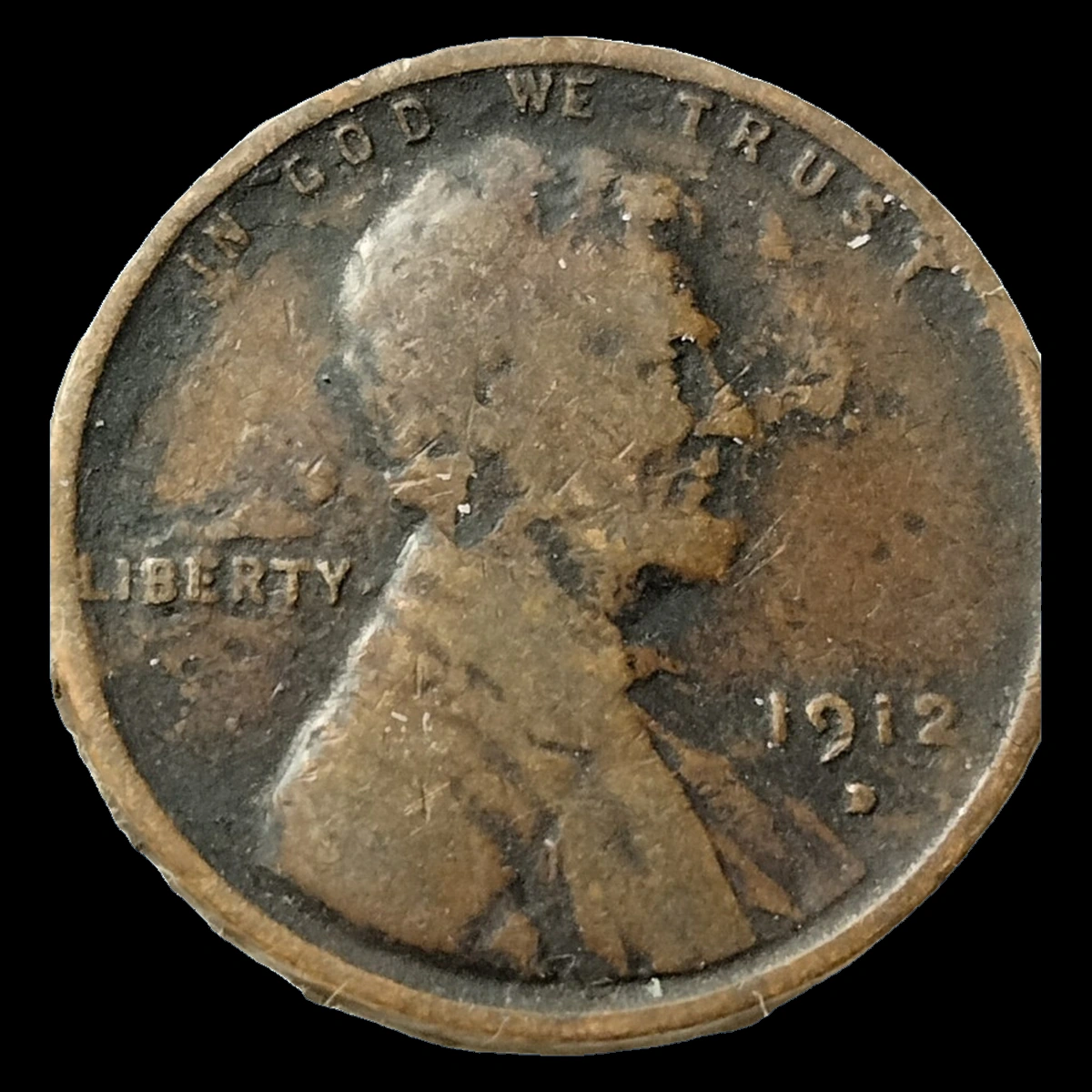
A San Francisco collector report identifies possible chin, jaw, and portrait traces on the reverse. A die collision without a blank could transfer portions of the opposite design to later coins.
The claimed match still needs examination. Other broad 1912 reports do not establish the same location or mint.
How to Identify
Check that a physical feature persists as light changes, keeping unmarked photographs of both faces. A shadow suggesting a face is insufficient.
Compare correctly aligned normal designs rather than freely rotating Lincoln until random lines match. Genuine clash traces need not be entirely sunken, but their arrangement must fit a die collision.
What It’s Worth
A clearly matched clash has an estimated $10–$400 range. This remains conditional for the collector-reported San Francisco portrait traces.
No sale or grading-service confirmation of the proposed nearly complete profile is established here. The premium must follow a genuine transferred-design match.
9. 1912 Penny Raised Chips and Rim Patches Need Different Checks: 1912 Die Breaks Error
Recorded San Francisco stages include chips inside the date’s 2 and TRUST’s S, plus cracks near LIBERTY and between the lower portrait and rim. Each belongs to its own stage of die use.
A collector’s S coin has five proposed patches along the left front edge. Their cud identification is disputed, with rolled edge metal offered as an alternative.
How to Identify
Use side lighting to confirm that small cracks or chips rise above the surface. A scratch cuts downward, though displaced scratch edges can complicate inspection.
For the five-patch report, compare the edge and adjacent faces for folded or rolled metal. Do not assemble separate catalog-stage lines into one coin or assume every proposed patch is a confirmed cud.
What It’s Worth
Small genuine cracks and chips have an estimated $2–$50 range; confirmed larger rim cuds are approximately $30–$800. The disputed patches qualify only after their mint-made origin is established.
A 1946-S major break brought $288 in March 2021. Its whole-coin price must not be multiplied by five to value the collector’s reported patches.
10. 1912 Penny Another Curve or End Stroke Surrounds the Mintmark: 1912 Repunching Error
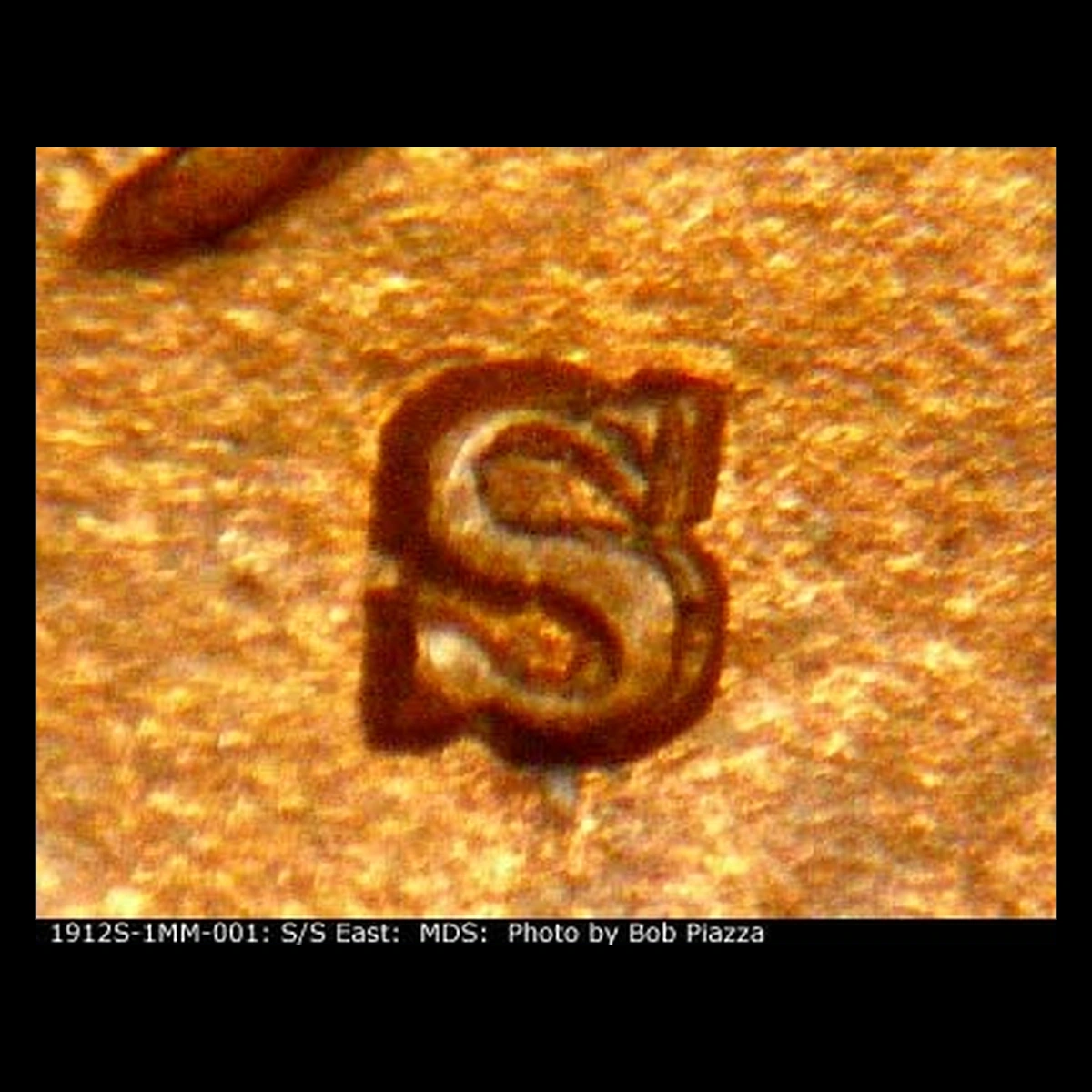
San Francisco patterns show earlier S curves toward the right or upper right. The separate Denver pattern has a low D with repeated upper and lower end strokes.
Hand punching at changed positions left the remnants in the die. Low placement near Lincoln’s vest is a location clue, not an error by itself.
How to Identify
For Denver, trace the top end and base of the upright into another recognizable letter position. For San Francisco, compare the correct eastward or northeastward curve with the matching reference.
Keep the date upright and vary only the lighting when checking bright edges. Late die wear can broaden S without leaving enough identifiable remnant for a firm attribution.
What It’s Worth
Matched repunched mintmarks have an estimated $10–$350 range. The underlying issue’s ordinary value remains part of the whole coin.
No transaction is supplied for each listed pattern. A low D, filled center, or blurred S requires repeated-stroke evidence before receiving a repunch premium.
Conclusion
The estimated $2–$10,000 span includes the entire value of an authenticated Matte Proof, not a separate four-figure charge for a tiny doubled E. Ordinary-issue errors need their own comparisons and evidence.
Normal missing VDB is part of the year’s design. Preserve partial dates, disputed rim patches, and unconfirmed clash claims in their proper context, while using complete photographs to distinguish a physical split, displaced strike, and repeated detail in a die.