Rare 1915 Penny Errors (List & Pictures)
A peeling surface and a badly shifted design appear together on one 1915 penny that sold for $1,620. It is a useful reminder that a coin may have more than one mint mistake.
This guide to 1915 penny errors separates eight groups, with estimated whole-coin values of $3–$10,000. Work from the lettering to the surface and outline; the rare pale-metal piece at the end requires a different kind of evidence.
1. 1915 Penny LIBERTY Seems to Have an Extra I: Die Chip or Crack Error
A raised sliver between B and E can turn LIBERTY into what looks like LIBIERTY. Collectors call that particular die chip a BIE.
The gap was in the die, the steel tool that stamps the coin. Copper filled it during striking and formed the extra raised shape.
How to Identify
Check the exact gap between B and E before using the BIE name. The supplied reports include Philadelphia and Denver examples, plus other small cracks that need not occur in that letter gap.
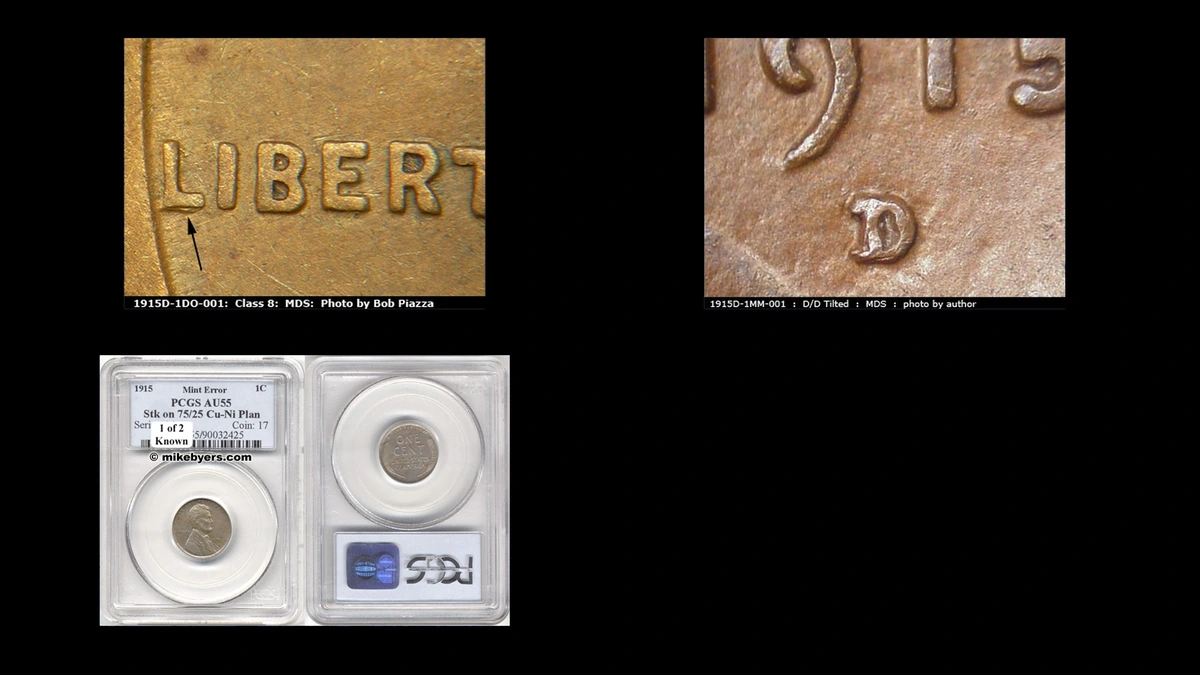
Move a light across the mark to see whether it rises above the surface. A scratch cuts into the metal, while dirt can sit on top without being part of the original coin.
What It’s Worth
$3–$100 is an estimated range for small genuine cracks and BIE chips. A clear letter-like shape usually makes the feature easier to collect than a barely visible line.
This is a comparison-based whole-coin range, not a recorded sale for a particular 1915 chip. The mint and condition of the underlying penny still contribute to its price.
2. 1915 Penny A Second Outline Follows the Letters: Doubled Die Error
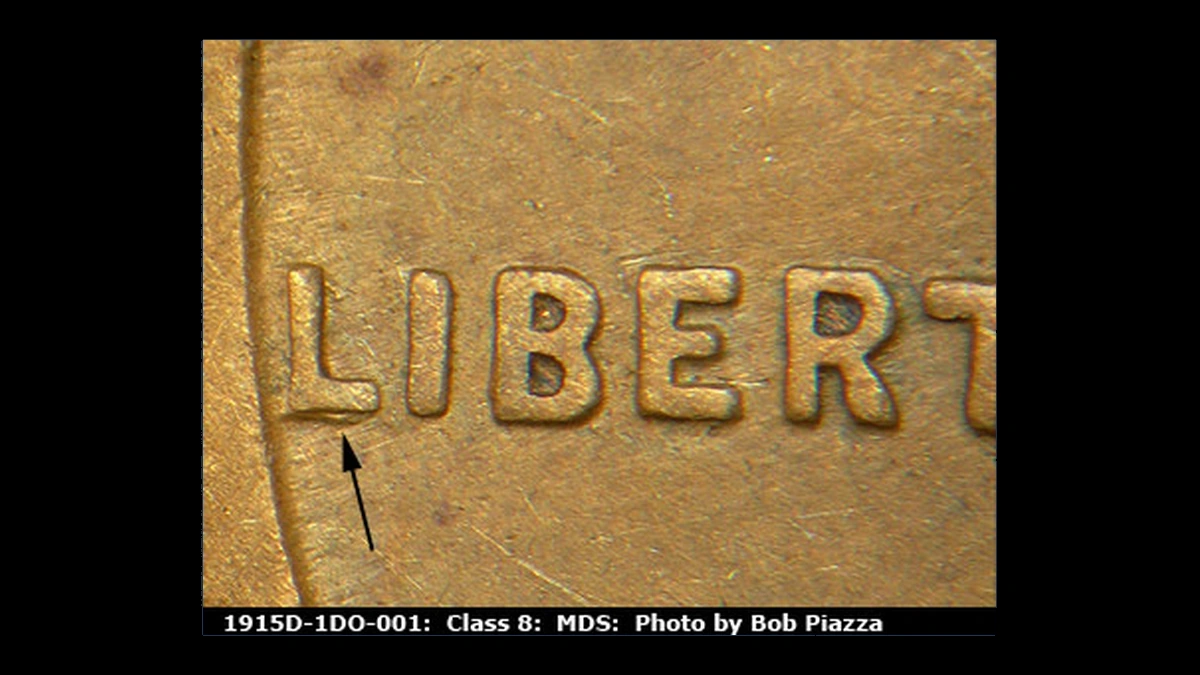
Some 1915 reports describe repeated front lettering at LIBERTY or IN GOD WE TRUST. A Denver report focuses on the L.
With a doubled die, the extra shape already existed on the tool before the coin was struck. It is not the result of the penny receiving two separate strikes.
How to Identify
Read the mintmark first, then compare the affected letters with the same mint’s variety. A reported Denver doubled L does not establish a variety on a Philadelphia penny.
Look beyond one thick edge and match the shape of the nearby doubling too. A flat shelf beside a letter, or a reflection that moves with the lamp, is not enough to identify a doubled die.
What It’s Worth
$15–$300 is an estimated range for a genuine, correctly matched 1915 doubled-front variety. Stronger surviving outlines and cleaner surfaces support the upper part.
The supplied material does not give a specific 1915 auction result for this group. Prices for the famous 1917 doubled die are not a substitute for identifying the much smaller reported 1915 features.
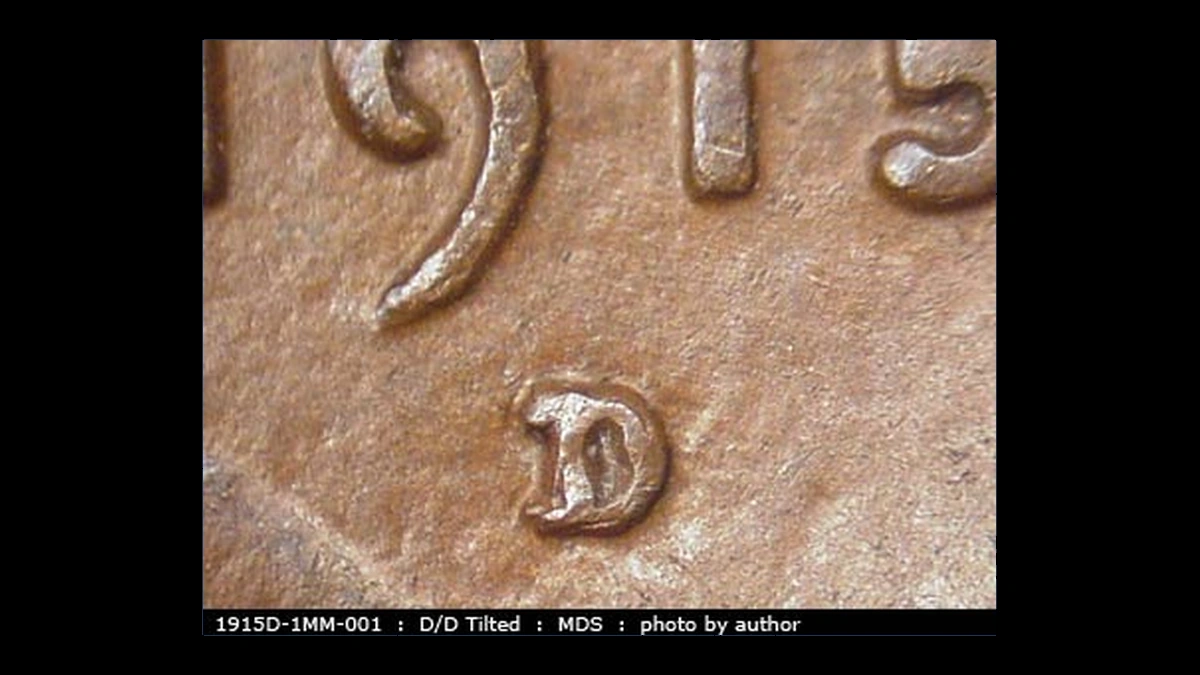
3. 1915 Penny Another D or S Peeks out: Repunched Mintmark Error
The mint letter was added to the die by hand in this period. A second punch in a slightly different position could leave pieces of the first letter visible.
How to Identify
The cataloged Denver example has remnants of a lower D near the letter’s tips. Compare both ends rather than accepting one unexplained lump as an earlier letter.
Reported San Francisco examples need an S comparison with matching curves. A mintmark sitting unusually low is not, by itself, evidence that it was punched twice.
What It’s Worth
$15–$350 is the estimated whole-coin range for correctly attributed 1915 repunched mintmarks. It includes the value of the mint issue as well as the added interest of the extra strokes.
No transaction amount is supplied for the specific Denver or San Francisco examples. Heavy wear and corrosion can obscure the small marks that make a higher-grade example easier to identify.
4. 1915 Penny A Wheat Trace Appears on the Front: Die Clash Error
The wheat ears belong on the back, but part of their shape can sometimes turn up beside the front design. A clash occurs when the two dies hit each other with no blank between them.
The damaged tools can then leave traces of the opposite design on later coins. The 1915 reports describe wheat-like front marks without establishing one location or mint for every example.
How to Identify
Compare the suspected curve with the actual wheat design, allowing for how the opposing dies faced each other. A second nearby trace should fit that same placement.
Do not rotate the comparison separately for every stray line. Scratches, die-polishing lines, and cracks can create shapes that look suggestive without matching the opposite design.
What It’s Worth
$5–$150 is a working estimate for a genuine clash on an ordinary 1915 cent. A recognizable design fragment generally carries more interest than a faint mark on a heavily worn coin.
The range comes from comparable Wheat cent clash features. It does not represent a confirmed sale of a particular 1915 wheat trace.
5. 1915 Penny A Thin Piece of Copper Lifts Away: Lamination Error
A weak layer within the copper alloy can peel or break away. The resulting flap or shallow loss is called lamination.
The documented Denver specimen has this feature on the front. A separate Philadelphia coin has back lamination together with a large off-center strike.
How to Identify
View an attached flake from the side and follow the point where it still joins the coin. Leave the flap in place; lifting it can remove both metal and useful evidence.
The 1915-D example graded F15 by ANACS has noticeable circulation wear. Compare the peeling area itself, rather than expecting an old circulated penny to look like a bright uncirculated example.
What It’s Worth
$10–$200 is a practical estimate for lamination without another major error. A different-year 1966 front lamination graded MS63 Brown sold for $61 in 2021.
The 1915 Philadelphia coin’s $1,620 result includes its 40% off-center strike. It cannot be used as the price of peeling alone.
6. 1915 Penny Letters Fade beside Sharper Detail: Struck Through Material Error
Grease or another obstruction can keep a die from forming part of the design. The 1915 reports mention affected letters in LIBERTY and the date.
Grease may leave a soft or missing letter, while a fiber can leave a narrow impression. The missing detail alone does not identify which material was present.
How to Identify
Compare the weak area with the rest of Lincoln’s portrait and the nearby letters. Broadly worn high points suggest circulation, while a sharply defined impression in otherwise clear detail deserves closer study.
Check for scratches or a lowered patch where someone could have removed a letter. A weak strike is another possible explanation when several areas fail to form fully.
What It’s Worth
$10–$250 covers genuine obstruction errors in the supplied estimate. Small grease-filled letters usually have less appeal than a clear impression with a recognizable shape.
A 1923 cent struck through thread, graded MS64 Red and Brown, sold for $156 in 2018. That comparison shows what a visible obstruction can bring; it does not establish thread as the cause on a 1915 example.
7. 1915 Penny The Design Leaves a Large Blank Crescent: Off-Center Strike Error
One especially clear 1915 example missed its proper position by 40%. The design ran beyond the edge, leaving much of the original blank untouched.
How to Identify
Check that the date can actually be read, then turn the coin over and follow the same unused crescent. Both designs should make sense as a single displaced strike.
The recorded Philadelphia coin is graded AU58 by NGC, indicating only light wear, and also has peeling metal on the back. An uneven rim on just one side does not reproduce that combination.
A normal 1915 cent is about 3.11 grams and 19.05 millimeters across. A distorted strike may change the outline, so also inspect for cut edges rather than deciding from one diameter reading.
What It’s Worth
$100–$2,000 is a working range for genuine 1915 off-center cents. The 40% displaced AU58 coin sold for $1,620 on March 20, 2023.
Its readable year and large displacement make it a useful same-date example. Losing even more of the design would not necessarily add value if the identifying date disappeared.
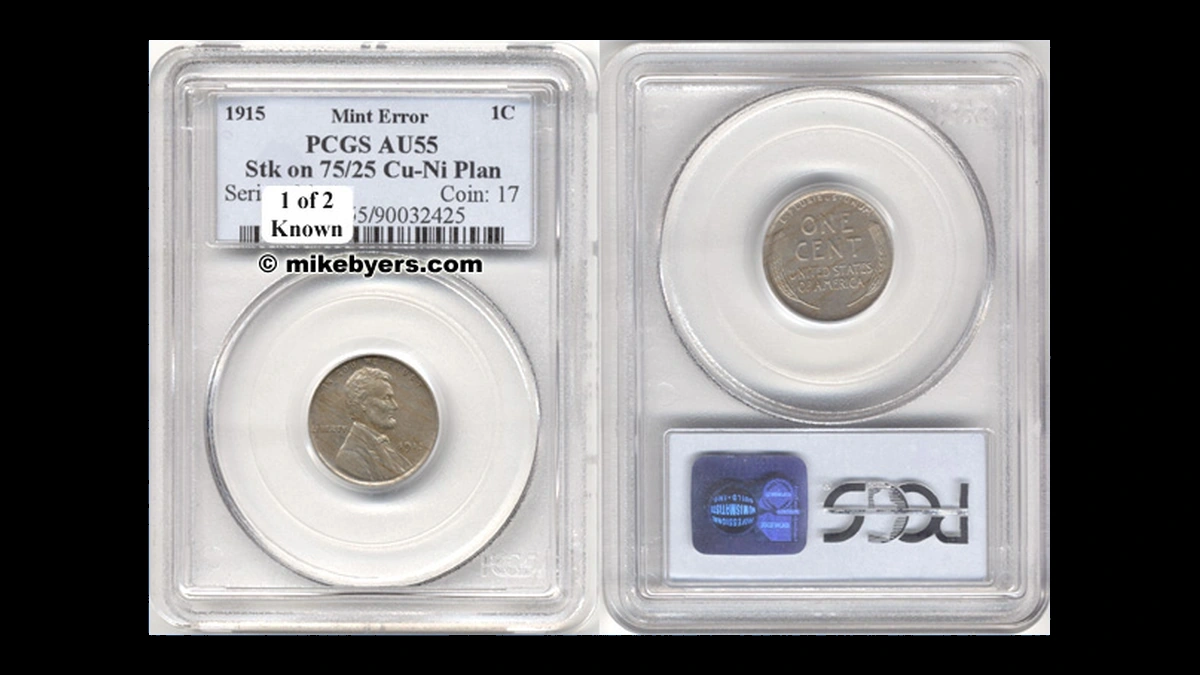
8. 1915 Penny Pale Metal Replaces the Usual Bronze: Copper-Nickel Strike Error
A documented 1915 cent was made in a reported alloy of 75% copper and 25% nickel. It has cent-size proportions, rather than the size of a complete five-cent nickel blank.
The metal difference is the key feature. Whether it came from experimental work or an accidental use of different metal stock is a separate question.
How to Identify
A silver-colored coating can make an ordinary cent look pale, so color cannot settle this identification. The evidence needs to include measurements and non-destructive testing of the metal, not simply nickel detected on the surface.
One discussed example weighs about 50 grains, or 3.24 grams. Keep that measurement with its actual specimen rather than assigning it to every pale 1915 penny.
The listed PCGS AU55 example provides a documented comparison. Its certification and testing history matter more than a photograph that happens to show a similar color.
What It’s Worth
$2,500–$10,000 is an estimated range for an authenticated 1915 copper-nickel piece. The dealer page marks the example sold but does not give a usable sale amount.
A 1959 cent on a Venezuela five-centimos blank brought $3,904 in June 2026. That is a later foreign-blank comparison, not a recorded price or proof of experimental status for the cent-size 1915 piece.
Conclusion
Keep the date, mint, and visible feature together when choosing a comparison. The Denver mintmark strokes, Philadelphia compound error, and copper-nickel specimen each need their own evidence.
For a small chip or weak letter, clear close views may explain the feature; for an unusual alloy, keep the testing record with the coin. Never add two separate error estimates together to price one penny that happens to show both.