Rare 1992 Half Dollar Errors (List & Pictures)
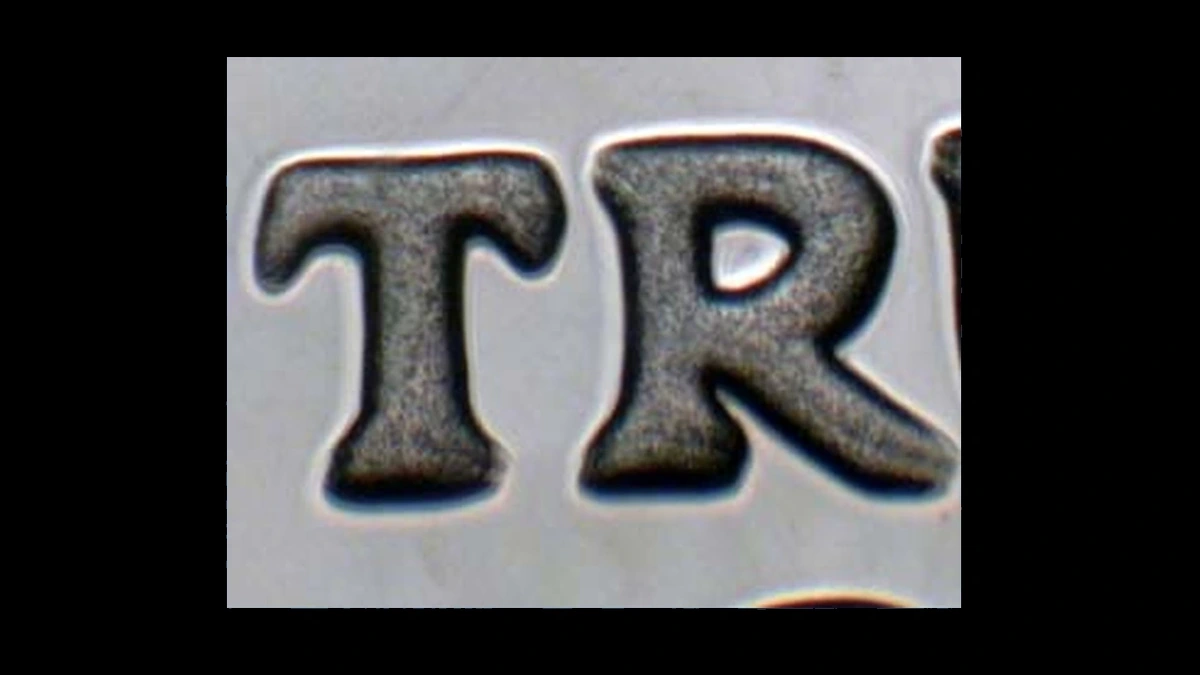
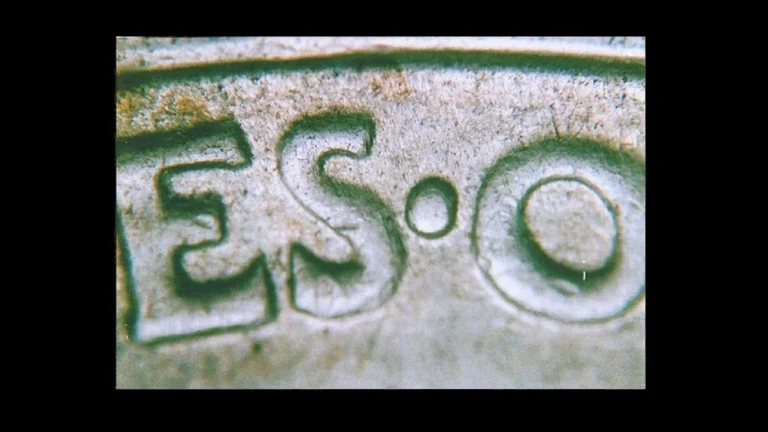
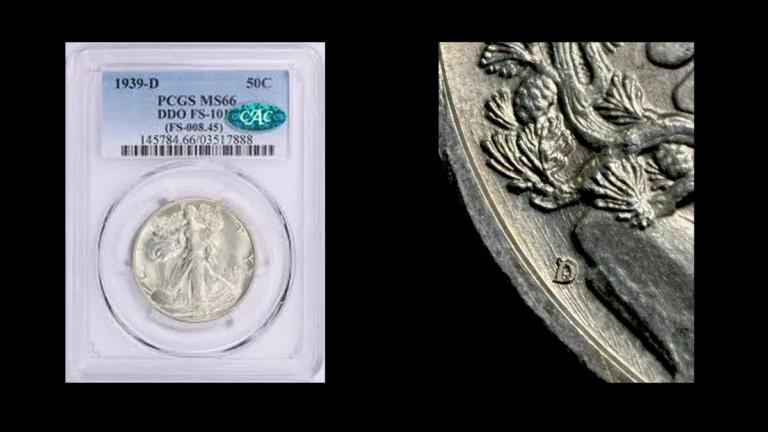
WE TRUST provides the clearest opening check for a valuable 1992-S silver-proof variety. An FS-101 example graded Proof70 Ultra Cameo sold for $6,750 in February 2026.
These 1992 half dollar errors span estimated values of $5–$7,500. Establish the metal and inspect that lettering first, then compare front impressions, raised lines, the outline, and possible transferred shapes.
| Clue | Inspection area | Category | Estimated value |
|---|---|---|---|
| Repeated WE TRUST detail | 1992-S silver-proof front | FS-101 doubled die obverse | $2,000–$7,500 across stated grades |
| A patterned row of impressions | Front of documented D coin | Struck through reeding | $200–$450 |
| A thin ridge | No fixed reported P-mint route | Die crack | $5–$20 |
| A gap in the metal | Edge and adjacent design | Clipped planchet | $25–$100 |
| Unstruck metal beside missing design | Both faces | Off-center strike | $25–$600 |
| A wider coin with full designs | Outline and edge of reported P coins | Broadstrike | $15–$40 modest examples |
| Opposite-design traces | No exact reported location | Die clash | $15–$75 |
Regular clad halves, including clad proofs, weigh 11.34 grams; the 1992 silver proof weighs 12.50 grams. Both measure about 30.61 mm and have grooved edges, so an S mintmark alone does not establish silver.
1. 1992 Half Dollar WE TRUST Has Distinct Extra Outlines: Silver-Proof Doubled Die FS-101 Error
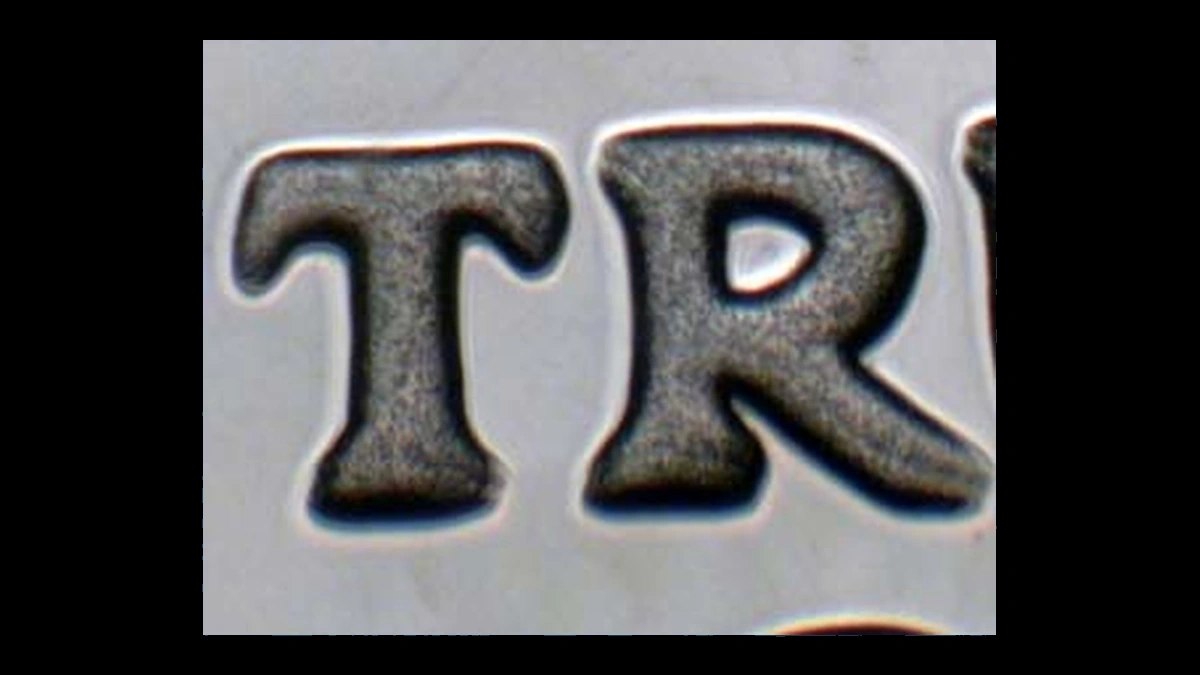
On the recognized 1992-S silver FS-101, WE TRUST is the clearest place to begin. Additional reported detail appears at 92, parts of RTY in LIBERTY, and the mintmark.
The repeated detail was in the die before the coin was made. The multiple blows used to produce a proof do not automatically create a doubled die.
How to Identify
Confirm silver-proof identity from certification or compatible metal evidence before comparing letters. San Francisco also made clad proofs, which can be reflective and carry S without being this silver variety.
Compare WE TRUST with the identified FS-101 example. Then inspect the same extra shapes at the last date digits, RTY, and the mintmark.
Move the light to separate raised duplicates from reflections. A flat shelf caused by striking movement does not establish the variety even on a high-grade proof.
Preserve the delicate surfaces and use existing holder information where possible. The value comparison requires both silver manufacture and a correct diagnostic match.
What It’s Worth
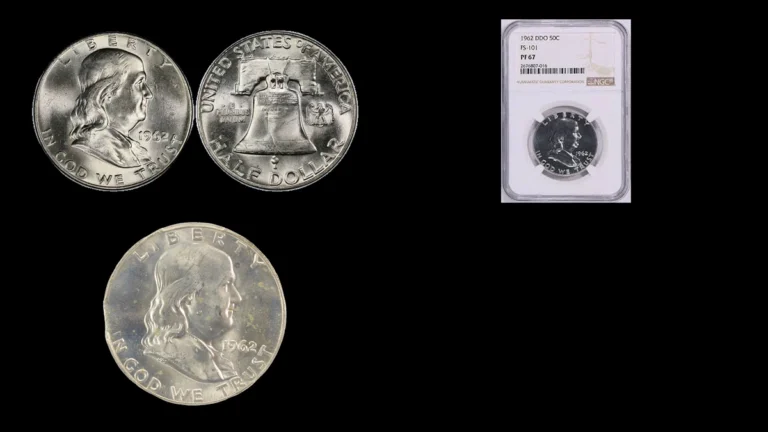
Estimated ranges: $2,000–$3,500 for grades 68–69 with strong contrast, and $5,000–$7,500 for Proof70. The latter grade means no visible imperfections at standard grading magnification.
GreatCollections records $6,750 for NGC Proof70 Ultra Cameo in February 2026. A PCGS Proof69 Deep Cameo sold for $2,585 in September 2016.
These are comparisons for the identified silver variety. Ordinary proofs with thick-looking letters do not belong in the same range.
2. 1992 Half Dollar A Piece of Grooved Edge Left Its Pattern: Struck Through Reeding Error
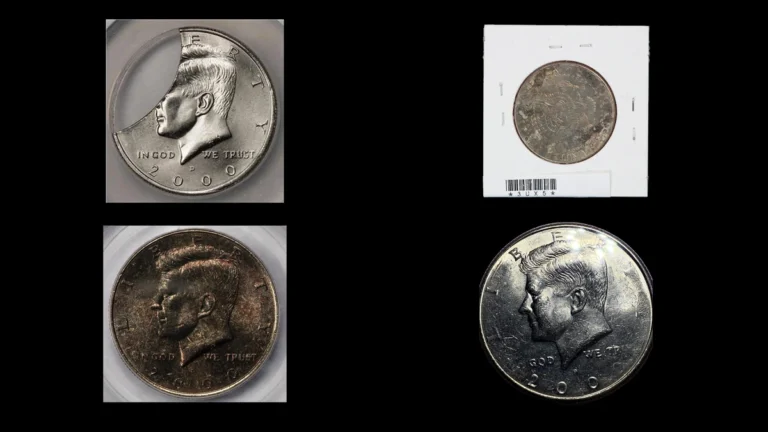
Heritage identified a front-side impression from a piece of reeding on a 1992-D. Reeding means the grooves around a coin’s edge.
The small edge fragment was between the die and blank during striking and impressed its pattern into the surface. The listing does not state that the fragment stayed attached.
How to Identify
Use the catalog photographs to locate the precise affected area rather than guessing from the title. Confirm the 1992 date and D before comparing the patterned depression.
Examine spacing, depth, and the way the impression meets the original design. Another coin’s edge can leave a row of later impact dents, so tooth-like marks alone are not sufficient.
Look for separate pushed-up lips and other evidence of post-mint impacts. A coherent impression formed with the struck surface should be distinguished from unrelated hits.
What It’s Worth
Estimated range: $200–$450 for a similarly clear and preserved example. The NGC MS64 coin sold for $336 on July 15, 2021.
MS64 indicates no circulation wear with some marks. An attached object, different obstruction, or much larger affected area would need separate comparisons.
3. 1992 Half Dollar A Thin Line Stands Above the Surface: Reported Die Crack Error
A cracked die can leave a fine raised line where metal enters its opening. The 1992-P reference lists the category without a photographed coin or fixed path.
It therefore does not establish a particular line through Kennedy or the lettering. A later scratch may also push metal upward beside a groove.
How to Identify
Confirm P and find both ends of the line under magnification. Trace its complete route through any adjacent design rather than naming it from one bright segment.
Illuminate from either side to distinguish a continuous ridge from a cut with displaced edges. Leave the mark untouched while examining its relation to the original surface.
What It’s Worth
Estimated range: $5–$20 for a small identifiable crack on an ordinary worn or unworn 1992-P. This is a guide range, not a realized price for a named example.
Clearer ridges and better surrounding condition support the higher comparison. A major rim-connected break would be outside this minor-crack scope.
4. 1992 Half Dollar A Curved Gap Interrupts the Edge: Reported Clipped Planchet Error
A clipped planchet is an incomplete blank that receives the design after part of its metal is already absent. Some genuine examples also have weakness in the opposite rim.
The 1992 reports supply no exact mint, finish, or clip size. They do not document a silver-proof clip.
How to Identify
Inspect both ends of the gap, where intact edge becomes the missing section. The nearby design should support striking after the blank was incomplete.
Fresh cuts, saw marks, or filing suggest later removal. Opposite-rim weakness can help but cannot establish authenticity by itself.
Compare weight with the appropriate metal standard and measure an intact width. The missing portion should account sensibly for the weight difference.
What It’s Worth
Estimated range: $25–$100 for modest genuine clips on ordinary 1992 halves, from worn through typical unworn condition. No specific mint or completed sale is established.
This is a whole-coin estimate, not a fixed amount for each percentage of missing metal. A verified silver-proof example would require a different comparison.
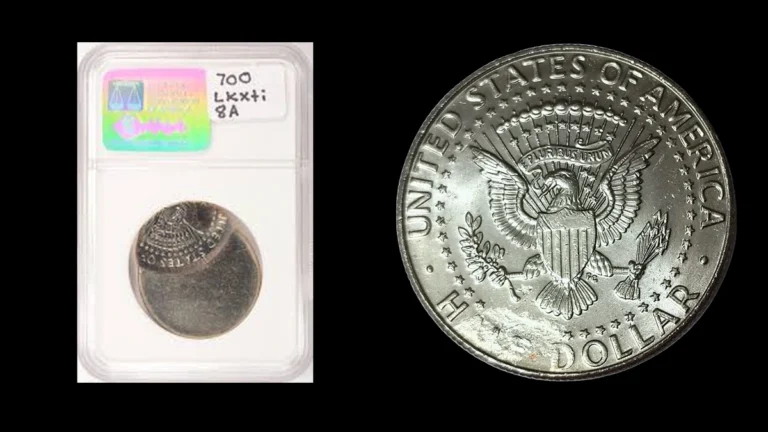
5. 1992 Half Dollar The Design Misses One Side of the Blank: Reported Off-Center Strike Error
An off-center strike leaves original bare metal in one area and incomplete design at the opposite edge. The blank’s position, rather than simply the direction of the design, was wrong.
The 1992 guide includes this category with general percentages rather than measurements of one identified specimen. Mint and finish must come from the actual coin.
How to Identify
Compare both faces and connect the missing design with the unstruck area. A shifted die can produce one uneven rim without moving the whole blank.
Inspect the boundary and surviving edge for grinding that removed design later. Preserve a readable date in the record before calling an undated Kennedy a 1992 error.
A rotated reverse is different: it changes alignment between the faces rather than placing part of the picture beyond the metal. Keep those observations separate.
What It’s Worth
Estimated ranges: $25–$100 for slight shifts, and $100–$600 for stronger readable-date unworn examples. These figures concern regular-metal coins.
A 1976 Kennedy struck 15% off center brought $480 at NGC MS64 in December 2025. That different-year sale supports the more conspicuous comparison group without specifying a 1992 coin’s appearance.
6. 1992 Half Dollar Full Designs Fit Within an Expanded Outline: Reported Broadstrike Error
A broadstrike spreads outward when the collar, the ring limiting the blank’s diameter, does not contain it normally. The complete design remains within the expanded metal.
The Philadelphia reference reports broadstrikes without a measured example. A flattened or hammered finished coin can also become wider.
How to Identify
Measure several widths beside a normal half instead of judging one broad-looking border. Confirm that the outer lettering and both pictures remain complete.
Weight should stay near normal because spreading does not remove metal. Check edge grooves and design for hammering, filing, or later flattening.
The evidence should combine actual expansion, intact designs, and a naturally formed edge. Missing design beyond one side calls for the off-center comparison instead.
What It’s Worth
Estimated range: $15–$40 for modest genuine 1992-P broadstrikes in ordinary circulated through unworn condition. The source provides a category estimate rather than a sale of a pictured coin.
Dramatic expansion, exceptional condition, or another error on the same piece needs a closer comparison. The modest guide range should not be stretched to cover every widened half dollar.
7. 1992 Half Dollar A Foreign Design Shape Appears Near the Portrait or Eagle: Reported Die Clash Error
Clash marks are transferred pieces of the opposite design. They originate when the dies meet without a blank between them, marking each other before striking later coins.
The 1992 reports name no specific mint, finish, or shape. Smooth areas near the main designs are places to investigate rather than established diagnostic locations.
How to Identify
Compare a normal coin of the same finish first. Then match the candidate shape with the opposite side in a position consistent with contact between the dies.
Several connected outlines offer stronger evidence than one suggestive line. Scratches, normal engraving, and color changes should be excluded from the proposed transferred pattern.
Retain the date, mint, and metal identity alongside close views. The general category does not imply that a silver proof has been documented.
What It’s Worth
Estimated range: $15–$75 for a subtle identifiable clash on a regular layered-metal coin. The source supplies no completed sale for a named specimen.
A clear transferred shape and clean surroundings support greater interest. Silver proofs or dramatic combinations of errors need comparisons outside this modest-feature estimate.
Conclusion
The silver FS-101 and documented reeding strike-through have specific reference coins, while several other categories remain broad reports. Use the exact diagnostic where available and avoid inventing a fixed path where the source gives none.
Estimated values of $5–$7,500 depend strongly on metal and preservation. The top range belongs to exceptional identified silver proofs, while the $336 strike-through sale and modest guide estimates describe different coins entirely.