Rare 2004 Penny Errors (List & Pictures)
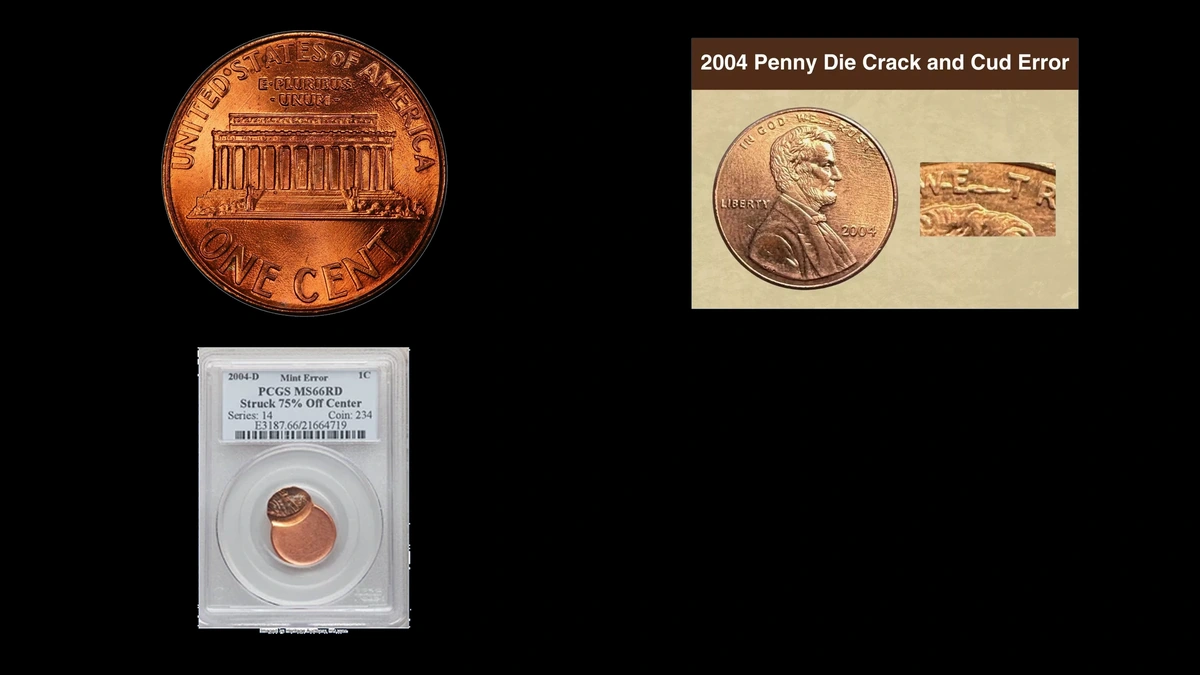
A 2004 penny can show unusual lettering even when its color and shape look normal. The recognized FS-801 doubled reverse brought $360 at Heritage in August 2021.
This guide to 2004 penny errors covers estimated whole-coin values of $2–$500. Begin with the lettering, then use the copper surface and side of the coin to separate defects that can look alike from above.
1. 2004 Penny Memorial-Side Letters Have Extra Outlines: Doubled Die Error
FS-801 concerns repeated detail on the reverse, including the E PLURIBUS UNUM and ONE CENT areas. The extra design was present on the stamping tool before the penny was made.
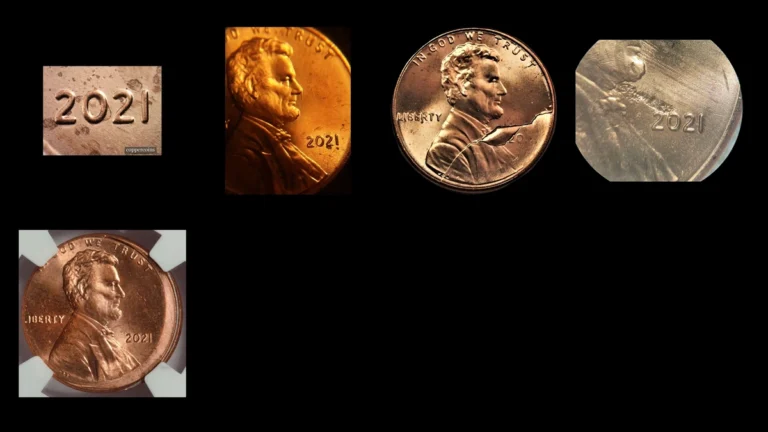
Separate front varieties include thicker LIBERTY letters with split corners in ERTY. Those patterns, and a Denver report, must be compared on their own rather than treated as one universal doubled penny.
How to Identify
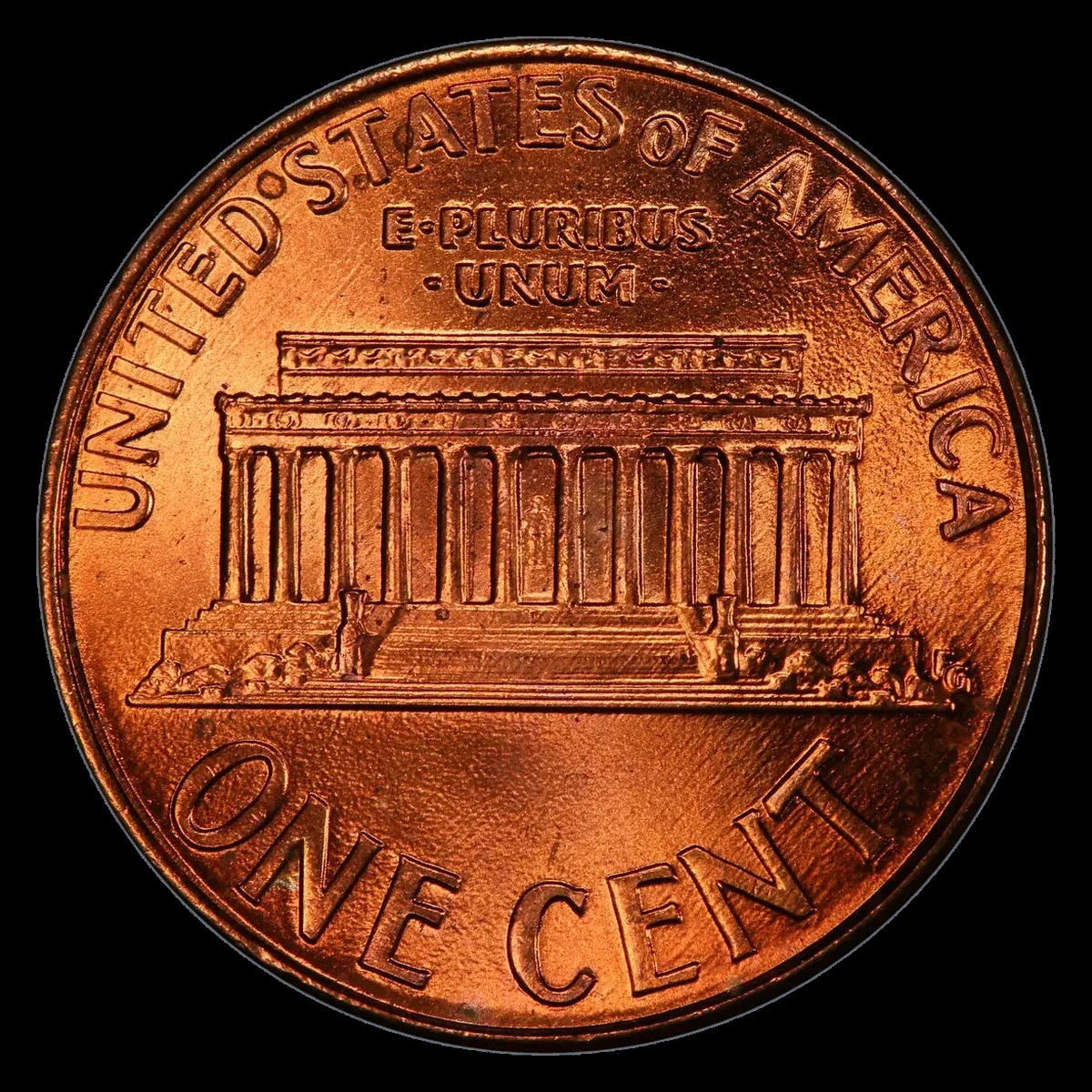
On the back, compare the actual FS-801 letter edges and nearby details instead of general softness. On the front, the Philadelphia Coppercoins reference shows the particular LIBERTY and ERTY pattern.
A flat shelf from striking movement differs from a repeated raised contour. Torn copper exposing gray zinc beside a letter can also imitate an extra bright edge.
Keep the mint and affected face attached to each close-up. Brown and red surfaces describe color differences, not additional doubling mechanisms.
What It’s Worth
$40–$400 is the estimated range for identified FS-801 examples. PCGS records the $360 result for an MS65 Red at Heritage in August 2021.
MS65 Red means unworn with relatively few marks and copper-red color. Minor separate front varieties have a lower estimated $5–$75 range.
A coin with both faces affected still has one whole-coin value. The reverse auction result cannot be applied to every thick front letter or added twice.
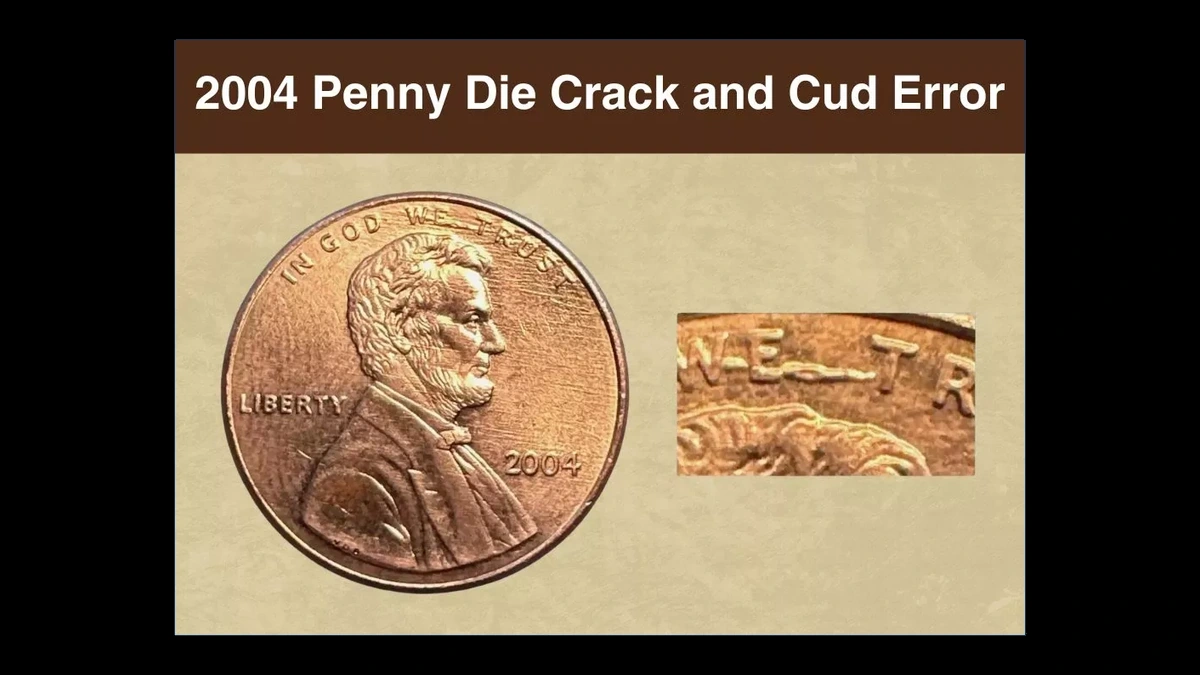
2. 2004 Penny An Extra Bar Fills the B–E Gap: Die Cracks and BIE Error
BIE is the name for an I-like raised bar between B and E in LIBERTY. A small piece missing from the die allowed metal to fill the gap during striking.
A narrow opening in the die can leave a raised crack line instead. Philadelphia and Denver reports cover these minor failures without making every nearby bump the same variety.
How to Identify
Keep LIBERTY upright and inspect the gap between B and E. The added bar should be part of the struck metal rather than loose material lying on top.
For a line elsewhere, follow a continuous ridge across the actual design. Do not join unrelated marks into a supposed crack.
Side lighting helps separate raised metal from a scratched channel. Copper-coating bubbles can also make raised spots, so leave them untouched rather than pressing them.
What It’s Worth
$2–$25 covers the supplied estimate for small cracks and BIE bumps. More obvious attractive examples can fit about $25–$75.
The figures compare minor modern cent die breaks rather than a verified 2004 BIE auction. Several small lines on one cent do not multiply into separate full-price errors.
3. 2004 Penny Parallel Lines Stand above the Face: Reported Feeder-Finger Marks Error
The reported 2004-D lines are associated with a feeder finger, a part that moves blanks through the press. Contact could mark the die, which would then leave raised copies of those marks on later coins.
That proposed route differs from a part caught directly against a blank. Polishing a die can also leave similar-looking lines, so parallel direction does not settle the cause.
How to Identify
Move a light across the pattern and watch whether the lines stand up as ridges. Ordinary scratches cut into a finished cent instead.
Follow each line where it meets the portrait or lettering. Record the complete pattern before assigning it to a particular machine part.
Compare with an identified example and distinguish die-polishing lines. A sunken direct impression should not be relabeled as the same raised-line mechanism.
What It’s Worth
$5–$100 is the estimate for a clearly identified mint-made pattern. Strong visible ridges on clean surfaces are more appealing than faint unexplained lines.
No completed sale is supplied for the reported 2004-D. The feeder-finger name is useful only when the actual evidence supports it.
4. 2004 Penny Reverse Letters Fade beside Clearer Details: Struck Through Grease Error
A soft blockage can stop metal from filling some recessed details in the die. The reported 2004-D example concerns weak or missing lettering on the Memorial side.
“Struck through grease” describes the blocking effect without proving the material’s exact contents. The report does not require one particular letter to disappear on every coin.
How to Identify
Compare the weak words with higher Memorial details and the high points of Lincoln’s portrait. If all exposed areas are worn down, ordinary use may explain the loss.
Look for preserved original surface beside local weakness. A filled die can leave soft transitions, so a sharp-edged hollow is not required.
Check both faces for grinding or chemical roughness. Missing letters need an original striking explanation rather than simply being hard to read.
What It’s Worth
$5–$40 is the estimate for smaller confirmed blocked areas. More conspicuous missing detail on an attractive coin can fit about $40–$200.
A 2021-D Shield cent struck through grease sold for $84 in September 2025. Its different reverse makes it a price comparison, not a matching diagnostic photograph for a 2004 Memorial cent.
5. 2004 Penny The Copper Skin Bubbles or Peels: Plating Separation Error
A modern cent has a zinc center covered by a thin copper coating. The reported Philadelphia 2004 defect concerns that coating lifting or separating.
Some descriptions call it lamination, but it differs from an internal split in an older solid-alloy cent. Corrosion after minting can also lift copper, making the attachment and surrounding surface important.
How to Identify
Keep any bubble or flap intact. Its boundary can show whether copper naturally separated or was disturbed by scraping or corrosion.
Look for powdery deposits, gouges, or abrasion around exposed zinc. Distinguish a lifting coating from a blank that lacked copper before it was struck.
A normal cent weighs about 2.50 grams and measures 19.05 millimeters with a smooth edge. Tiny coating loss may barely affect weight; a much lighter coin may have additional damage.
What It’s Worth
$5–$30 is the estimate for small confirmed plating defects. Larger clear original separations can fit about $30–$150.
The reported Philadelphia example has no supplied selling amount. These ranges compare original modern-cent coating flaws, not corrosion or chemical stripping.
6. 2004 Penny Most Copper Was Absent before Striking: Unplated Blank Error
A certified Philadelphia 2004 cent was struck on an 85% unplated zinc blank. It retained some copper, so it was not completely unplated.
PCGS graded it MS63, meaning unworn with noticeable marks. Here the missing coating was part of the blank’s condition before the design was struck, rather than a later peeling surface.
How to Identify
Use the certified example to compare gray zinc, remaining copper, and the design crossing those areas. The 85% figure describes that specimen, not a required pattern for all genuine unplated cents.
Inspect for scraped edges, corrosion, or rough chemical stripping that could remove copper later. Silver-gray appearance by itself does not identify dime metal or an unplated blank.
Leave a certified coin sealed. The important relationship is original struck design formed on an incompletely coated zinc blank.
What It’s Worth
$75–$500 is the estimate for authenticated substantial unplated-blank errors on 2004 cents. Coverage, surviving color, and surface preservation influence the comparison.
The 85% unplated PCGS MS63 sold in May 2026 with its final price hidden from public view. The estimate is not that undisclosed result.
7. 2004 Penny A Side View Reveals an Edge Step: Partial Collar Error
The reported Philadelphia partial-collar cent may look nearly ordinary from above. Only part of the blank was held inside the ring that limits metal spread during striking.
The exposed portion expanded farther than the restrained portion, creating different edge levels. A later dent or rolled rim needs to be separated from that original shape.
How to Identify
Compare the edge sideways with an ordinary cent and follow the division around the coin. Note where it starts, stops, or changes height.
Look for metal squeezed inward after striking rather than simply spreading past the collar. An extra line visible on the face does not establish the side-wall step.
The edge is normally smooth, so the absence of grooves is irrelevant here. Avoid pressing measuring tools against a projection.
What It’s Worth
$15–$200 is the estimated range for genuine modern-cent partial-collar strikes of this type. Clear side-view separation and clean surfaces support stronger prices.
The 2004 report gives no verified selling amount. A slightly uneven rim is a weaker comparison than an identifiable transition between held and expanded metal.
8. 2004 Penny Extra Width Surrounds the Full Design: Broadstrike Error
The 2004-D report concerns a coin whose blank spread without proper collar restraint. The resulting design can sit unevenly within an enlarged outline while remaining complete.
Being off-center within that wider shape does not by itself turn a broadstrike into an off-center strike. Actual design loss is the useful distinction.
How to Identify
Measure several widths and trace all the outer wording on both faces. The date and intended designs should stay on the expanded metal.
Later flattening can increase diameter but often crushes letters and high points. Inspect for that damage instead of relying on a large-looking photograph.
Broadstriking moves metal outward without deliberately removing a piece. Weight can remain near the normal standard despite the changed outline.
What It’s Worth
$20–$350 is the estimate for genuine 2004-D broadstrikes, from modest expansion to stronger attractive examples. A clear wide border helps display the effect.
No recovered auction amount is claimed for the reported coin. Surface preservation and evidence of original spread matter as much as extra width.
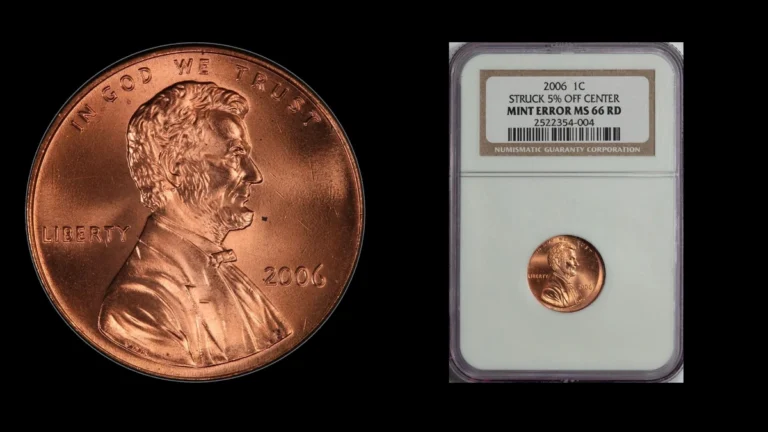
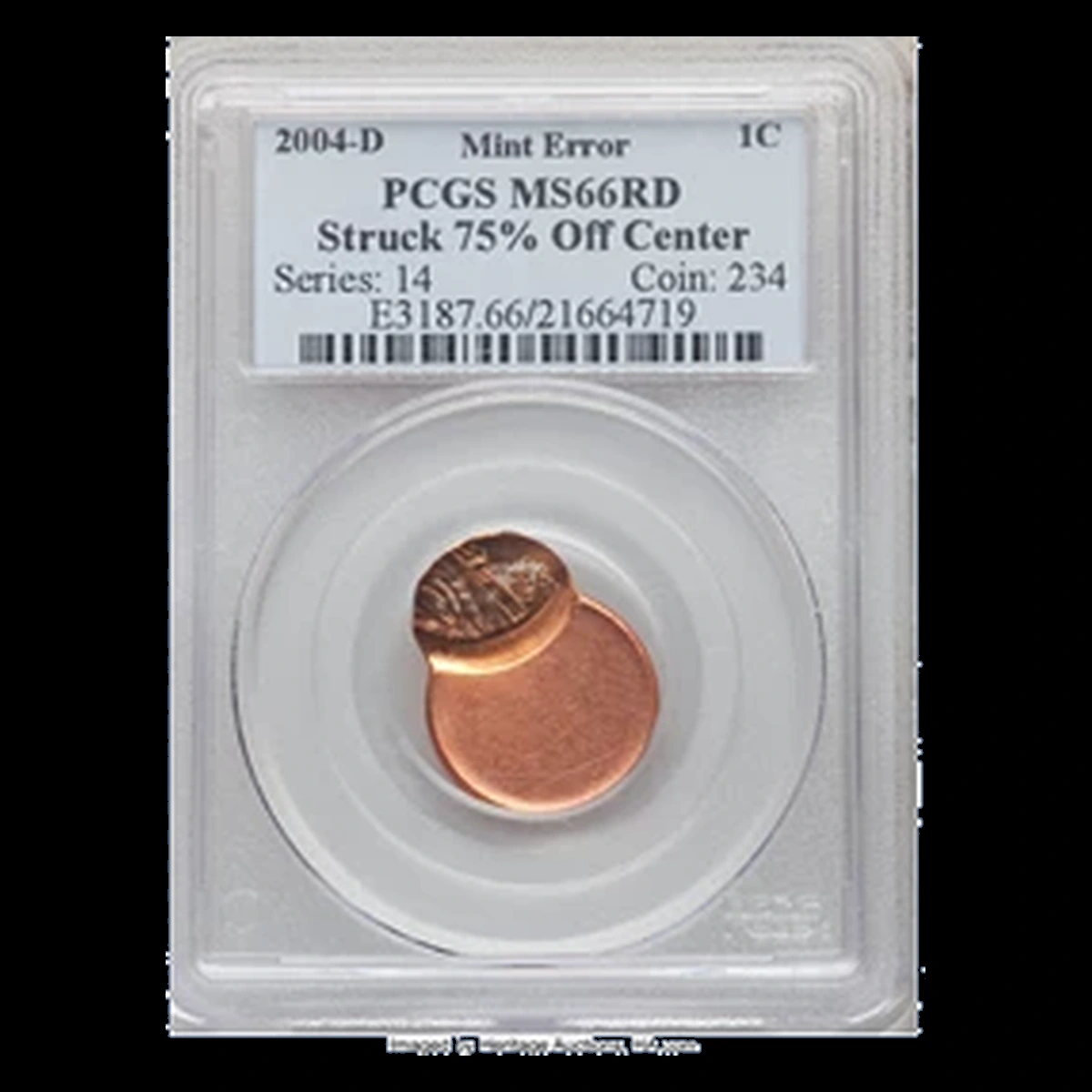
9. 2004 Penny An Unstruck Crescent Sits beside Incomplete Design: Off-Center Strike Error
The reported Philadelphia example is about 30% off-center. Part of the blank missed the dies, while some intended design fell beyond the available metal.
The percentage describes displacement without giving its clock direction. That direction must come from the full coin, not a general error description.
How to Identify
Find the 2004 date before following the blank crescent. A partly missing last digit may leave the year less certain than the error type.
Compare the front and back at the same scale for related design loss. If only one die shifted, the opposite face may remain differently centered.
Inspect the plain metal for grinding and the edge for later cutting. Original unstruck surface beside incomplete designs is the evidence to preserve in the photographs.
What It’s Worth
$20–$100 is the estimate for smaller clear offsets. Stronger examples with readable 2004 dates can fit about $100–$500.
The reported 30% coin has no supplied verified auction result. A more dramatic shift is not automatically worth more if it removes the identifying date or accompanies heavy damage.
Conclusion
Match the exact letter shapes before using the FS-801 price, and keep separate front varieties with their own references. A common thick edge should not inherit the documented reverse sale.
For copper defects, the timing matters: lifting plating differs from copper missing before striking. Side views and complete outlines then help distinguish partial collar, broadstrike, and off-center errors without confusing them with later damage.