Rare 2007 Penny Errors (List & Pictures)
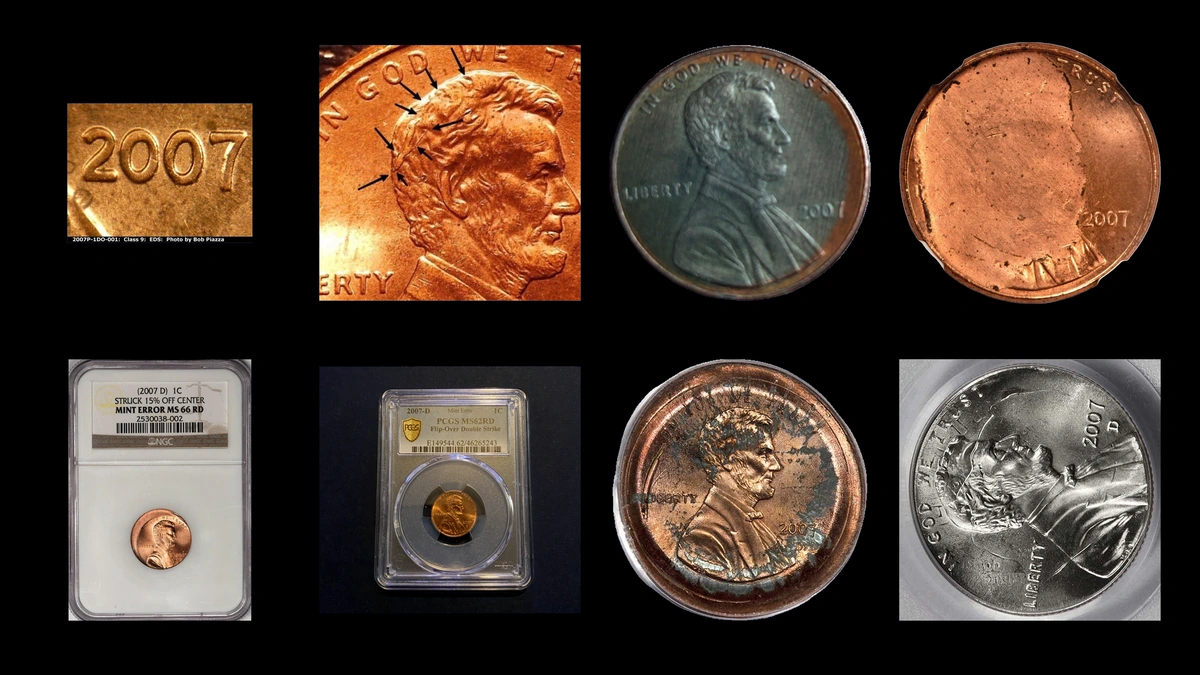
A 2007-D cent struck on a steel washer sold for $6,600 in March 2023. That extraordinary piece sits far above the small surface defects in this guide to 2007 penny errors, whose estimated values span $2–$8,000.
Begin with details in the design, then inspect the copper coating and the overall shape. Ordinary Memorial cents have a copper-plated zinc body, a smooth edge, a 2.50-gram weight, and a 19.05-mm diameter.
| Clue | Error group | Estimated value |
|---|---|---|
| Extra ear or Memorial detail | Doubled die | $5–$250 |
| Opposite-design trace | Die clash | $10–$150 |
| Raised line or solid lump | Die crack or interior break | $2–$150 |
| Rounded lifted coating | Plating blister | $2–$50 |
| Gray area without copper | Missing plating | $25–$500 |
| Weak detail or depression | Struck-through error | $5–$300 |
| Plain crescent | Off-center strike | $15–$500 |
| Portrait and Memorial overlap | Flipover double strike | $100–$800 |
| Cup-shaped coin | Reverse die cap | $200–$1,500 |
| Surviving dime design | Double denomination | $600–$2,500 |
| Design on an unusual object | Foreign-object strike | $2,000–$8,000 |
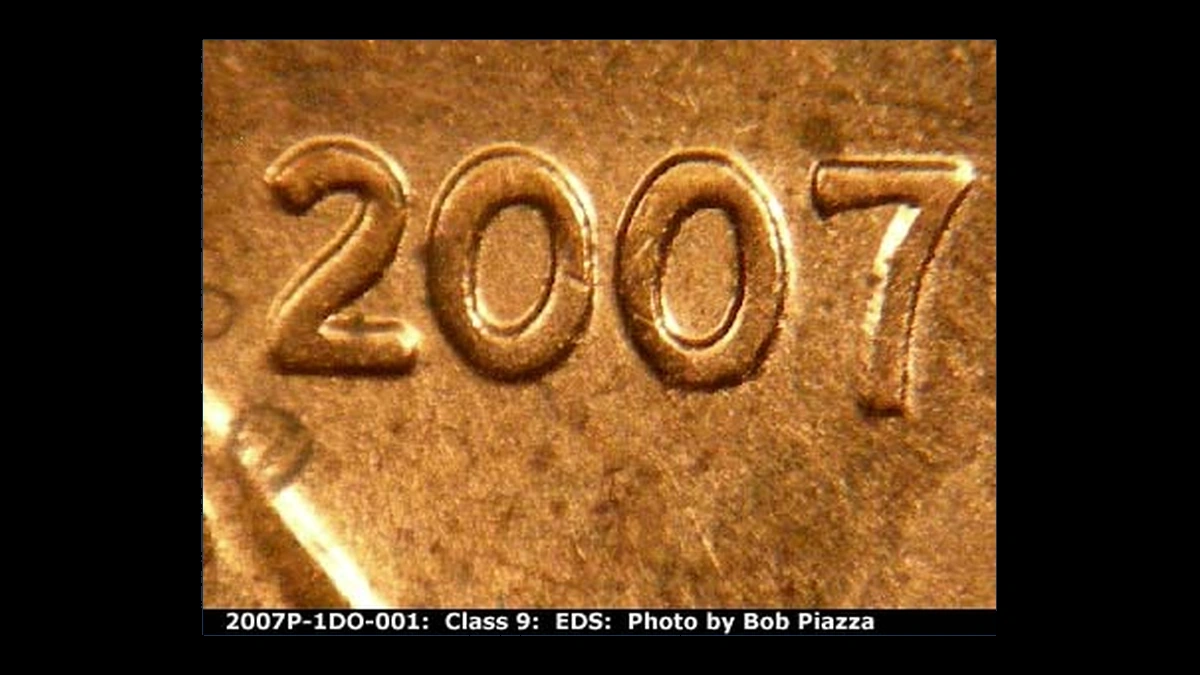
1. 2007 Penny Additional Ear or Column Detail: Doubled Die Error
Some 2007 varieties carry extra detail below Lincoln’s ear or around the Memorial’s central columns and seated statue. The die, or stamping tool, already held the repeated design before making the coin.
How to Identify
Select one specific feature and compare it with Wexler’s 2007 variety photographs. For relevant reverse varieties, examine the sixth and seventh columns and nearby parts of the statue.
Philadelphia front and reverse patterns belong to separate varieties, and the reported Denver doubled ear needs its own match. Wavy steps, flat strike-doubling shelves, or thick letters alone do not establish a doubled die.
What It’s Worth
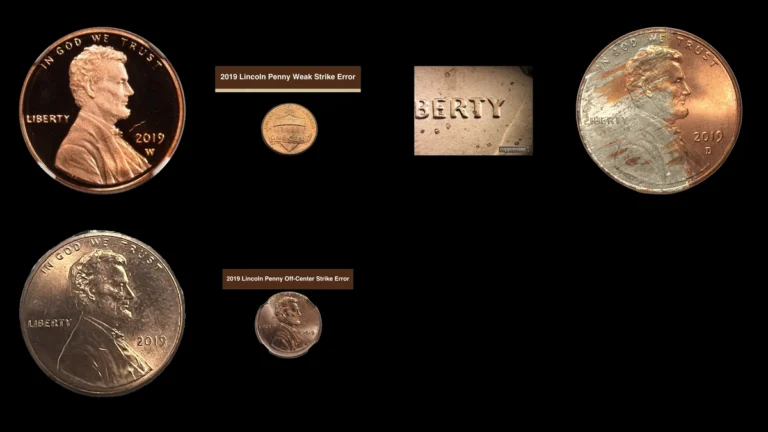
Correctly matched 2007 doubled dies have an estimated value of $5–$250. Clear extra shapes on well-preserved coins support stronger interest.
The range does not assign a sale record to every listed pattern. A precise variety match matters more than collecting several unrelated thick spots on one coin.
2. 2007 Penny A Faint Foreign Shape by the Columns: Die Clash Error
Small lines near the Memorial can reflect part of the portrait-side design. The dies may have touched without a blank between them, picking up marks that were then struck onto later cents.
How to Identify
For the recorded Philadelphia example, count columns from the left and inspect the lower-right area of the fourth column. Compare that trace with a confirmed clash photograph and the opposite design.
Denver clashes are also reported, but they do not automatically share Philadelphia’s exact mark. Use Memorial-cent comparisons for 2007, and exclude random scratches or lines borrowed from later Shield designs.
What It’s Worth
A recognizable 2007 clash has an estimated value of $10–$150. Sharper transferred detail and clean surfaces generally make a stronger example.
No auction result is supplied for the column-area specimen or separate Denver reports. The extra line needs a credible relationship to the opposite design.
3. 2007 Penny Raised Lines and Solid Bumps: Die Cracks and Interior Breaks Error
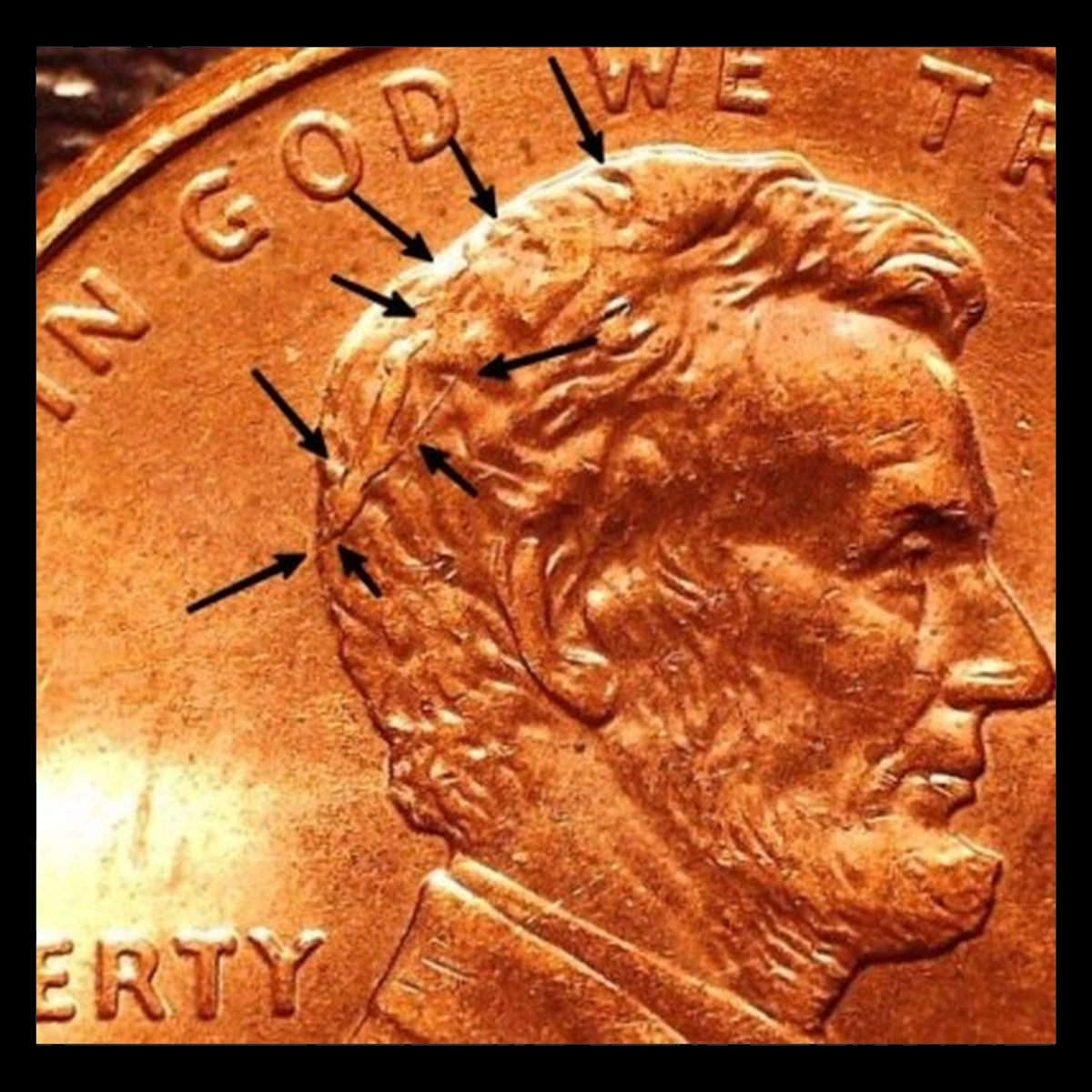
Metal can enter a crack or missing area in a die and form a raised feature on the coin. Philadelphia reports include head-area lines, interior breaks, and a reverse crack extending from C in AMERICA toward the edge.
How to Identify
Follow a head-area ridge toward the upper lettering or border under side lighting. A continuous raised line differs from a scratch that cuts into the finished surface.
A larger interior bump should belong to the struck metal rather than sit on top as debris or lifted coating. A fine crack reaching the border is not automatically a large rim break.
What It’s Worth
Estimated values for 2007 cracks and interior breaks range from $2–$150. Most fine lines are inexpensive; stronger, clearly visible breaks can be more appealing.
No confirmed sale is supplied for each reported location. Corrosion or scratches do not receive the same premium just because they resemble a variety photograph.
4. 2007 Penny Rounded Bubbles in the Surface: Plating Blisters Error
A blister forms when the thin copper coating lifts locally from the zinc beneath it. An illustrated 2007 cent has these rounded features on both faces.
How to Identify
View the bubble from several angles without pressing it. The Error-Ref plating examples help distinguish lifted coating from a solid feature copied from a damaged die.
Inspect the surrounding surface and edge for corrosion and flaking. Corrosion can also raise copper, so a bump’s shape alone does not settle when it formed.
What It’s Worth
Confirmed original 2007 plating blisters have an estimated value of $2–$50. Small bubbles may add little even when their origin is understood.
The illustrated coin provides evidence of appearance, not a reported sale. Minor blisters need not change the normal weight or diameter enough to be detected with basic measuring equipment.
5. 2007 Penny Zinc Shows Through: Missing Copper Plating Error
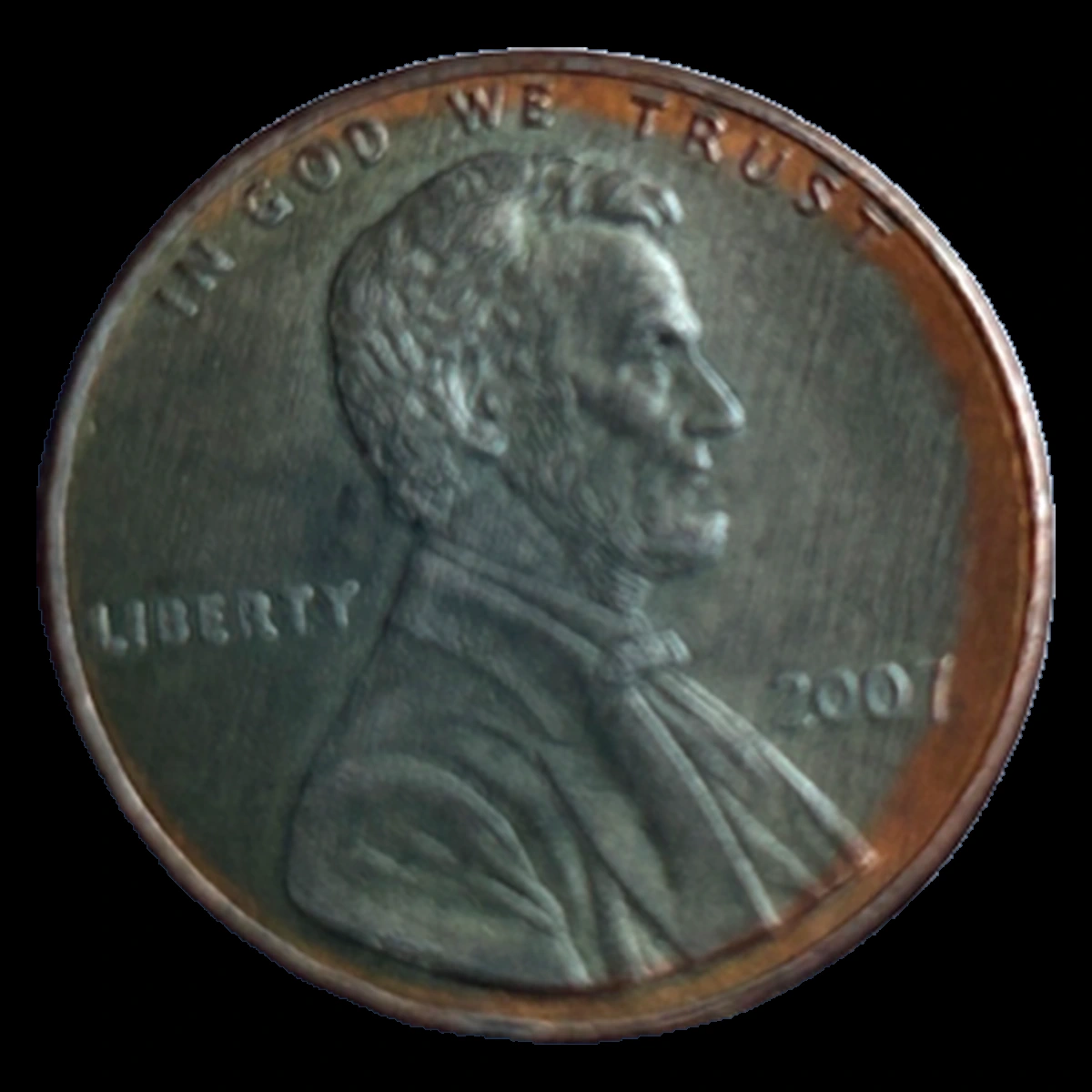
A reported 2007-D cent has part of its copper coating missing. The exposed zinc can appear gray, but the same color can result when chemicals, corrosion, or rubbing remove copper later.
How to Identify
Trace the copper-to-gray boundary across the design and inspect both faces and the edge. Sharp struck detail continuing across the boundary is useful, while pitting and scrape marks suggest other explanations.
The coating is thin, so a small loss may barely affect weight. Professional examination is especially useful before treating an unusual color as proof of a mint-made plating omission.
What It’s Worth
Confirmed missing copper plating on a 2007 cent has an estimated value of $25–$500. The amount affected and the quality of the original surface influence collector appeal.
No sale is supplied for the reported Denver coin. A chemically stripped penny falls outside this estimate even if it exposes the same zinc core.
6. 2007 Penny Design Is Blocked or Impressed: Struck-Through Error
Foreign material between a die and the blank can prevent detail from forming or leave an impression. A soft obstruction may produce weak lettering, while a harder object can create a more distinct boundary.
How to Identify
Examine where the affected area meets clear design, then compare nearby high points for wear. Scraping, corrosion, and dents can also remove detail after the coin is made.
The supplied 2007 report does not identify one universal location or material. Do not call a missing letter grease damage solely because it is faint, and keep the original surface untouched.
What It’s Worth
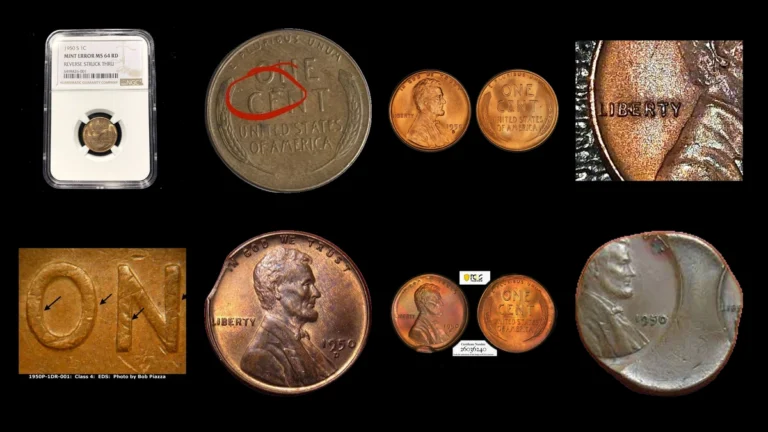
A genuine 2007 struck-through cent has an estimated value of $5–$300. A larger clear impression can attract more interest than modest blocked lettering.
A 2017-D front-side strike-through graded PCGS MS65 Red sold for $228 in March 2025. That unworn, copper-red coin is a different-year comparison, not a 2007 transaction.
7. 2007 Penny A Plain Crescent Remains: Off-Center Strike Error
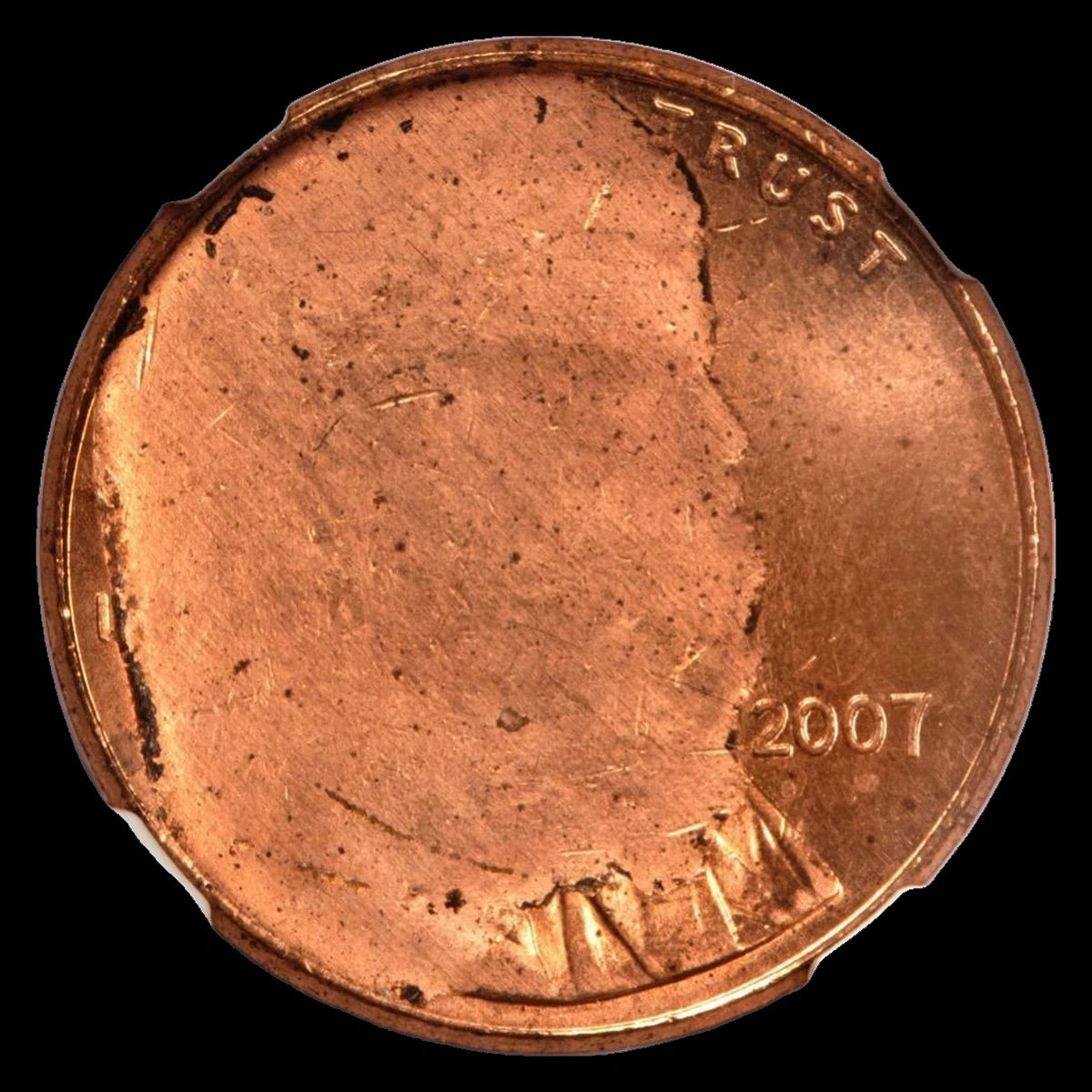
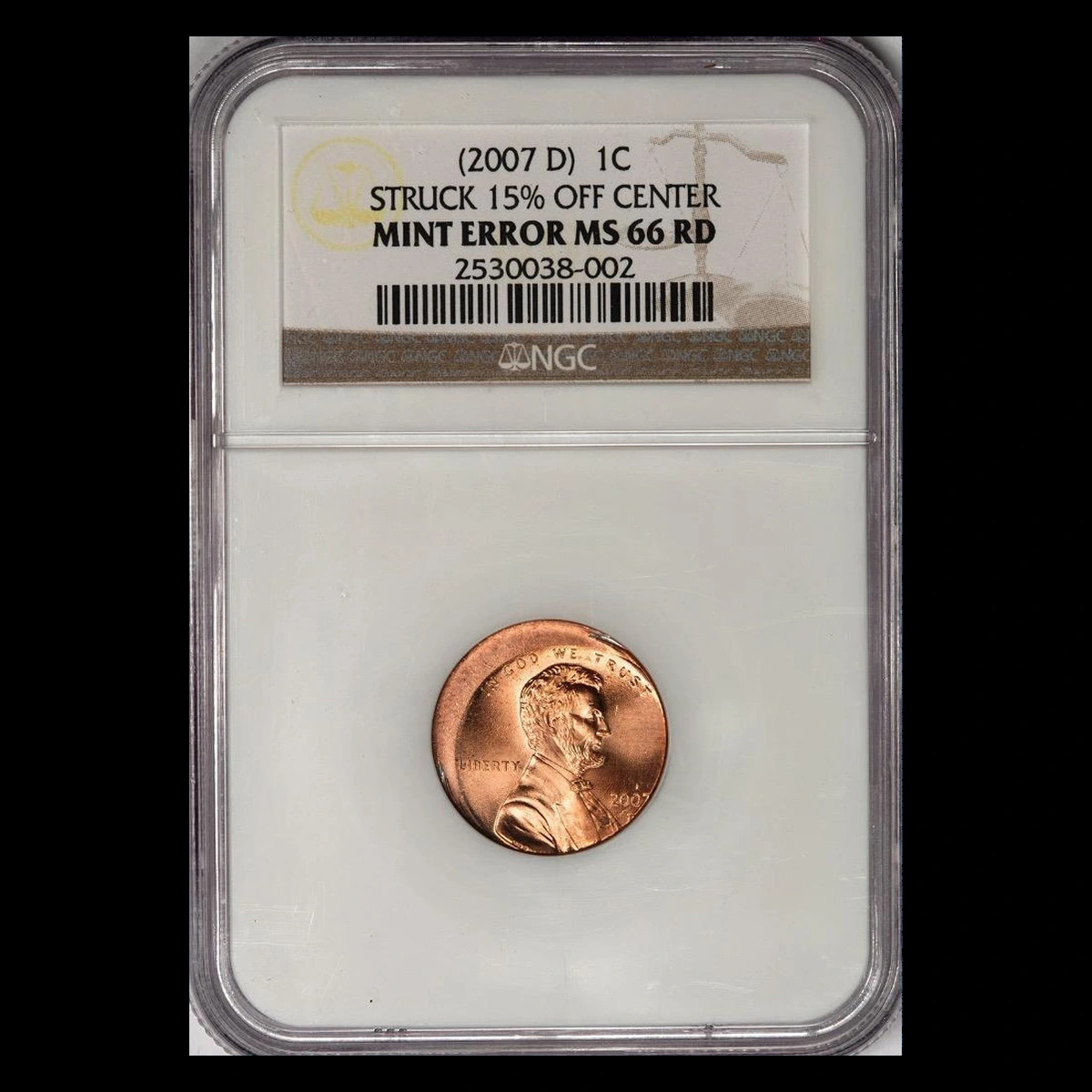
A blank that enters the dies out of position can receive only part of the intended design. Its unstruck area remains attached and can retain its copper coating.
How to Identify
Check both faces for compatible displacement and a readable 2007 date. The plain metal should meet original struck detail without grinding or scraping explaining the missing image.
Both Philadelphia and Denver examples are reported. A design shifted on only one face suggests another alignment problem, while a broad border with complete design calls for a different diagnosis.
What It’s Worth
Estimated values for identifiable 2007 off-center cents run from $15–$500. Date visibility, displacement, and preserved surfaces all matter.
A 2006 cent struck 4% off center and graded PCGS MS64 Red sold for $39 in March 2025. It offers a modest different-year reference, not a fixed price per percentage of offset.
8. 2007 Penny Lincoln and the Memorial Share a Face: Flipover Double Strike Error
A 2007-D flipover double strike has been reported. The coin turned over between strikes, allowing one design to overlap remnants of the other on the same face.
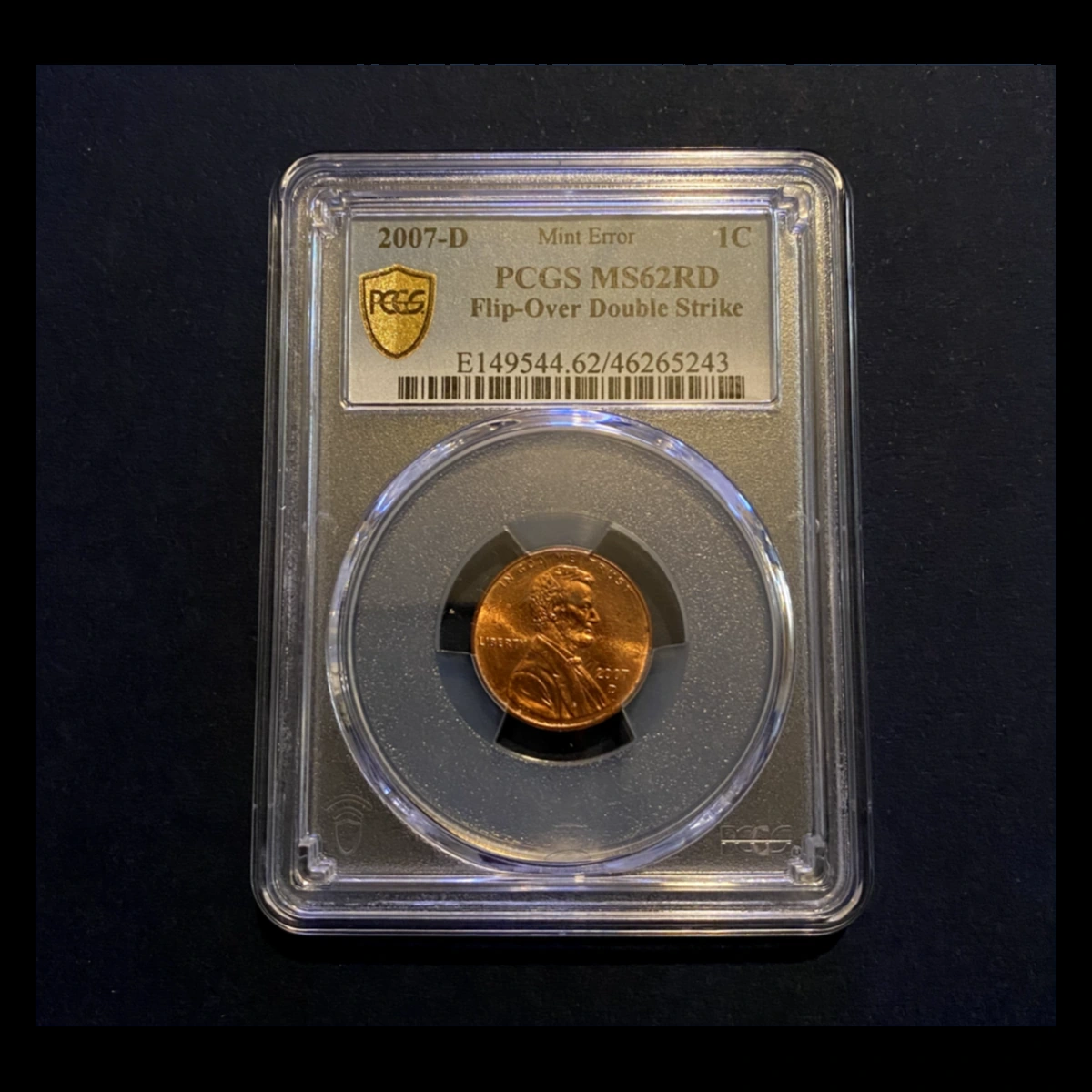
How to Identify
Locate recognizable parts of Lincoln and the Memorial, then trace their directions. Check the opposite face for a compatible sequence rather than judging one isolated overlap.
Two finished coins squeezed together can leave misleading impressions. Raised struck detail, metal flow, and the edge need to support a second mint strike rather than a sunken copy made later.
What It’s Worth
A genuine 2007 flipover double strike has an estimated value of $100–$800. Clear remnants of both designs and a readable date make the sequence easier to appreciate.
A 2000 flipover double strike graded ANACS MS62 Red sold for $408 in March 2025. It shares the Memorial design but is not a sale of the reported 2007-D coin.
9. 2007 Penny The Penny Becomes a Cup: Reverse Die Cap Error
A coin that sticks to a die can receive repeated blows and curl around it. The documented 2007-D reverse cap, graded PCGS MS63 Red, is described as multiply struck.
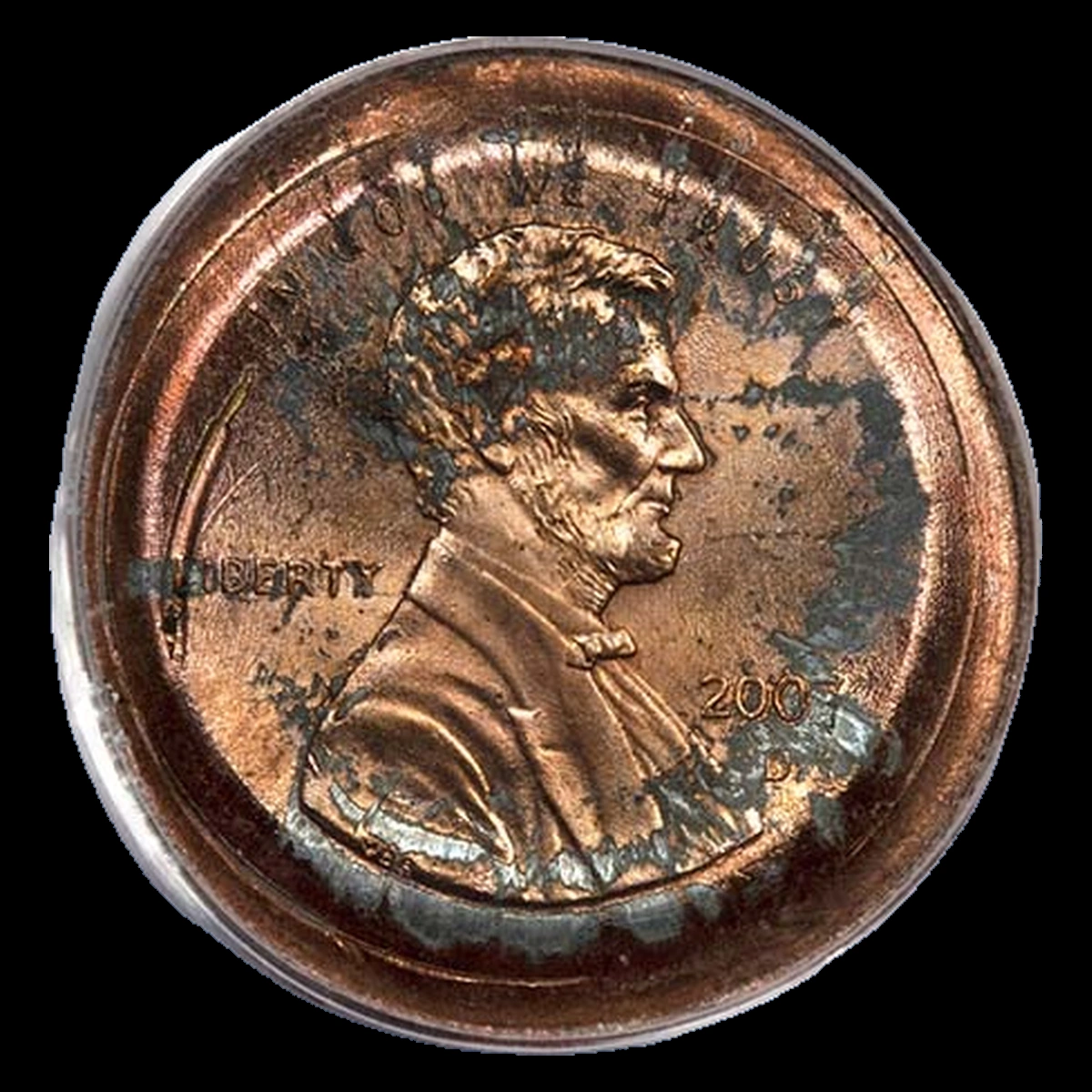
How to Identify
Look from the side for walls rising around the tool and stretched design that fits repeated striking. Sharp folds or later tool marks may instead show a flat coin that was bent.
“Reverse cap” identifies the die to which this coin attached. It is not the same as a separate coin struck beneath a cap, and the description does not establish an exact number of blows.
What It’s Worth
Authenticated 2007 die caps have an estimated value of $200–$1,500. The depth of the cap and recognizable surviving design affect appeal.
A 2000 front-side cap graded PCGS MS64 Red sold for $312 in June 2025. That different date and cap side provide only a broad comparison to the 2007-D reverse cap.
10. 2007 Penny Dime Details Survive Beneath Lincoln: Double Denomination Error
A previously struck dime can enter a cent press and receive the larger denomination’s design over its original image. Surviving Roosevelt, torch, or dime lettering establishes why this is called a double denomination.
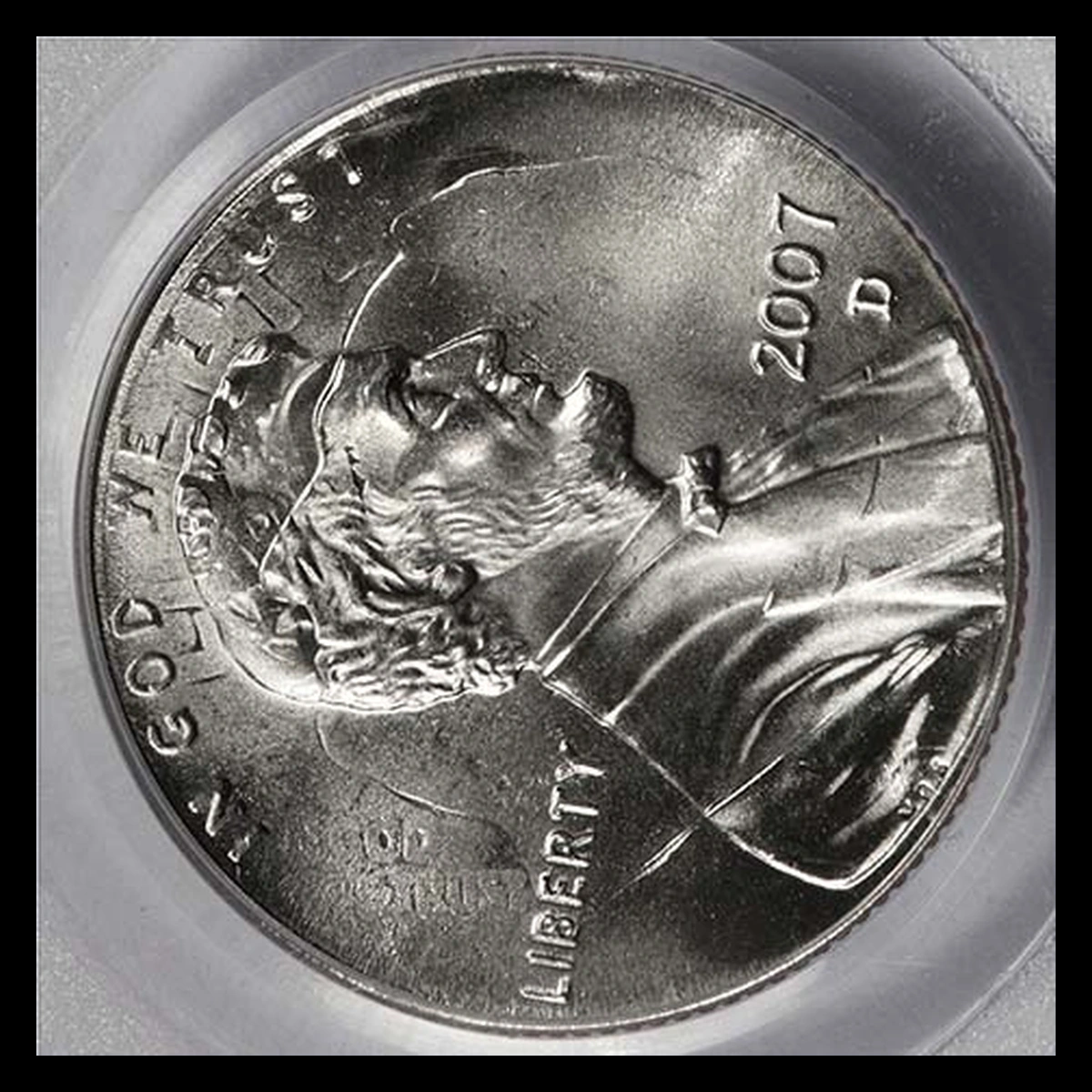
How to Identify
Search both faces for identifiable dime details beneath the cent strike. A cent struck on an unused dime blank would lack that earlier dime design and belongs to a different error type.
A normal dime begins around 2.268 grams and 17.91 mm, though a later cent strike can enlarge its outline and distort its reeded edge. Silver color alone is insufficient because stripped copper-plated cents can also appear gray.
What It’s Worth
An authenticated 2007 cent struck on a dime has an estimated value of $600–$2,500. The clarity of both denominations and surface preservation affect the comparison.
A 2007-D example graded PCGS MS67 sold for $930 in August 2022. Its high unworn grade and overlapping designs describe a specific coin, not every silver-colored 2007 penny.
11. 2007 Penny A Mint Strike on an Unusual Object: Feeder Fragment or Washer Error
Some objects carry a cent design despite never being intended as coin blanks. Documented 2007-D pieces include a steel washer and a fragment from the feeding mechanism that moves blanks into position.
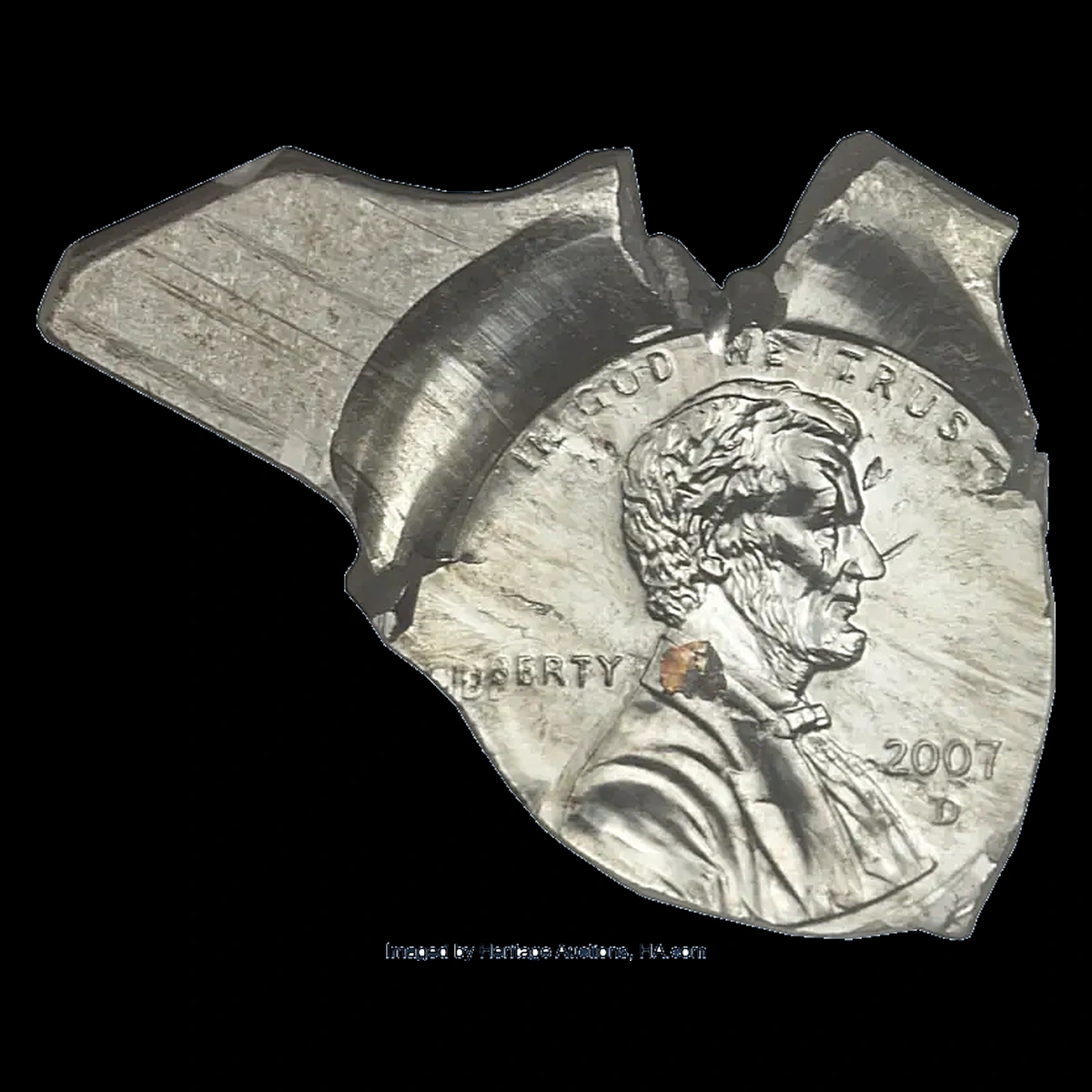
How to Identify
Record the object’s natural outline and how the strike meets its boundaries. A washer’s central hole must predate the strike; drilling a finished penny does not reproduce the same sequence.
The documented washer is magnetic and weighs 2.5 grams, showing that normal cent weight alone cannot identify the underlying object. A PCGS MS64 feeder fragment appears in a GreatCollections record, separately from the other recorded pieces.
What It’s Worth
Authenticated 2007 foreign-object strikes have an estimated value of $2,000–$8,000. Object identity, design coverage, and preservation are essential to a useful comparison.
The PCGS MS64 steel-washer strike sold for $6,600 in March 2023. A separate 2007-D feeder-finger-end strike graded NGC MS67 brought $4,406.25 in October 2012; neither amount belongs to the PCGS MS64 feeder fragment.
Conclusion
A raised bubble, a solid die-break lump, and an extra design contour can look similar at first glance. Their boundaries and relationship to the surrounding design reveal why they need different explanations.
At the dramatic end, authentication must establish both the genuine mint strike and the object beneath it. Keep fragile coatings and cup-shaped pieces intact, and compare Philadelphia and Denver varieties with their own Memorial-cent photographs.