Rare 2008 Penny Errors (List & Pictures)
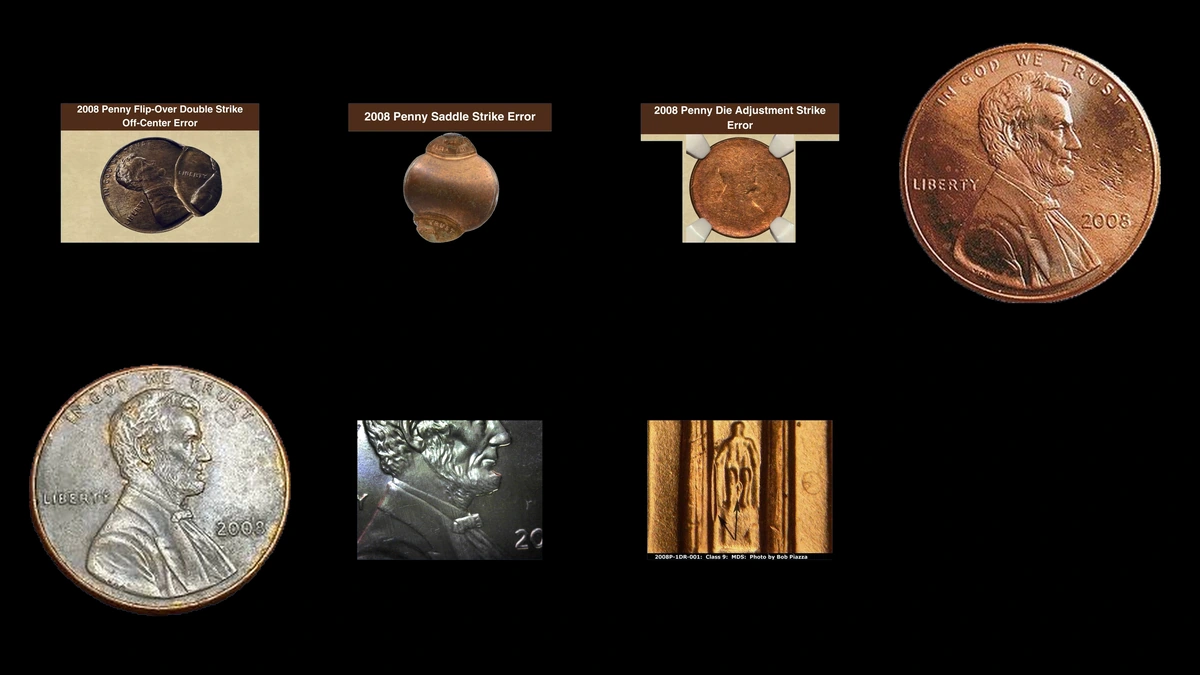
With a 2008 cent, look beyond the date: a raised bar in LIBERTY, pits beside Lincoln, and a backward building can each tell a different minting story. This 2008 penny error list covers twelve groups estimated at $2–$2,000.
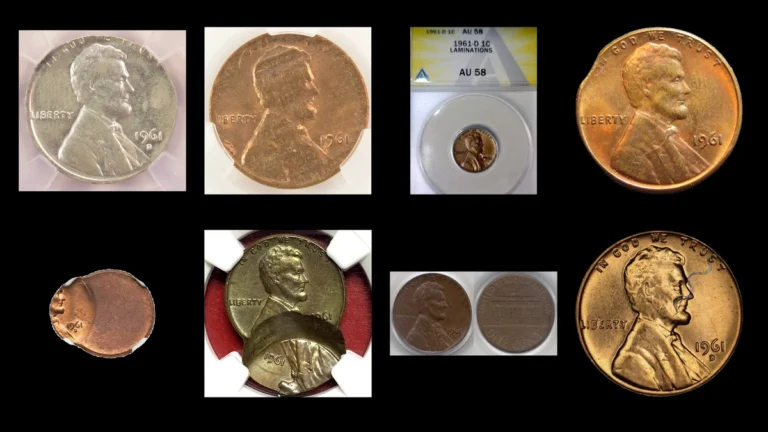
The supplied wrong-blank comparison sold for $372 in September 2025, but it was a 1981-D cent on a dime blank. Start with shape and metal, then work through impressions, surface marks, and tiny design details.
| First observation | Category | Estimated value |
|---|---|---|
| Unusual metal or measurements | Reported wrong blank | $300–$2,000 if authenticated |
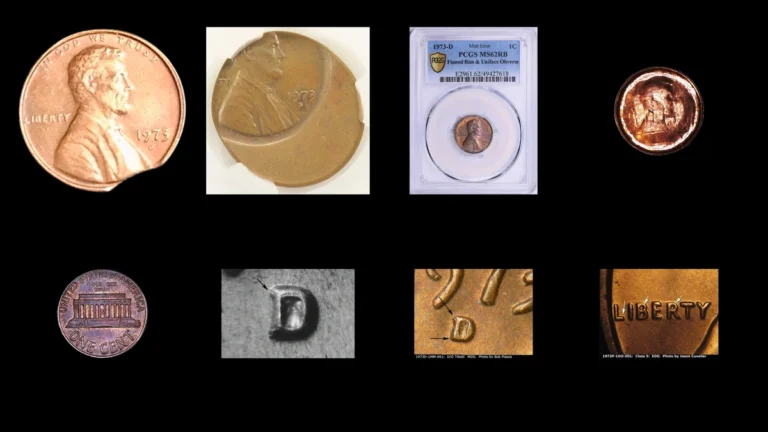
| A segment is missing | Clipped blank | $15–$250 |
| Expanded complete design | Broadstrike | $20–$350 |
| Incomplete design beside plain metal | Off-center strike | $20–$500 |
| Two struck areas and a raised bridge | Saddle strike | $100–$750 |
| Portrait and Memorial on one face | Flipover double strike | $150–$1,000 |
| Backward, sunken design | Brockage | $100–$1,000 |
| Broad faint detail | Low-pressure strike | $30–$400 |
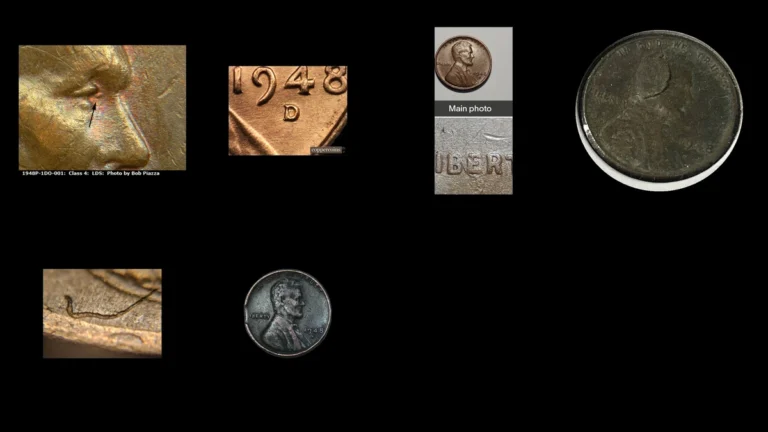
| Localized pits or a line impression | Strike-through | $10–$300 |
| Raised ridges, BIE, or rim patch | Die cracks, chips, and cuds | $2–$400 |
| Opposite-design traces near Lincoln | Die clash | $5–$150 |
| Extra letter or portrait contours | Doubled die | $5–$150 |
A normal 2008 cent weighs 2.50 g and measures 19.05 mm, with a smooth edge and copper plating over zinc. Its back shows the Lincoln Memorial; the Shield design did not begin until 2010.
Use a precise scale and calipers for accessible coins and a 10× magnifier for detail. Philadelphia also made satin-finish set coins in 2008, so match the finish when assessing a surface.
1. 2008 Penny Metal or Size Does Not Fit: Reported 2008 Wrong-Blank Cent Error
A genuine wrong-blank error carries cent designs on metal intended for another coin. The proposed donor blank must explain the actual composition and measurements.
Some accounts call the reported 2008 piece a British-pound-blank error. No independently confirmed specimen establishes that identity in the supplied evidence.
How to Identify
Record weight, diameter, and the metal visible at the edge before suggesting a country or denomination. Gray zinc exposed by stripped copper plating can come from a normal cent.
Inspect for filed borders and chemical roughness, then have the composition and strike examined professionally. A yellow color or larger outline cannot establish a British origin.
What It’s Worth
The conditional estimate is $300–$2,000 for an authenticated 2008 wrong-blank cent after its metal is identified. It is not a confirmed price for a British-pound blank.
A 1981-D cent on a clad dime blank brought $372 in September 2025. Its known domestic blank illustrates the mechanism without proving the foreign-blank report for 2008.
2. 2008 Penny Part of the Outline Is Gone: 2008 Clipped Blank Error
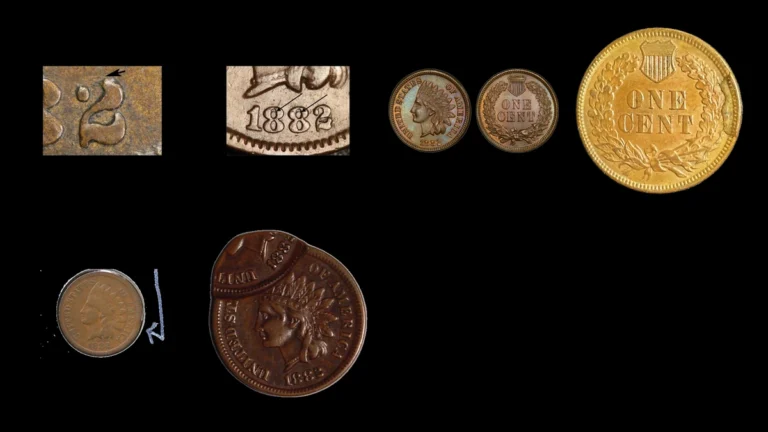
A curved clip can start where a blank-cutting punch overlaps a previously punched hole. A straight clip can form at the edge of the metal strip.
The incomplete disc then receives its design on the metal that remains. Reports for 2008 do not establish every possible shape or missing percentage.
How to Identify
Inspect where the gap meets the struck lettering and rim. A later cut may leave sharp tool marks or slice abruptly through already complete detail.
Weakness at the opposite rim can support an original clip but is not a universal requirement. Low weight confirms lost metal without establishing when it disappeared.
What It’s Worth
Genuine examples have an estimated $15–$250 range, with size, condition, and date survival all contributing. Small damaged clips provide weaker comparisons.
A 2021 Shield cent with a five-percent straight clip brought $114 in September 2025. The different reverse design makes it a price comparison rather than an exact 2008 match.
3. 2008 Penny The Full Design Sits on Wider Metal: 2008 Broadstrike Error
A complete Memorial within an expanded border can reveal that the collar failed to contain the blank normally. That ring controls outward spread during the strike.
The reported Philadelphia example concerns an ordinary circulation coin. Its smooth edge is normal for the denomination and does not independently prove a broadstrike.
How to Identify
Measure several widths, then trace outer lettering around both faces. Complete original designs should remain within the naturally expanded metal.
Crushed high points and pressure marks may instead show a normal cent widened afterward. Compare satin set surfaces with satin coins rather than assuming any different finish is part of the error.
What It’s Worth
Broadstrikes have an estimated $20–$350 range. More visible spread and cleaner surfaces can support stronger comparisons than slight expansion with wear.
The range draws on modern Lincoln cent errors rather than a documented sale of the reported 2008 Philadelphia coin. A larger diameter alone does not establish an error premium.
4. 2008 Penny The Picture Misses Part of the Blank: 2008 Off-Center Strike Error
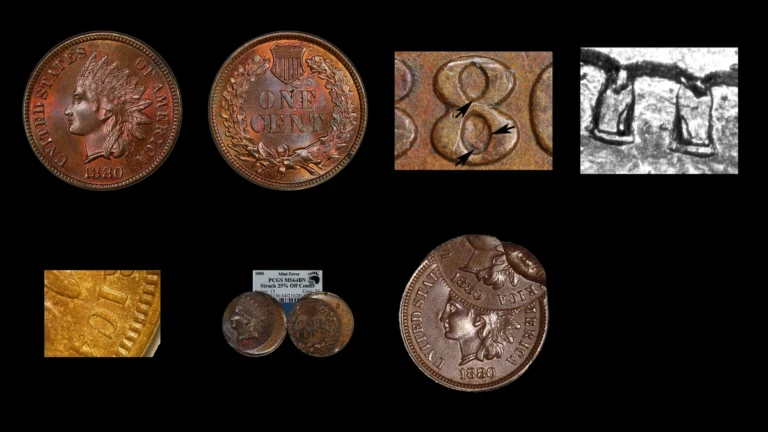
Plain metal beside incomplete Lincoln and Memorial designs indicates that the blank sat partly outside the striking position. Both faces record that same displacement.
The year must remain readable or be otherwise securely established. An undated Memorial cent described broadly as 2000–2008 does not identify the final year.
How to Identify
Photograph the full outline on both sides and locate the date before estimating displacement. One uneven border with a centered opposite face may reflect a shifted die instead.
Examine the supposedly blank area for grinding and the edge for filing. The broad report supplies no exact direction or offset percentage to borrow for another coin.
What It’s Worth
Small original offsets have an estimated $20–$100 range. More dramatic examples with a clear 2008 date can fall around $100–$500.
These are modern-cent comparison estimates, not a documented 2008 sale. A readable year may matter more to a dated collection than a larger missing portion of the picture.
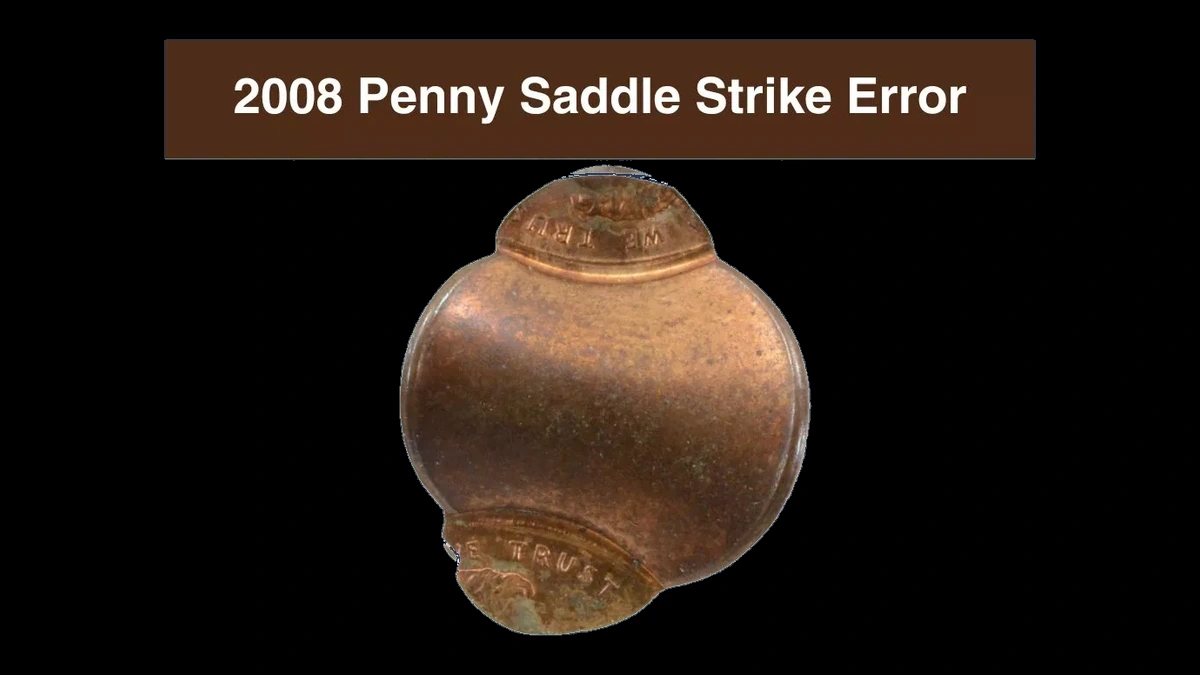
5. 2008 Penny A Raised Bridge between Two Impressions: 2008 Saddle Strike Error
Two separately struck portions joined by a bent middle give this error its saddle shape. It involves neighboring striking positions rather than an ordinary second impression overlapping the first.
The Philadelphia report does not establish a third central strike. The relationship between the two contact areas and their connecting bridge is the feature to examine.
How to Identify
View the coin from above and from the side without flattening the middle. Trace the original impressions into the raised bridge.
A penny bent later can also have a curved center, so check for plier marks and unrelated bending. The shape must fit the genuine struck areas, not merely resemble a saddle.
What It’s Worth
A genuine dated 2008 saddle strike has an estimated $100–$750 range. Clear strike areas and readable identity make the unusual form easier to assess.
A no-date cent described as double-struck and saddle-struck brought $94 in March 2025 in MS63 Red and Brown. That lower undated comparison does not establish a 2008 date or exact metal identity.
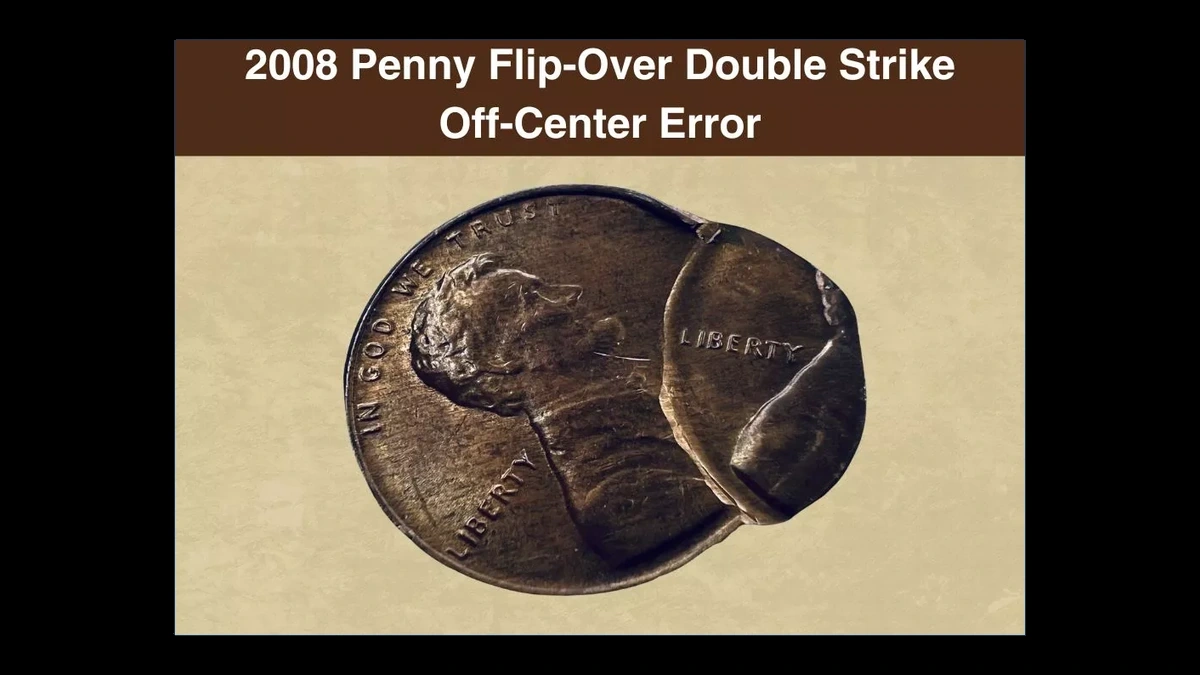
6. 2008 Penny Lincoln and the Memorial Share a Face: 2008 Flipover Double Strike Error
A coin that turns over between blows can receive the opposite design on an already-struck face. The reported Philadelphia example also shifted position, leaving displaced overlapping impressions.
This sequence differs from a doubled die, where extra detail is built into the tool. Here the coin received separate strikes after changing orientation.
How to Identify
Identify both portrait and Memorial details on the same side. A second date alone cannot demonstrate that the coin flipped over.
Follow the designs through their overlap and check the other face for a consistent sequence. Crushing or a backward impression pressed into a finished coin later may have a different origin.
What It’s Worth
A genuine dated flipover double strike has an estimated $150–$1,000 range. Clear overlap, preserved date, and attractive surfaces support better comparisons.
A 1979 cent with an off-center second strike brought $204 in September 2023. That older copper-alloy coin is a related double-strike comparison, not evidence of a 2008 flipover sale.
7. 2008 Penny Backward Letters Sink into the Surface: 2008-D Brockage Error
A struck coin caught between a die and the next blank can press its raised design into the fresh metal. The result is a sunken mirror image called a brockage.
The Denver report does not fix the affected face or extent of coverage. Those details must be read from the individual specimen.
How to Identify
Choose a clear letter and check both its backward direction and its depth below the surrounding surface. That combination differs from raised overlapping designs or faint clash traces.
Inspect the other face and edge for squeezing or later impacts. Coins pressed together outside the Mint can imitate a backward impression, making professional examination useful.
What It’s Worth
A genuine dated 2008-D brockage has an estimated $100–$1,000 range. Clarity and coverage affect where an example belongs.
An undated cent with a full front-design brockage brought $192 in March 2025 in MS62 Brown. Heritage’s archive also records the separate $94 saddle-strike comparison discussed above.
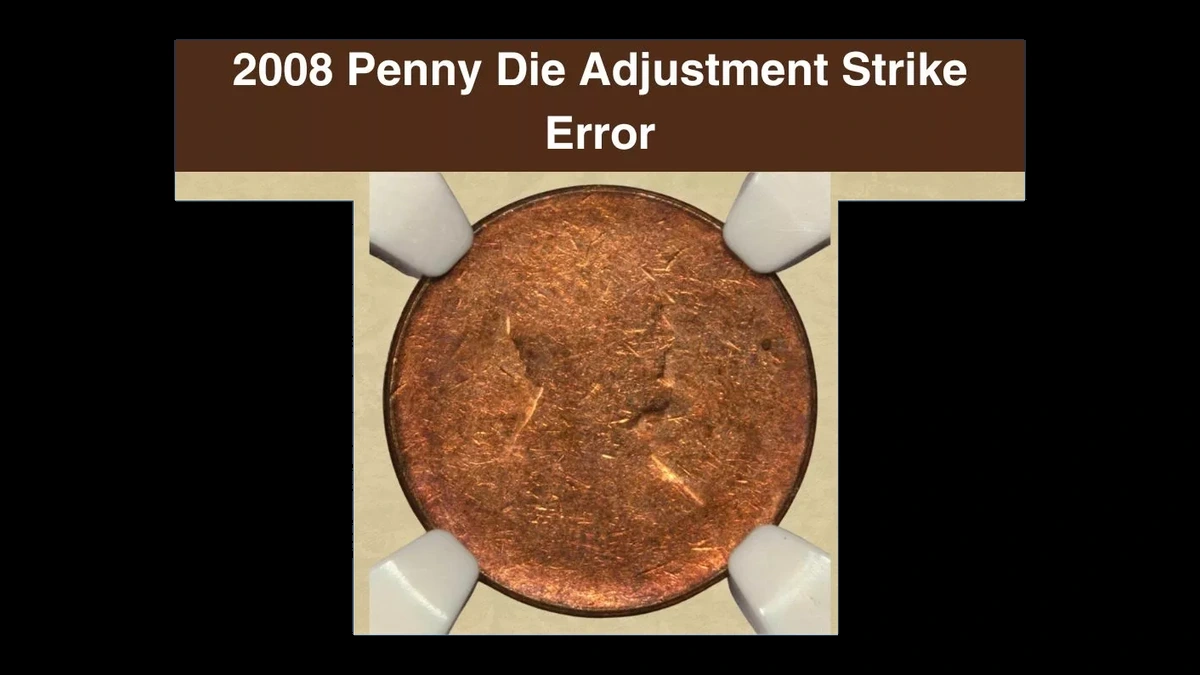
8. 2008 Penny Much of the Design Is Faint: 2008-D Low-Pressure Strike Error
Insufficient striking force can leave shallow original detail across a coin. The metal did not move fully into the recessed portions of the dies.
The reported Denver category is sometimes called a die-adjustment strike. Its appearance cannot prove that an operator was testing or adjusting the press.
How to Identify
Compare both faces with an unworn 2008-D and look for broad weakness alongside surviving blank texture. Smoothly rubbed high points are more consistent with wear.
A single weak letter may involve a clogged die instead of low pressure. Chemical damage or unusually low weight also needs an explanation before the faint design is assigned to this category.
What It’s Worth
Identified examples have an estimated $30–$400 range. Broad visible weakness with a readable date can be more interesting than slightly soft detail.
No verified 2008-D auction is supplied for this group. Calling a coin a test strike does not establish the mechanism or a price.
9. 2008 Penny Pits beside Lincoln or an Impressed Line: 2008 Strike-Through Error
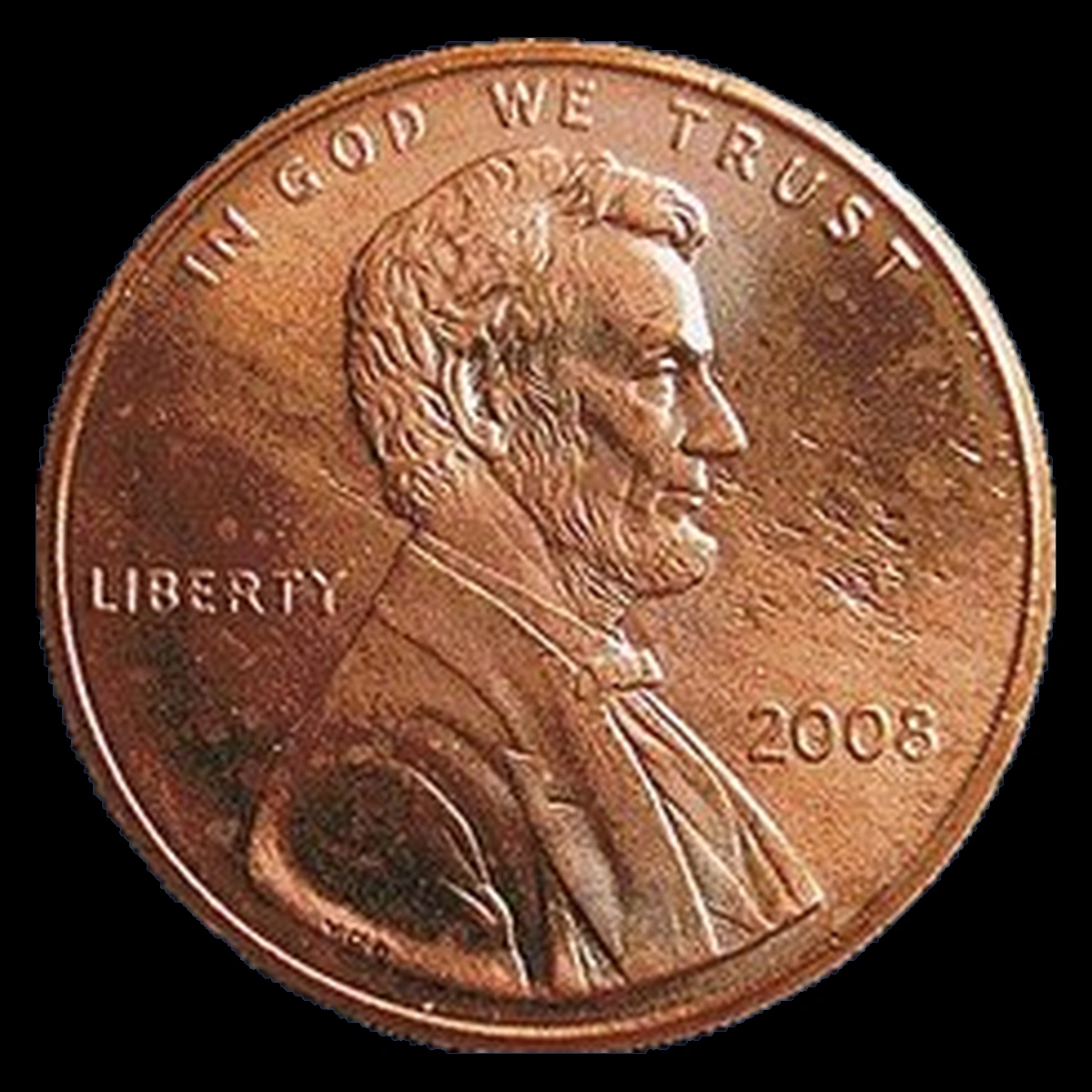
Mike Diamond described pits running mainly from upper left to lower right across the flat areas beside Lincoln. Their pattern stops at the raised portrait boundary.
He proposed gritty paste on the die as the cause, without a chemical identification of the material. A separate 2008 report concerns a line-shaped impression on the back.
How to Identify
In Diamond’s illustrated example, compare the pits’ direction and their termination against Lincoln. Random corrosion and scattered dents do not establish the same pattern.
For the separate reverse line, inspect how the impression interrupts the original design. Neither that line nor a proposed wire explanation establishes retained material on the coin.
What It’s Worth
Small confirmed strike-throughs have an estimated $10–$75 range, while distinctive patterned or larger impressions can fall around $75–$300. Neither described 2008 example has an adopted sale price.
A 2021-D grease strike-through brought $84 in September 2025. The different date and type of obstruction make it a broad modern-cent comparison.
10. 2008 Penny Raised Lines, BIE, and Rim Patches: 2008 Die Cracks and Cuds Error
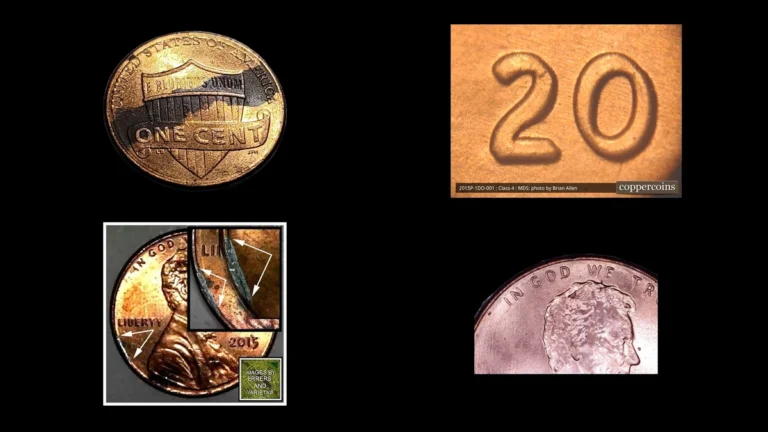
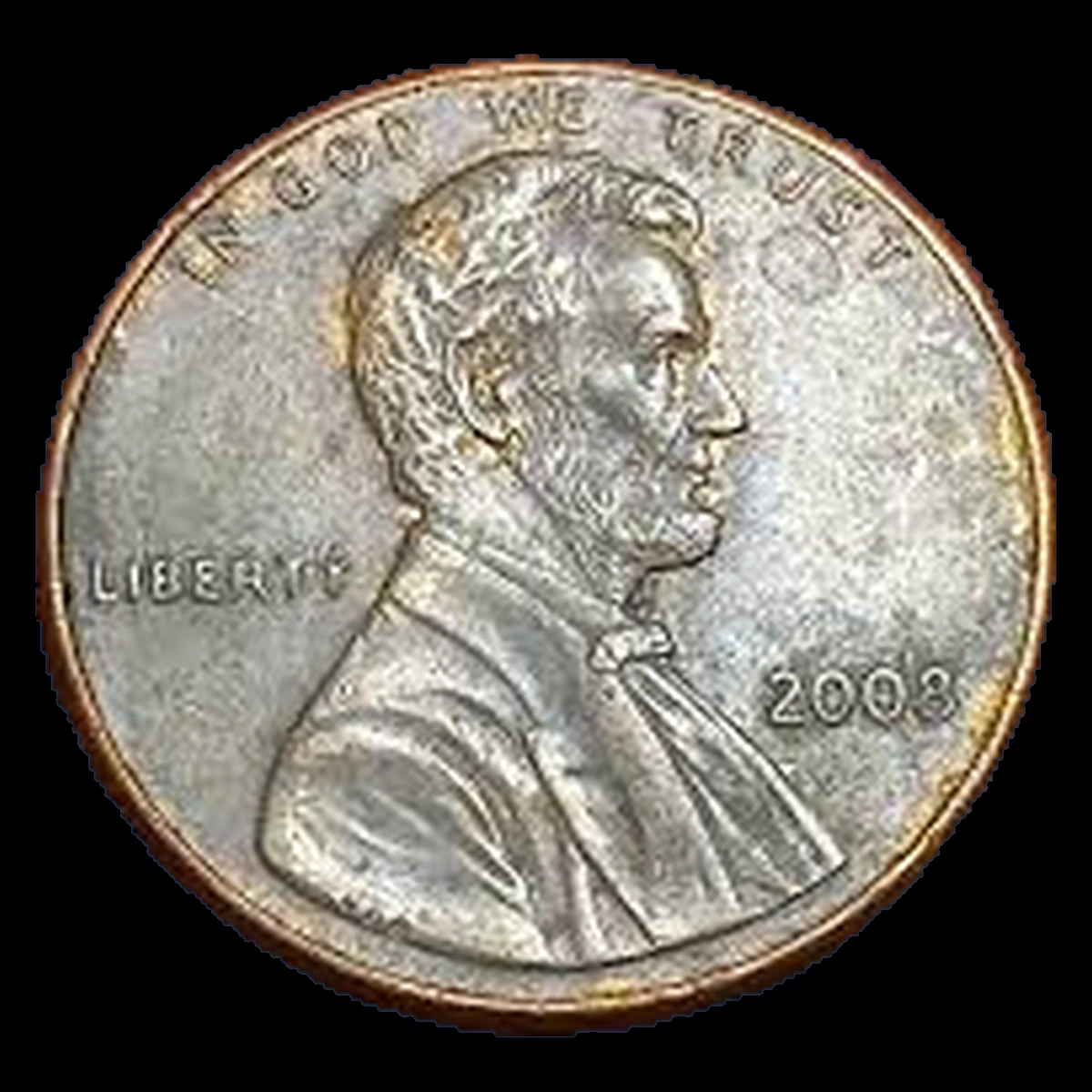
An I-like bar between B and E in LIBERTY creates the familiar BIE appearance. It can form when coin metal enters a small broken area in the die.
A narrow die crack produces a ridge, while a larger break connected to the rim produces a cud. An interior bump does not become a cud simply because it is large.
How to Identify
For BIE, inspect the B-to-E gap rather than the space between B and I. Use side lighting to distinguish raised metal from a scratch cut into the surface.
Follow larger patches to determine whether they connect to the rim. Plating bubbles and added material can mimic die damage, and no single clock position is established for this reported group.
What It’s Worth
Small cracks and BIE chips have an estimated $2–$50 range. Larger genuine rim cuds can fall around $50–$400.
A 2021-D retained-cud cent brought $186 in September 2025. Its broken die piece remained partly in place, making it a related but different form of damage to the tool.
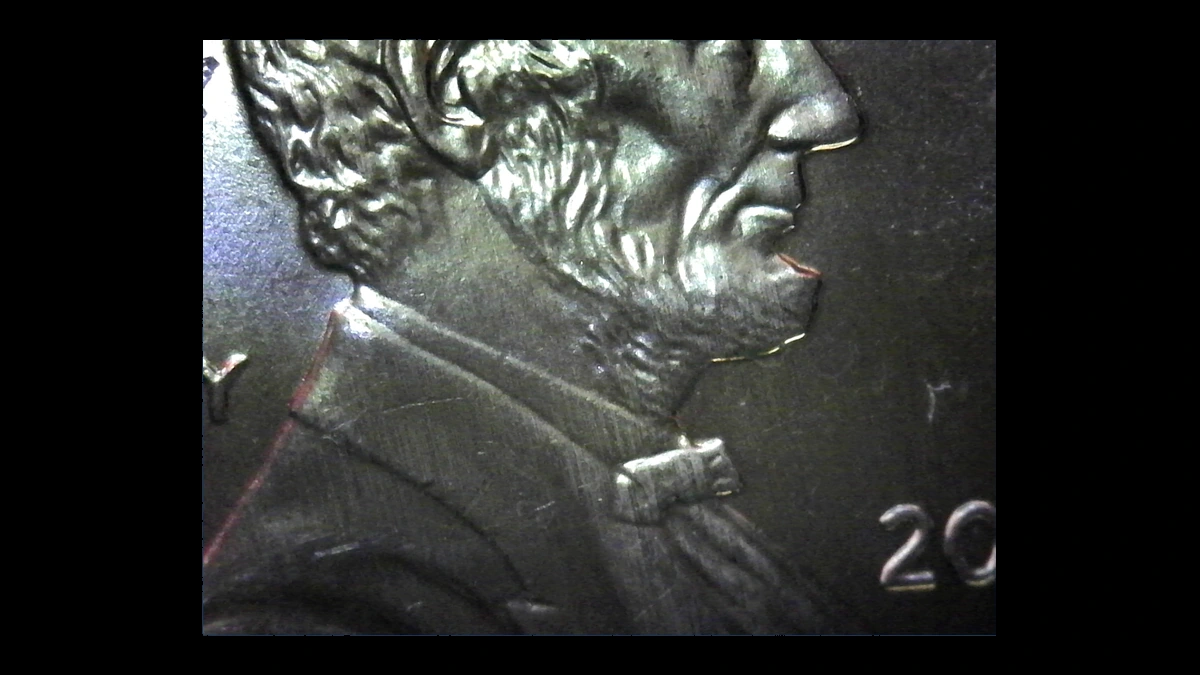
11. 2008 Penny Extra Lines Resemble a Beard: Reported 2008-D Die Clash Error
Some Denver reports describe faint marks near Lincoln as an extra beard. The proposed mechanism is contact between the dies when no blank separated them.
That contact can leave fragments of the opposite design on a tool and then on later coins. The nickname alone does not demonstrate a clash or a doubled portrait.
How to Identify
Compare the strange lines with the Memorial design and ask whether their locations fit opposing-die contact. A recognizable design fragment is stronger evidence than a general impression of more facial hair.
Check for scratches crossing finished detail or another kind of die defect. A sunken backward portrait is a separate question from faint clash traces.
What It’s Worth
Identifiable modern cent clashes support an estimated $5–$150 range. The upper comparisons need clear traces and appealing surfaces.
No verified sale is assigned to a particular 2008-D extra-beard report. Wear and scratches can reduce both visibility and collector interest.
12. 2008 Penny Extra Date, Portrait, or Column Detail: 2008 Doubled Die Error
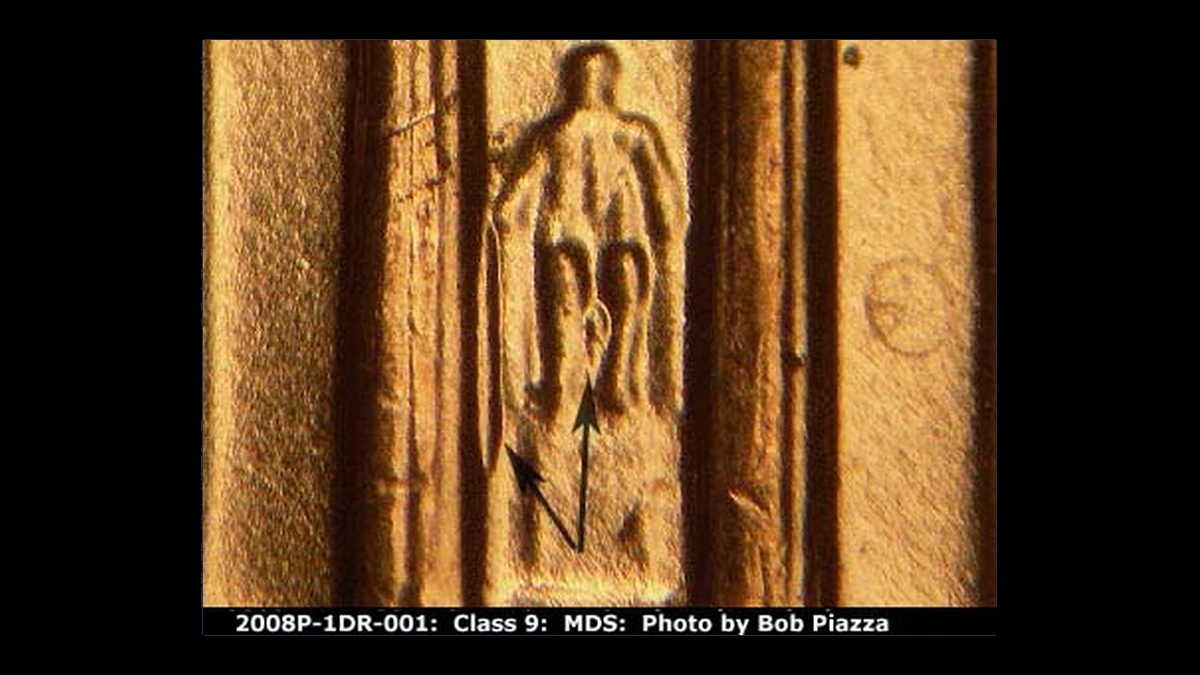
Repeated outlines may occur beside the date, LIBERTY, or reported eye and ear details when the die itself carries duplication. Every coin made with that tool can repeat its pattern.
Memorial-column doubling concerns a separately identified back-side variety. It is not a required partner to front doubling, and the extra-beard clash report should not be folded into the same diagnosis.
How to Identify
Compare the suspected feature with a confirmed example at the same location. For the reverse, examine individual Memorial columns rather than treating any thick column as doubled.
Change the light to exclude bright borders and look for a specific extra raised shape. Flat strike-movement shelves or general swelling from a worn tool are different explanations.
What It’s Worth
Minor identified doubled dies have an estimated $5–$40 range. Stronger separation on an attractive unworn cent may support approximately $40–$150.
These are modern-variety comparisons, not prices borrowed from famous early doubled dates. No one 2008 auction result applies to every doubled-looking letter or column.
Conclusion
Keep the entire 2008 coin in view when examining a tiny feature. Its Memorial reverse, readable date, metal construction, and second face help decide which comparison belongs with it.
The estimated $2–$2,000 range includes simple die chips and conditional wrong-blank claims. Distinguish separate strikes from backward impressions, preserve unusual shapes, and let evidence establish an error before a nickname or a high price defines it.