Rare 2016 Sacagawea Dollar Errors (List & Pictures)
A 2000-P dollar struck 50% off center sold for $3,120 in April 2021. That older eagle-design coin is a comparison for the reported 2016 Sacagawea dollar errors, whose estimated values span $20–$3,500.
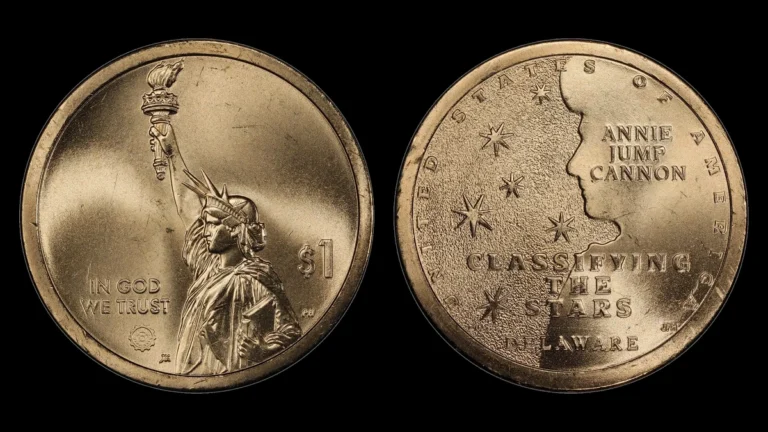
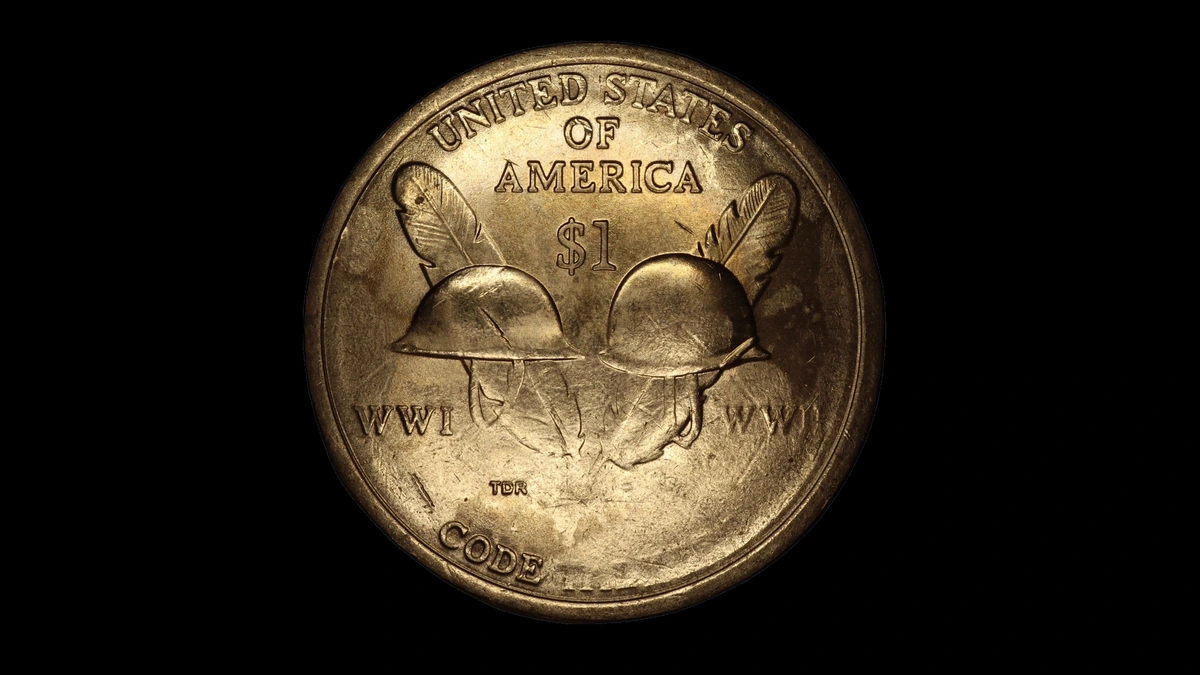
Identify the Code Talkers helmets and V-shaped feathers, then inspect the reverse detail and the entire edge before evaluating any displaced strike.
| What to inspect | Possible error | Estimated range |
|---|---|---|
| Local weak reverse detail | Struck through material | $25–$300 |
| Faint or interrupted edge text | Weak or incomplete lettering | $20–$250 |
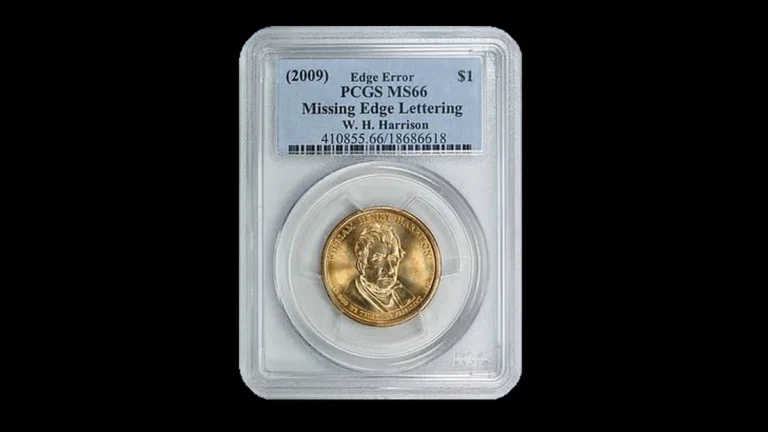
| No edge text anywhere | Missing edge lettering | $50–$650 |
| Two edge inscriptions | Repeated edge lettering | $50–$500 |
| Blank crescent and incomplete artwork | Off-center strike | $300–$3,500 |
1. 2016 Dollar A soft patch in the Code Talkers scene: reported strike-through Error
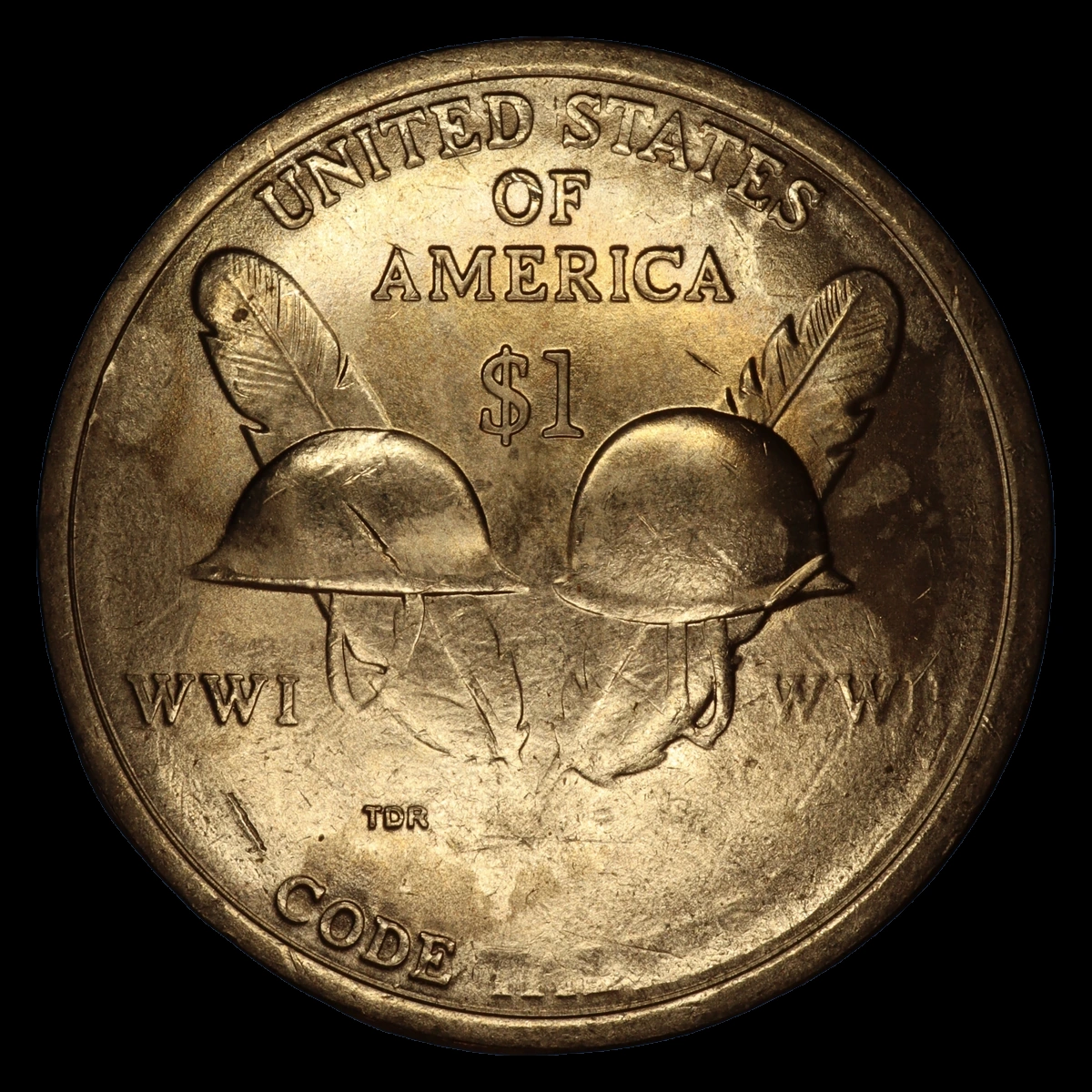
A collector displayed an ungraded 2016-P dollar with part of its reverse described as struck through grease or oil. Material between the die and blank can prevent the design from forming fully in a local area.
The owner’s account does not establish the exact substance through professional examination. Its Position A designation describes normal edge-lettering direction, not an additional error.
How to Identify
Compare the affected reverse with a normal Code Talkers dollar and examine the boundary between weak and sharp detail. The report does not identify a particular helmet or feather as the affected feature.
Inspect the rest of the coin for wear, including Sacagawea’s portrait. General flattening offers a different explanation from a local obstruction beside otherwise sharp artwork.
Scraping can leave parallel lines or displaced metal across an already struck surface. Keep the suspected area uncleaned so its texture remains available for examination.
What It’s Worth
A genuine ordinary 2016-P strike-through has an estimated range of $25–$300. The area affected and the clarity of the interruption influence the comparison.
No completed sale is supplied for the owner’s coin. Without retained material, naming grease rather than oil may remain impossible from appearance alone.
2. 2016 Dollar Shallow or partly absent edge text: weak lettering Error
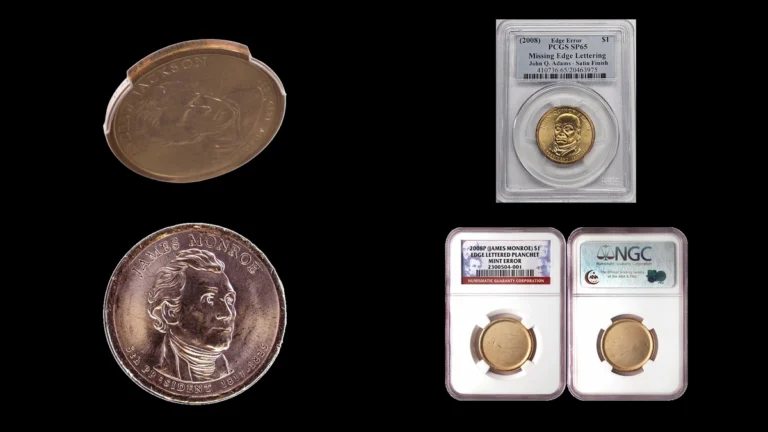
Ordinary Native American dollars receive recessed edge inscriptions in a separate operation. Incomplete contact can leave weak strokes or gaps among otherwise readable characters.
The 2016 guide reports both appearances without establishing a particular specimen’s mint or finish. A shallow letter and a completely unlettered section should be recorded separately.
How to Identify
Photograph the full edge in overlapping sections, with consistent lighting. Start at a clear letter and follow the transition into any weak area.
Look for shallow bottoms of numbers and letters that glare may hide. Compare the expected text with a normal Code Talkers coin and inspect for filing, rubbing, or rounded rims.
Position A and Position B are normal reading directions. Neither designation describes missing depth, missing characters, or a second inscription.
What It’s Worth
Authenticated weak or incomplete edge lettering on ordinary 2016 dollars has an estimated range of $20–$250.
A different-year PCGS guide comparison places 2010-P weak-edge dollars around $10–$285 across grades and positions. Those are guide figures for 2010, not 2016 realized auction prices.
3. 2016 Dollar No inscription around the entire edge: missing edge lettering Error
A completely unlettered edge lacks the normal date, mint letter, and E PLURIBUS UNUM. The helmets and V-shaped feathers can still establish the 2016 annual reverse design.
An ordinary coin could miss the separate lettering operation. The year-specific report does not establish its example’s mint or finish, so that explanation should not automatically be assigned to a special collector issue.
How to Identify
Choose a starting point beside a recognizable face detail and inspect until you return to it. Overlapping photographs should cover the entire circumference, including faint marks hidden by reflections.
Any surviving inscription changes the classification from wholly missing lettering. An absent mint letter should remain unassigned unless reliable evidence establishes the coin’s origin.
For a loose coin suspected of having metal removed, compare its size with the normal 26.49 millimeters and weight with 8.10 grams. S Proof and Enhanced Uncirculated finishes are intentional collector features, not errors by themselves.
What It’s Worth
An authenticated ordinary Code Talkers dollar with entirely missing edge lettering has an estimated range of $50–$650.
The PCGS Native American dollar guide lists 2010 missing-edge examples around $65–$650 across several unworn grades. This is a different-year guide comparison, not a 2016 auction result.
4. 2016 Dollar Two readable inscriptions: repeated edge lettering Error
A second pass through the lettering equipment can place another inscription on an ordinary dollar. The Philadelphia year guide reports this type for the Code Talkers issue without specifying one specimen’s spacing or reading directions.
How to Identify
Read one continuous sequence of edge characters, then locate the second sequence crossing or running beside it. Numbers, letters, and other inscription elements should agree with another impression.
An opposite-facing second set may need the photograph turned to read it. One normal inscription viewed in different orientations is still only one inscription.
Keep the surviving P and the Code Talkers reverse in the same photo set. That preserves the issue’s identity instead of inferring a mint from unreadable edge marks.
What It’s Worth
A properly identified 2016-P repeated-edge dollar has an estimated range of $50–$500. Two legible sets on an undamaged edge provide a stronger comparison than scattered ambiguous marks.
A 2007-P John Adams dollar with overlapping edge lettering, graded PCGS MS66, sold for $288 in February 2022. That is a Presidential dollar comparison from a different year and series.
5. 2016 Dollar Incomplete artwork and an unstruck crescent: off-center strike Error
A misplaced blank receives only part of the intended image. On a Code Talkers dollar, the surviving helmets, feathers, or surrounding words would depend on the direction of displacement.
The 2016 report does not establish a particular direction, percentage, or mint. Both faces must support the proposed placement of the same blank.
How to Identify
Compare the incomplete annual scene with a normal example and find where its artwork runs beyond the metal. Examine the unstruck crescent opposite that missing design.
Check Sacagawea’s side for a consistent displacement and inspect the blank area for grinding or erased detail. If both designs remain complete inside expanded metal, a broadstrike may be the better explanation.
Read any surviving edge date or mint letter directly. Neither the direction of displacement nor an older comparison coin establishes the candidate’s mint.
What It’s Worth
Genuine 2016 off-center dollars have an estimated range of $300–$3,500. Readable annual identity, displacement, and preservation guide a closer assessment.
NGC reports a 2000-P MS66 dollar struck 50% off center at $3,120 in April 2021. Its eagle design and 50% displacement belong to that older coin, not to an unspecified 2016 example.
Conclusion
The Code Talkers design and the edge inscription answer different questions about a 2016 dollar. Identify the annual scene, then distinguish weak text, completely missing text, and a genuine second inscription.
For face errors, compare local weakness with surrounding sharp detail and check displaced strikes on both sides. Keep owner interpretations and different-year price comparisons clearly labeled until the actual coin supports a more precise conclusion.