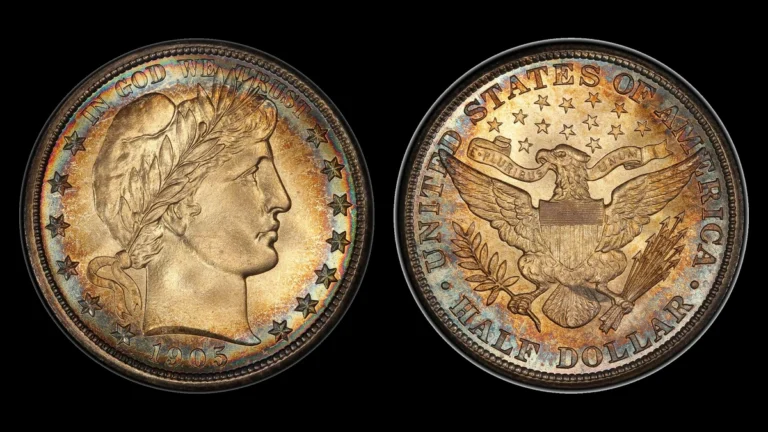
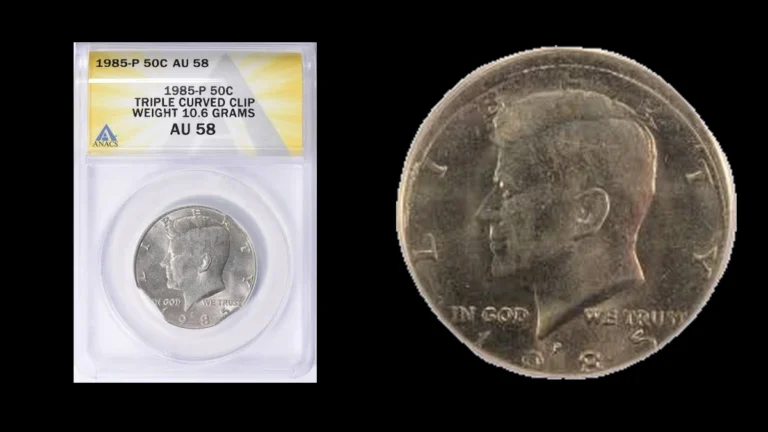
Rare 1929 Half Dollar Errors (List & Pictures)
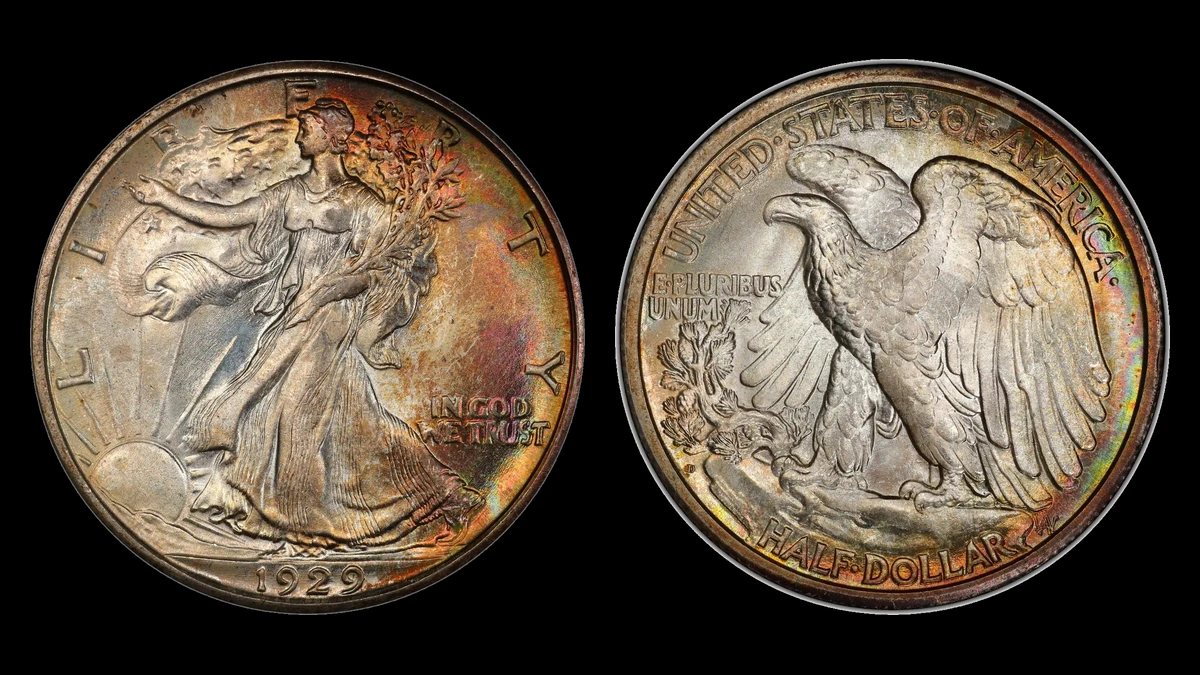
A half-dollar design on a quarter blank sold for $16,200 in 2018, but that coin was dated 1942. It is a comparison for these 1929 half dollar errors, not proof of a 1929 discovery.
The four reported categories have working estimates of $150–$18,000; the supplied guide identifies no certified 1929 example. Check size and design coverage first, then inspect any repeated lettering.
| Possible clue | What to compare | Error category to check | Working estimate |
|---|---|---|---|
| Unusually small and light coin | Weight, edge, and missing design | Wrong planchet | $3,000–$18,000 |
| Complete designs on a wider coin | Both faces and expanded edge | Broadstrike | $1,000–$4,000 |
| Blank crescent beside incomplete designs | Both faces and surviving date | Off-center strike | $300–$1,500 |
| A second raised outline | Letters, numbers, and nearby details | Doubled die | $150–$600 |
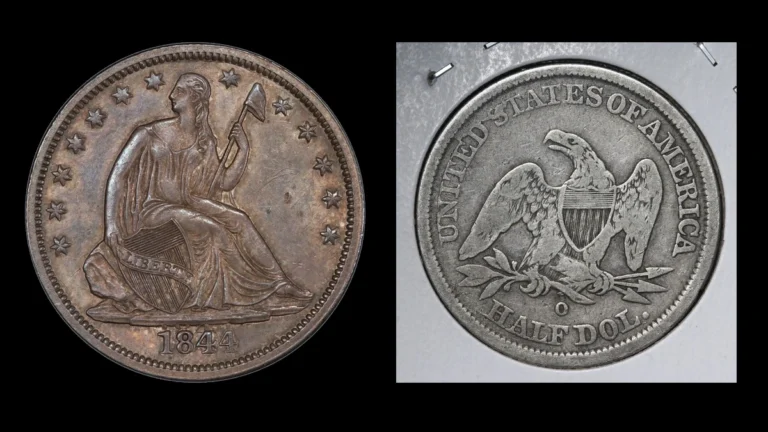
A normal Walking Liberty half weighs 12.50 grams when unworn and measures about 30.6 mm, with edge grooves. Record a readable 1929 date and the D or S mintmark rather than assigning an undated coin to this year.
1. 1929 Half Dollar A Smaller Blank Cuts Off the Design: Wrong Planchet Check Error
A planchet is the blank metal disc used to make a coin. If a quarter blank reaches the half-dollar press, it is too small to receive the complete design.
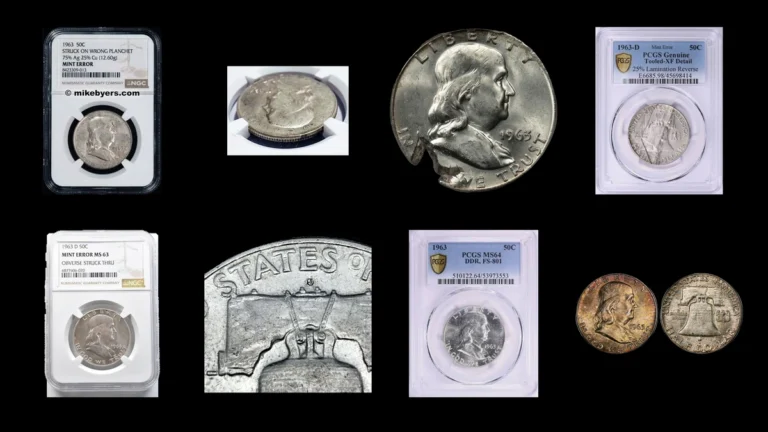
The 1942 “Headless Walker” illustrates the result: the top of Liberty is missing while the date survives. The 1929 guide uses other-year examples, including 1942 and 1943, instead of identifying a certified 1929 coin.
How to Identify
Weight is a useful first distinction: a silver quarter blank is about 6.25 grams, compared with 12.50 grams for a normal half. That difference is much more informative than a slightly unusual color.
Measure the outline too, allowing for some spreading during the strike. Missing design should be consistent with the size of the blank that received it.
Inspect the edge for grinding or cutting, since reducing a finished half dollar creates damage rather than a wrong-planchet error. Any metal testing should leave the coin unscratched.
A reliable attribution needs a readable 1929 date, measurements consistent with the proposed blank, and professional confirmation of that blank. The design alone cannot supply the year.
What It’s Worth
Working estimate: $3,000–$18,000 for a genuine 1929 half on a silver quarter blank, with little or no wear and a readable date. This is not a recorded 1929 sale range.
PCGS reports $16,200 for the 1942 Headless Walker at Stack’s Bowers in 2018. That MS62 coin was unworn with noticeable marks.
A different metal or blank type would need different comparisons. The 1942 result supports only the stated quarter-blank scenario.
2. 1929 Half Dollar The Whole Design Fits a Wider Coin: Broadstrike Check Error
A complete picture inside an expanded outline suggests the metal spread beyond its intended diameter. This can happen when the collar, the ring around the blank, does not provide normal restraint.
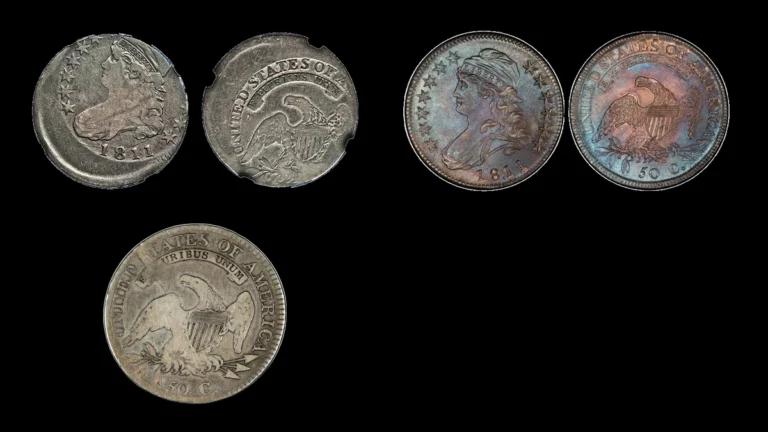
The supplied example is a 1944 Walking Liberty broadstrike. Its existence illustrates the mechanism without establishing a certified 1929 specimen.
How to Identify
Measure several widths instead of using only the widest point. Compare them with 30.6 mm, then inspect whether both full designs remain within the larger outline.
Weight should stay reasonably close to the half-dollar standard because outward spreading does not itself remove metal. Wear still needs to be considered.
The collar normally forms edge grooves, so missing or uneven grooves can be relevant. Filing can remove them too, and hammering a finished coin can widen it while flattening its design.
Look for agreement among the complete designs, naturally spread metal, edge, and readable date. Size alone does not distinguish a broadstrike from an altered coin.
What It’s Worth
Working estimate: $1,000–$4,000 for a genuine 1929 broadstrike with conspicuous expansion and little or no wear. No exact-year transaction is supplied.
The 1944 PCGS MS62 broadstrike sold for $3,120 in August 2020. Its design sits unevenly within the expanded blank, a feature to consider when comparing appearance.
3. 1929 Half Dollar A Bare Crescent Borders an Incomplete Picture: Off-Center Check Error
An off-center blank has a different relationship to the design: some metal stays unstruck while part of the picture falls beyond the edge. Both faces should show that same displacement.
The 1929 guide suggests this category but illustrates another year. The photograph cannot authenticate an unrecorded 1929 candidate.
How to Identify
Include the bare crescent, incomplete design, and surviving date in one uncropped photograph. Then photograph the other face and compare the positions of its missing details.
If only one side has an uneven rim, the die may have shifted while the blank remained correctly placed. That does not demonstrate an off-center strike of the whole coin.
Examine the plain metal for flattening, cutting, or filing. The original unstruck area should not be confused with design removed later.
A readable date is essential to calling the piece a 1929 error. Neither the Walking Liberty design nor an uncertain partial digit can fill that gap.
What It’s Worth
Working estimate: $300–$1,500 for a genuine readable-date example with moderate displacement, from worn through lower unworn condition. The evidence supplies no confirmed 1929 sale.
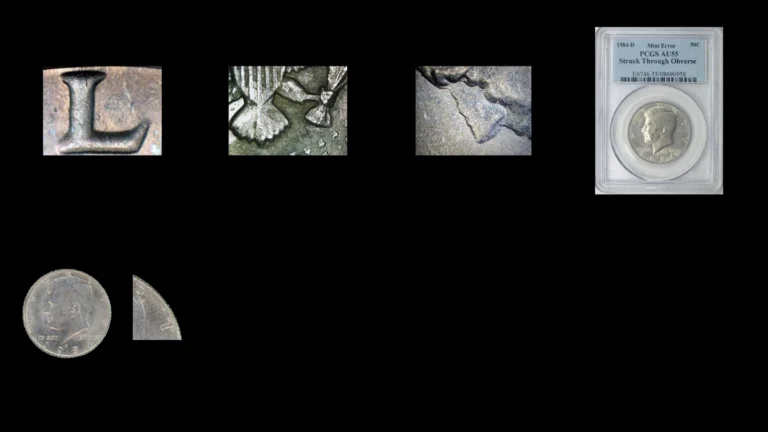
A 1976 Kennedy half struck 15% off center brought $480 at Heritage in December 2025. That NGC MS64 coin was unworn and had a different design, so it offers broad error-type context only.
4. 1929 Half Dollar A Letter Appears to Have Two Raised Edges: Doubled Die Check Error
A doubled die contains repeated design detail before it stamps a coin. The same extra shapes can consequently appear on multiple coins made with that tool.
No particular doubled letter, date digit, or certified 1929 variety is identified in the supplied guide. This section explains the examination rather than inventing a fixed diagnostic.
How to Identify
Choose a clear letter or number and follow its outline with a 5×–10× magnifier. Rounded, separated detail is worth examining; a low flat shelf can be caused by movement during striking.
Shift the light to eliminate a reflection as the apparent second edge. Note whether other details repeat in a consistent way.
Photograph those areas alongside complete views of the dated coin and mintmark. A specialist needs that context to assess a possible variety that has not been identified by the guide.
What It’s Worth
Working estimate: $150–$600 for a genuine example with clear doubling and moderate to very light wear. The figure is provisional rather than an established 1929 market record.
A 1946 doubled-reverse half graded ANACS AU58 sold at Heritage for $204 in November 2025. That nearly unworn different-year coin helps frame the estimate without proving a 1929 doubled die exists.
Conclusion
These are four checks suggested for 1929 coins, with different-year examples explaining the possible outcomes. None of the supplied comparisons establishes a certified 1929 discovery.
Keep the readable date, both faces, edge, and measurements together when investigating a candidate. The estimated $150–$18,000 span becomes relevant only after the actual error and condition are established, rather than from resemblance to another year’s photograph.