Rare 1835 Dime Errors (List & Pictures)
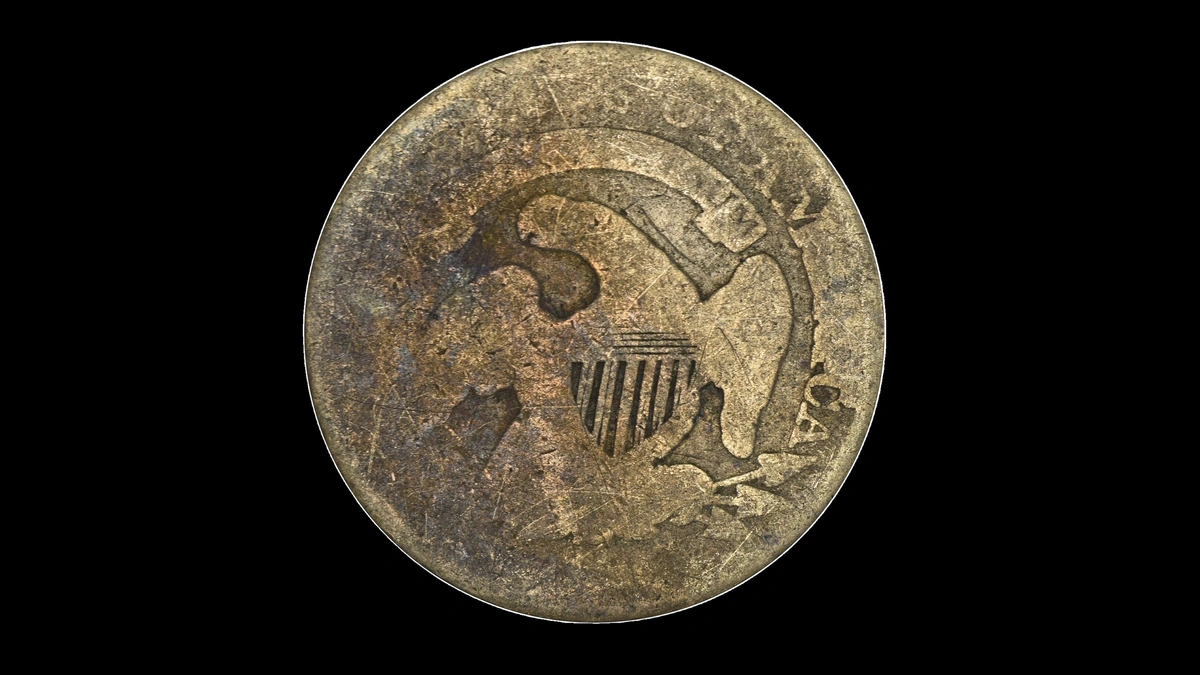
An 1831 dime with a retained die break sold for $8,812.50 in 2013. That exceptionally preserved PCGS MS65 CAC is a different-year comparison, not a recorded 1835 break sale.
Estimated 1835 dime errors values span $50–$5,000 across the conditions below. Examine whether an unusual line is raised, then compare any rim-connected break with the correct die variety.
A normal 1835 Capped Bust dime starts at approximately 2.70 grams and 18.5 millimeters, with a reeded edge. Wear may lower weight.
1835 Dime Two Lines Cross on the Surface: Reported Raised X Error
The X report has attracted a cancelled-die explanation, suggesting a tool marked so it could no longer be used. The supplied evidence does not establish that history.
A groove cut into a die can leave a raised line on a coin, but crossing fractures can also produce intersecting relief. Later scratches may create raised lips beside their incuse cuts.
The first task is therefore to describe the actual metal, not to identify who marked a tool or why. An X-shaped arrangement alone cannot resolve its cause.
How to Identify
Light each line from both sides and determine whether its entire form rises above the surface. Look immediately beside it for a groove that would explain the raised edge as scratch damage.
Examine the crossing for one cut passing through another, then follow both lines into surrounding design. A mint-made feature should be compatible with how those details were struck.
Check the rim and reeding for filing or mounting damage, and record weight and size without polishing the lines. Measurements help document the host but cannot authenticate a cancellation story.
What It’s Worth
A circulated coin with this reported feature has an estimated $50–$600 whole-coin value. No special cancelled-die premium is included.
An ordinary JR-9 graded PCGS XF40 sold for $252 in October 2025. That worn but detailed example supplies a condition comparison, not a price for a confirmed raised-X variety.
Original surfaces remain important even when a mark looks interesting. Scratches forming an X would still be damage, with a different effect on value.
1835 Dime A Raised Area Meets the Rim: Cuds and Retained Die Breaks Error
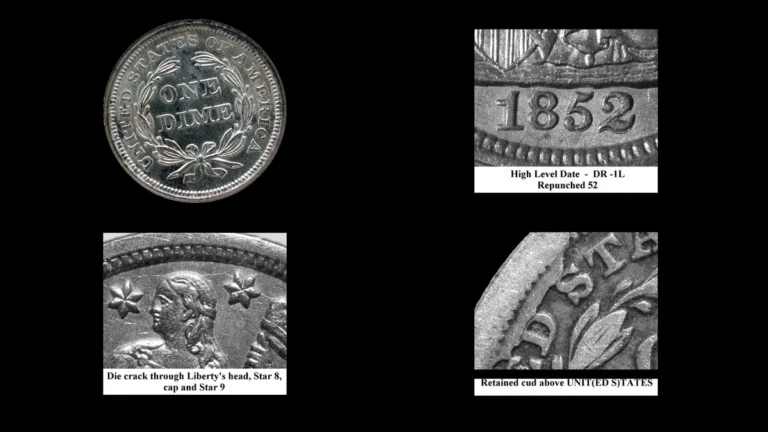
A broken die fragment can remain in position and continue to transfer some of its design. Collectors call this a retained die break, which can leave identifiable details inside a disrupted area.
If the fragment moves or falls away, later coins can show a more pronounced raised patch with less design. The progression concerns the tool, rather than a piece removed from each finished coin.
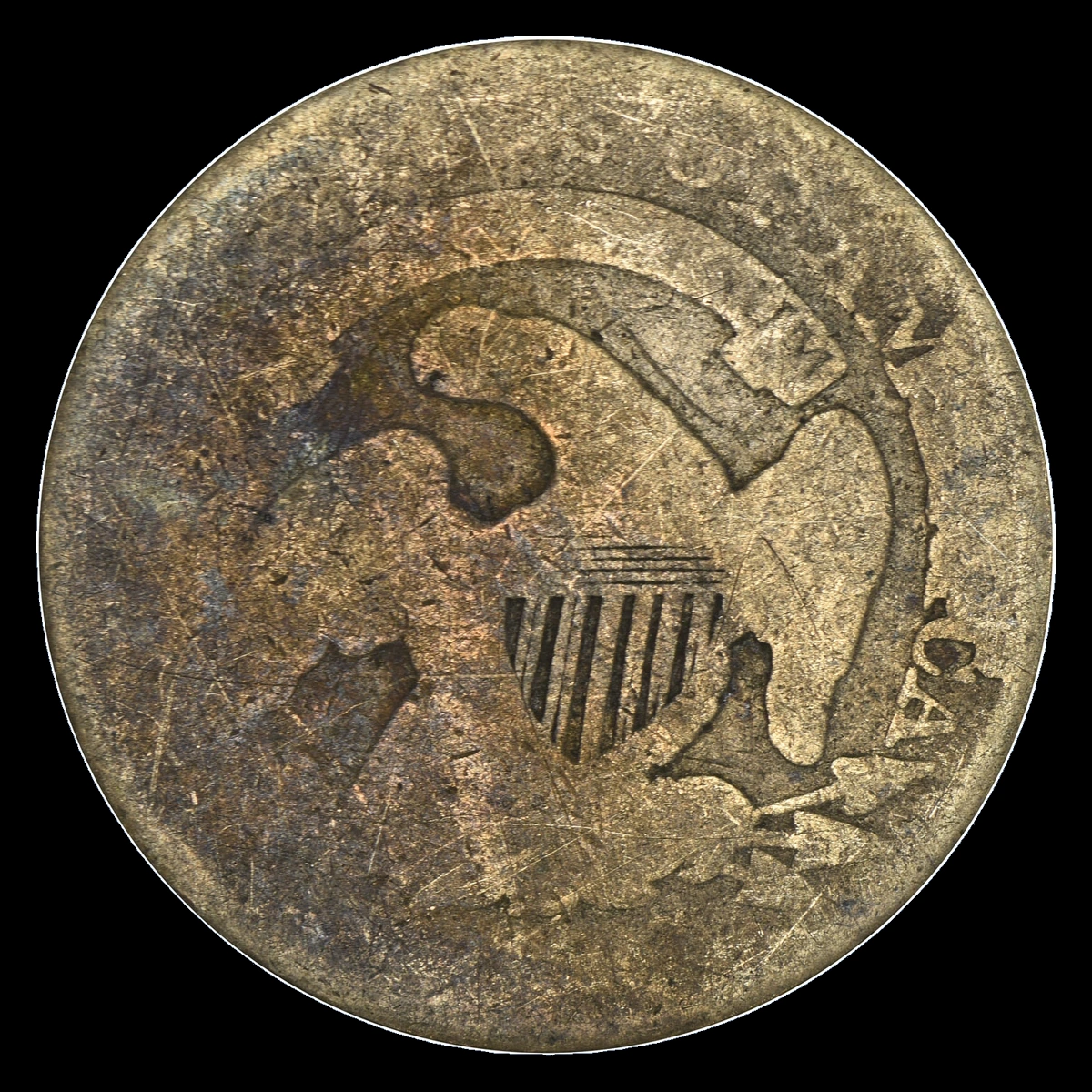
Reported 1835 examples affect the reverse arrows on JR-1 and MERIC on JR-2, with additional distinct breaks on JR-3 and JR-4. JR numbers identify particular die pairings, so their locations must not be merged.
How to Identify
Establish the die pairing before choosing a closeup from the JRCS dime illustrations. An arrows-area candidate and a MERIC-area candidate need different comparisons.
Trace the affected boundary toward the rim and inspect any design retained inside it. Its outline and surviving detail can help distinguish a retained fragment from a later stage with the fragment gone.
Inspect the opposite face and edge for impact damage. A dent can flatten or push rim metal without producing the same die-made raised area.
Keep the whole reverse beside the enlarged break so its position is clear. A similar lump at a different location is not automatically the same die stage.
What It’s Worth
The estimated $100–$5,000 range covers worn through lower-grade unworn examples. Break visibility, die state, and remaining original surface affect comparison.
A cleaned JR-1 with unworn details sold for $966 in October 2025, but no matching break was identified for that sale. It shows the effect of host condition without pricing this feature specifically.
The 1831 retained-break PCGS MS65 CAC result of $8,812.50 in 2013 concerns a different year with exceptional preservation. It sits above the working range and should not be applied to a worn 1835 with a small break.
Conclusion
The 1835 reports call for two different judgments: whether crossed lines are genuinely raised and whether a rim break matches a known die pairing. Neither an X shape nor a generic lump is enough to establish the proposed explanation.
The $50–$5,000 ranges value the complete dime. Keep cleaning, wear, and surface damage in the assessment, and preserve the original metal so the mark can be examined without losing useful evidence.