Rare 1843 Dime Errors (List & Pictures)
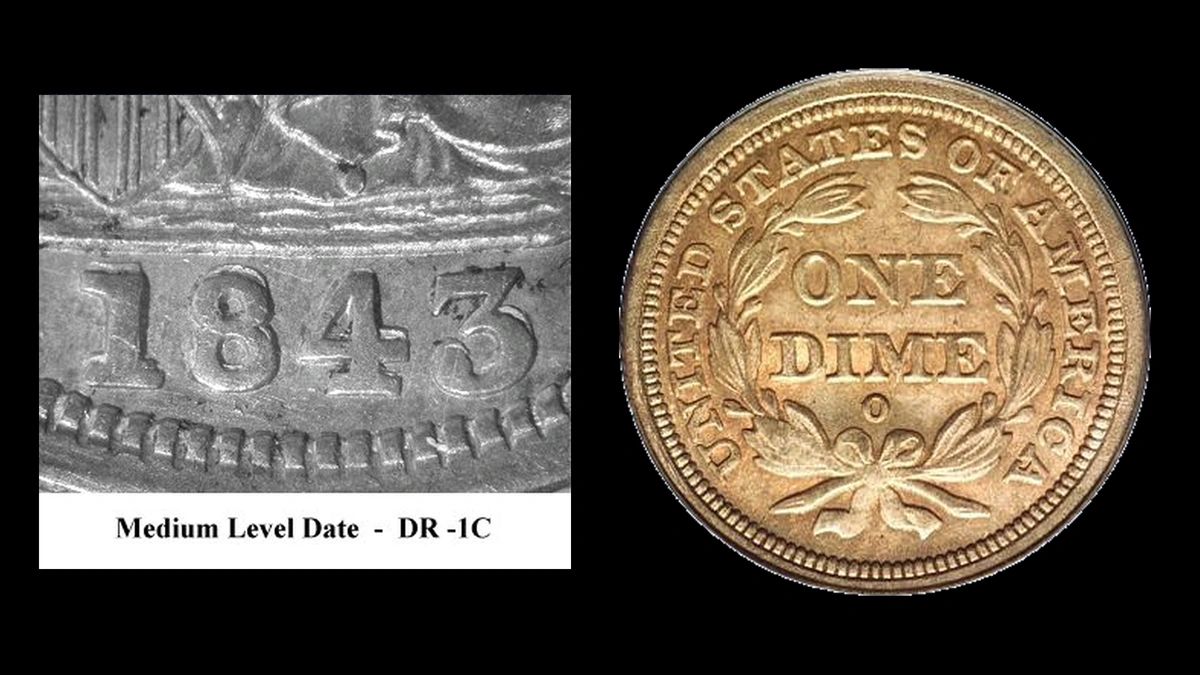
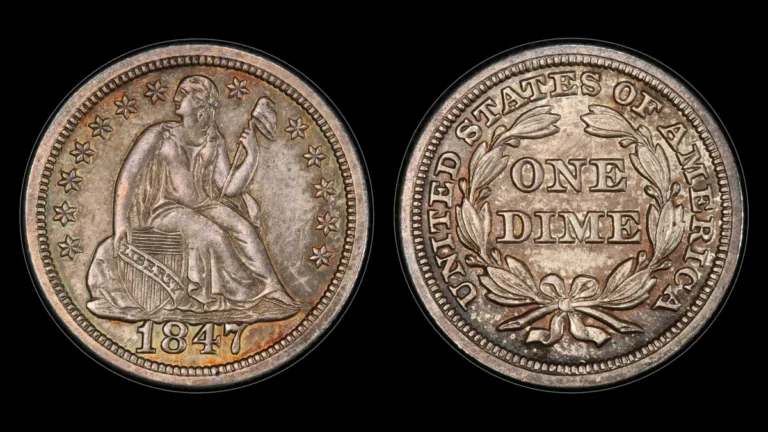
A repunched-date 1843 dime graded MS65 brought $3,600 in April 2021. Estimated whole-coin values for the 1843 dime errors below run from $75 to $4,500.
Start with the date, then turn the coin over to check the mintmark and reverse cracks. A standard example weighs 2.67 grams, measures 17.9 millimeters, and has a reeded edge.
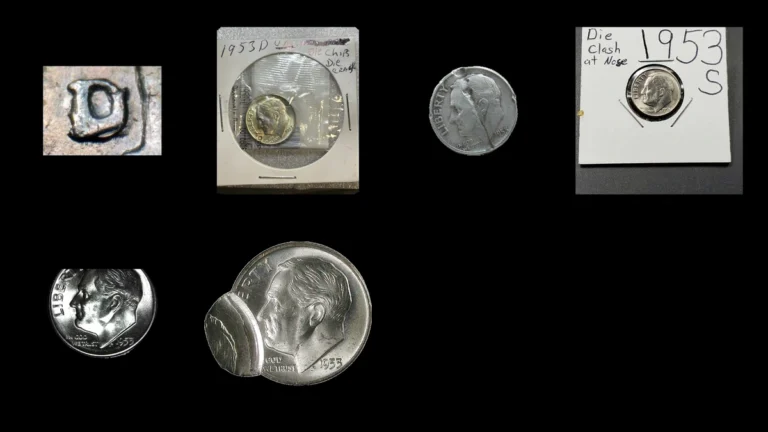
1843 Dime Extra outlines around 1843: repunched date Error
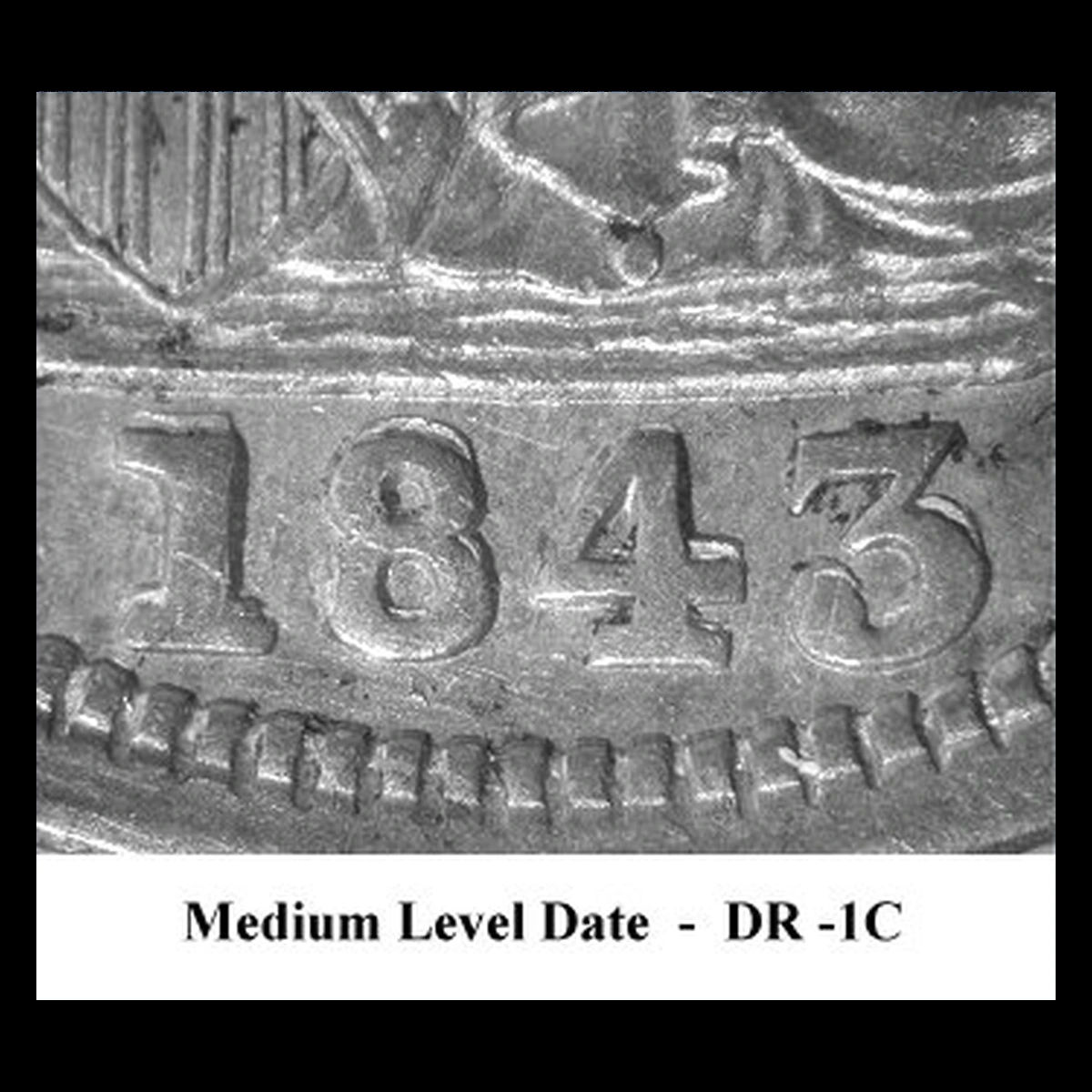
The Philadelphia repunched-date variety has remnants of an earlier placement beside all four digits. The first date entry sat higher, and a corrected entry was placed lower on the die.
Collectors describe it as 1843/1843 because both entries are the same year. FS-301 and F-102 are two catalog names for this same variety, not two different errors.
How to Identify
Examine the whole date in a sharp closeup, paying attention to where the extra outlines sit vertically. The relationship between the original and corrected positions should agree across all four digits.
A damaged 8 on its own cannot establish this variety. Neither can a flat ledge along the numbers that fails to match the earlier, higher date entry.
Check the reverse below the wreath for a mintmark. An intact, clearly visible area without an O is consistent with Philadelphia, where this variety was made.
Compare the coin with the PCGS F-102 / FS-301 reference before assigning the attribution. Wear may weaken the smaller remnants, so a missing detail on a worn specimen deserves closer study rather than an invented match.
What It’s Worth
Estimated whole-coin values are $75–$450 in circulated condition and roughly $600–$4,500 for unworn examples through MS65. Those ranges describe different preservation levels, not a uniform extra payment for the repunching.
A PCGS MS65 example sold for $3,600 in April 2021. An XF45 brought $204 in August 2022, illustrating the much lower result for a coin with circulation wear.
Compare visible surface quality as well as the grade when considering either benchmark. The earlier outlines identify the variety, while wear, marks, and overall preservation still influence the price.
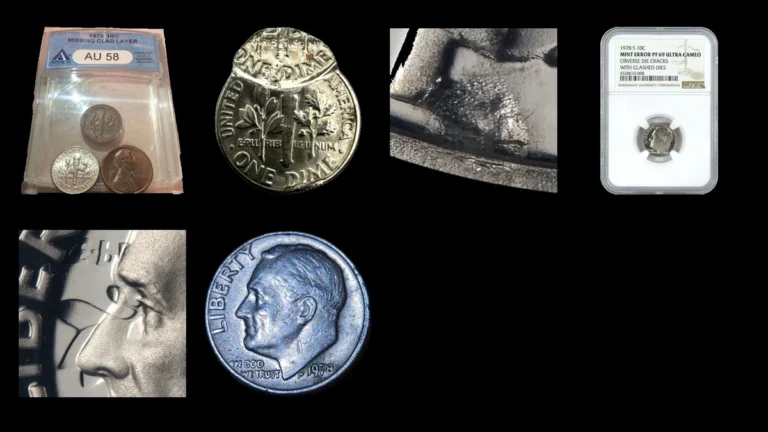
1843 Dime Raised lines spreading toward the rim: reverse die cracks Error
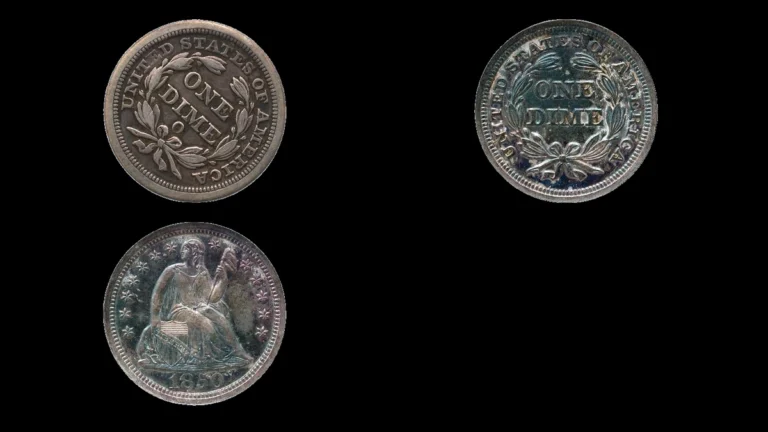
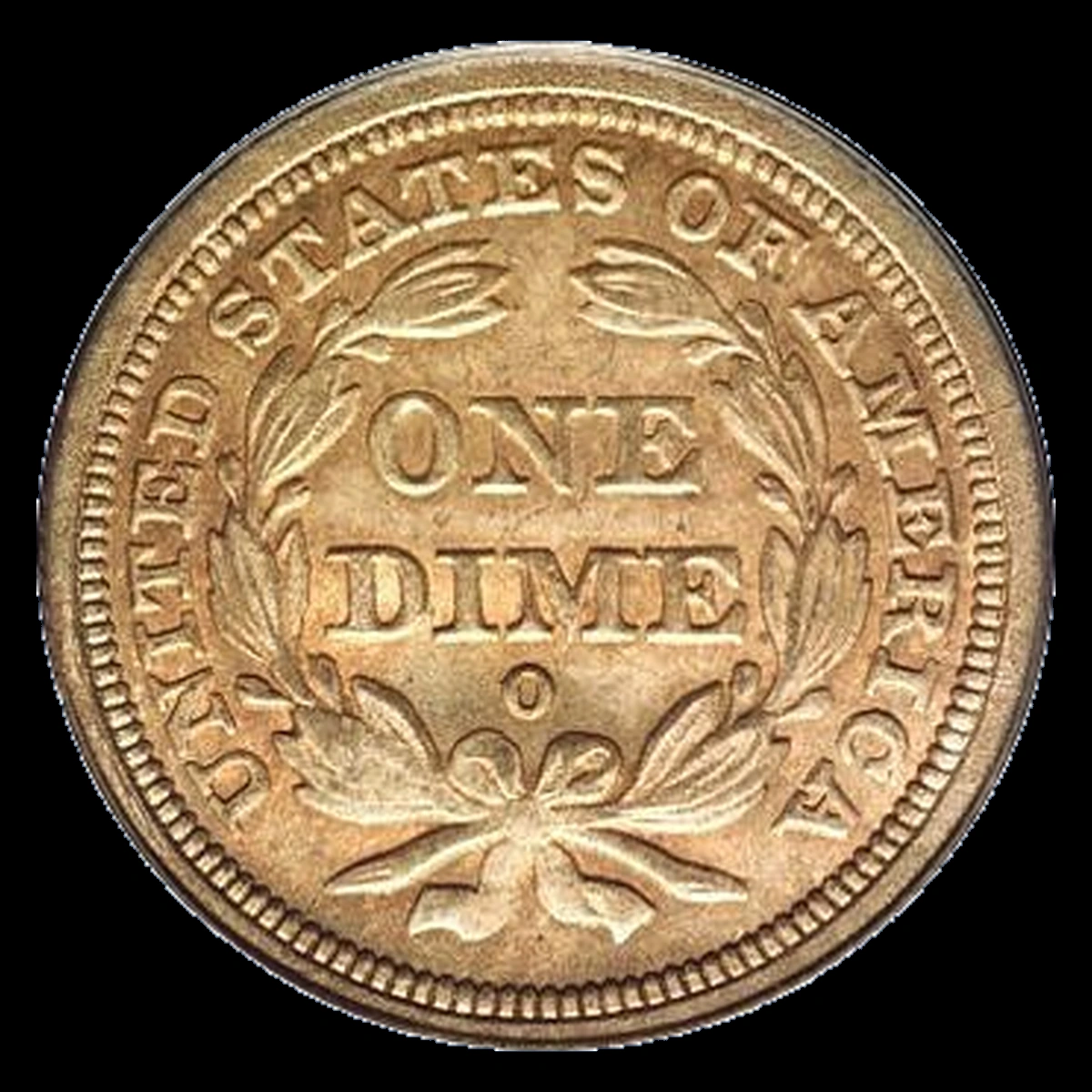
On an 1843-O dime, raised cracks can extend outward from the T in STATES and from the M and final A in AMERICA. Their positions around the reverse give you a useful inspection route.
A crack in the die leaves a narrow opening that coin metal enters during striking. The resulting raised line records damage to the tool rather than a cut made into the finished dime.
How to Identify
Locate the O below the reverse wreath first. The New Orleans crack discussion should not be transferred automatically to the Philadelphia repunched-date variety.
Trace each reported line from the letter toward the rim, checking whether it stands above the surrounding surface. A scratch usually cuts below the surface and may cross the design without following the documented route.
The lines are related signs of deterioration on a die, not three separate valuable errors simply because three letters are involved. Their visibility can change as the die develops further damage.
Compare the complete pattern when possible, including the rest of the reverse design. One rough-looking letter or a dark line in a photograph is weaker evidence than several raised features in the expected positions.
What It’s Worth
Worn 1843-O examples in this discussion have an estimated whole-coin range of $300–$3,500. The scarce date-and-mint combination and the coin’s condition account for much of that range.
A September 2018 collector auction report lists an F-101 graded VF30 at $1,020 and a VF35 at $1,440. The supplied information does not establish that both coins displayed the exact crack pattern described here.
Those results help place worn New Orleans dimes in context, but they do not measure the added value of these cracks alone. A visible crack does not turn an otherwise worn or damaged coin into the equivalent of a better-preserved auction example.
Conclusion
The mint separates the two examinations: Philadelphia for the repunched date, New Orleans for the described reverse cracks. Match the repeated date positions or the raised crack routes before choosing a price comparison.
The $3,600 sale directly supports a high-grade repunched-date example. The New Orleans auction figures are broader condition references, so they should not be used to promise a separate crack premium.