Rare 1927 Dime Errors (List & Pictures)
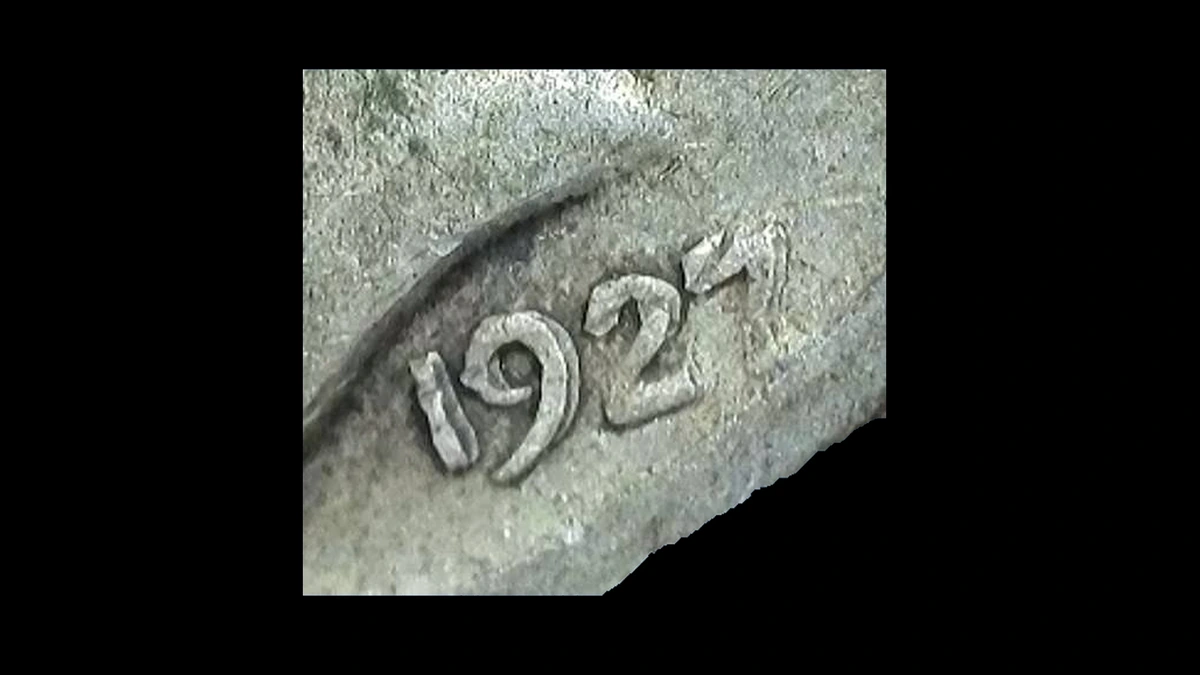
A small shape beside a date can attract more attention than a large crack, but it also needs a closer look. For 1927 dime errors, the supplied guides give estimated and comparison values of $20–$6,000.
A recognized 1942/1 overdate brought $480 in August 2025; that sale is a comparison from another year, rather than proof of a 1927 overdate. Start with the date and mint letter, then check the larger features.
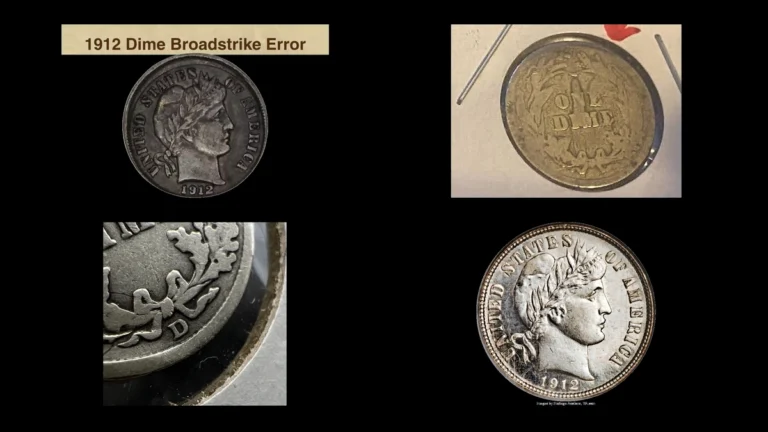
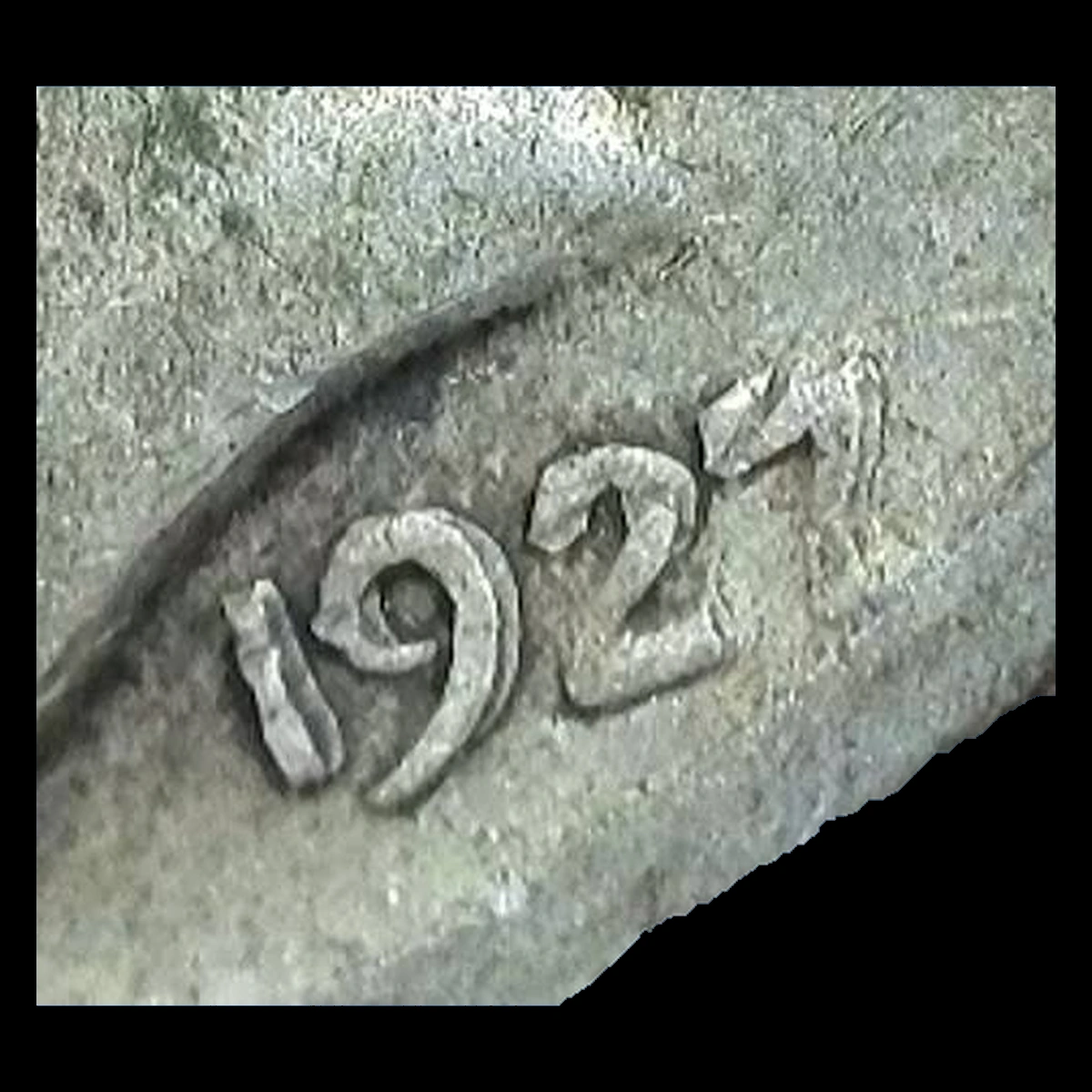
1. 1927 Dime A Shape under the Final 7: Reported 1927/6-S Overdate Error
The reported 1927/6-S has a small form below the final 7 that some guides describe as part of a 6. This is a reported possibility, without a confirmed match to an established grading-service variety in the supplied material.
An overdate leaves parts of two different date digits on one coin. An extra bump alone does not show that this happened, and the old explanation of someone recutting a single digit is not established for this Mercury dime.
How to Identify
Photograph the complete 1927 date under clear, angled light. Then check the reverse for an S, which identifies the San Francisco mint named in this report.
Compare the final digit with a normal 1927-S before trying to read a 6 beneath it. A dent, a small die flaw, or the normal shape of 7 can look convincing in one photograph.
For a valuable attribution, the extra shape needs to match a documented reference in both position and form. Do not use a recognized 1942/1 photograph as the identification guide for this different date.
What It’s Worth
$400–$2,000 is a comparison range for recognized, worn Mercury dime overdates. It is not an established selling range for the reported 1927/6-S.
The supplied 1942/1 auction record includes a $480 result in August 2025 for a coin graded NGC XF Details. “Details” means it had a condition problem despite retaining that level of design detail.
A 1927 coin with an unexplained bump should first be valued as the actual date, mint, and condition shown. An overdate comparison becomes useful only after the feature has a sound identification.
2. 1927 Dime Extra Outlines on the Front: Reported Doubled Die Error
Look beyond one date digit if letters or nearby design details also seem doubled. A doubled die forms when the design is put onto the stamping tool in slightly different positions, so coins made with it repeat the same extra outlines.
The supplied 1927 report does not name a mint or a confirmed variety number. It should therefore be treated as a feature to investigate, rather than a known pattern that every doubled-looking 1927 dime shares.
How to Identify
Examine the date and lettering for rounded extra edges or clearly separated corners. Useful doubling follows the design instead of appearing as a random ridge in the open background.
A low, flat shelf beside a letter usually points to movement during striking. Broad, swollen edges can come from a worn die and do not by themselves establish a doubled die.
Record every feature that looks repeated, then seek a match for that complete pattern. Several consistent details are more useful than one blurry close-up.
What It’s Worth
$200–$6,000 is the supplied comparison estimate for recognized Mercury dime doubled dies. The material does not establish this as a market range for an identified 1927 variety.
Two reported 2025 marketplace comparisons concern the recognized 1926 FS-101: $2,495 for G6 and $2,972 for VG8. Those grades describe heavily worn coins, and the figures concern another year rather than verified 1927 auction sales.
The 1927 year guide reports front-side doubling generally. A coin needs a more specific identification before a scarce-variety price can be applied to it.
3. 1927 Dime A Second Stroke beside D or S: Repunched Mintmark Error
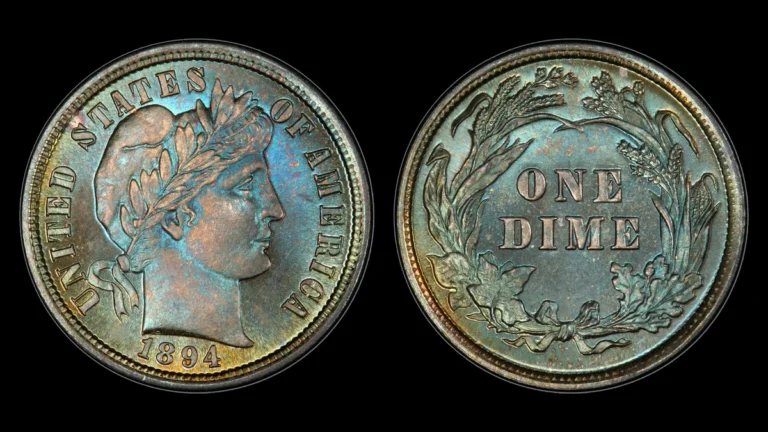
The mint letter sits on the reverse of a Mercury dime. Denver used D and San Francisco used S; Philadelphia coins from this year have no mint letter.
Mint letters were punched into working dies by hand. If a second punch landed in a slightly different place, part of the first letter could survive beside the final one.
How to Identify
Find the main D or S before studying the extra mark. Look for a raised curve or straight stroke that makes sense as part of that same letter.
The supplied report gives no confirmed direction or catalog number for a 1927 repunched mintmark. Do not label a coin as a particular D/D or S/S pattern from an isolated bump.
Check whether the apparent extra stroke remains visible when the lighting changes. Scratches, dirt, and damage to the main letter can create a false second outline.
What It’s Worth
$75–$500 is the guide-based estimate for a genuine, clearly identified example. No named 1927 sale accompanies this range in the supplied material.
A distinct extra stroke is easier to collect than a tiny feature lost in wear. The underlying value of a 1927-D or 1927-S in the same condition also matters, so the whole price should not be credited to the mintmark alone.
4. 1927 Dime A Thin Raised Line across the Design: Die Crack Error
A crack in a die can leave a ridge of silver on the coins it strikes. Unlike a scratch made later, this line is formed as the coin receives its design.
The 1927 material reports the broad error type without giving one fixed route across the coin. Follow the line on the actual specimen rather than searching for a promised position.
How to Identify
Turn the dime under a lamp and check that the line rises above the surrounding surface. A crack can cross both the open background and parts of the design.
A scratch may have raised lips but still has a cut down its center. A genuine die crack is a solid ridge, although wear can soften its shape.
A broad lump attached to the rim requires a different check for a larger die break. Do not describe every fine crack as a large missing piece of the die.
What It’s Worth
$20–$200 is the supplied estimate for worn through lightly worn examples with genuine cracks. A strong, visible line generally has more appeal than a faint one buried among scratches.
There is no specific 1927 crack sale behind this estimate. Better-grade Denver and San Francisco dimes can already have substantial ordinary-coin value before any crack premium is considered.
5. 1927 Dime A Blank Crescent beside the Design: Off-Center Strike Error
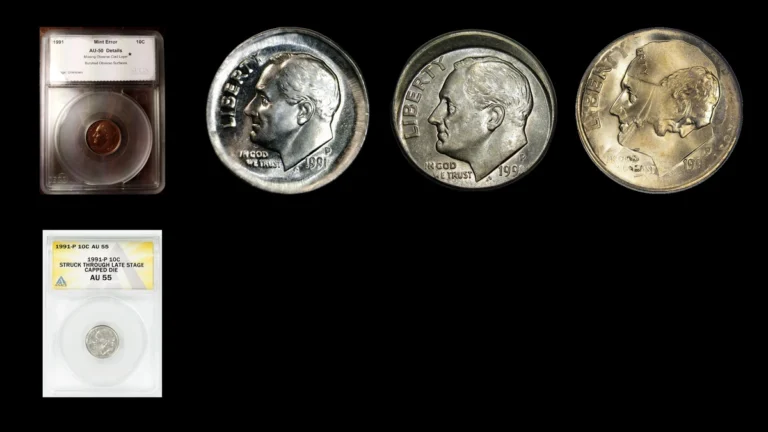
An off-center dime was not fully beneath the dies when the press struck it. The result is a shifted design with part of the original blank left unstruck.
A larger shift may remove part of the date. To call a coin a 1927 error, the surviving details must actually support that year.
How to Identify
Inspect both faces for a matching area of blank metal and a design pushed toward the opposite edge. A broad rim on only one face may be a different striking problem.
An off-center strike usually keeps the original metal, while a clipped blank has a section missing. A normal Mercury dime weighs about 2.50 grams and measures 17.9 millimeters across, although wear affects weight.
The supplied 1927 overview gives no certified mint, offset percentage, or strike direction for a specific example. Use the features visible on the coin instead of adding those details from a general description.
What It’s Worth
$150–$1,500 is the estimated range for a genuine 1927 off-center dime. A readable date, an obvious shift, and attractive surfaces help explain differences within that range.
A neighboring-year guide lists $150–$400 for worn 1926 examples as a comparison. That is a guide estimate, not a completed 1927 sale.
Conclusion
On a 1927 dime, first decide whether you see a repeated design feature, a raised crack, or a displaced strike. Each needs a different kind of evidence.
The reported overdate, doubling, and repunched mintmark deserve careful matching before a rare-variety price is used. Keep the date, mint, condition, and actual visible feature together when choosing the most useful comparison.