Rare 2013 Dime Errors (List & Pictures)
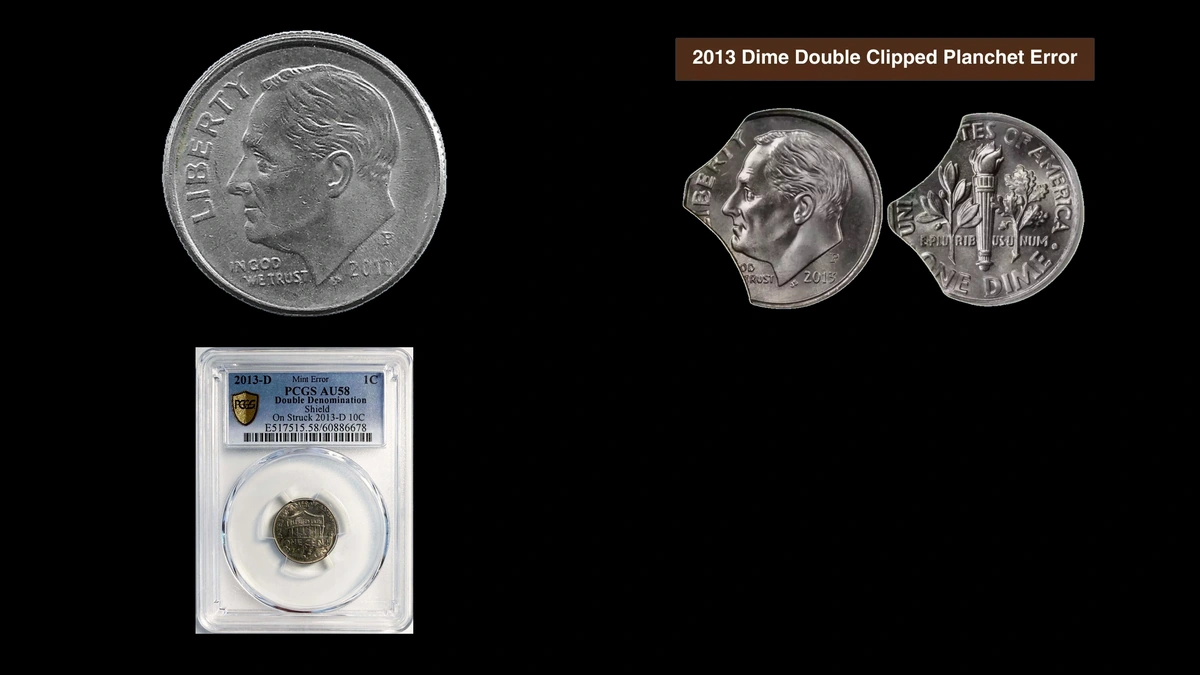
A documented cent-over-dime comparison sold for $1,320 in September 2025, but it dates from 2001. The 2013-D double denomination has appeared with a $20,000 asking price, placing 2013 dime errors within an estimated $5–$20,000 span whose upper end reflects seller expectations.
Work around the edge and outline first, then examine surface interruptions and any overlapping denominations.
| Visible clue | Feature | Estimated value |
|---|---|---|
| A step separates two edge levels | Partial collar | $40–$250 |
| One design shifts or faces a different direction | Die misalignment | $5–$300 |
| Incomplete design borders a metal crescent | Off-center strike | $30–$500 |
| Two sections are absent | Double clip | $40–$250 |
| An attached layer opens like a shell | Lamination and clamshell split | $10–$200 |
| A physical boundary exposes copper | Partial missing clad layer | $75–$600 |
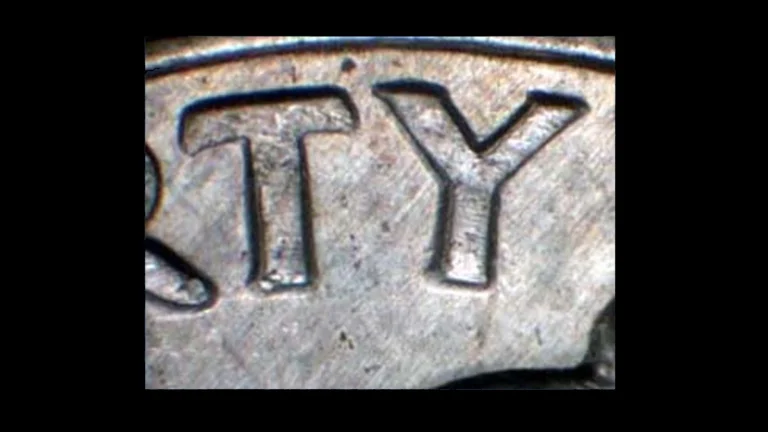
| A raised mound affects letters or numerals | Die chip | $5–$100 |
| A weak local patch interrupts sharp detail | Reported grease strike-through | $10–$150 |
| Cent design overlies identifiable dime detail | Double denomination | $1,500–$20,000; upper end based on an ask |
1. 2013 Dime The edge has two distinct levels: Partial Collar Error
A partial-collar strike leaves part of the blank restrained and part free to expand. The collar is the ring that controls the edge during striking.
The resulting ledge is often called a railroad rim. The 2013-D report concerns this edge relationship, not simply groovelike marks on a flat face.
How to Identify
View the coin from the side and follow the ledge around its circumference. Compare the collar-shaped grooved section with the wider portion, which can have different or missing grooves.
Inspect neighboring face details for crushing from later squeezing. A natural step and compatible struck design provide more support than a rail-like shape alone.
Ordinary clad dimes start at 2.268 grams and 17.91 millimeters. Measurements of an accessible coin can document expansion without proving its cause by themselves.
What It’s Worth
The estimated range is $40–$250 for genuine 2013-D partial-collar whole coins. A bold ledge and attractive surfaces can draw more interest than a subtle step.
No verified price for a named certified 2013 example establishes this range. A clear edge photograph is essential to a useful comparison.
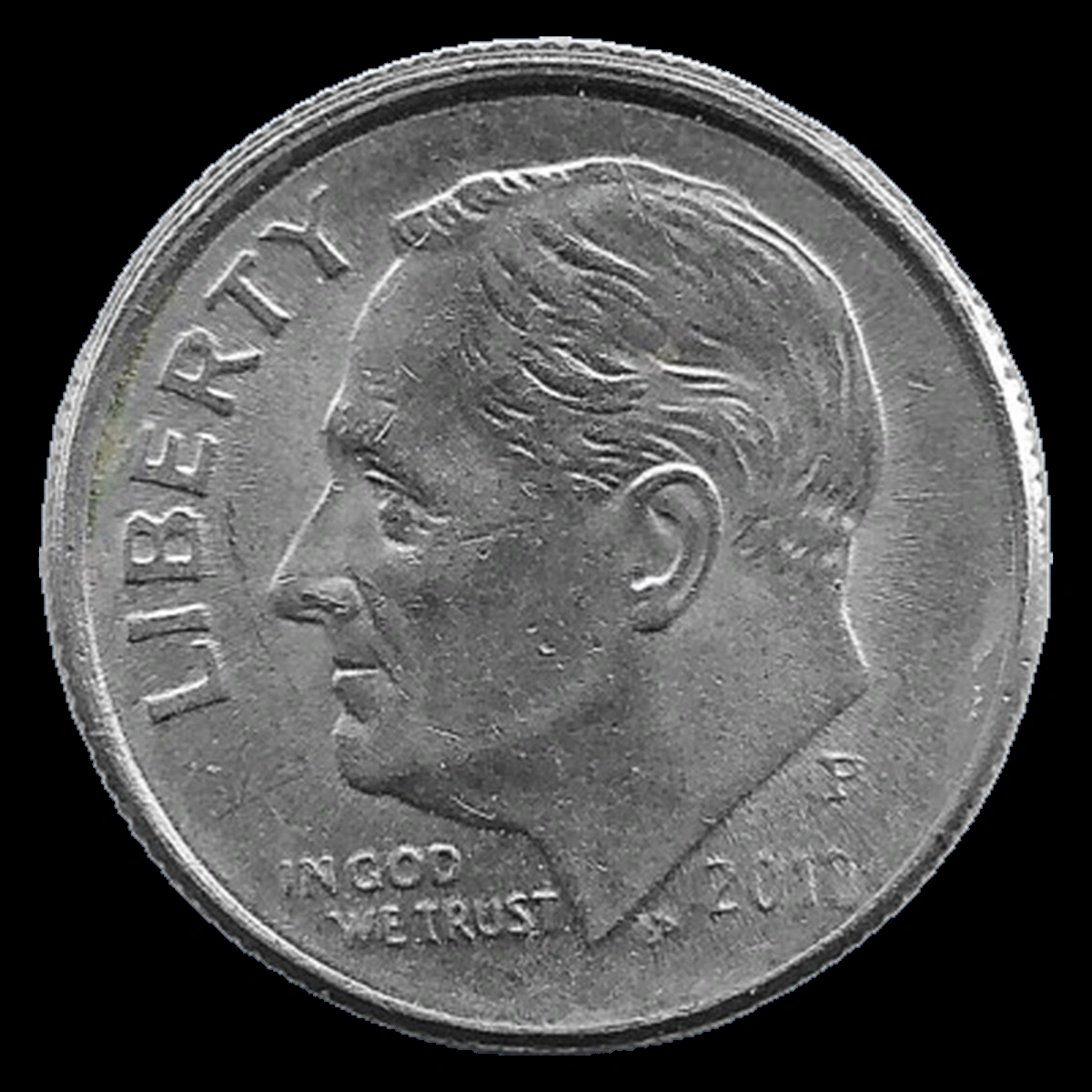
2. 2013 Dime One face shifts or the two designs disagree in direction: Die Misalignment Error
A sideways shift can move one design toward the edge while the opposite face stays centered. Rotation instead changes the direction one design faces relative to the other.
Both are alignment problems, but they need separate tests. Border width cannot establish rotation, and a slanted photograph cannot establish either mechanism.
How to Identify
For sideways movement, compare border widths on both complete faces. One centered design opposite a shifted one supports a die-position problem rather than displacement of the whole blank.
For rotation, hold Roosevelt upright and flip the coin from top to bottom around a horizontal axis. Keep the camera fixed and repeat the turn to see whether the reverse returns to the same tilt.
Check the edge and faces for later crushing. Separately straightening two photographs destroys the evidence needed to show the original angular relationship.
What It’s Worth
Estimates are $5–$50 for modest sideways shifts and $50–$300 for strong genuine alignment errors. Slightly uneven borders often add little.
The actual type and extent of movement must be demonstrated. An unsupported auction claim or seller’s label does not establish the value of an ordinary uneven rim.
3. 2013 Dime A broad metal crescent borders cut-off designs: Off-Center Strike Error
Reports include Philadelphia examples around 20% off center and separate Denver coins. Each actual specimen has its own direction, displacement, and surviving identifying details.
The blank missed its intended position, leaving part of the metal outside the dies’ contact area. The plain crescent still contains metal, unlike a clip where a section is absent.
How to Identify
Identify the date and any surviving P or D before assigning a mint. A missing mintmark area provides no proof of which letter was there.
Follow the struck-to-blank boundary on both faces. Corresponding unused areas beside incomplete designs support displacement of the whole blank.
Check for filing or removed metal along the crescent and edge. A one-sided border shift should return to the separate misalignment test.
What It’s Worth
Readable-date whole coins have an estimated $30–$500 range. A bold offset and original surfaces usually offer a stronger comparison than a minor shift on a worn coin.
A 1977 Roosevelt dime struck 10% off center sold for $109 in June 2026 at NGC MS64 Full Bands. That is a different-date comparison, not a 2013 price per percentage point.
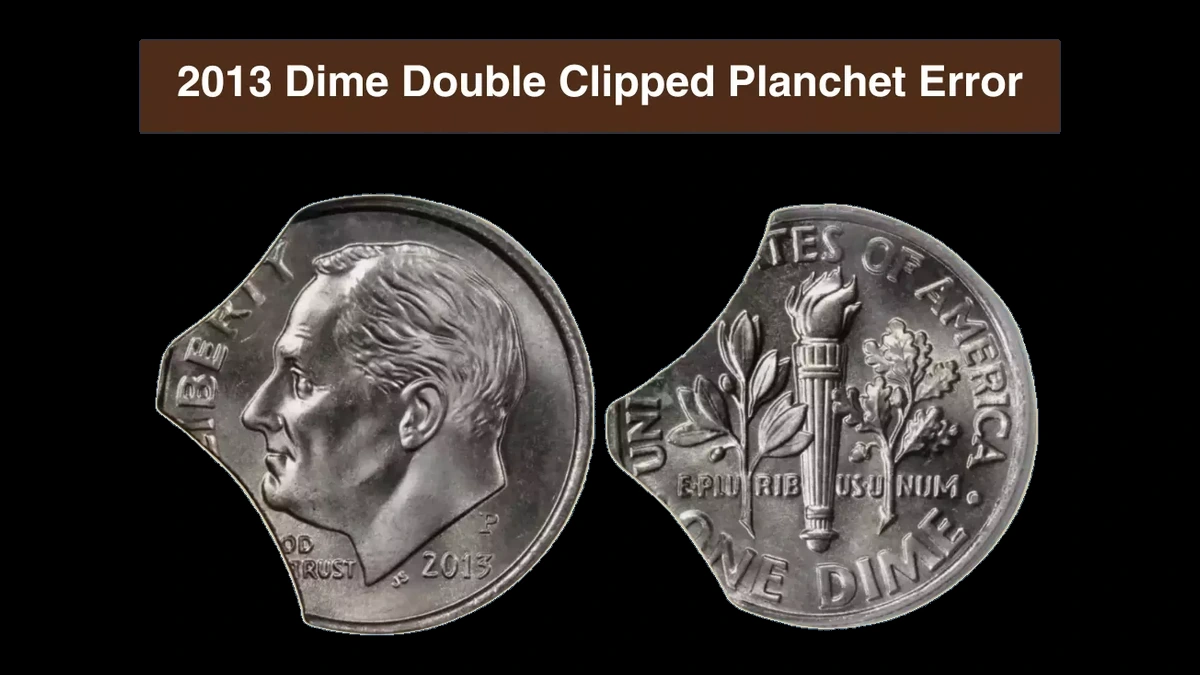
4. 2013 Dime Two gaps interrupt the original blank: Double Clip Error
The identified 2013-P ANACS MS65 weighs 1.83 grams and has two clips. GreatCollections offered it in December 2025.
The gaps were present before striking, and one blanking operation can overlap more than one existing hole in the strip. Two gaps therefore do not require two separate mint accidents.
How to Identify
Use the recorded 1.83-gram weight for the sealed example or weigh a loose coin safely. The reduced weight agrees with missing metal but cannot distinguish original clips from later cutting.
Inspect both gap boundaries for natural design flow, stretched nearby detail, and possible opposing rim weakness. Check for saw or file marks through the finished edge.
Measure intact spans rather than through the gaps. Each missing section needs supporting evidence beyond the incomplete outline.
What It’s Worth
The estimate is $40–$250 for modest through more conspicuous 2013 double clips. The certified 1.83-gram listing does not display a public sale amount.
A 2002-D straight clip sold for $61 in September 2024 at NGC MS67 Full Bands. Its different date and clip shape provide context without making two gaps worth twice a single clip.
5. 2013 Dime An attached layer opens along the edge: Lamination and Clamshell Split Error
An opening that leaves part of the coin joined can resemble a partly opened shell. Smaller peeling flaws are often called laminations, while the broader opening is commonly described as a clamshell split.
A 2013-P seller uses that label for an ungraded example. Heating, prying, and cutting can also separate layers, so the label alone does not establish an original mint defect.
How to Identify
Trace the opening toward the attached end without widening it or pressing the layers together. The dime’s copper center and bonded outer layers provide possible natural separation boundaries.
Inspect for cuts, pry marks, or heat effects across those layers. Color alone cannot prove when the split formed.
If all metal remains attached, weight may stay near 2.268 grams. Preserve the remaining connection while observing the edge and dimensions.
What It’s Worth
Genuine examples have an estimated $10–$200 range, from small peeling flaws to stronger attached splits. The ungraded 2013-P listing asks $15 with offers accepted.
That is neither a completed sale nor independent authentication. A coin forced apart after minting does not receive the same error premium because it looks dramatic.
6. 2013 Dime A missing outer layer exposes part of the copper center: Partial Missing Clad Layer Error
The reported 2013-D category affects part of the obverse outer layer. A pale-to-copper boundary can reveal where the bonded surface metal is absent.
Brown color is only a starting observation. Staining can change appearance, and chemical removal can reduce weight without creating a mint error.
How to Identify
Inspect the color boundary for a physical change in layer thickness. Follow the design across the exposed area and look for scraping or rough chemical damage.
Compare weight with the original standard, while remembering that acid also removes metal. Check the reverse and edge for related damage before attributing the exposed copper to minting.
What It’s Worth
The estimated whole-coin range is $75–$600 for genuine partial missing-layer errors. Large clear areas on well-preserved coins generally draw more interest.
A 2019-P missing 80% of its obverse outer layer sold for $139 in September 2024 at PCGS MS61 Full Bands. That different-year example with a stated missing area does not price every copper-colored 2013 dime.
7. 2013 Dime Small raised mounds affect letters or numerals: Die Chip Error
The 2013-P reports place chips near letters and numbers on either face without one fixed pattern. A small fragment breaking from a die leaves a cavity that fills during striking.
The resulting raised mound is part of the struck coin. A larger break joined to the rim is a cud, which requires its own boundary evidence.
How to Identify
Examine the bump’s base without scraping or picking it. Look for a smooth relationship to the struck surface rather than an attachment seam or nearby impact crater.
Inspect both faces and compare a documented repeat of the same shape where available. Matching marks in the same position can support a die origin, while loose material has no mint-error value.
What It’s Worth
The estimate is $5–$100 for minor through prominent whole-coin chip examples. Tiny worn bumps usually attract little extra money.
A clearly visible feature changing a letter or number can be more appealing on sound surfaces. The estimate is not proof that every raised spot deserves a premium.
8. 2013 Dime A weak patch interrupts nearby sharp details: Reported Grease Strike-Through Error
Reports for 2013-D describe weak hair, lettering, or torch detail associated with grease obstructing the die. Packed material can prevent the coin’s metal from filling selected parts of the design.
The result can be local weakness amid otherwise clear details. Wear and overall strike softness can also reduce detail, so the contrast and surface condition matter.
How to Identify
Begin with the sharpest nearby detail and follow the transition into the weak area. Compare several neighboring features instead of diagnosing the error from a missing letter alone.
Look for scraping, bright smoothing, or other evidence that detail was removed later. A local interruption without such damage is more consistent with the reported category than broad wear across exposed high points.
What It’s Worth
Estimates are $10–$30 for small missing details and $30–$150 for larger clear interruptions on ordinary circulation coins. No identified 2013 auction result establishes the upper figure.
Sharp surrounding design makes the effect easier to appreciate. General softness, heavy wear, or polishing reduces the usefulness of a high-price comparison.
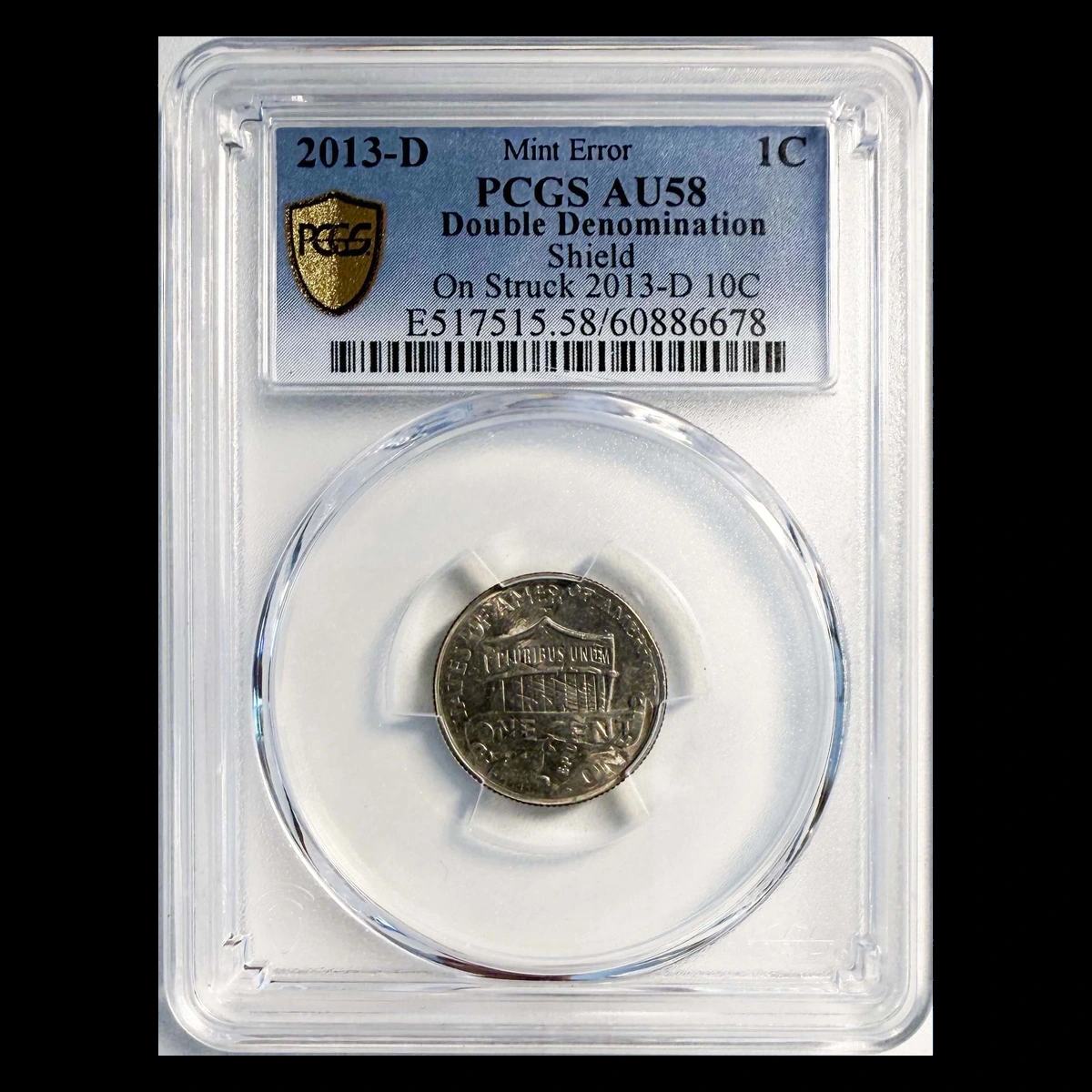
9. 2013 Dime Lincoln’s design overlies recognizable dime details: Double Denomination Error
A finished dime can receive a cent design in a later strike, leaving Lincoln over traces of Roosevelt and the reverse torch. The surviving earlier design distinguishes a double denomination from a cent struck on an unused dime blank.
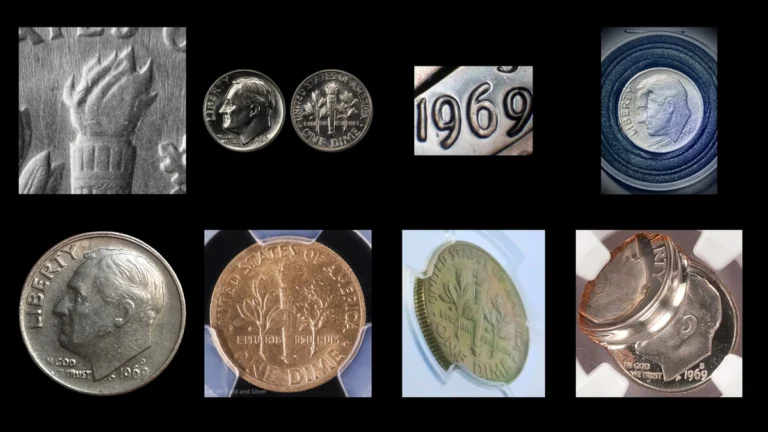
Mike Byers documented a PCGS AU58 example with 2013-D dates and mintmarks associated with both designs. Identifiable dime remnants include Roosevelt, its date, the torch, and ONE DIME.
How to Identify
Trace a recognizable dime element beneath the cent design, then compare both dates and surviving D mintmarks with the documented coin. A pale Lincoln coin alone cannot establish an earlier dime strike.
Examine both faces and the edge for remaining dime grooves and later damage. The second strike can expand the outline, so use actual recorded measurements for a sealed example.
What It’s Worth
The estimated range is $1,500–$20,000, with the upper end reflecting a seller’s $20,000 asking price for the 2013-D. No completed sale at that amount is established.
A 2001 cent over a struck 2001-P dime sold for $1,320 in September 2025. Its PCGS MS66 grade indicates an unworn coin, compared with slight wear at AU58 on the 2013 example.
The different cent design, dates, preservation, and seller expectations all limit the comparison. The auction figure does not validate the much higher 2013 asking price.
Conclusion
Edge steps, metal gaps, attached splits, and exposed copper have different causes, even when each changes a dime’s outline or color. The double denomination requires recognizable earlier dime details beneath the cent design.
The $5–$20,000 span includes modest estimates and a much larger asking price. Compare the actual feature, condition, and evidence while keeping completed sales separate from offers and listings without public results.