Rare 1921 Penny Errors (List & Pictures)
A tiny raised bar and a large overlapping strike can both be 1921 penny errors, but they need very different comparisons. Estimated whole-coin values across this list run from $3–$2,500.
The strongest supplied auction comparison is from another year: a 1925 cent struck 60% off center brought $960 in September 2019. For 1921, start by locating the unusual feature instead of using that price for every odd-looking penny.
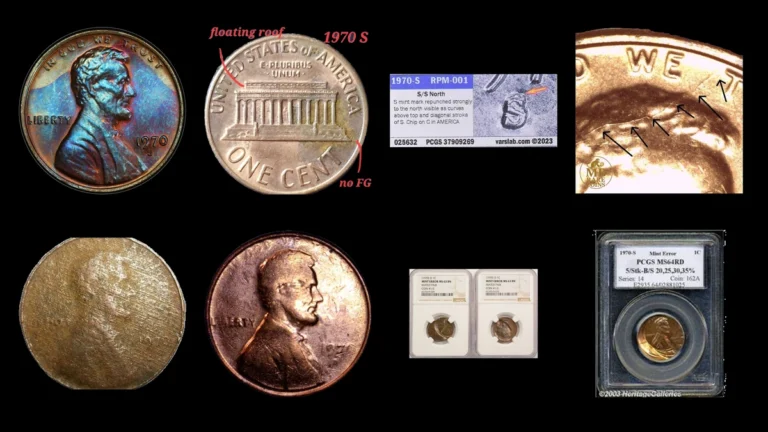
1. 1921 Penny The Back Design Has Extra Thickness: 1921-S Doubled Die Error
The San Francisco variety DDR-001 has a subtly thickened back design. The repeated detail was on the die, so the coin did not need to be struck twice to show it.
How to Identify
The specialist listing identifies E PLURIBUS, the separating dots, and both wheat stems as comparison areas. It does not describe two widely separated copies of the whole back.
Confirm the S below the date, then compare with a normal San Francisco coin of similar wear. The thickened pattern should agree across several areas instead of depending on one dark shadow beside a letter.
What It’s Worth
$15–$250 is an estimated range for identified DDR-001 examples. Clear stems, dots, and lettering make a stronger case than a worn coin whose shape is hard to match.
No specific auction realization is supplied for this variety. The range reflects subtle thickening and the whole penny’s condition, rather than dramatic separated lettering.
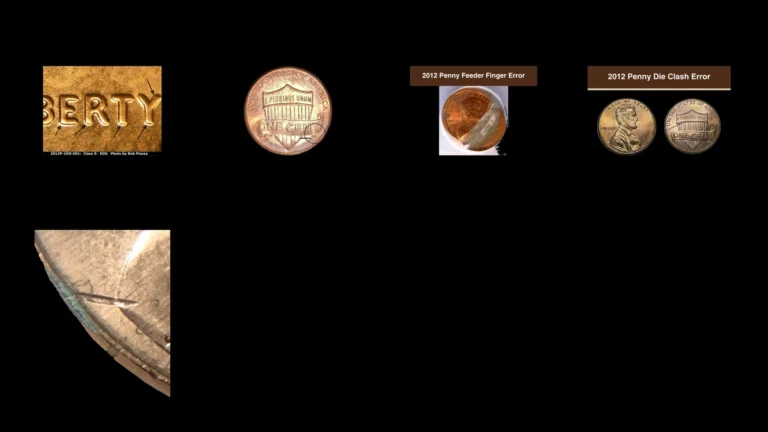
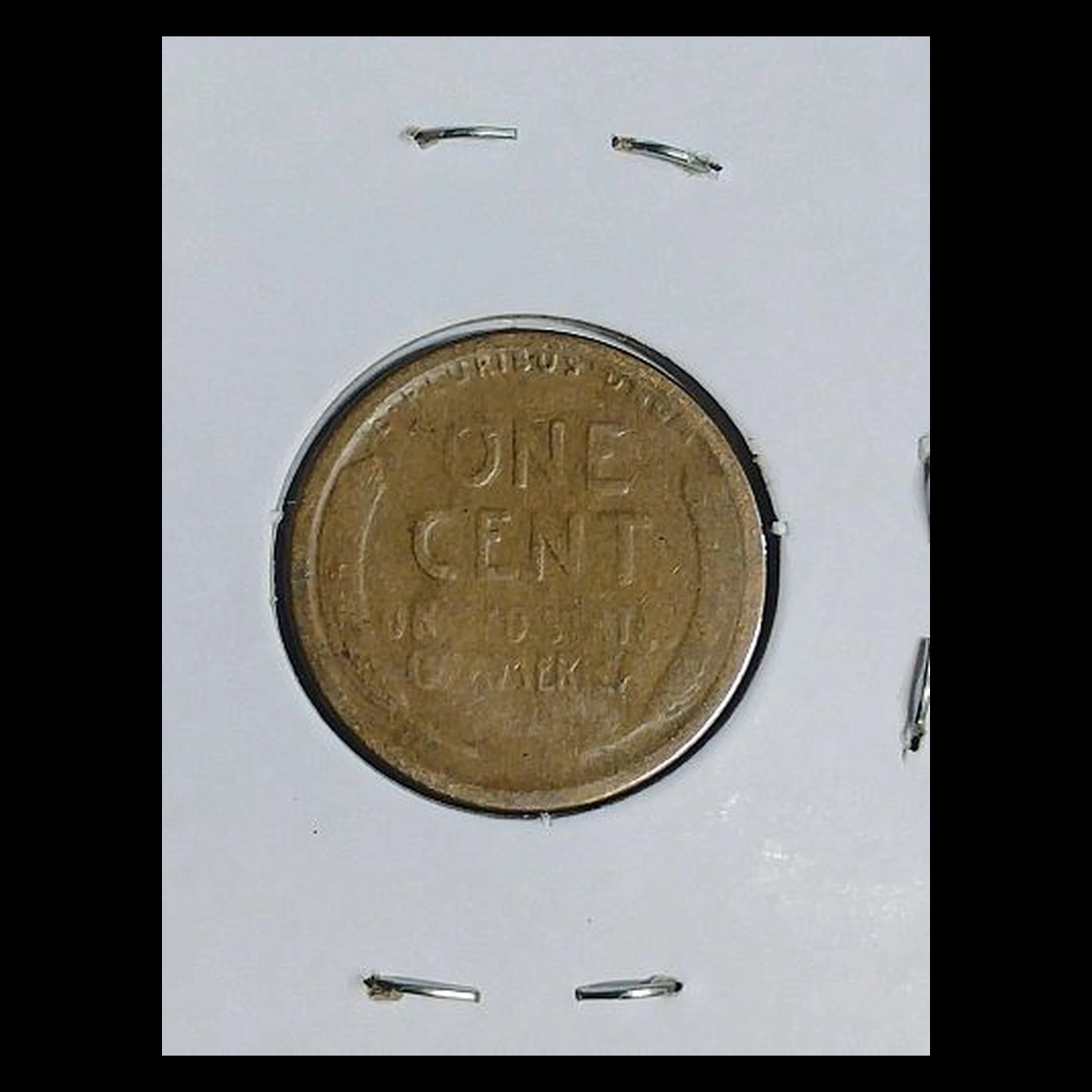
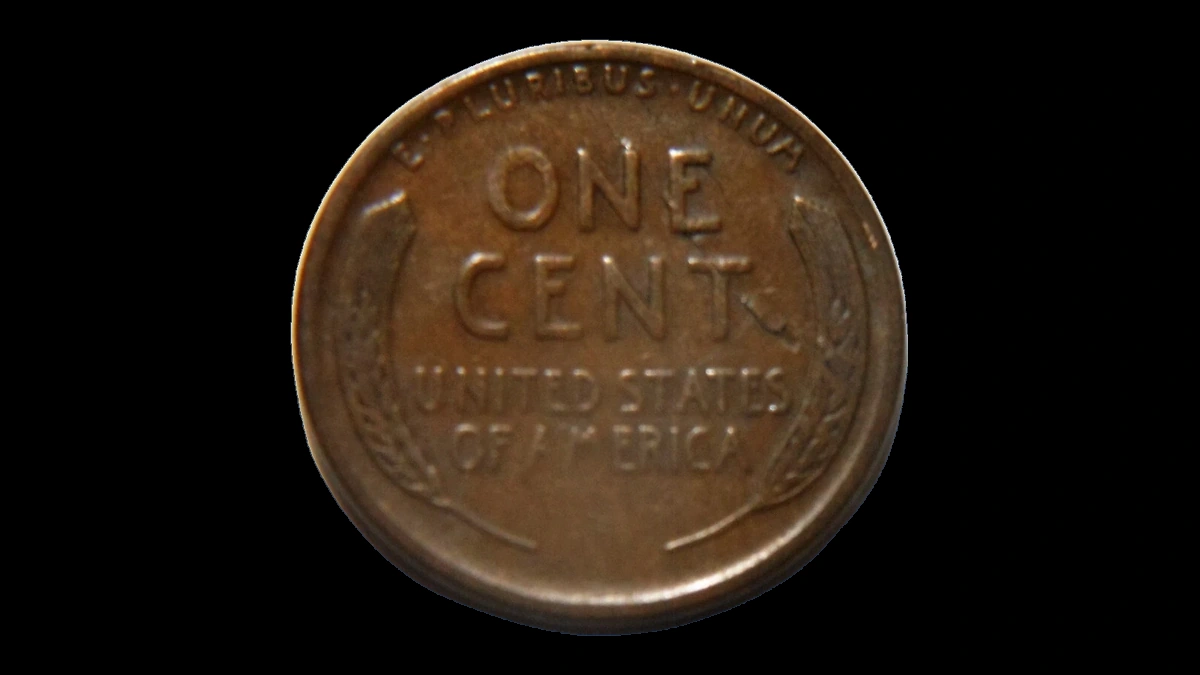
2. 1921 Penny Back Detail Looks Locally Weak: Reported Grease Blockage Error
One seller describes weak back detail on a 1921-S cent as grease-related. The same coin has a separate peeling layer on the front.
How to Identify
Grease can fill small openings in a die and prevent parts of the design from forming. However, the seller’s description is a proposed cause, not certification of the blockage.
Compare the back with a normally worn 1921-S before judging its softness. Similar flattening across exposed high points may be wear, while a weak strike can also reduce detail.
Inspect the transition from clear to faint design for scraping or polishing. The front lamination does not, by itself, prove why the back letters are weak.
What It’s Worth
$5–$100 is a working estimate for confirmed grease-blocked detail on a circulated 1921-S. The seller’s two reported features should receive one combined whole-coin assessment.
A 1933-D back struck-through cent graded VG10 by PCGS sold for $30 in October 2022. That worn coin’s obstruction was unspecified, so its sale does not establish grease as the cause on the 1921-S example.
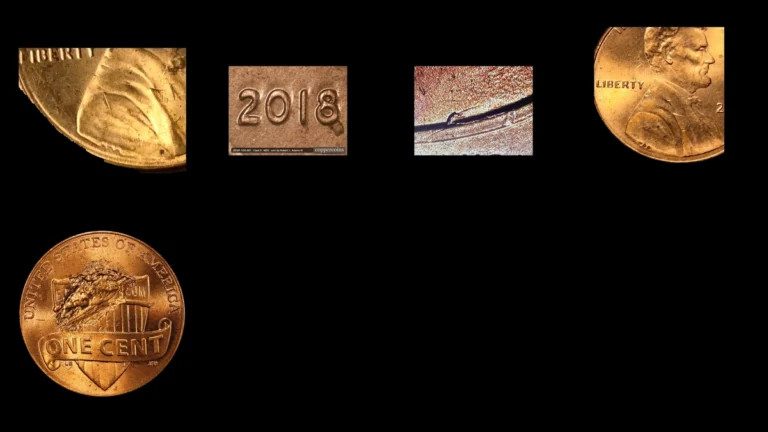
3. 1921 Penny LIBERTY Gains a Raised Bar: BIE Chip or Die Crack Error
A small die chip between B and E can leave enough raised copper to resemble an extra I. A longer crack in the die instead leaves a thin line on the coin.
How to Identify
Read the letters around the raised bar before calling it a BIE. A line or lump elsewhere has a different position and should be described accordingly.
Under changing light, a die-crack line rises above the original surface while a scratch cuts into it. Dirt can also gather around letters, so avoid scraping a candidate to expose a preferred shape.
What It’s Worth
$3–$75 is an estimated whole-coin range for ordinary circulated pieces with small genuine cracks or BIE chips. A crisp, easily seen bar can add more interest than a faint line.
The supplied year report provides the category rather than a named 1921 BIE sale. Mint and overall condition remain part of the total value.
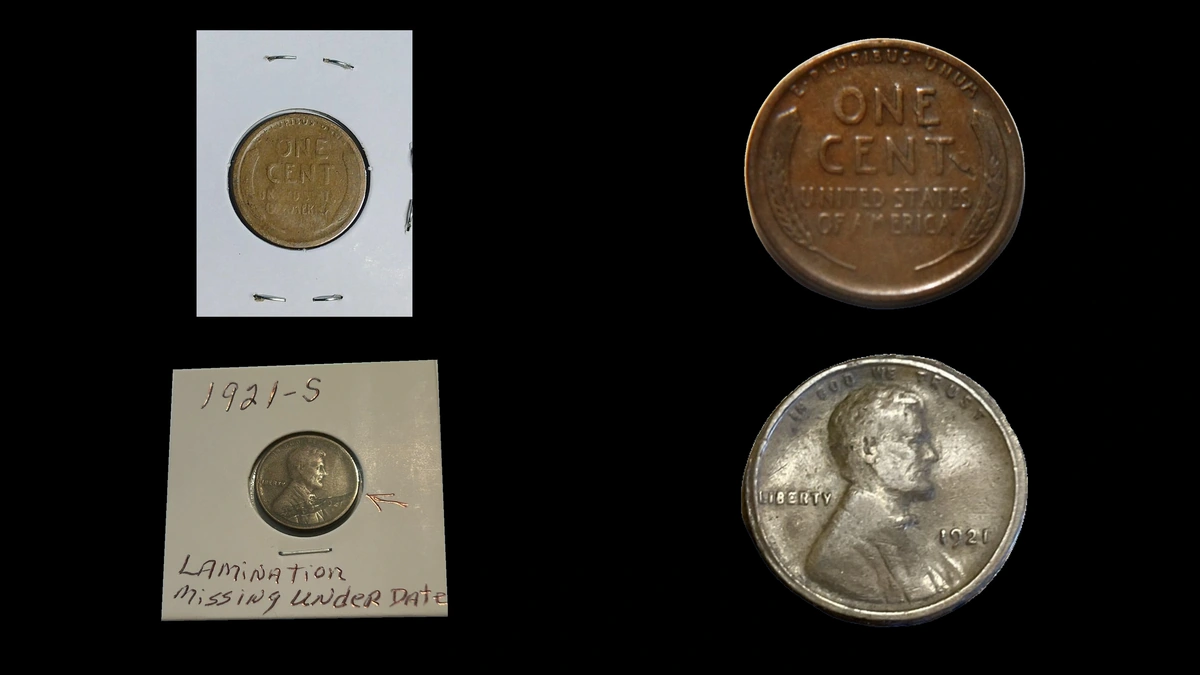
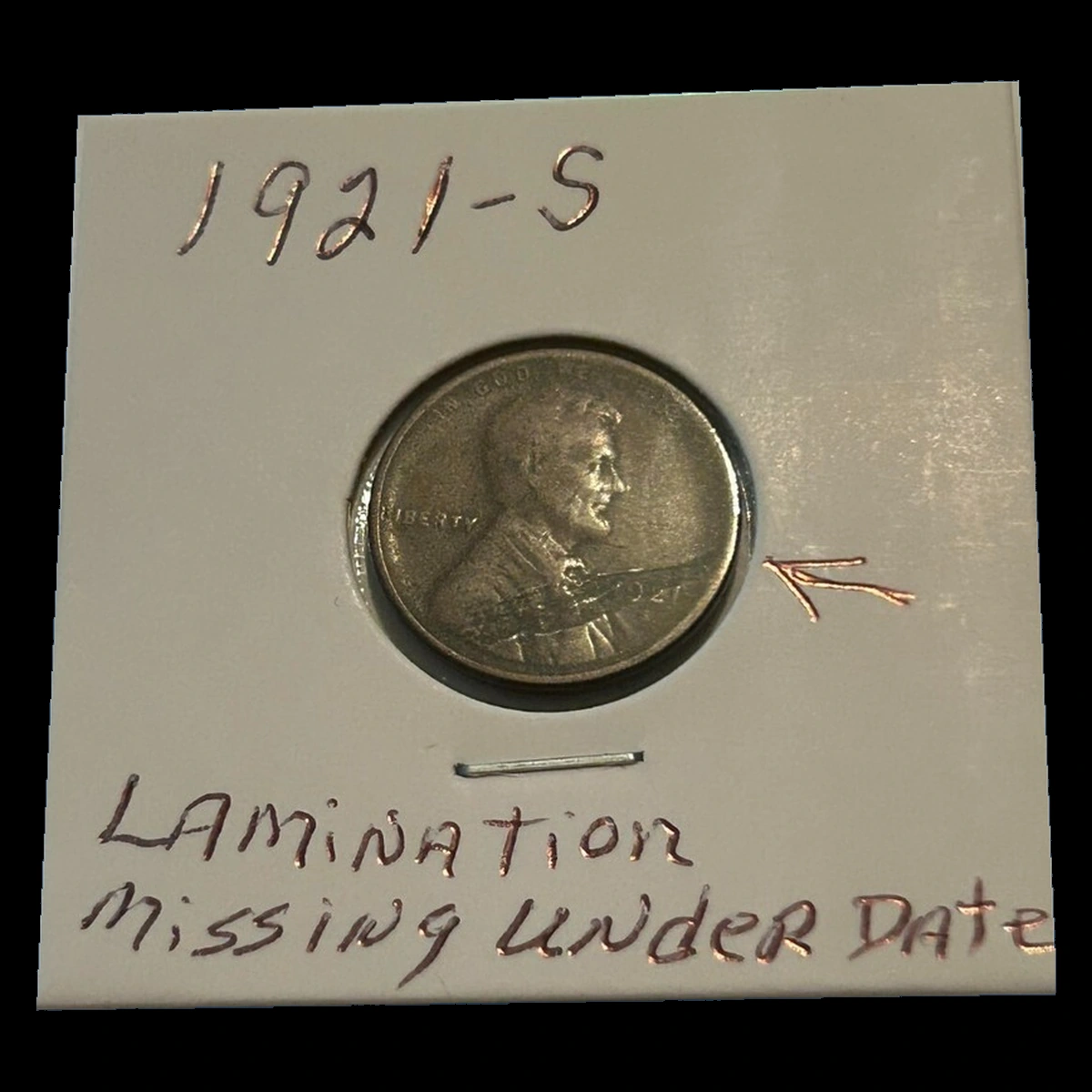
4. 1921 Penny Bronze Lifts in a Thin Sheet: Lamination Error
A layer can separate within the copper-rich alloy, leaving a flap or shallow opening. The penny has no modern zinc center beneath a copper coating.
How to Identify
Use low lighting to follow the edge of the separating sheet without lifting it. A gouge may push metal upward too, but its cut passes through an already formed surface.
The records include a worn 1921 front lamination and separate San Francisco examples on either face. The seller’s combined S coin needs its front peel and weak back photographed as different features.
A normal cent is about 3.11 grams and 19.05 millimeters across. A retained flap may leave the weight nearly unchanged, while lost metal can lower it.
What It’s Worth
$10–$300 is an estimated range for 1921 laminations. The 2021 youth auction catalog listed a $30 opening amount for its front-lamination cent, which is a starting figure rather than a final sale.
A 1941-S retained back lamination graded MS66 Red by PCGS actually sold for $69 in April 2020. That unworn, different-year example has its own layer and condition.
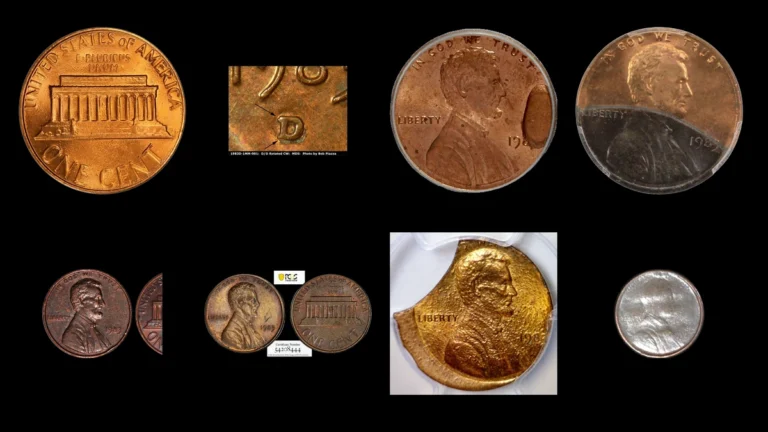
5. 1921 Penny A Curved Section Is Missing from the Edge: Clip Error
The documented 2.95-gram penny was incomplete before it was struck. Its blank-cutting punch had overlapped an existing hole, leaving a curved missing section.
How to Identify
The Rippere collection example is graded AU55 by ANACS, indicating light wear. Inspect the actual curve and the way the struck rim approaches both ends.
Weakness opposite the gap can support an original clip, but a low weight alone cannot determine when metal disappeared. Saw marks, filing, or sharp cuts through finished detail point toward later removal.
What It’s Worth
$20–$250 is a working estimate for a genuine 1921 curved clip. The 2.95-gram specimen’s March 2025 appearance supplies a recorded example, not an individual sale amount quoted here.
A 1925 Philadelphia curved clip weighing 2.92 grams and graded VF20 by ANACS sold for $56 in March 2023. Similar weights do not make the more worn, different-year coin an exact price match.
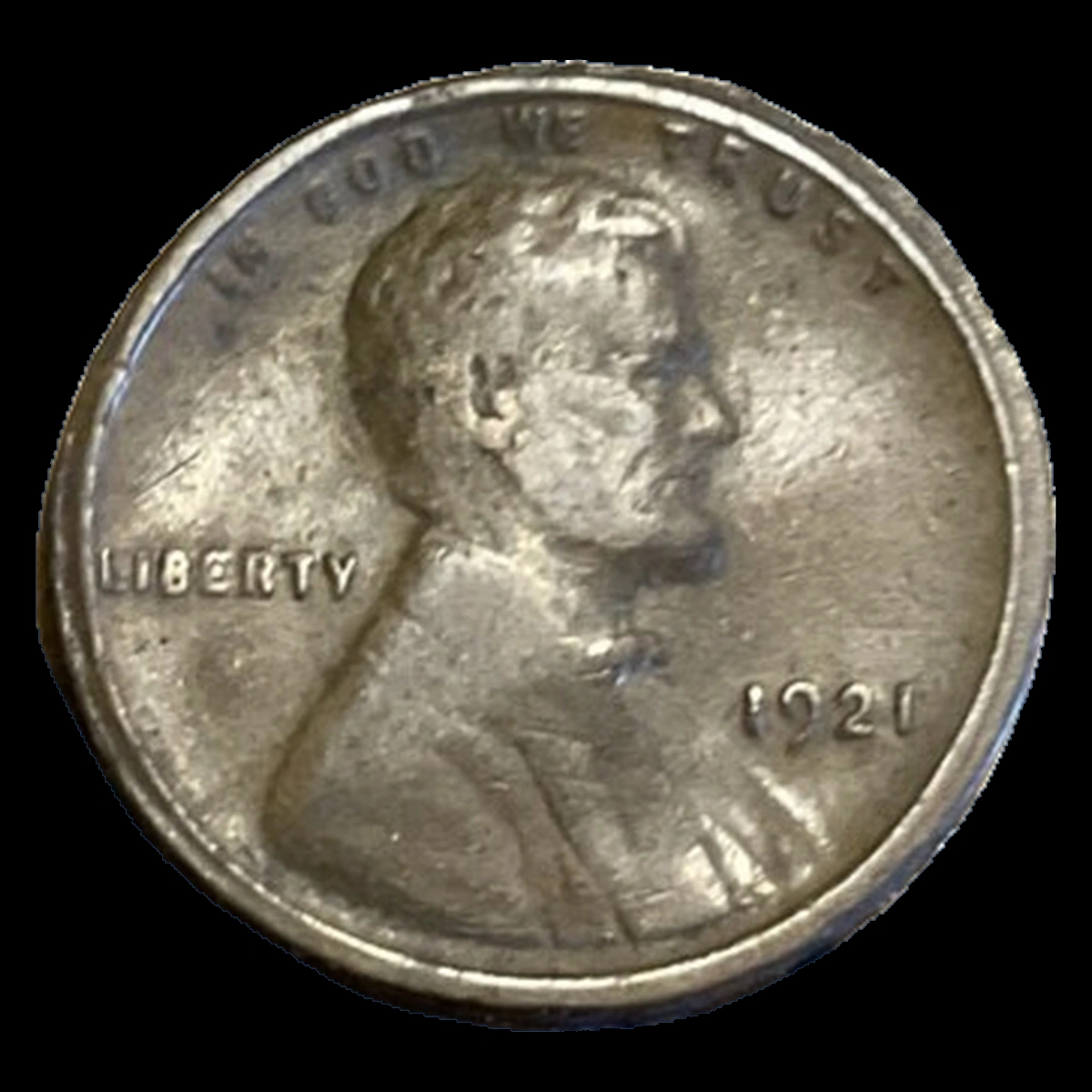
6. 1921 Penny Extra Width Surrounds All the Design: Broadstrike Error
A broadstrike spreads beyond the normal edge because the collar failed to contain the blank. The collar is the ring around the coin during striking.
How to Identify
The supplied Philadelphia example is graded XF40 by ANACS and shows circulation wear. Its expanded margin should still contain the intended front and back designs.
Compare the whole outline with a normal cent and inspect the narrowest border. Hammering can also widen a finished penny, but may crush existing letters or fold the edge.
A plain edge is normal on these cents, so smoothness alone proves nothing. The useful combination is original spreading with the full design retained.
What It’s Worth
$30–$400 is an estimated range for circulated 1921 broadstrikes. Strong spread and original surfaces make a more useful comparison than a slightly battered border.
A 1929-S broadstrike graded MS64 Brown by PCGS sold for $288 in August 2020. Its unworn condition differs from the 1921 XF40 example.
7. 1921 Penny The Picture Ends before the Blank Does: Off-Center Strike Error
An off-center blank receives only part of the intended design, leaving unused metal beside it. The missing part is the picture, not necessarily a piece of copper.
How to Identify
The supplied 1921 year guide includes this category without setting a single mint or percentage. Read the actual date and check the displacement on both faces.
The bare crescent should be original blank surface rather than a ground-down design. If only one face is displaced while the other stays centered, a different die-alignment problem may explain it.
What It’s Worth
$40–$1,500 is an estimate for a dated, authenticated 1921 off-center cent. Mild shifts generally compare below dramatic errors that still preserve a clear year.
A 1925 Philadelphia cent struck 60% off center and graded AU58 by PCGS sold for $960 in September 2019. This is the supplied different-year comparison, not a claimed 1921 result.
8. 1921 Penny Two Groups of Design Overlap: Double Strike Error
A struck penny can receive another blow after shifting or turning. Surviving earlier details and the later impression then show different positions on the same piece of metal.
How to Identify
The 1921 report does not establish a universal overlap pattern. Find related groups of letters or portrait details that fit one consistent second movement.
This differs from the subtle DDR-001 thickness already present on a die. One rough or broad letter cannot establish two strikes.
Look where the later design crosses earlier detail on both faces. Recessed backward marks made by squeezing two finished coins together need a different explanation.
What It’s Worth
$150–$2,500 is an estimate for authenticated 1921 double strikes. Clear overlapping designs and better preservation support stronger comparisons.
A 1925 Philadelphia example graded XF40 by NGC, with its second strike off center, sold for $360 in May 2018. It provides a completed sale for a related error without supplying a fixed price for the reported 1921 category.
Conclusion
The most useful clue may be a thickened wheat stem, a layer edge, or an entire second set of letters. Choose a comparison that explains that particular shape and preserves the difference between a documented variety and a seller’s proposed cause.
Keep fragile metal untouched and retain photographs of both faces. Price the entire coin once, especially when weak detail and peeling occur together.