Rare 1901 Penny Errors (List & Pictures)
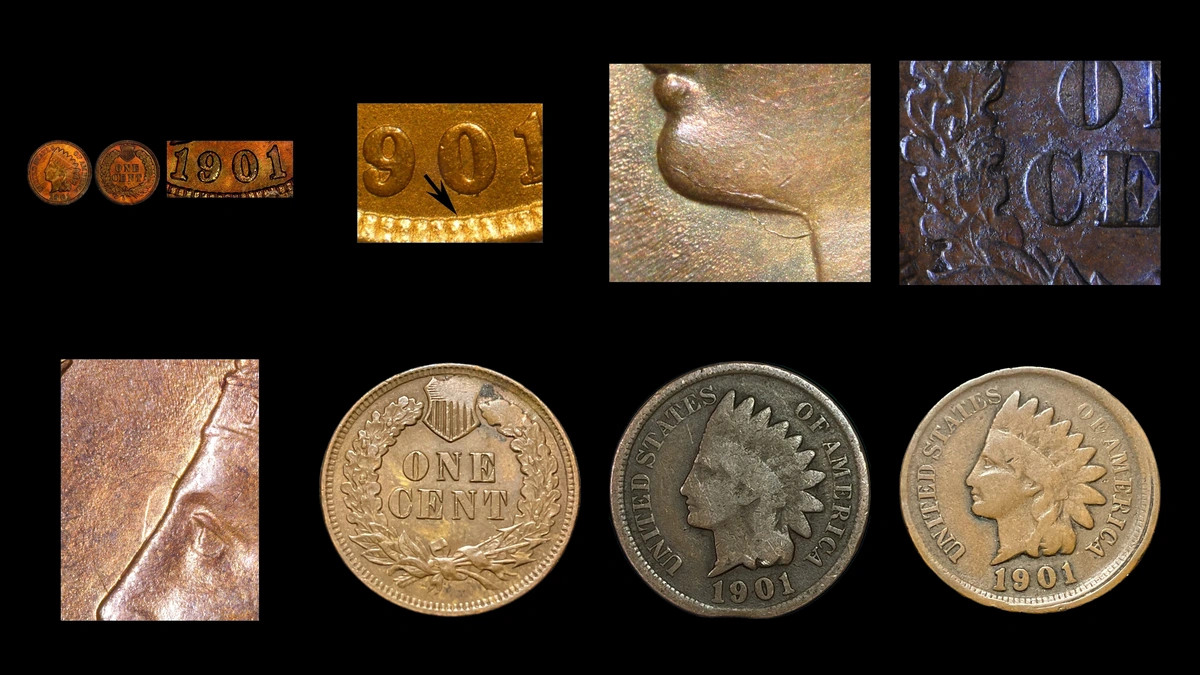
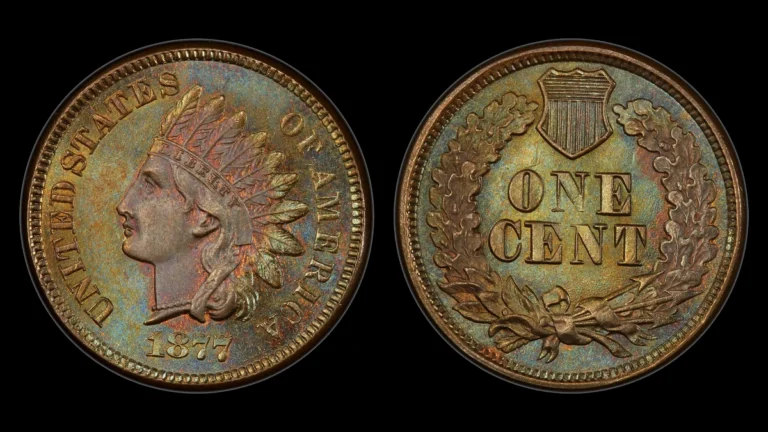
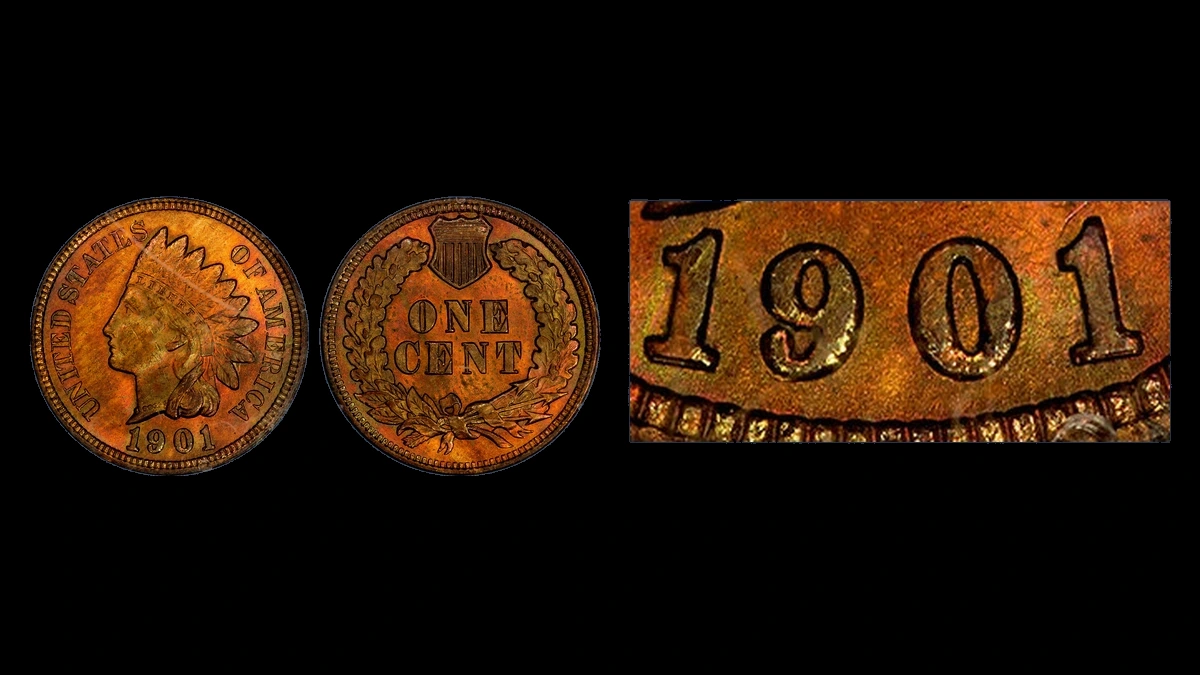
A Proof-67 Red cent with a repunched date sold for $8,700 in August 2019. Its exceptional preservation and collector finish account for much of that price.
Estimated whole-coin values for 1901 Indian Head penny errors range from $5 to $9,000. Begin at the date and portrait, then compare the surface and outline; use separate price comparisons for ordinary strikes and specially made Proofs.
| Observation | Possible error | Estimated value |
|---|---|---|
| Extra date strokes | Repunched or misplaced date | $10–$9,000, including Proofs |
| Repeated front design | Reported doubled die | $15–$1,500, conditional |
| Raised marks or faint outlines | Die damage, rust, or clash | $5–$750 |
| Local depression | Struck-through | $20–$500 |
| Gap or enlarged outline | Clip or broadstrike | $15–$750 |
| Displaced or repeated images | Off-center, double, or flipover strike | $75–$4,000 |
The ordinary bronze coin weighs about 3.11 grams and measures roughly 19 millimeters across, with a plain edge. Measurements can reveal major alterations, but small die varieties require a photographic match.
1. 1901 Penny Small Earlier Strokes beside the Date: Repunched Date Error
A second placement of the date punch can leave portions of its earlier position in the die. Reported 1901 patterns affect different combinations of the 9, 0, and either 1.
How to Identify
Establish ordinary strike or Proof before selecting a comparison. A shared die pair between reported ordinary and Proof examples does not give the two finishes the same identity or value.
Snow-PR4 has a slight extra stroke at the first 1, while another Proof report repeats 01 below the main digits. Compare the date’s position above the border as well as each small raised remnant.
What It’s Worth
Estimated whole-coin values span $10–$9,000: ordinary repunched dates about $10–$1,000 and appropriate Proof comparisons about $500–$9,000. Finish and preservation are central to those different tiers.
The exceptional Proof-67 Red Snow-PR4 sold for $8,700 in August 2019, according to PCGS’s record. An ordinary Snow 19 graded AU50 brought $150 on eBay in November 2016, a separate marketplace result.
2. 1901 Penny Digit Remnants Appear in the Border: Misplaced Date Error
A date punch entering the die away from its intended position can leave number fragments among the border teeth. One 1901 variety pairs a remnant below 0 with a repunched final 1.
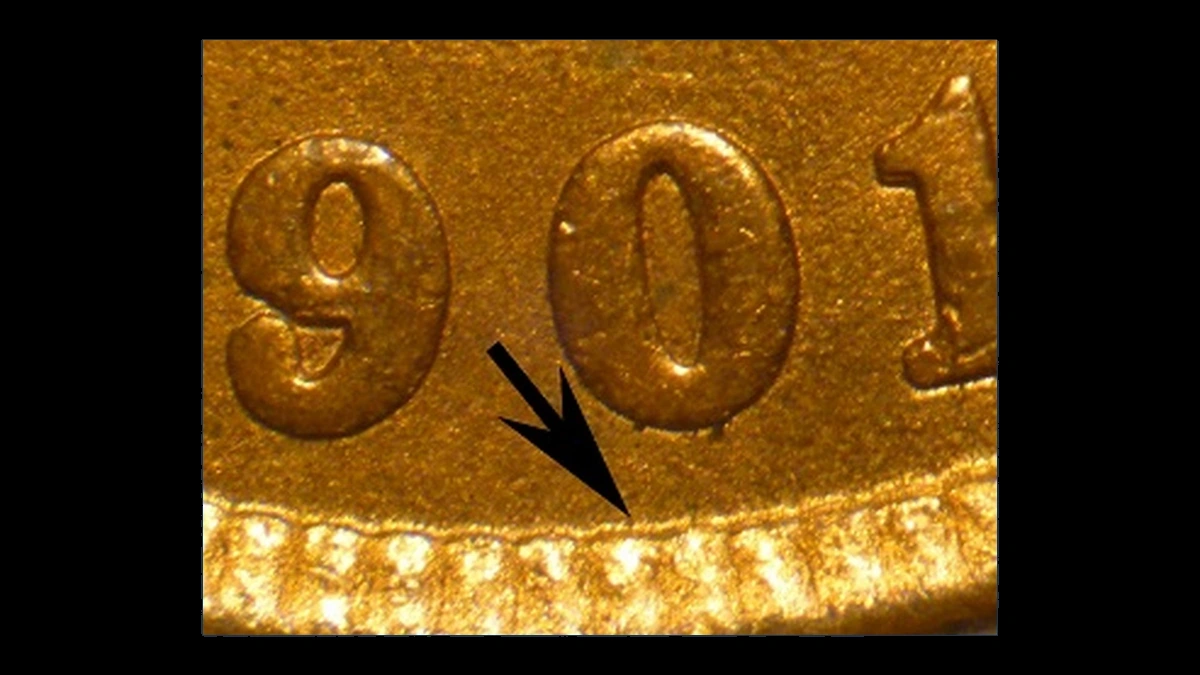
How to Identify
Compare both features of that combination rather than treating an isolated bump as proof. Another variety has remnants of 1, 9, and 0 in the border and needs its own reference photograph.
Inspect the border for tooling before tracing digit shapes. Later stages of a known die do not automatically represent new misplaced-date varieties.
What It’s Worth
Identifiable 1901 misplaced dates are estimated at $20–$1,500. Stronger readable fragments and better preservation support higher comparisons.
A 1908 MS65 Red and Brown misplaced date has a recorded $1,187 eBay result from 2021. That different-year example does not price the combined repunched and misplaced features of one 1901 coin separately.
3. 1901 Penny Repeated Letter Outlines in LIBERTY: Doubled Die Obverse Error
The reported doubled-front category points to LIBERTY and the final date digits 01. Here the proposed repetition belongs to the die’s design before the penny is struck.
How to Identify
Begin with raised letter outlines or split corners in LIBERTY and match an attributed example. Date-only repetition also fits a separately repunched date and cannot establish a doubled die by itself.
A low flat shelf beside a narrowed letter can form during striking. A general year-list label does not replace a clear diagnostic match.
What It’s Worth
The conditional estimate is $15–$1,500 for a genuine matched doubled-front variety. Its actual strength and preservation must support the chosen comparison.
A recognized 1887 Indian cent doubled front sold for $1,380 in June 2025. Its established variety identity does not transfer to an uncertain 1901 report.
4. 1901 Penny Whisker-Like Chin Marks or Rim Sections: Die Cracks and Cuds Error
Damage to the die can leave raised metal near the chin. Two chip forms and an internal chin crack are documented, each with a different shape.
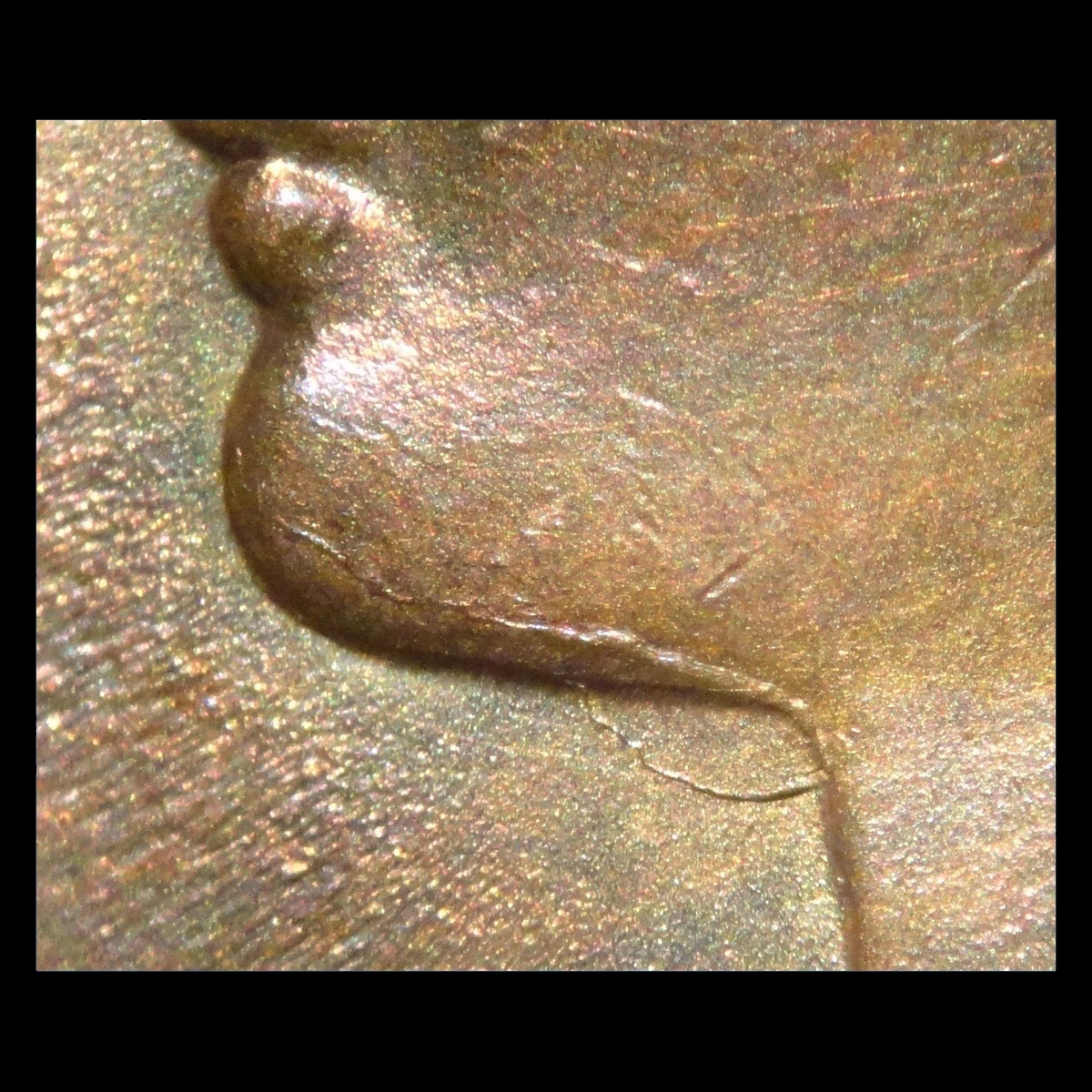
How to Identify
Follow the actual chin feature and distinguish a narrow crack from a wider chip. A mark confined to the chin does not become a rim cud.
A separate retained break affects the lower-right reverse rim, with design surviving inside the cracked section. Other records show reverse cracks or two small breaks together; use the matching specimen rather than combining unrelated images.
What It’s Worth
Estimated values range from $5–$750, with minor chin chips and cracks about $5–$150 and larger retained sections about $50–$750. The total belongs to the whole coin.
A 1946-S Lincoln cent cud sold for $288 in March 2021. Its different design and break make it a broad bronze-cent comparison rather than a direct price for a chin variety.
5. 1901 Penny Tiny Rough Spots Stand above the Reverse: Rusted Die Error
Rust pits in a die can fill with metal and become raised spots on its coins. The reported 1901 example has this roughness on the lower-left reverse.
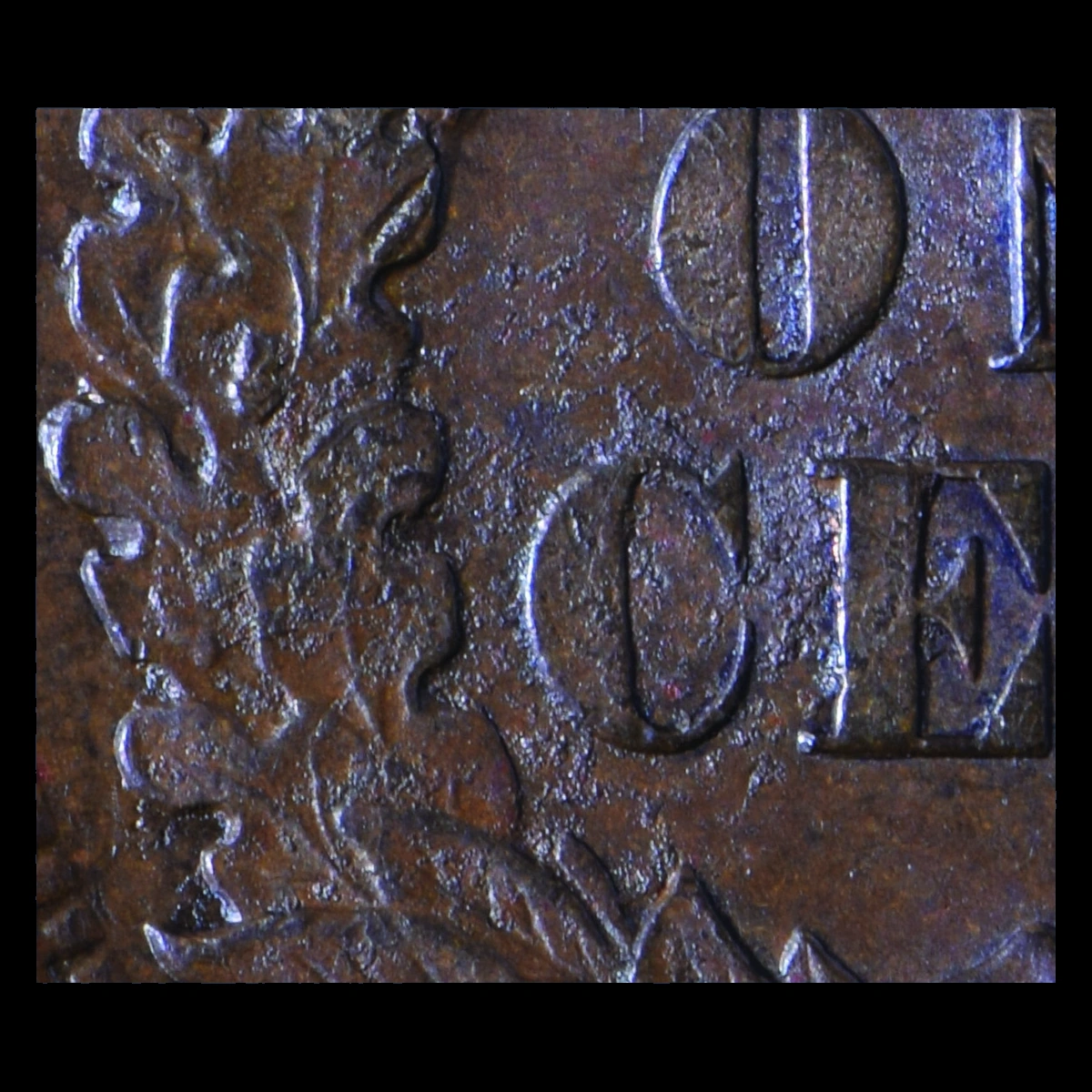
How to Identify
Under low lighting, distinguish raised roughness from pits eaten into the cent by corrosion. Deposits can hide the surface, so scraping them away would destroy useful evidence.
Match the associated date strokes inside the lower loop of 9 and beneath 0 and the final 1. The front and reverse features should agree with the same documented die pair.
What It’s Worth
Identifiable rusted-die examples are estimated at $5–$250. This is a whole-coin range, including the associated date variety.
The ordinary AU50 repunched-date coin that brought $150 on eBay in November 2016 is a different comparison. It does not measure a separate rust premium.
6. 1901 Penny Faint Traces Belong to the Other Face: Die Clash Error
A collision between dies without a blank can transfer parts of their designs to one another. Later coins may carry those unwanted traces.
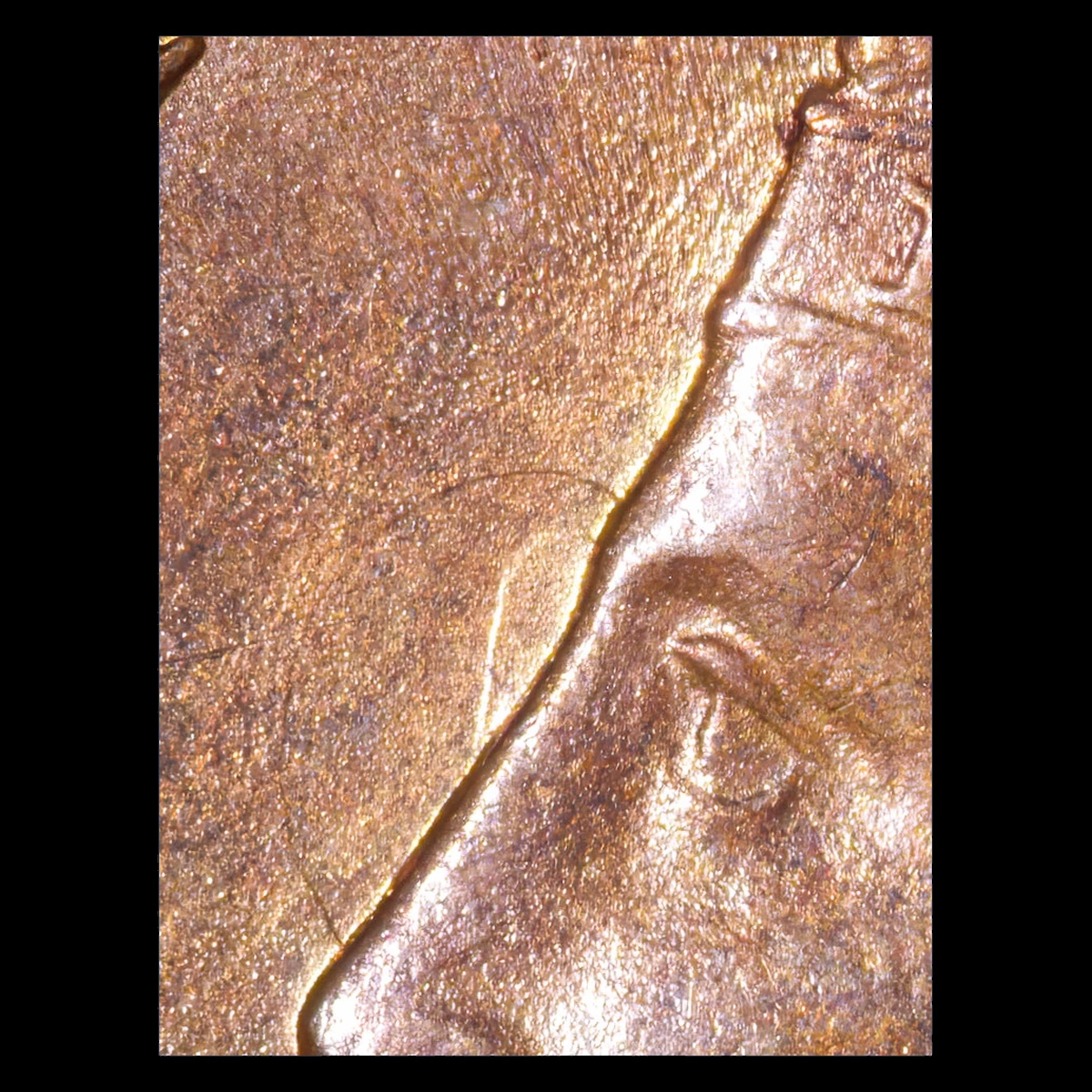
How to Identify
Align the two designs in their proper relationship and test whether the proposed trace fits a specific opposite-side feature. Rotating the comparison separately for each random line does not establish a clash.
The public collection report describes marks on both faces without assigning exact positions here. Inspect both sides and rule out scratches, shadows, and later squeezing.
What It’s Worth
Visible matched clashes on ordinary 1901 cents are estimated at $15–$500. Recognizable outlines and original surfaces strengthen the comparison.
The collection entry supplies no sale for its exact coin. If another variety is present, value the full combination once rather than adding two entire ranges.
7. 1901 Penny A Patch of Front Detail Was Blocked: Struck Through Material Error
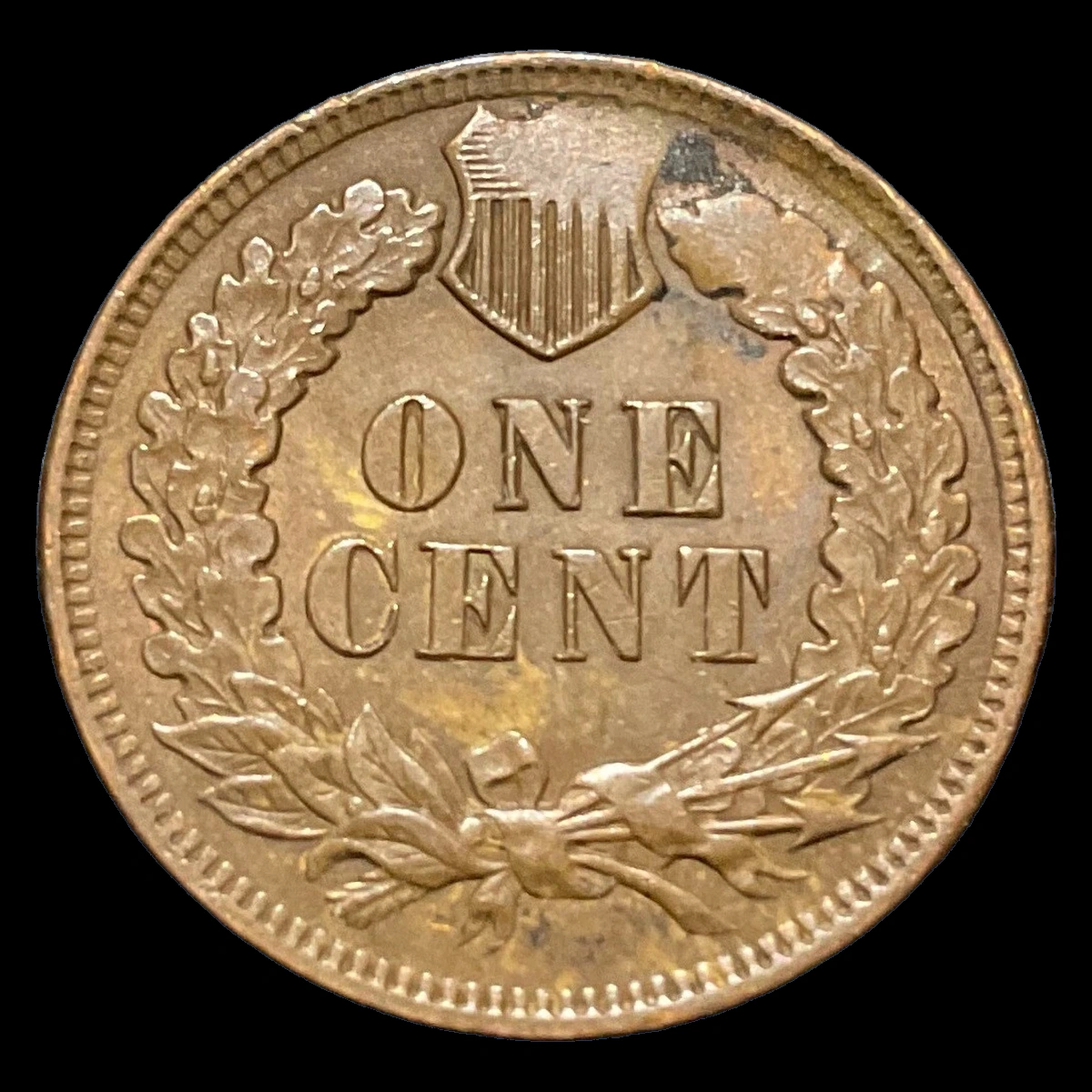
Material between the blank and die can leave a weak area or a recessed impression. The general 1901 report concerns the front but does not identify the object or its precise location.
How to Identify
Follow nearby design into the affected area and inspect its boundary. A later dent can crush finished detail and push metal into a raised lip.
The object need not remain attached to leave an impression. If material does remain, photograph it without removing or cleaning it.
What It’s Worth
A genuine front struck-through cent is estimated at $20–$500. A clear original impression is easier to compare than slight unexplained weakness.
A 1920 Lincoln cent struck through a metal fragment sold for $134 in March 2025. Its known obstruction and later design are distinct from this general 1901 report.
8. 1901 Penny A Gap Interrupts the Rim: Clipped Planchet Error
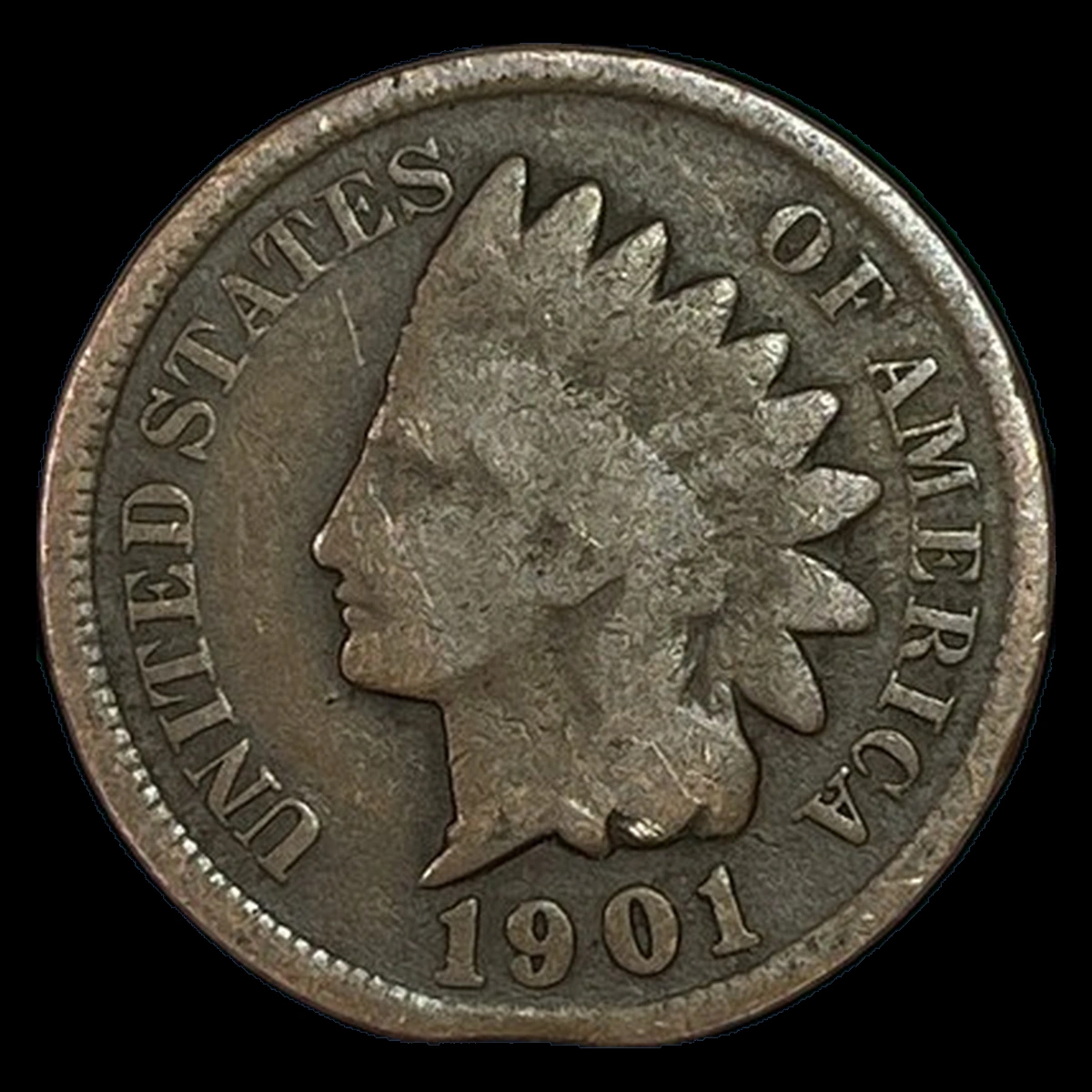
An incomplete prepared blank can receive its design around the missing metal. A recorded 1901 rim-clip example was graded ANACS VG08, showing that the feature can survive substantial wear.
How to Identify
Examine where the gap meets the remaining border on both faces and the edge. A genuine worn coin may no longer show sharp flow detail, but later saw cuts and filing remain important alternatives.
Look for possible weakness opposite the gap without making it a requirement for every clip. The supplied listing does not establish one standard shape or direction for all 1901 examples.
What It’s Worth
Comparable genuine clips are estimated at $15–$350. The worn ANACS listing has a hidden auction amount, which is not used as a price here.
A 1905 cent with a ragged clip and an off-center strike sold for $211.50 in August 2013. That whole combination cannot price a clip alone.
9. 1901 Penny Complete Designs Surrounded by Extra Width: Broadstrike Error
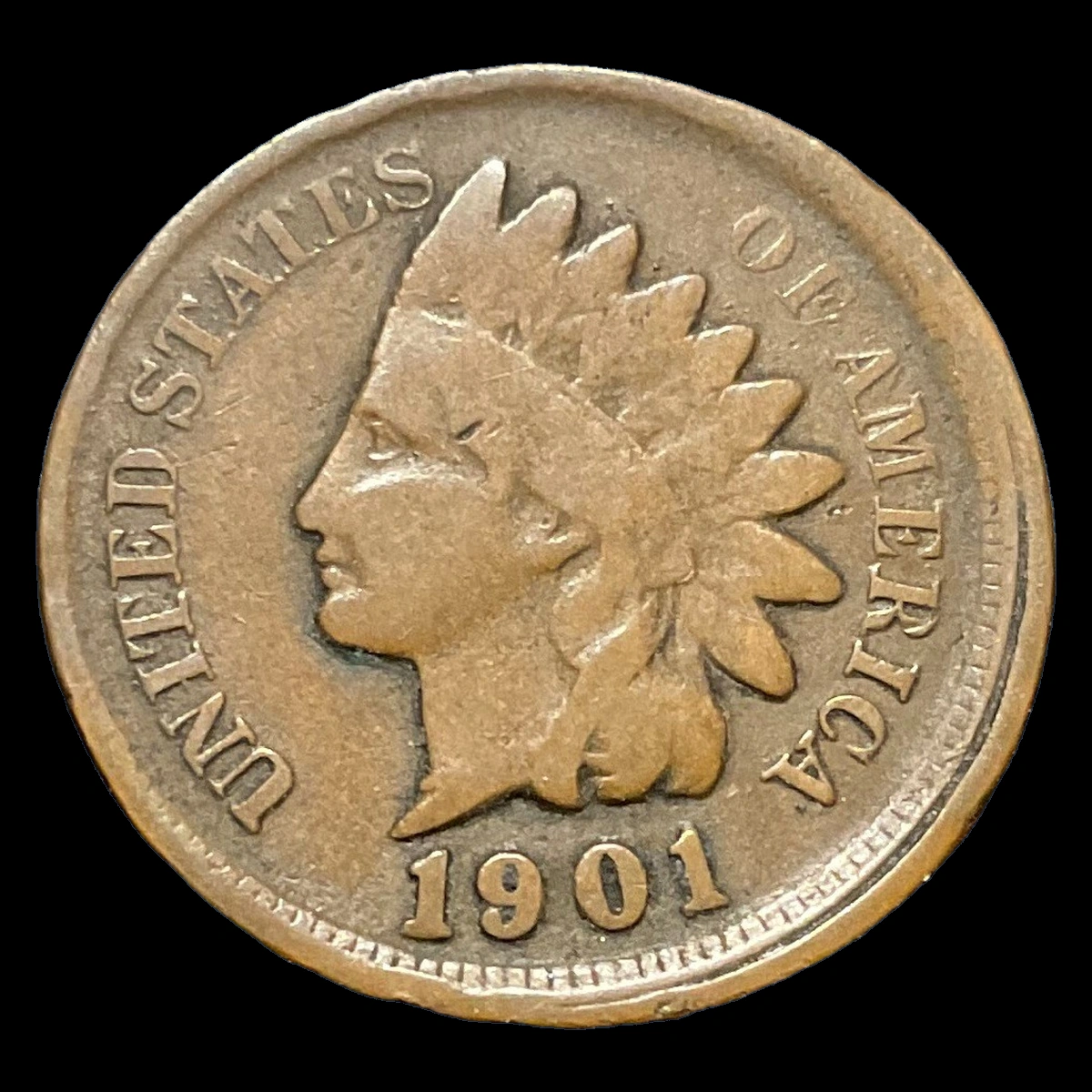
The collar normally controls outward metal flow during striking. Without proper restraint, the coin can expand while retaining the intended design.
How to Identify
Follow the outer design around both faces, then check the edge for hammering or squeezing. Width alone is insufficient because later flattening can also enlarge a cent.
The recorded Heritage 1901 example is graded NGC VG10. Its worn outline and remaining design should be assessed without demanding unworn surface detail.
What It’s Worth
Genuine broadstrikes are estimated at $25–$750. The spread, preservation, and any surface damage affect the whole-coin value.
A 1905 Indian cent broadstrike graded AU58 Brown brought $258.50 in May 2016. Its slight wear makes it a stronger-condition comparison than the 1901 VG10 listing.
10. 1901 Penny The Design Runs beyond the Metal: Off-Center Strike Error
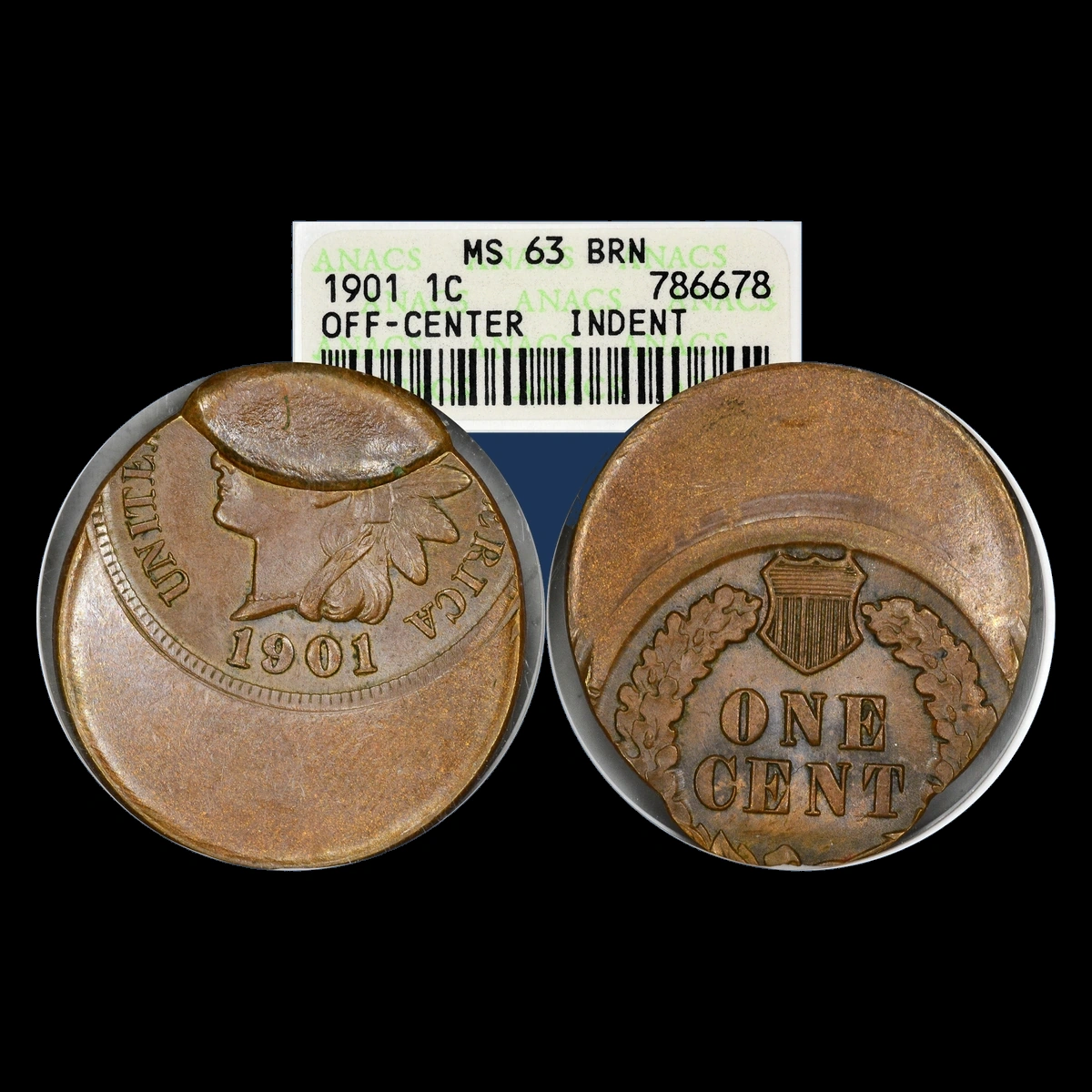
A blank seated away from the dies’ center receives an incomplete image beside unused metal. Reported 1901 examples include 5%, 10%, 15%, and 25% displacements.
How to Identify
Read enough date to establish 1901 and compare the two faces with the same physical blank position. A shift on only one side may have another alignment cause.
The 15% report points toward eleven o’clock, but other specimens have their own directions. Inspect unused metal and the edge for grinding, trimming, or cleaning.
What It’s Worth
Estimated values run $75–$2,000 for identifiable 1901 off-center cents. Condition can outweigh a small difference in displacement.
Two 10% examples sold in March 2026: a cleaned coin with VF detail brought $119, while an AU53 coin brought $231.80. Neither moderate result automatically supports the range’s upper end.
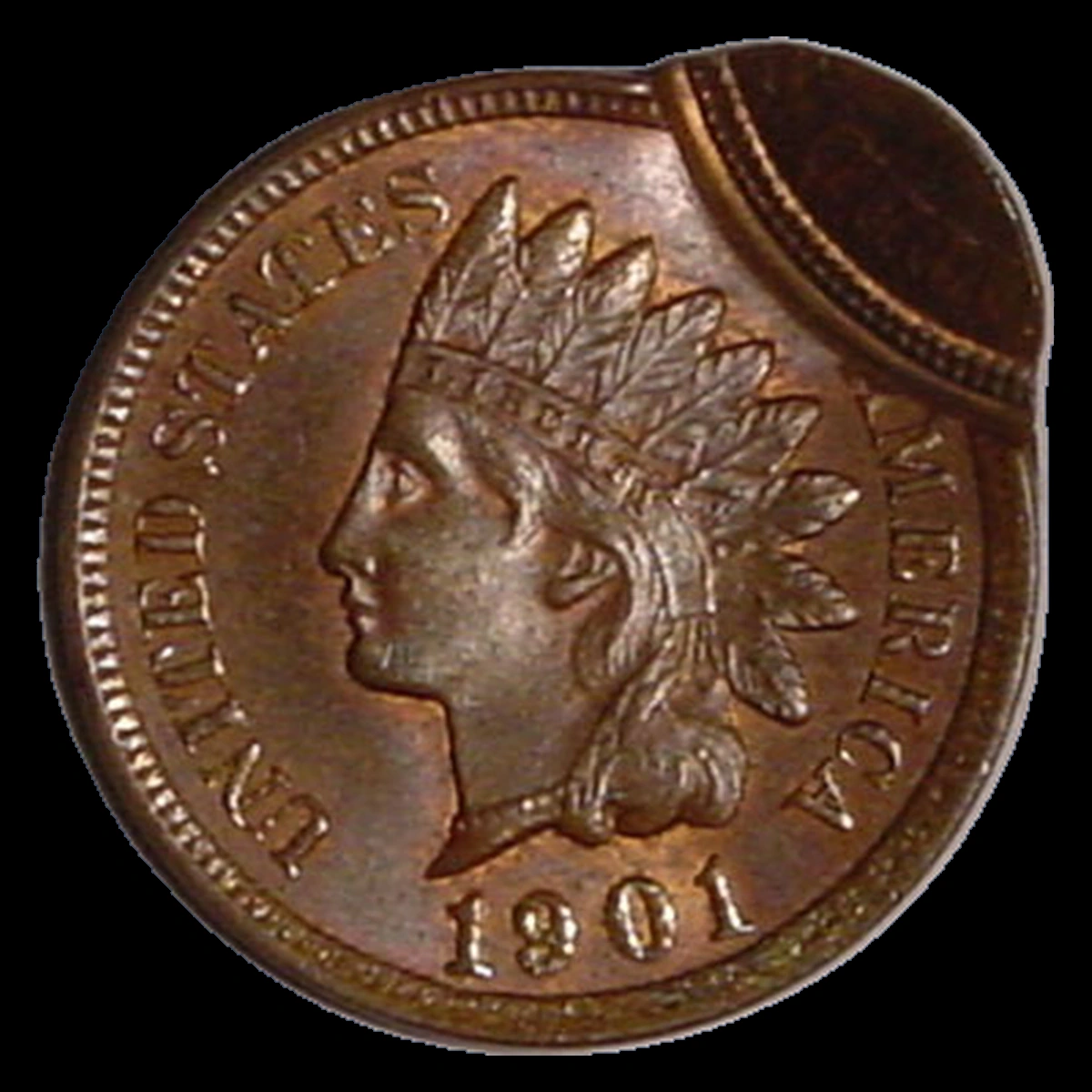
11. 1901 Penny A Later Date beside a Faint Earlier One: Double Strike Error
The recorded coin began with a centered strike and then received a second blow about 10–15% off center. Its second date is clear, while the first date’s final 1 survives faintly.
How to Identify
Use those two date positions to trace the corresponding portrait and lettering. The repeated details should agree on two whole-design positions, rather than merely thickening one digit.
Check where the later blow covers earlier detail and inspect the edge for artificial pressing. Do not count isolated ridges as a third strike.
What It’s Worth
Genuine 1901 double strikes are estimated at $250–$2,000. Surviving overlap and preservation determine the relevant comparison.
The ANACS XF45 example sold for $517.50 at Heritage in January 2008. That completed historical sale does not guarantee the same price today.
12. 1901 Penny Opposite Designs Overlap after a Turn: Flipover Double Strike Error
A coin turning over before another strike can retain front and reverse elements on the same face. Mint Error News illustrates a 1901 Indian cent with this flipover error.
How to Identify
Use photographs of both faces to separate the earlier design from the later opposite-side impression. Look for crossings where the newer strike partly covers the older detail.
A sunken mirror image from contact with another coin is a different event. Inspect for edge joins and later pressing before interpreting an unfamiliar outline as a flipover.
What It’s Worth
Estimated value is $700–$4,000 for a genuine 1901 flipover with identifiable overlap. No completed sale is assigned to the illustrated example.
A cleaned 1956-D Lincoln flipover brought $456 in June 2024. Its much later date, different design, and surface problem make it a qualified comparison rather than the Indian cent’s price.
Conclusion
The date gives several useful starting points, but an extra digit stroke does not automatically establish a doubled die or another strike. Follow the same explanation through the rest of the design.
The $5–$9,000 estimates include both worn ordinary coins and exceptional Proofs. Match the finish, variety, condition, and actual error combination before comparing a 1901 penny with any of the recorded amounts.