Rare 1808 Penny Errors (List & Pictures)
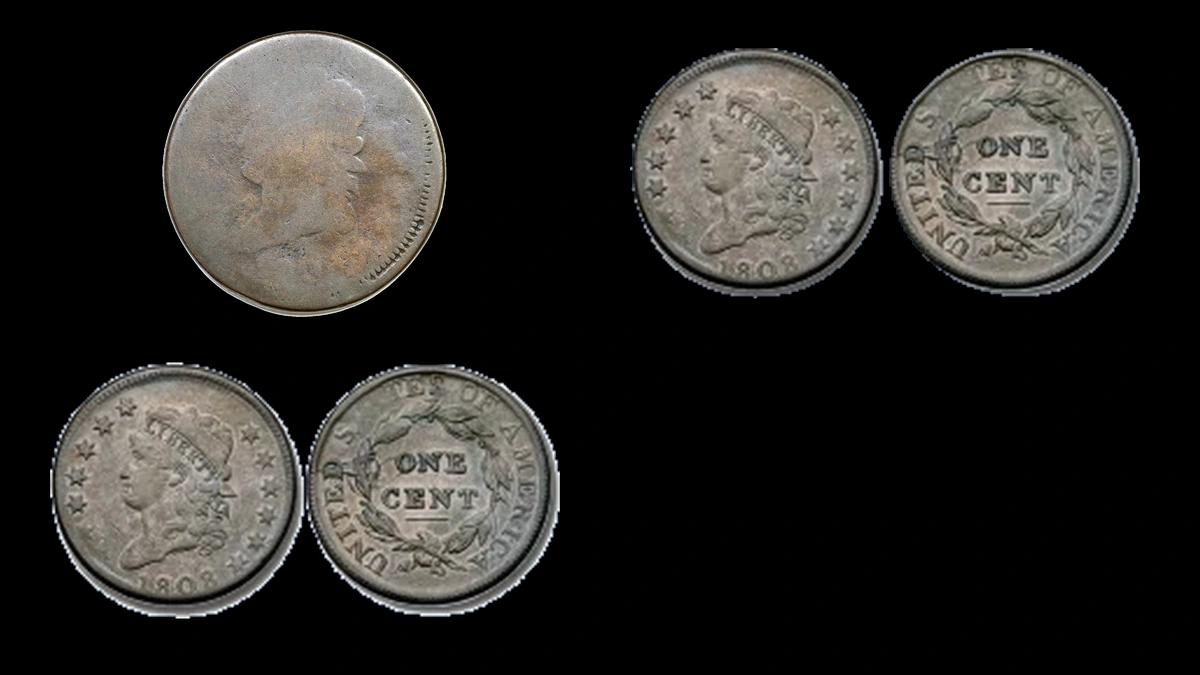
The hardest part of identifying some 1808 penny errors is establishing the date: one major off-center specimen has no date visible at all. Other examples need close examination of a rim break, a thin copper layer, or an extra design outline.
Estimated whole-coin values run from $75 to $20,000, with a well-preserved, slightly displaced example selling for $12,000 in August 2021. Examine the outline first, then compare both faces and the surface details; preservation can matter as much as the error.
1. 1808 Penny The Design Runs Beyond the Border: Off-Center Strike Error
The position of the design tells more than the mere absence of border teeth. A blank struck away from the dies’ center may lose just a little edge detail or leave a substantial portion of the design outside the copper.
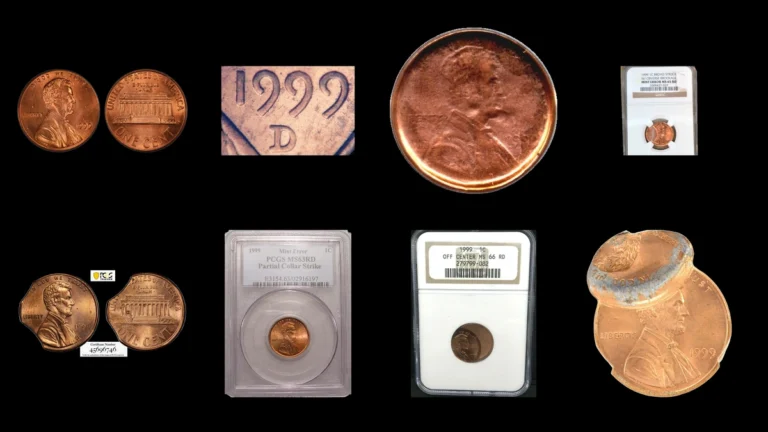
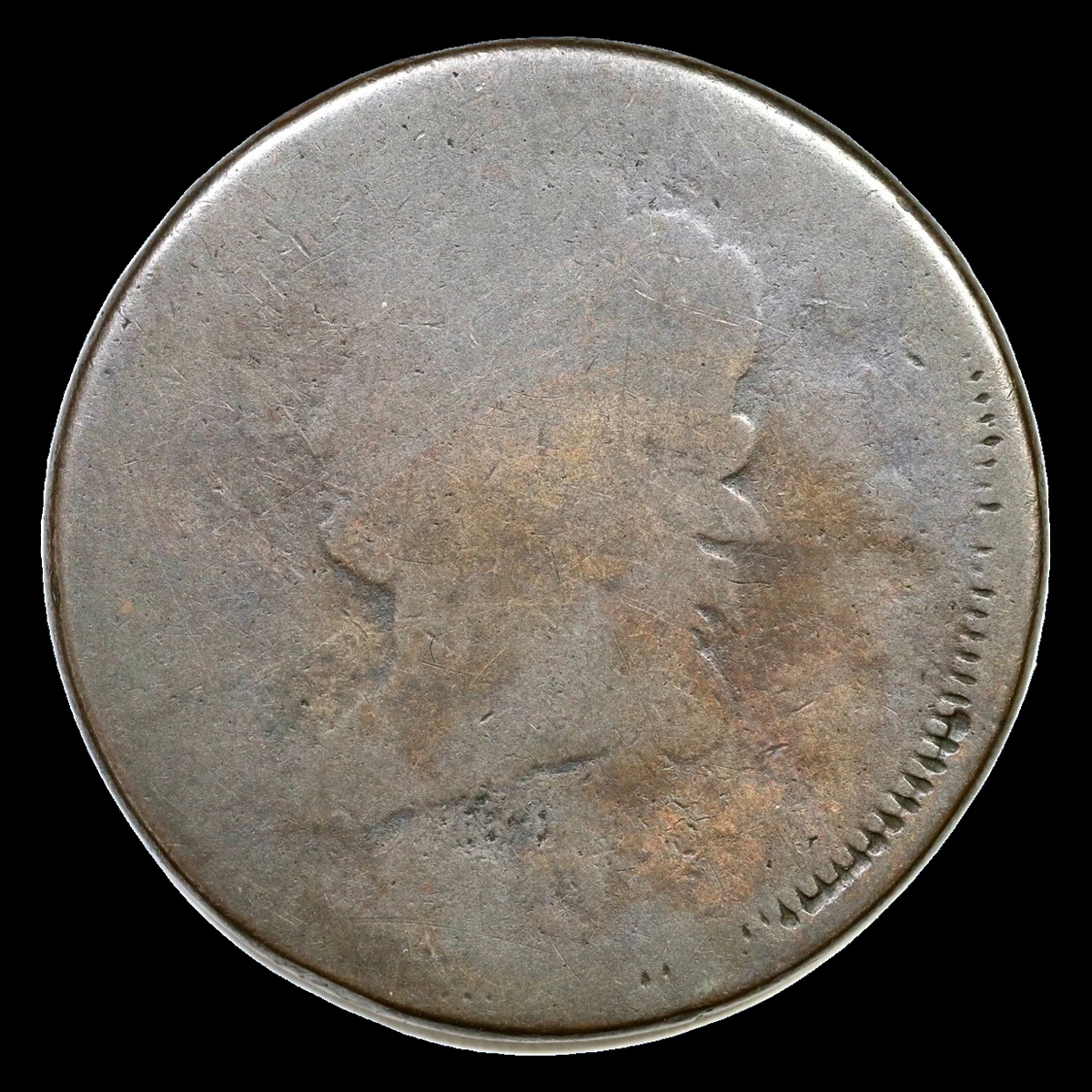
Two documented 1808 examples show these extremes. One has missing border teeth at the lower front and right reverse, while another was struck 30% off center and lost the entire date.
How to Identify
Look around the full circumference of both faces to establish how the design sits within the disc. Worn teeth, a filed edge, or a clipped section should not be mistaken for a displaced strike.
The undated 30% example was identified through matching reverse cracks and clash marks, including the crack through D in UNITED. Its Classic Head portrait alone cannot establish 1808 because the design continued for several years.
For general comparison, an intact large cent of this type has a plain edge, weighs about 10.89 grams, and measures roughly 28–28.5 millimeters. Record any distortion or metal loss before interpreting measurements, and confirm that the denomination is ONE CENT rather than the smaller HALF CENT.
What It’s Worth
$150–$2,000 for slight shifts on worn cents and $3,000–$15,000 for major errors or exceptional preservation are the supplied ranges. The slightly displaced PCGS MS62 Brown example brought $12,000 in August 2021, reflecting its unworn condition as well as the strike.
The separate undated coin, graded AU55 for very light wear, realized $6,462.50 at Goldberg in February 2018. Its specialist attribution preserved a specific identity despite the missing numerals.
2. 1808 Penny A Backward Portrait Replaces the Reverse: Brockage Error
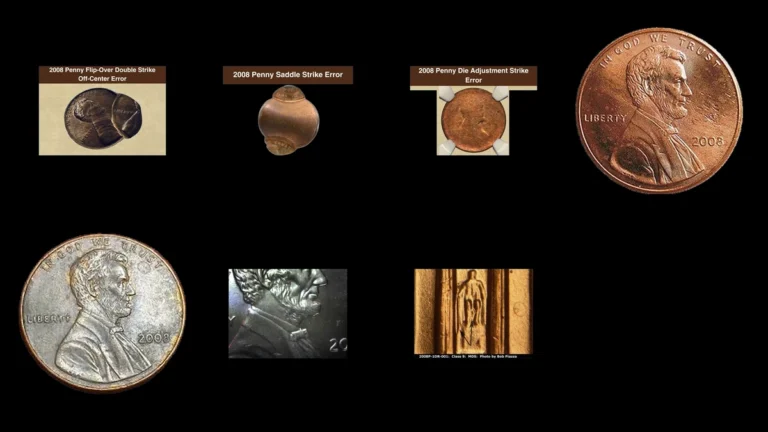
Two portraits on one cent warrant a careful look at depth and direction. A portrait brockage pairs the normal raised image with a backward impression pressed down into the other face.
The recessed image comes from a previously struck coin caught against the next blank. The trapped coin transfers its own design where a normal reverse impression should have appeared.
How to Identify
Trace the letters on the unusual face and check their depth with light from the side. A mirrored photograph can reverse the lettering, but it cannot change raised lettering into a recessed impression.
Include the ordinary portrait and the edge in photographs so that seams or later pressure damage can be examined. A full brockage repeats much of the portrait design; faint isolated traces of the opposite face belong to the clash category below.
The early-cent reference records two 1808 portrait brockages. These are separate specimens of the same process, not two faces of one documented coin.
What It’s Worth
$4,000–$20,000 is the estimated whole-coin range for a clear, collectible 1808 portrait brockage. Completeness of the backward image and the condition of the copper are central to a useful comparison.
A later-design 1817 NGC VF20 brockage received a $7,500 winning bid before fees in January 2015. That moderately worn Coronet cent supplies context, not a sale record for either 1808 specimen.
3. 1808 Penny Raised Lines Meet a Small Rim Patch: Die Cracks and Cud Error
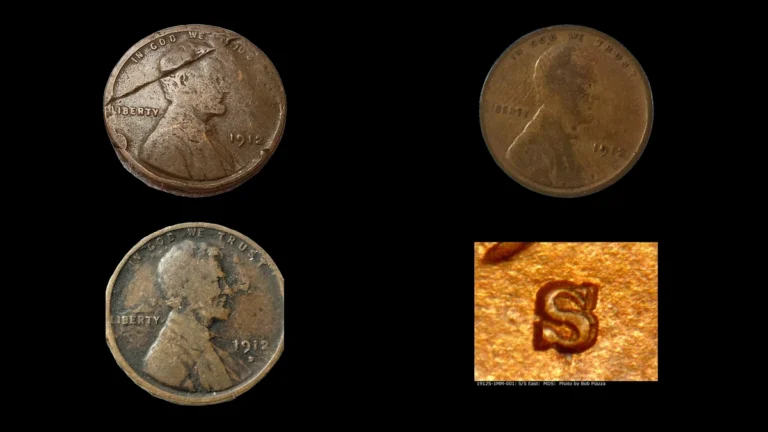
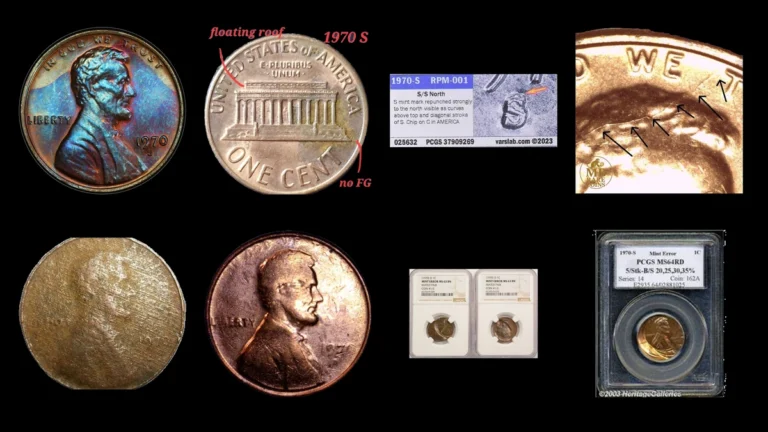
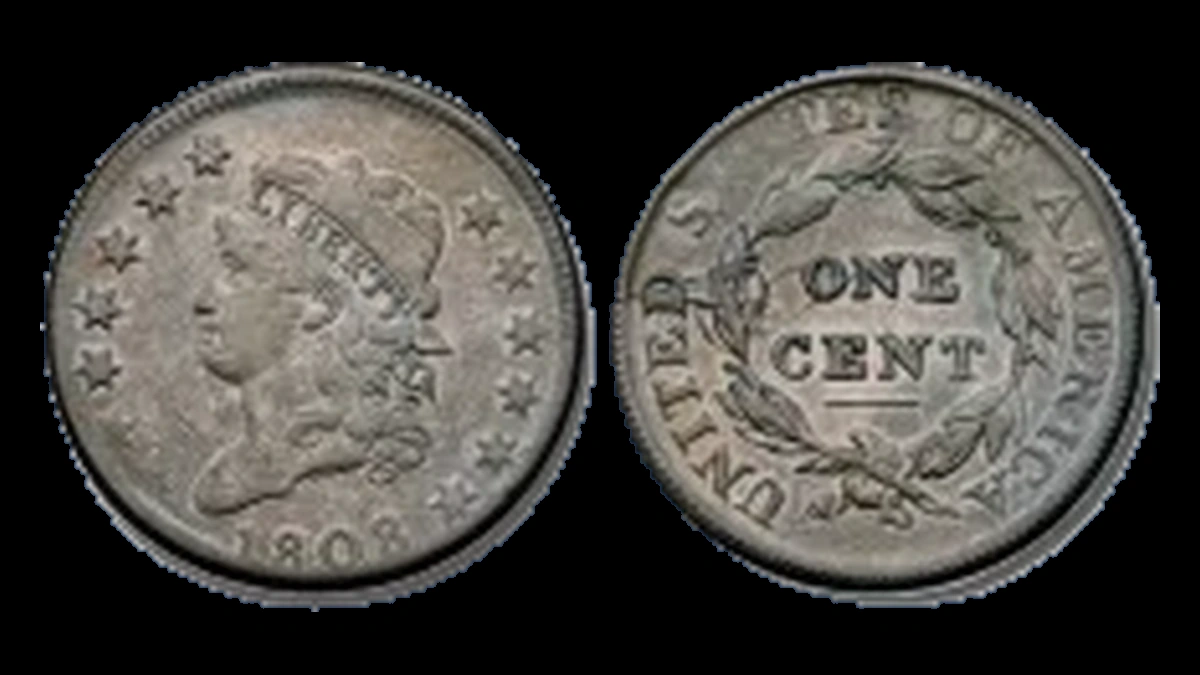
On a known 1808 reverse, a raised crack runs through the wreath toward D in UNITED, where a small patch joins the rim. Another curved line extends from that area toward the final S in STATES.
These features record damage to the die, the steel tool that stamped the coin. Copper entered a crack or a missing edge section of that tool, leaving raised lines and a rim-connected break called a cud.
How to Identify
Begin at D in UNITED and follow the complete pattern, using the cataloged small-cud specimen as a reference for location. A random bump or copper pushed up by a rim dent does not establish the same die damage.
The first star on the front can weaken as this die pair changes. Count and compare the surrounding stars, but use the reverse pattern to support identification: wear and uneven striking can also make a star hard to see.
What It’s Worth
$100–$2,500 is the supplied range for worn examples with the reverse cracks and small break. The described cud specimen was VG8, with heavy wear, fine roughness, and traces of old corrosion; no sale amount is supplied for it.
A different near-VF cent with both cracks and clash marks carried a $350–$500 catalog estimate. That combined whole-coin estimate is not a separate premium to add for each raised feature.
4. 1808 Penny Faint Shapes Belong to the Other Face: Die Clash Error
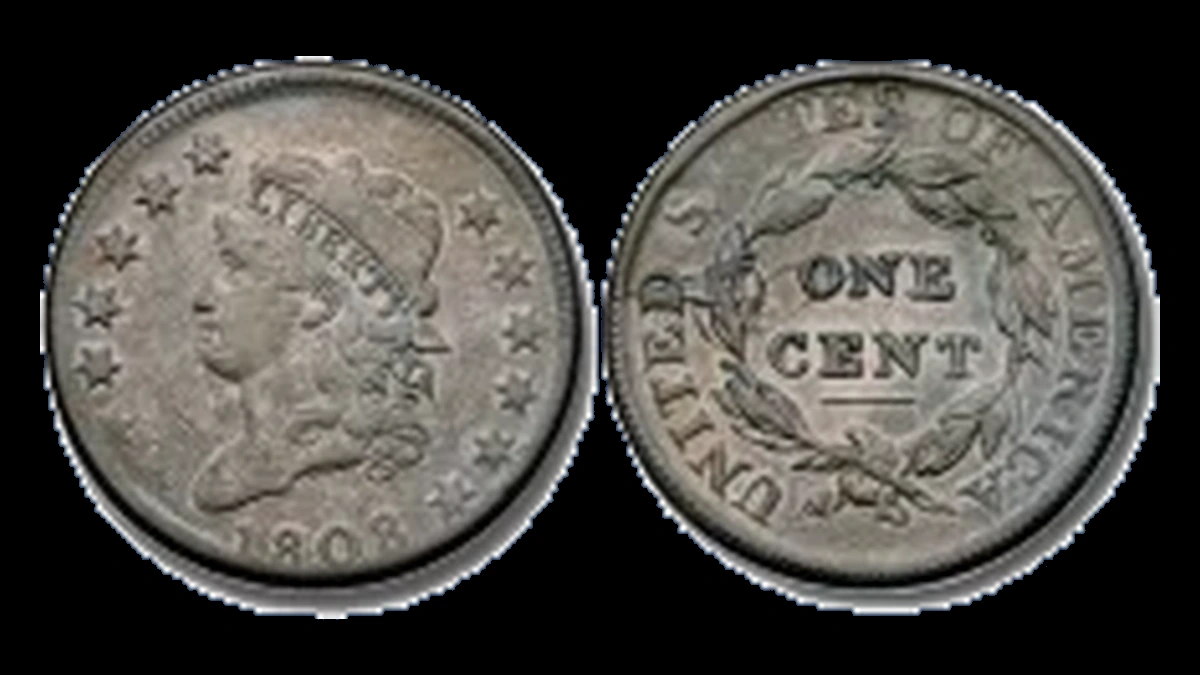
An unfamiliar outline among the normal details may preserve part of the opposite design. The dies can strike each other when no blank is present, acquiring marks that transfer to coins struck afterward.
A described VF20 1808 cent has strong clash marks on both faces, and a separate worn example also appears in the supplied catalog evidence. Their normal portrait and wreath remain present around the extra traces.
How to Identify
Compare a suspected shape with the opposite face before naming it. A rotated or mirrored reference photograph may help reveal which portrait or wreath detail explains the outline.
Random scratches do not follow the opposite design, and a die crack typically follows its own broken path. Photograph both faces under similar lighting so that a single prominent line does not hide the broader evidence.
What It’s Worth
$200–$1,500 is the estimated whole-coin range for worn 1808 cents with recognizable clash marks. A near-VF catalog example was estimated at $350–$500, with a reverse crack, surface marks, and possible recoloring also noted.
The catalog figure is an estimate rather than a confirmed sale. Smooth copper makes faint clash traces easier to appreciate, while roughness or altered color can reduce the coin’s appeal.
5. 1808 Penny A Thin Copper Layer Appears to Lift: Reported Lamination Error
A flap with an attached edge suggests separation within the copper blank. Collectors call this lamination; a weak layer may lift or detach, leaving a shallow opening beneath it.
The supplied year guide proposes peeling metal as an explanation for a heavily worn 1808 cent but does not locate a specific flap or establish a confirmed example. This reported category therefore requires examination rather than an automatic error label.
How to Identify
Concentrate on the point where the suspected layer joins the rest of the surface. Angled light and magnification should reveal actual separation, not simply a rough patch, corrosion pits, or scraping.
Leave loose copper attached and avoid lifting it to see underneath. Nothing in the supplied report establishes that a whole blank split into two complete thinner discs.
What It’s Worth
$75–$500 is the estimate for a worn 1808 cent with a small confirmed lamination. It should not be assigned automatically to the guide’s unnamed, unconfirmed piece.
A corroded 1812 Classic Head cent graded ANACS F15 Details carried a $115–$140 catalog estimate. That different-year coin had a small surface flaw, not a proven peeling layer, so it offers only limited context.
Conclusion
An 1808 cent can carry several related features, and those features sometimes help identify a coin whose date is missing. Record the border position, reverse crack pattern, and extra design traces together before settling on a description.
Keep reported surface flaws separate from confirmed errors, and compare prices for complete coins in similar condition. Gentle handling matters especially when old copper has a loose layer or fragile surface.