Rare 1887 Nickel Errors (List & Pictures)
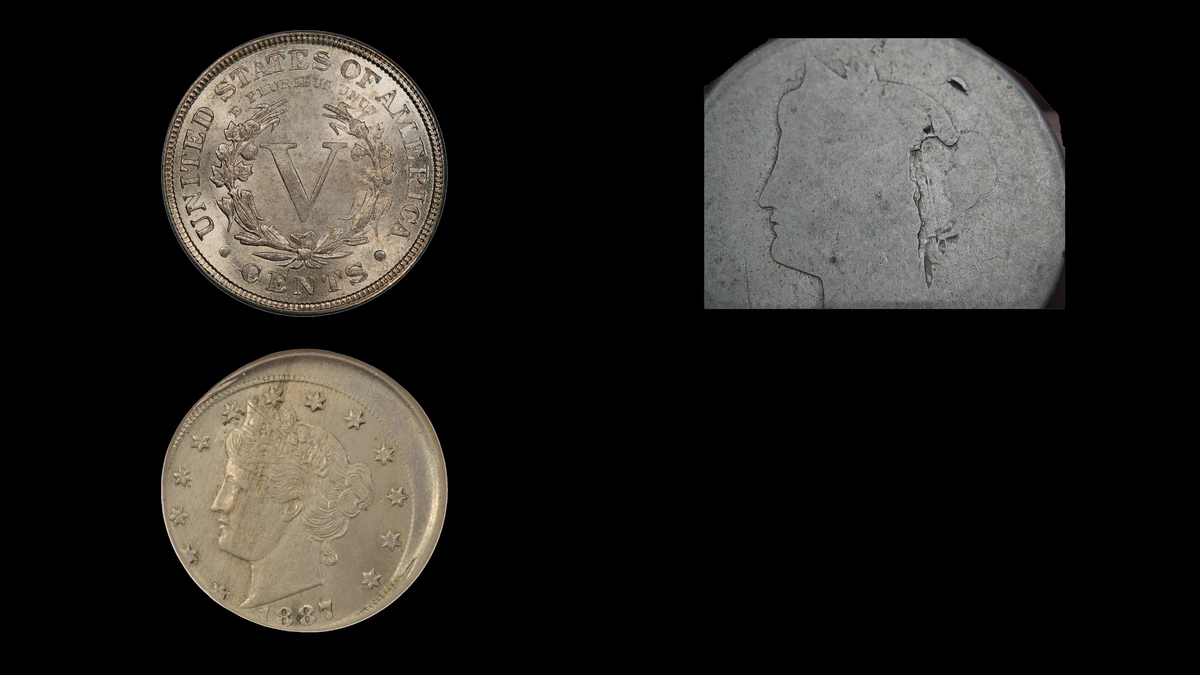
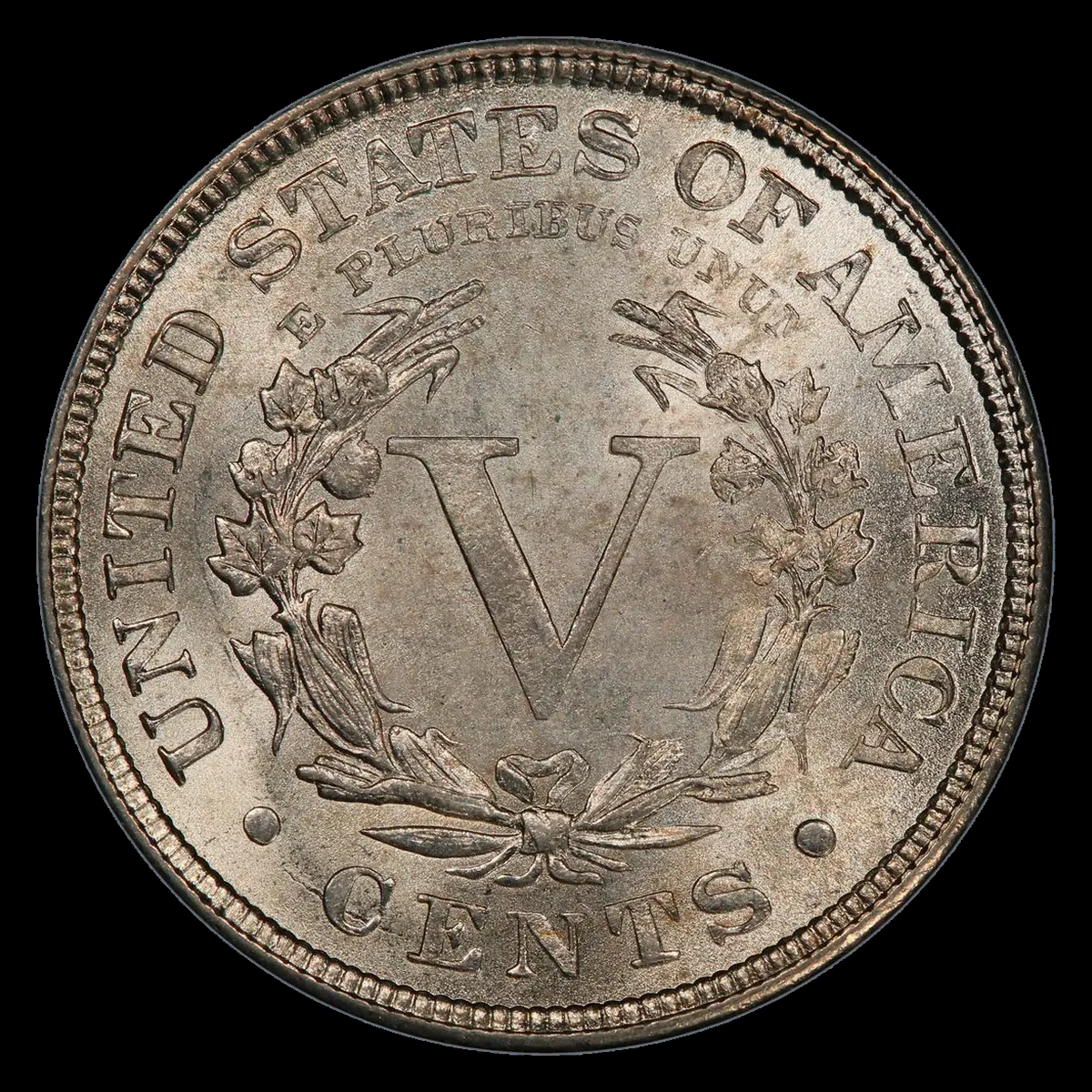
Before studying an unusual 1887 date, confirm the large V and CENTS on the reverse. The well-known 1887/6 three-cent nickel belongs to a different denomination.
Estimated values for 1887 nickel errors on Liberty five-cent pieces range from $10 to $2,500, with an FS-801 doubled reverse recorded at $978. Compare date and reverse outlines, then inspect raised breaks, peeling metal, and changes to the blank or strike.
| Visible clue | Category | Estimated range |
|---|---|---|
| Earlier strokes beside 1 and 8s | Repunched date | $20–$300 |
| Repeated reverse lettering | Doubled or tripled die | $75–$1,500 |
| Raised star connections or interior patch | Die cracks and interior break | $10–$200 |
| Thin separating layer | Lamination | $20–$400 |
| Two gaps in the edge | Double clip | $75–$500 |
| Shifted incomplete design | Off-center strike | $150–$1,000 |
| Design on an incorrect blank | Wrong planchet | $500–$2,500 |
1. 1887 Nickel Extra Strokes Appear at the First Three Digits: Repunched Date Error
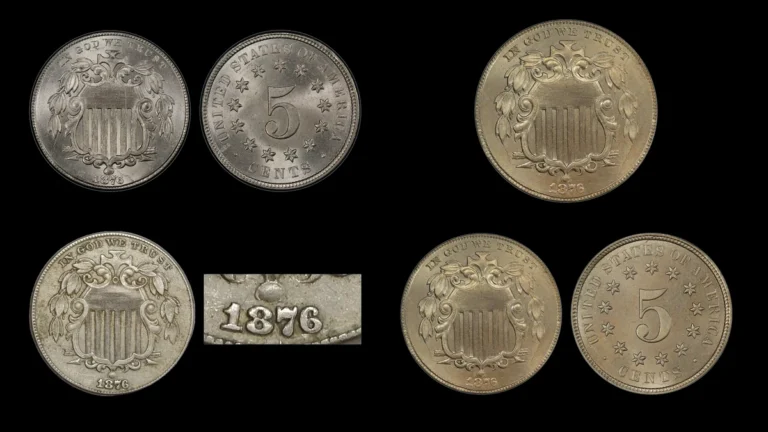
The published variety has remnants beneath the first 1’s small upper stroke and base, plus traces above both 8s. Repeated date punching into the die left portions of the earlier placement uncovered.
How to Identify
Match all three numeral locations with the Liberty nickel variety book. Rounded numeral remnants are more useful than flat shelves running beside otherwise ordinary digits.
The published coin also has a tripled reverse, but date repunching and reverse hub doubling arose during different die-preparation steps. Their presence together should be checked on the actual coin.
What It’s Worth
$20–$300 is an estimate for worn through lightly worn examples with a clear repunched date. No completed sale is supplied for this pattern, and wear can erase the tiny remnants that support attribution.
If the reverse also matches a recognized tripled die, value the combination as one coin. Two full-coin estimates should not simply be added together.
2. 1887 Nickel Reverse Letters or Wreath Details Have Extra Contours: Doubled and Tripled Dies Error
Raised repeated detail is reported in outer lettering, E PLURIBUS UNUM, and the right-hand wreath. FS-801 is one recognized variety, while the book’s separate tripled-reverse example emphasizes AM in AMERICA.
How to Identify
Choose the exact variety before comparing its contours. The tripled AM pattern should not automatically be treated as FS-801 merely because both involve the reverse.
Inspect several letter strokes under changing light, separating rounded repetition from flat movement-doubling shelves. The extra contours originated in a die rather than from multiple displaced strikes on an individual coin.
What It’s Worth
$75–$1,500 is an estimated range from worn coins with clear detail through more attractive unworn examples. PCGS records an MS63 FS-801 sale of $978 in November 2011.
That named-variety result does not price every tripled reverse. Match both the pattern and the unworn-but-marked condition represented by MS63.
3. 1887 Nickel Raised Lines Join Stars or a Patch Sits above the 1: Die Cracks and Interior Breaks Error
Reported crack paths include the third through sixth stars on the left, a connection from the final 7 to a right-hand star, and lines through reverse lettering. A separate interior break lies between the first 1 and the base of the portrait.
How to Identify
Count the left stars upward from the lower left when comparing that crack path. Under side lighting, a die-crack ridge should rise from the surface rather than cut a channel through it.
The patch above the first 1 is an interior break, not automatically a cud. A cud connects to the rim, and the different reported paths need not all appear on one coin.
What It’s Worth
$10–$200 is a whole-coin estimate for worn examples with the smaller reported die defects. No particular completed sale is supplied, and a faint short line can contribute little beyond the underlying nickel’s value.
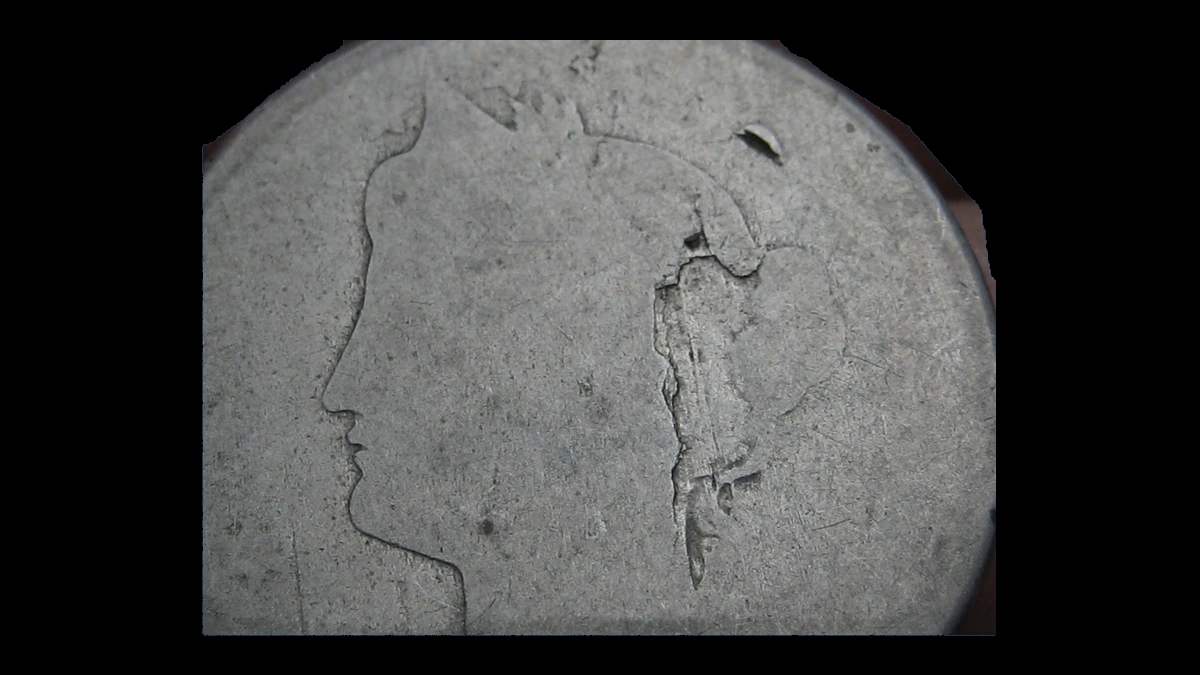
4. 1887 Nickel A Thin Layer Separates from the Surface: Lamination Error
An 1887 seller listing describes an ANACS EF45 coin with both lamination and a repunched date. The metal separation is a different feature from the extra date strokes, and its location is not specified in the supplied description.
How to Identify
Find the actual boundary where a thin layer opens into the alloy without lifting an attached flap. Compare it with gouging, scattered corrosion pits, or an added lump.
A loose normal Liberty nickel weighs about 5 grams and measures 21.2 millimeters, with a plain edge. Missing metal may reduce weight, but the visible separation is more diagnostic than a low reading alone.
What It’s Worth
$20–$400 is an estimate for small genuine laminations on worn examples. A 1911 Liberty nickel with lamination sold for $51 in January 2023, a different-year comparison rather than a sale of the reported 1887 EF45 coin.
The seller’s repunched-date claim should be assessed with the lamination as features of one object. Heavy corrosion or scraping can reduce appeal instead of adding an error premium.
5. 1887 Nickel Two Original Gaps Interrupt the Edge: Double Clipped Planchet Error
The listed ANACS VF30 example weighs 4.81 grams and has two clips. Its blank was incomplete before the design was struck, with no requirement that the two gaps have identical shapes or sizes.
How to Identify
Inspect each gap’s boundary and rim junctions independently. Saw or file marks support later removal, while natural strike flow and possible opposite-rim weakness can support original clipping.
The recorded weight of 4.81 grams is only 0.19 gram below normal. That difference cannot establish when the metal was removed.
What It’s Worth
$75–$500 is an estimated range for worn genuine 1887 double clips. No completed price is supplied for the listed VF30 coin.
A cleaned 1911 Liberty nickel with two curved clips was offered at $195. That different-year asking price is neither a sale result nor an exact comparison for unaltered 1887 edges.
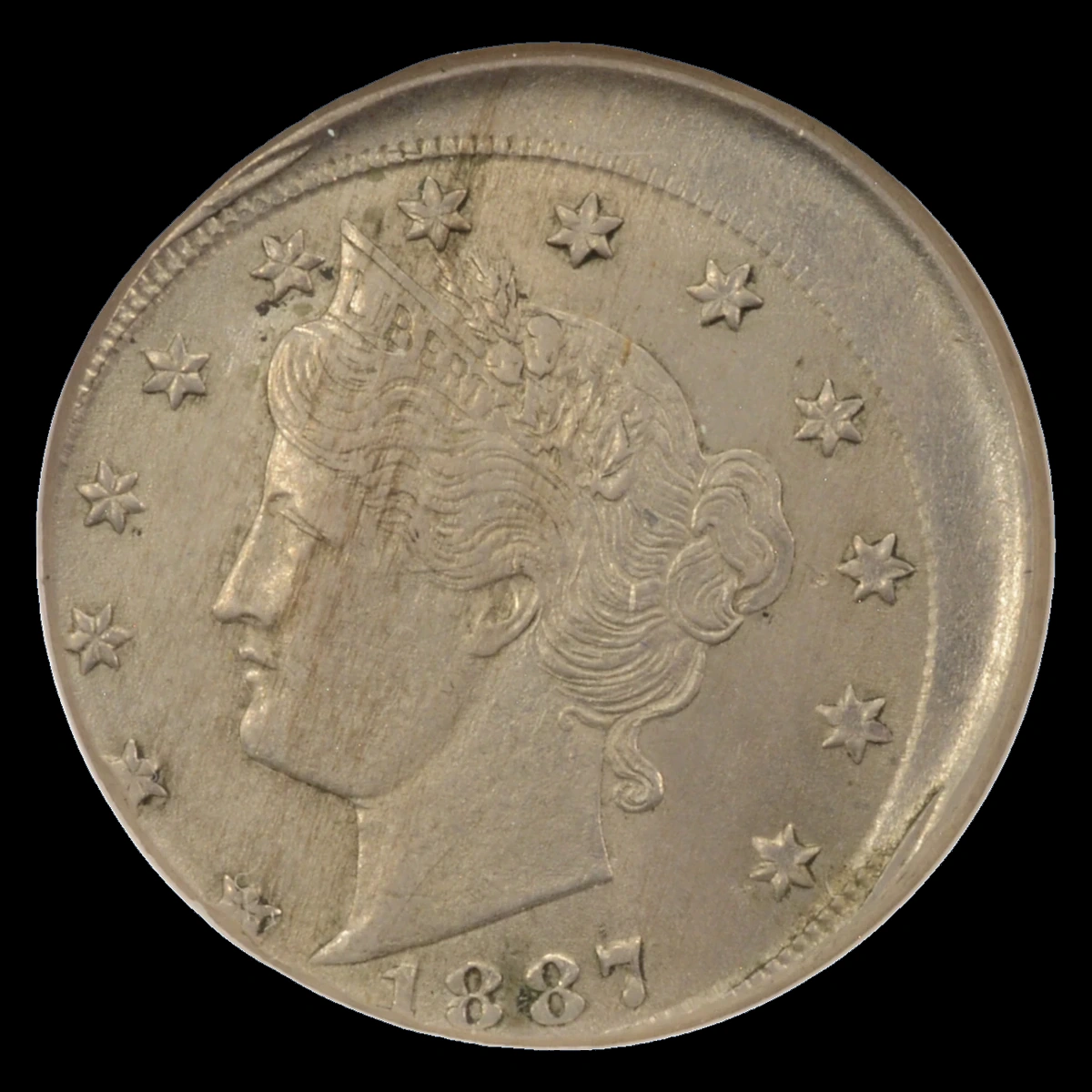
6. 1887 Nickel Missing Design Opposes an Unstruck Area: Off-Center Strike Error
The supplied examples include a PCGS VF35 coin with a 5% shift and a PCGS XF40 coin with a 15% shift. A separate historical catalog shows an unworn 10% example displaced toward six o’clock.
How to Identify
Trace the outer stars and lettering on both sides to confirm actual design loss beside untouched blank metal. An uneven border with a complete design does not establish the same error.
Check for grinding, flattened lettering, and altered edges. The historical coin’s downward direction belongs only to that specimen, and each new candidate needs its own readable date and displacement record.
What It’s Worth
$150–$1,000 is an estimated range for modest off-center examples. The unworn 10% coin carried a $175 asking price in a 1979 catalog, an old offer that illustrates the type rather than a completed sale or current valuation.
7. 1887 Nickel The Design Was Struck on an Incorrect Disk: Wrong Planchet Error
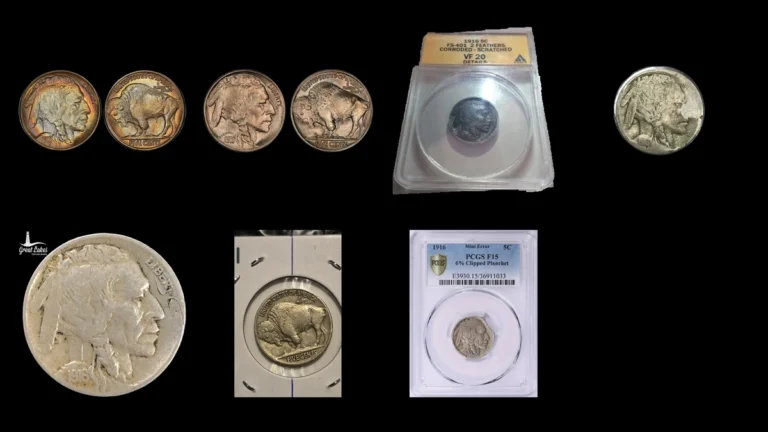
One cataloged 1887 specimen was attributed to a Colombian five-centavos blank and shows an outwardly spread strike displaced toward seven o’clock. Another ANACS VF20 specimen was described only as struck on a wrong planchet.
How to Identify
Record measurements tied to the actual coin and compare the metal with the normal 75% copper and 25% nickel alloy. A catalog page’s generic nickel weight is not a measurement of its unusual blank.
Inspect for filing or plating and seek nondestructive composition testing where needed. The Colombian attribution and seven-o’clock displacement of the first coin do not establish the second coin’s blank origin.
What It’s Worth
$500–$2,500 is an estimate allowing for different blanks, preservation, and attribution strength. The ANACS VF20 example sold for $630 at Heritage in December 2024.
The foreign-blank specimen’s spreading is part of that same coin’s history. It should not be priced as a second complete error added to the wrong-planchet value.
Conclusion
An 1887 Liberty nickel assessment should begin with the correct denomination and a complete view of the date. Reverse varieties then need their own exact pattern matches, while missing metal requires evidence along the original edge or layer boundary.
Keep separate coins’ clip measurements, offset directions, and foreign-blank attributions distinct. A guide estimate, historical asking price, and documented auction result each provide a different kind of comparison.