Rare 1961 Dime Errors (List & Pictures)
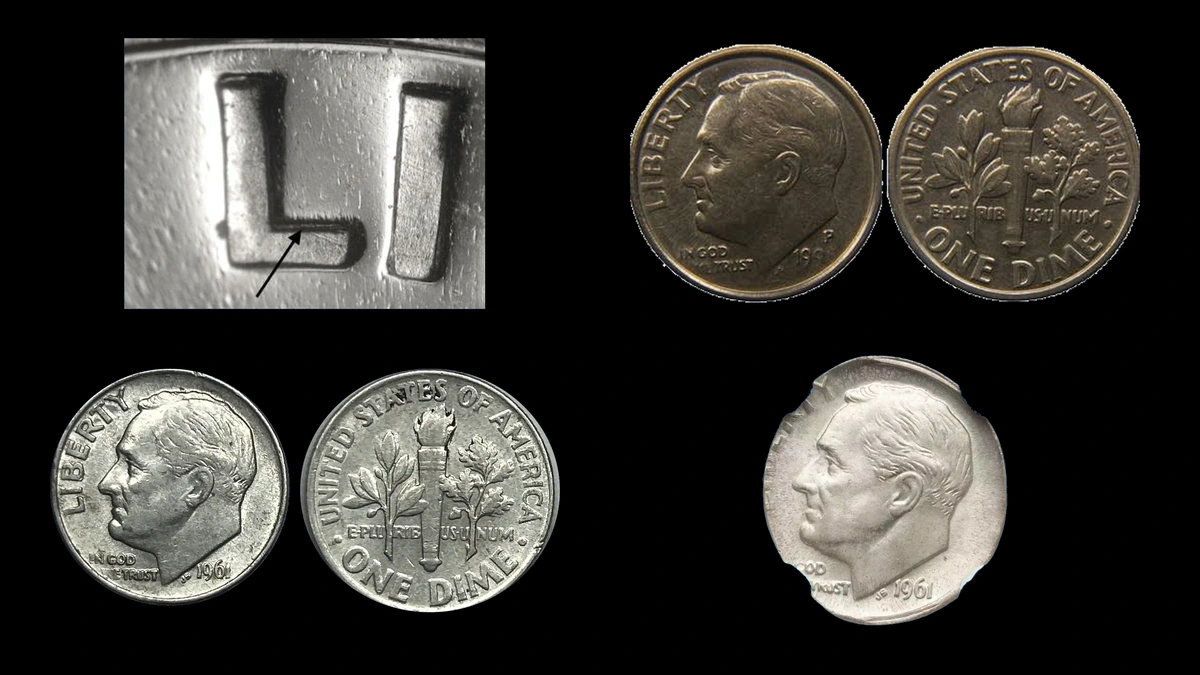
A 1961 dime’s finish matters before you compare an unusual detail: a Proof thread impression and a Denver doubled reverse are separate errors. Estimated 1961 dime errors span $10–$1,500, with PCGS recording a $125 eBay result in August 2019 for an MS65 Denver FS-801.
Inspect the design and mintmark, then compare surface interruptions, metal boundaries, and the outline.
| Inspection clue | Possible identification | Estimated value |
|---|---|---|
| Repeated date or reverse detail | Doubled die | $20–$500 |
| An extra D stroke | Repunched mintmark | $15–$175 |
| Small raised bump | Die chip | $10–$150 |
| Fine depression or absent letter | Struck through material | $10–$250 |
| Separating front metal | Lamination | $25–$200 |
| Two edge levels | Partial collar | $30–$250 |
| Expanded outline with complete design | Broadstrike | $30–$200 |
| Blank crescent and missing design | Off-center strike | $30–$350 |
| A gap or long narrow blank | Clip or elliptical planchet | $35–$900 |
| Metal folded over itself | Reported folded planchet | $200–$1,500 if confirmed |
1. 1961 Dime Dates or Reverse Details Have Repeated Outlines: Doubled Dies Error
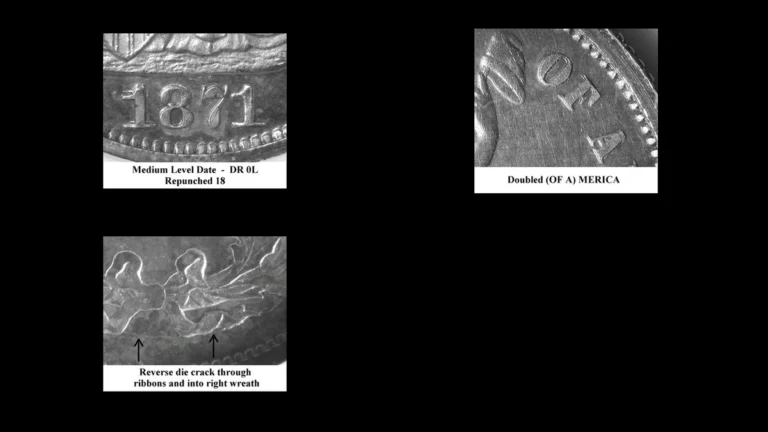
Philadelphia Proof varieties include repeated date detail, with one pattern showing three images of the digits. Other patterns affect initials, the motto, reverse lettering, flame, or branches.
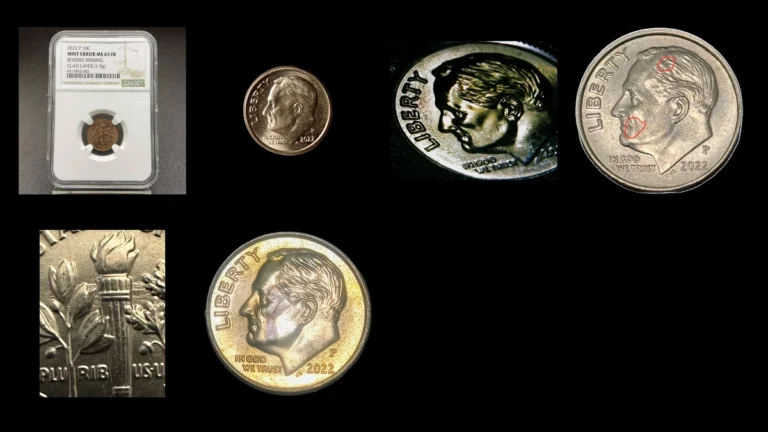
Denver FS-801 is a separate circulation-strike doubled reverse involving lettering around the torch and ONE DIME. Repetition in a die can transfer in one strike and does not require several blows to the coin.
How to Identify
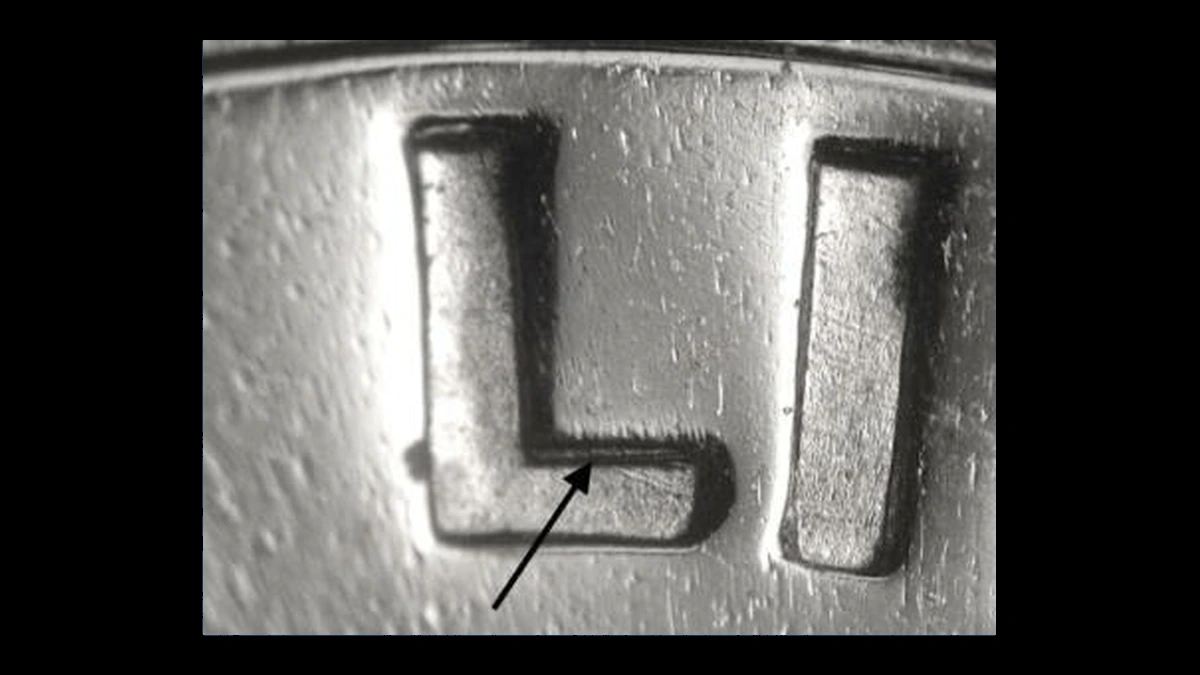
Choose the finish and mint before selecting a reference: Denver’s D is left of the reverse torch, while the specially prepared Philadelphia Proof has no mintmark. Compare Proof details with the relevant 1961 variety photographs.
Match the complete local pattern rather than expecting every Proof to share the same doubled letters. For Denver FS-801, compare several reverse contours or split corners and exclude flat, lowered striking shelves.
What It’s Worth
$25–$300 is the estimate for comparable Denver FS-801 examples, while the different Proof patterns span about $20–$500. PCGS records $125 on eBay in August 2019 for a Denver FS-801 in MS65.
That recorded transaction belongs to the Denver variety. The individual Proof patterns need comparisons that reflect their own strength and surface quality.
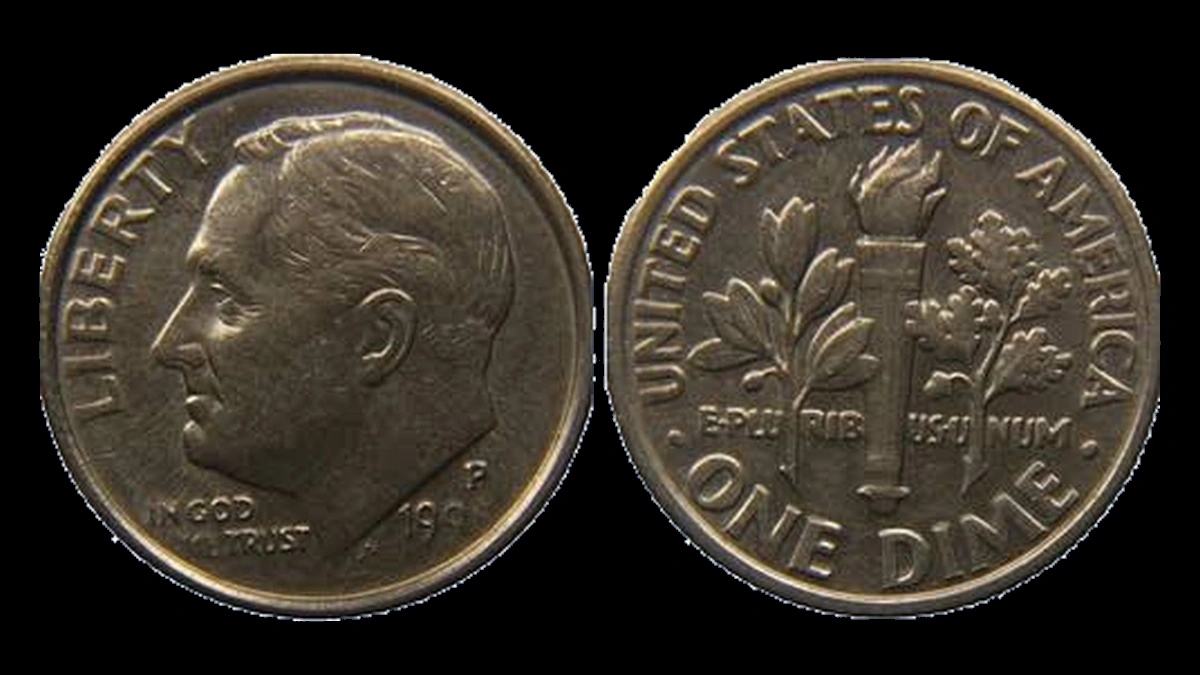
2. 1961 Dime A Second Curved Stroke Appears beside D: Repunched Mintmark Error
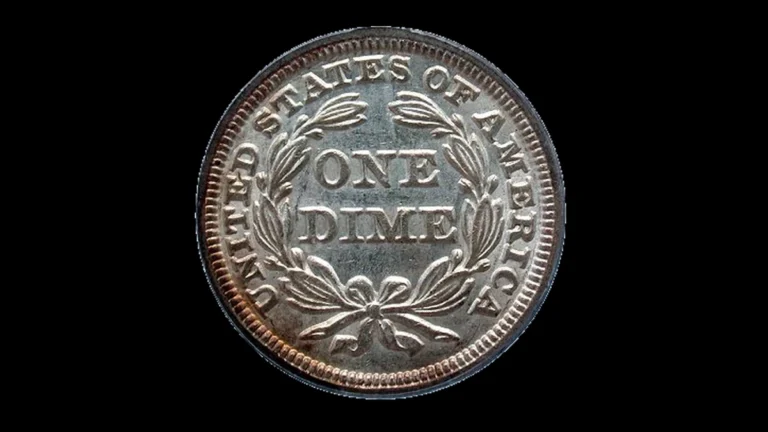
A collector record lists a 1961-D/D RPM-001, but its readable description does not settle the direction of the earlier punch. The D sits on the reverse to the left of the torch.
Repeated hand punching in slightly different positions left extra letter detail in the die. Coins from that tool could reproduce the earlier remnant.
How to Identify
Trace the D’s stem and bowl for a separate rounded fragment that could belong to another D. Compare the complete pattern with an identified example rather than assuming a direction from the catalog number.
A genuine stroke remains fixed when the light moves. A reflection, scratch, or low flat shelf does not establish an earlier mintmark punch.
What It’s Worth
$15–$175 is the estimate for correctly matched repunched-D examples. The collector’s listing is not a supplied completed sale.
Wear and scratches can hide small remnants. Clear letter structure matters more than the apparent size of a greatly enlarged photograph.
3. 1961 Dime A Small Bump Rises from the Surface: Die Chip Error
A tiny missing piece of die can leave a raised copy when coin metal fills the opening. Chips are reported for the year, including a Proof doubled-die pairing with a forehead chip and another below the first A in AMERICA.
How to Identify
Inspect the bump’s base to see whether it is naturally part of the struck surface. Glue, solder, or a raised lip beside a fresh impact can imitate extra metal.
Both cited locations must agree before using them to match the particular Proof die. One forehead bump does not prove that an ordinary dime shares its doubled design.
What It’s Worth
$10–$150 is the estimated whole-coin range for collectible modest chips, depending on finish and preservation. No individual chip sale was supplied.
A clear original bump is easier to compare than a worn spot. When chips identify a doubled-die coin, assess its combined features once.
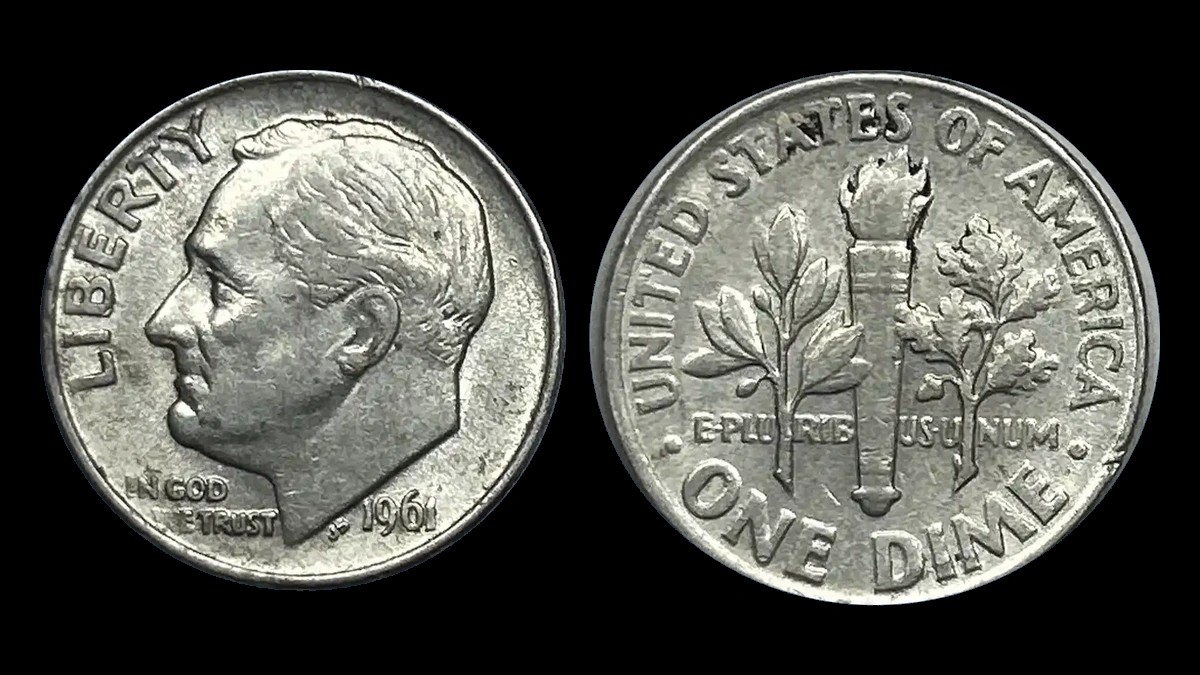
4. 1961 Dime A Fine Hollow or Missing Letter Interrupts Detail: Struck Through Thread or Filled Die Error
An ANACS PR65 Proof was cataloged as struck through thread. The auction title establishes neither the affected face nor the line’s exact path.
Separate reports describe a weak or absent I in IN GOD WE TRUST, with filled detail proposed as its cause. The blocked letter does not inherit the thread explanation from the Proof.
How to Identify
Follow a thread-like hollow under side lighting to determine whether it interrupted design during striking or cut completed detail afterward. Raised burrs along a groove can reveal a later scratch.
For a missing I, compare the local background and neighboring motto with wear elsewhere. Scraping or broad weakness does not establish an originally filled die recess.
What It’s Worth
$40–$250 is the estimate for clear thread impressions on collector dimes; confirmed small filled-letter effects fit roughly $10–$50. The PR65 thread-struck Proof sold for $65 in September 2023.
Its Proof surfaces and particular impression govern that comparison. The lower filled-letter range applies only after wear or later removal is excluded.
5. 1961 Dime Silver-Alloy Metal Peels from the Front: Lamination Error
An NGC AU58 dime is cataloged with front lamination, a separation within the alloy. A dealer also mentions a head-area flaw, but the records do not establish that it is the same dime.
A 1961 dime is a silver-alloy coin rather than a copper core with modern clad sheets. The peeling must be explained by its actual metal construction.
How to Identify
Inspect the separation boundary and any design continuing onto an attached flap without lifting it. A gouge through finished detail can pile metal beside a cut and needs a different explanation.
An ordinary loose example is approximately 2.50 grams and 17.91 mm with a reeded edge. An attached flake may preserve most of that mass, while detached metal can reduce it.
What It’s Worth
$25–$200 is the estimated range for genuine front laminations. The NGC AU58 example sold for $32 in January 2016.
AU58 indicates slight wear, and its exact flaw must be compared with another candidate’s size and preservation. Fresh scraping or corrosion can obscure the original boundary.
6. 1961 Dime A Step Runs along the Edge: Partial Collar or Railroad Rim Error
A partially seated blank can have one edge band contained by the collar while another expands outside it. The two-level appearance is often called a railroad rim.
The year guide reports this effect on Denver dimes without a measured individual specimen. A second ring seen on the face alone is insufficient.
How to Identify
Inspect the coin edge-on and follow where its level and reeding change. The contained and less-contained portions should form one coherent structure.
Examine both faces for later rolling, mounting, or squeezing damage. Those processes can distort a rim without partial collar contact in the press.
What It’s Worth
$30–$250 is the estimate for identified partial-collar errors. No completed sale or fixed measurement was supplied for the Denver report.
A clear edge step is easier to display than a faint circular line. Preservation of the original reeding and surrounding surfaces helps the comparison.
7. 1961 Dime An Expanded Border Surrounds the Whole Design: Broadstrike Error
A blank can spread beyond its ordinary diameter when the collar does not restrain it normally. The intended design may remain complete within an uneven enlarged border.
The 1961 report gives no particular measured specimen. Width must agree with the design and edge before it supports a broadstrike identification.
How to Identify
Trace the outer details on both faces and look for natural outward flow. Edge grooves may be weak or missing where collar contact was lost.
Later flattening can also widen silver coins while crushing their existing details. An oversized outline by itself cannot establish when the metal spread.
What It’s Worth
$30–$200 is the estimate for uncomplicated genuine dated broadstrikes. No completed result was supplied for the general 1961 category.
Readable identity, original surfaces, and clearly formed expansion make useful comparisons. Later squeezing does not create a mint-error premium.
8. 1961 Dime A Blank Crescent Remains beside Cropped Detail: Off-Center Strike Error
A blank outside its centered position can receive only part of both designs. The unstruck crescent remains physically present opposite the missing detail.
The year report provides no fixed mint, displacement percentage, or direction. Those particulars need evidence from the actual candidate.
How to Identify
Read the surviving 1961 date and compare the struck and blank areas on both faces. A narrow rim on only one face can instead reflect a shifted die.
Inspect the unstruck area for original texture rather than grinding. A cut removes metal, while an off-center strike can leave a complete blank near its original mass.
What It’s Worth
$30–$350 is the estimate for genuine dated examples, from smaller shifts to stronger well-preserved errors. No specimen-specific auction was supplied.
A moderate shift with readable identity may be more useful to a year collector than an extreme undated piece. Surface damage and remaining detail also affect appeal.
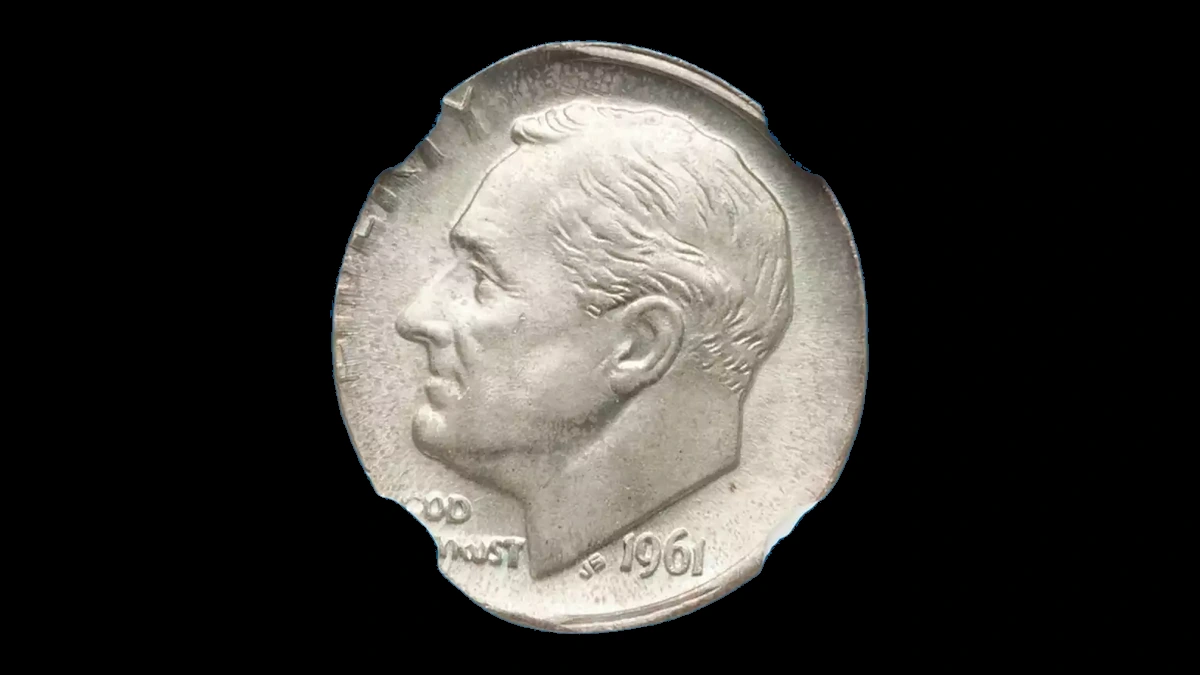
9. 1961 Dime The Outline Has a Curved Gap or Narrow Oval Shape: Clip or Elliptical Planchet Error
An NGC MS66 Full Bands elliptical example weighs a recorded 1.8 grams. Its long narrow blank differs from the usual round dime, though the description does not establish its exact cutting history.
A separate Denver NGC MS64 has a curved clip near ten o’clock. It was offered with a 1963 dime, which has its own identity and measurements.
How to Identify
For the elliptical piece, compare both faces and follow the design to the curved boundaries for evidence of an original strike on that shape. Tool cuts or crushing can reveal later reshaping.
For the Denver clip, inspect both ends of the ten-o’clock gap and any supporting opposite-rim weakness. Full Bands describes sharply separated torch bands and does not establish the blank’s cutting mechanism.
What It’s Worth
$150–$900 is the estimate for an identified elliptical silver-dime blank, while ordinary curved clips fit about $35–$250. No completed standalone result was supplied for either described 1961 specimen.
Any auction total for the Denver clip and 1963 companion belongs to the pair. The elliptical coin’s 1.8-gram reading must not be assigned to that clipped dime.
10. 1961 Dime Metal Overlaps at a Fold: Reported Folded-Planchet Candidate Error
A folded blank would contain metal doubled over before or during striking. Design formed across that overlap can help distinguish it from bending a finished coin.
The year list mentions folded blanks alongside clips without establishing a specific specimen. No actual fold direction, shape, or weight is supplied.
How to Identify
Look for an actual overlap and the way struck detail conforms to it. A high rim or an incomplete outline alone is not a fold.
Record a candidate’s measurements without unfolding the metal. Later bending can distort old detail, so the original strike must be shown to have occurred with the fold present.
What It’s Worth
$200–$1,500 is a conditional estimate if a genuine folded-planchet 1961 dime is identified. It is not a completed-sale range for an established year-specific specimen.
A visible fold, readable date, and original struck relationship would support that comparison. A bent circulation coin does not qualify solely because its metal overlaps.
Conclusion
A useful 1961 dime comparison matches the finish as well as the error. The Proof thread impression, Denver FS-801 reverse, and elliptical blank have separate evidence and should keep their prices and measurements.
For general reports, let the actual surface, edge, and design determine the identification. Preserve loose metal and folded shapes, and keep the folded-planchet category conditional until a specific mint-made example is established.