Rare 1895 Quarter Errors (List & Pictures)
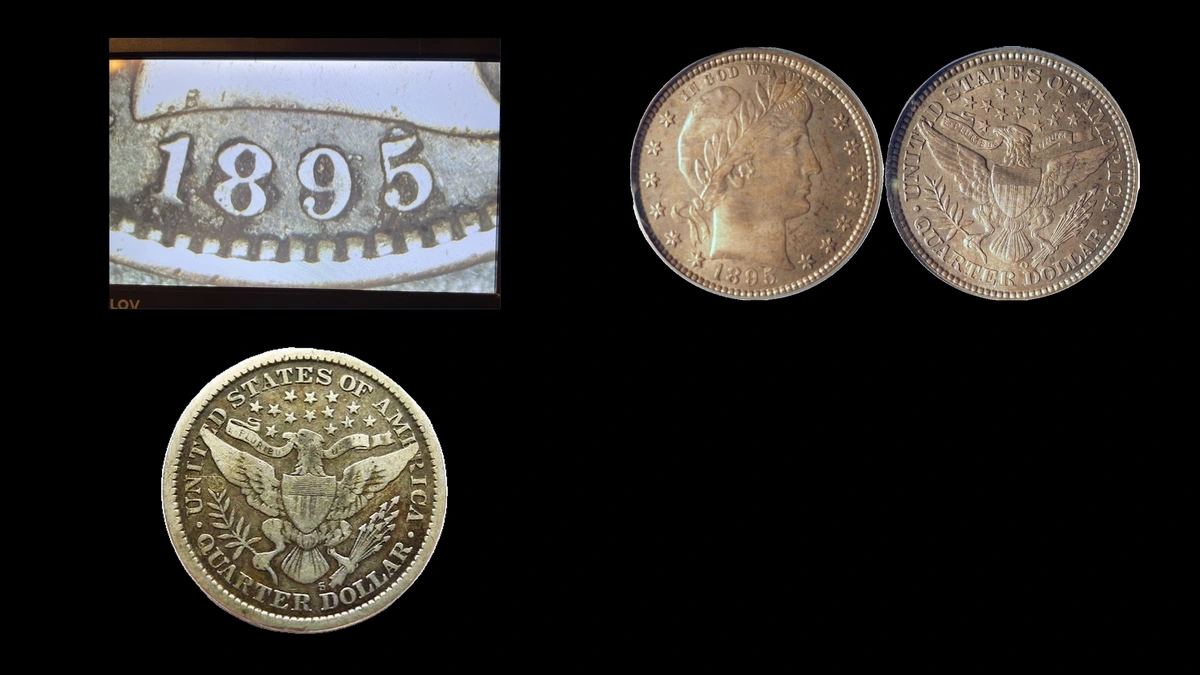
On 1895 quarter errors, a small raised curve can be more useful than a large scratch. Estimated whole-coin values range from $30–$2,500.
The supplied auction comparison is a different-year 1949-D/D quarter that sold for $384 in March 2018. Read the mintmark on the back before examining the date, head, and S patterns below.
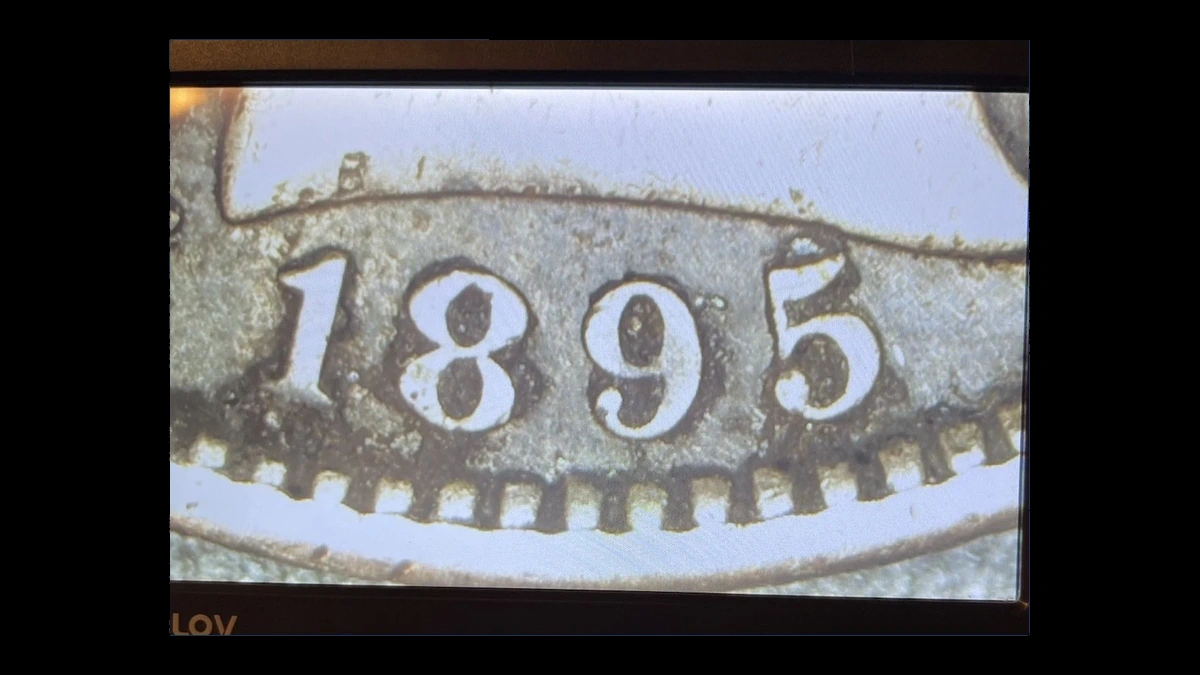
1. 1895 Quarter Earlier Numbers beside the Date: Repunched Date Error
Applying a date punch more than once could leave parts of the earlier digits on the stamping tool. Coins made from that tool then repeat those extra shapes.
Philadelphia reports include traces at 18, a 5 below the final 5, and 895 shifted left. These are separate patterns, not clues that must all appear together.
A New Orleans variety has an earlier 5 above the main digit instead.
How to Identify
Take a photograph of all four digits with the coin upright. Their spacing helps show whether the extra detail fits a real numeral.
On Philadelphia examples, compare below 5 or left of 895 as appropriate. The separate 18 report does not supply a fixed direction.
For New Orleans, confirm the O below the eagle and look above 5. A lower trace from a Philadelphia reference does not identify that variety.
Use a magnifier to distinguish raised numeral-shaped metal from cuts or flat shelves. Leave dirt over tiny details alone rather than scraping the date.
What It’s Worth
$50–$1,500 is the estimated range for identified repunched dates. Mint, wear, and the clarity of the earlier digits affect the whole-coin value.
A complete extra curve is more convincing than thick-looking numbers on a worn coin. The same affected digit does not mean two different mint varieties have the same price.
2. 1895 Quarter Raised Lines at the Head and Date: Die Cracks Error
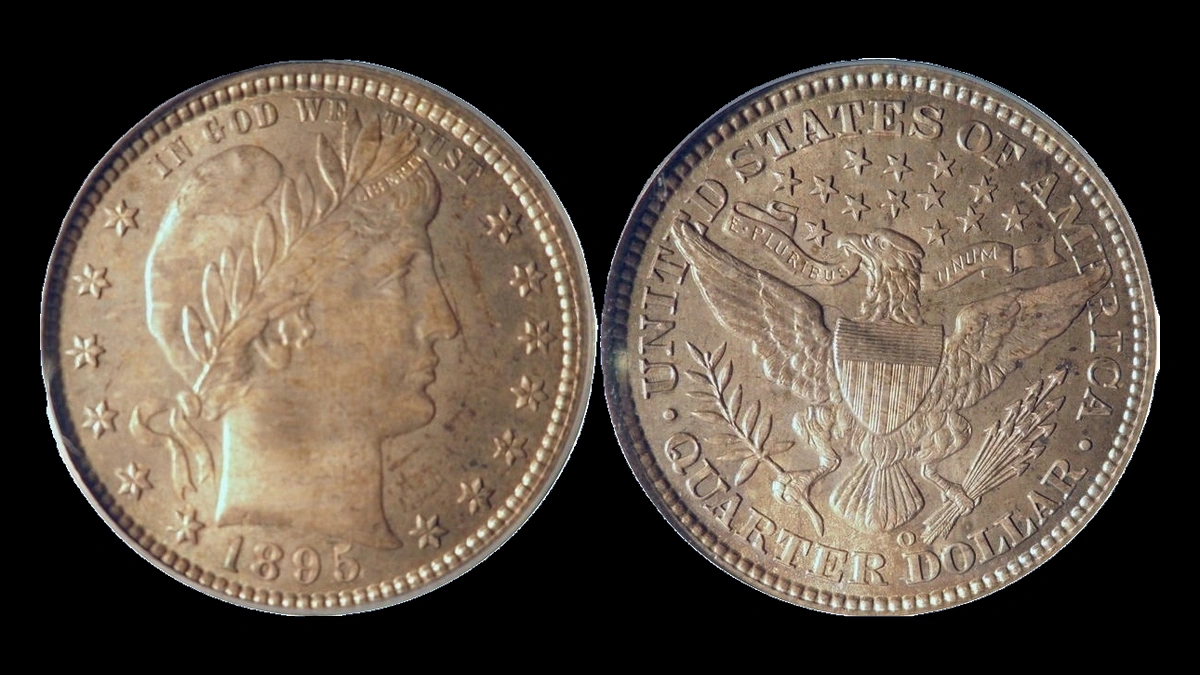
A collector record describes cracks near the top of Liberty’s head and around the date on a New Orleans quarter. The exact route connecting those areas is not established.
The lines form when metal enters a crack in the stamping tool, called a die. They stand above the coin rather than cutting into it.
How to Identify
Confirm the O on the back, then examine the head and date areas separately. Move a small light to each side to judge whether the lines are raised.
A groove or a lip beside a dent suggests damage instead. Follow only the visible route and do not fill in worn gaps with an imagined connection.
Near the date, ask whether the extra metal follows a number’s shape. A wandering crack and a curved part of an earlier 5 need different comparisons.
What It’s Worth
$30–$500 is the estimated range for comparable worn 1895-O quarters with clear original cracks. This includes the value of the New Orleans coin itself.
Remaining portrait detail and surface condition still matter. An unusually high-grade coin needs a grade-specific comparison rather than a price based only on its small crack.
3. 1895 Quarter Another Curve beside the S: Repunched Mintmark Error
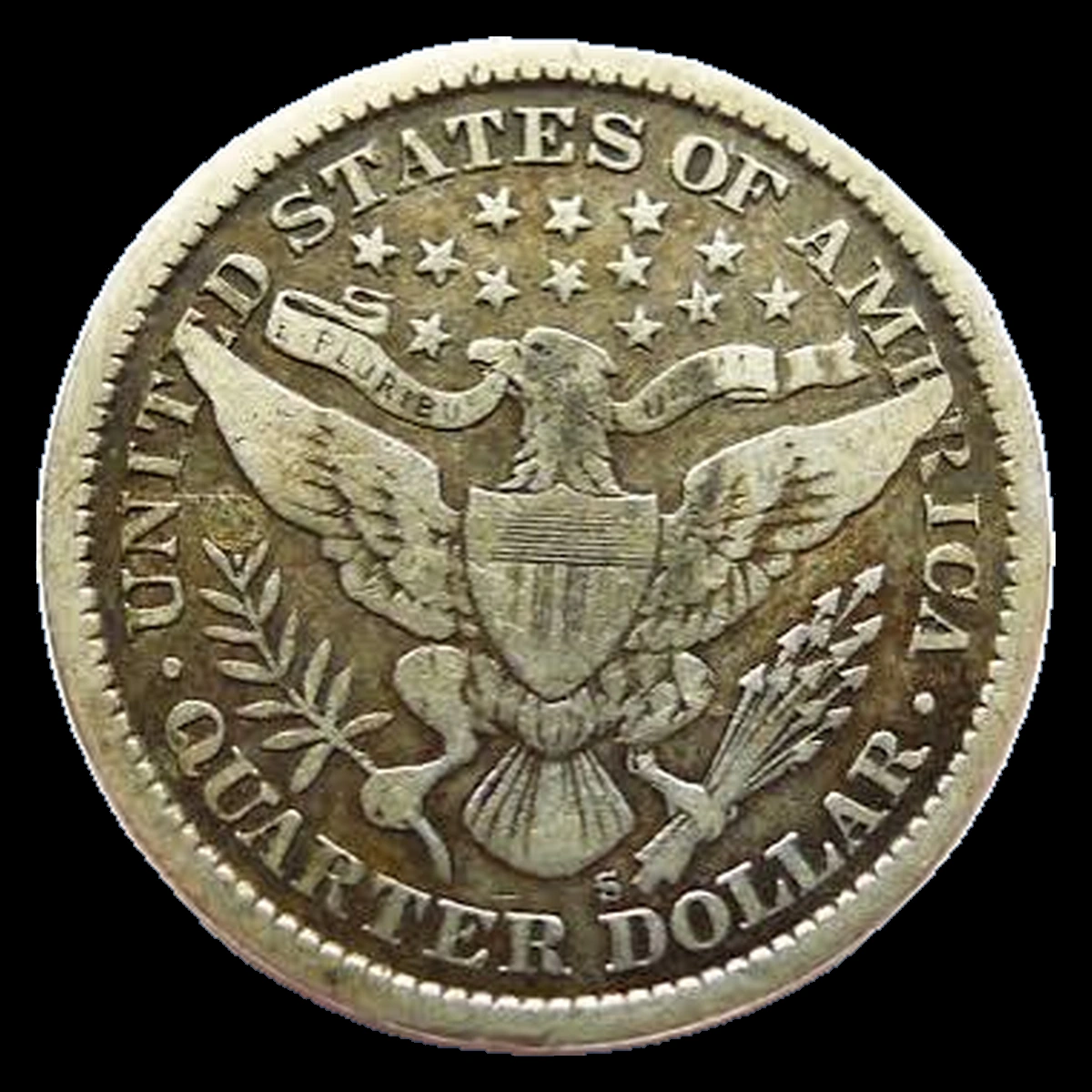
Mint workers punched the S into the tool separately. A repeated impression could leave an earlier letter partly visible beside the final one.
The Barber Coin Collectors’ Society survey lists a left-shifted S with closely spaced edge grooves. Another description has a larger S over traces of a smaller S toward the left.
A further report places extra detail to the right or upper right. These descriptions need their own matching examples.
How to Identify
Trace the main S below the eagle before looking for anything extra. Keep the whole letter and nearby surface visible in the close-up.
For the left-shifted type, look left of the S and compare the edge grooves with the reference. Narrow grooves alone do not prove a repunched letter.
For the large-over-small description, identify actual surviving curves of the smaller S. A large main letter by itself is not enough.
Keep right-side traces separate from left-side comparisons. Some descriptions may overlap, so matching the actual pattern is more useful than counting names as separate errors.
What It’s Worth
$100–$2,500 is the estimated range for confirmed 1895-S repunched mintmarks. Clear separation and preserved original surfaces strengthen the comparison.
The 1949-D/D FS-501 quarter graded PCGS MS65 sold for $384 in March 2018. Its different year and mint letter make it broad context, not a direct sale for these S varieties.
Conclusion
Check the mint before choosing a close-up to compare. A trace below a Philadelphia 5 differs from one above a New Orleans 5, and an extra S curve needs to fit the correct side of the letter.
Keep whole-face photographs with the enlargements. They preserve the position and identity of small features that can become misleading when shown as isolated bright lines.