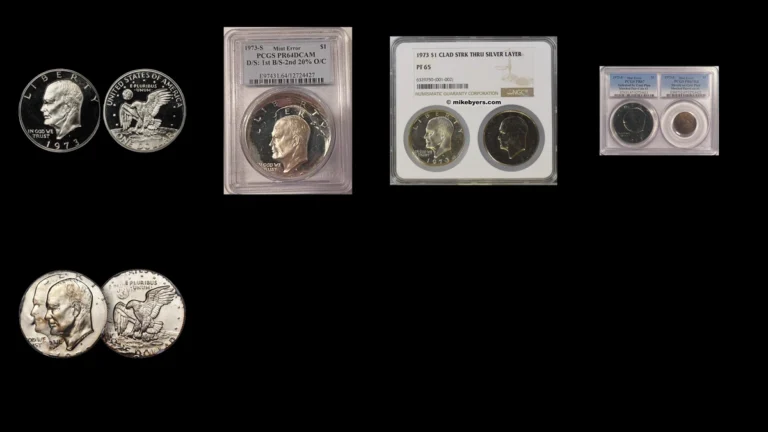
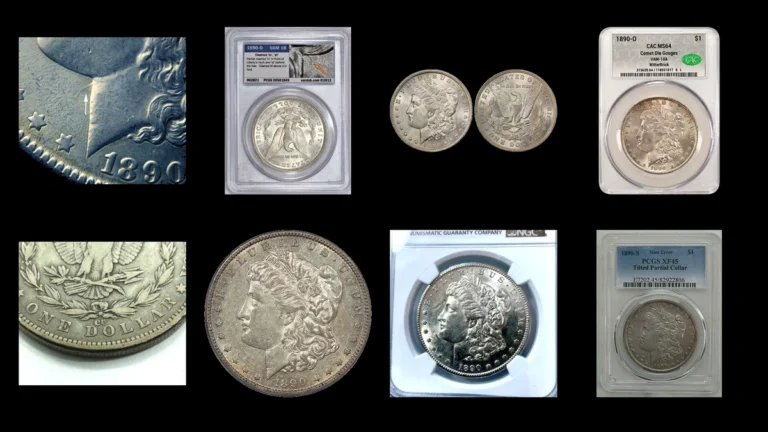
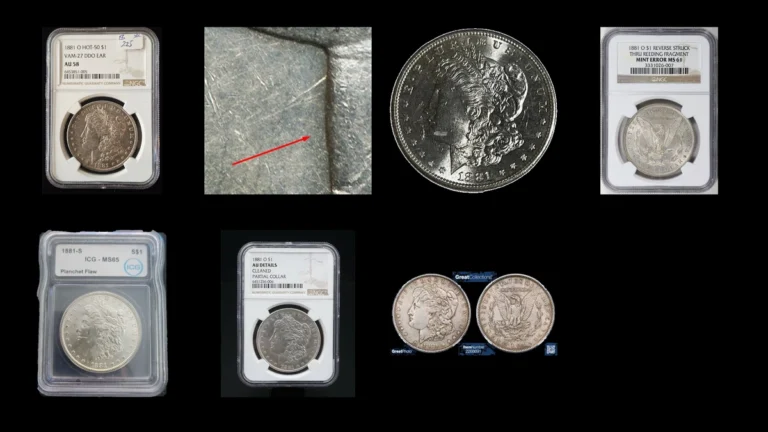
Rare 1892 Dollar Errors (List & Pictures)
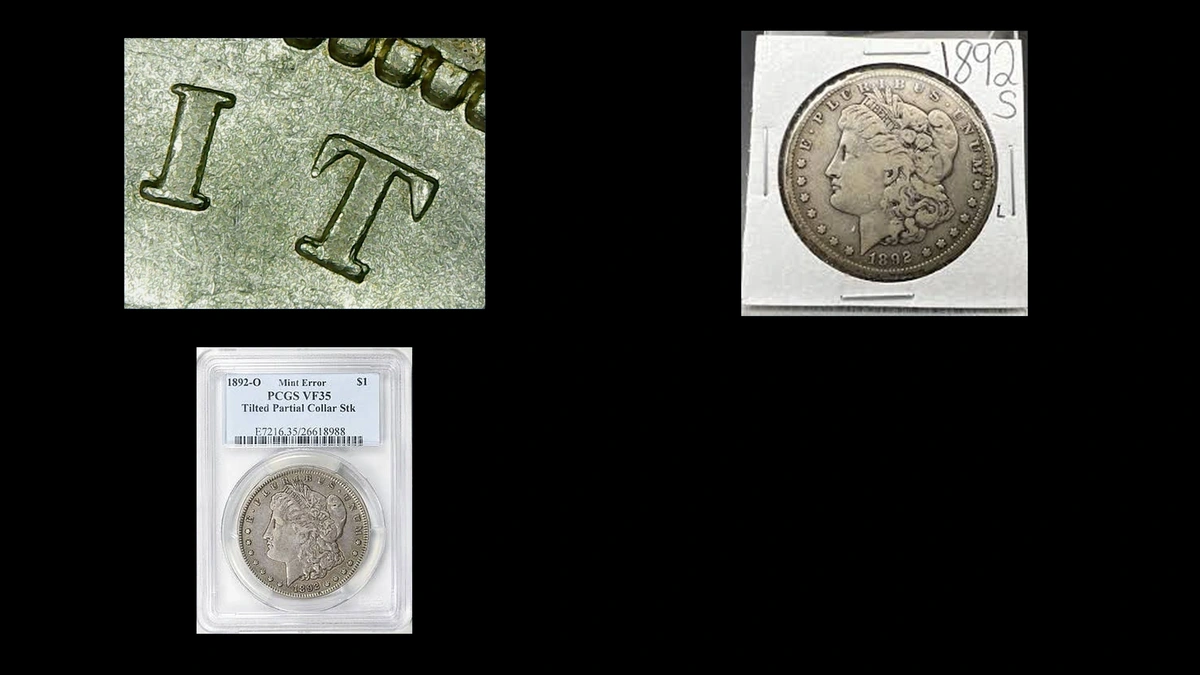
The same defect can have very different values on Philadelphia, Carson City, and San Francisco dollars. Among the supplied 1892 Morgan dollar errors, a guide reports an 1892-S partial-collar example selling for $3,350 in 2010, the highest completed transaction described here.
Whole-coin estimates run from $60 to $10,000. Read the mintmark first, then compare the raised details, interrupted surfaces, and edge features below.
| Visible clue | Identification | Estimated value |
|---|---|---|
| Lower remnant on second C | Repunched CC | $300–$10,000 |
| Repeated portrait or letters | Doubled die | $100–$2,500 |
| Raised front line | Die crack | $60–$1,500 |
| Localized interrupted design | Struck through | $100–$3,000 |
| Peeling silver | Lamination | $100–$5,000 |
| Stepped edge band | Partial collar | $200–$8,000 |
1. 1892 Dollar A lower curve survives on the second C: repunched mintmark Error
On a recorded Carson City variety, the second C was first punched too low and then corrected upward. Traces of the earlier position remained in the die and transferred to the dollars it struck.
The PCGS description of 1892-CC varieties discusses this corrected letter. Uneven placement alone is not the complete identification.
How to Identify
Keep both C letters below the wreath visible under magnification. Compare their height and spacing, then examine the second C for the surviving lower outline.
Match that remnant with an attributed repunched example. A simply low second C without the extra outline does not demonstrate the correction.
Check surrounding silver for disturbed texture, seams, or tool marks that might indicate an added mintmark. The authenticity of the complete Carson City dollar matters before any variety premium.
What It’s Worth
$300–$10,000 is the estimated whole-coin range from circulated through modestly graded unworn examples. Carson City demand already gives these dollars a substantial starting value.
The estimate combines condition and the identified mintmark feature. Ordinary 1892-CC prices should not be described as sales of this particular repunched variety.
2. 1892 Dollar Liberty’s outline and letters repeat: doubled die Error
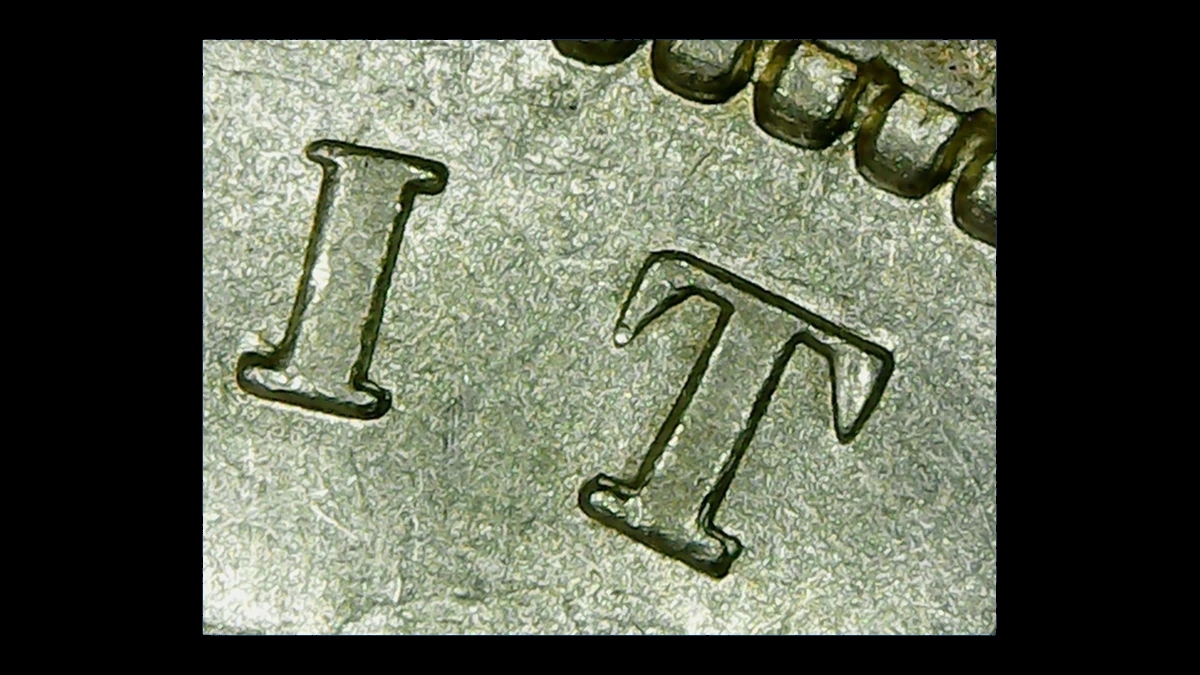
A Philadelphia variety has a repeated portrait profile and three overlapping outlines in E PLURIBUS UNUM. Separate Philadelphia reverse varieties require their own comparisons.
The repeated shapes originated when design impressions failed to align during die preparation. One strike from that die could reproduce the extra detail on a coin.
How to Identify
For the front variety, inspect the nose, lips, and chin before moving to the motto above Liberty. Look for repeated raised parts and small separating notches rather than a single broad flat edge.
A reverse candidate must match its own documented doubled details. Front doubling does not imply that the same coin has doubled eagle feathers.
A flat shelf can result from movement during striking. Compare several features before choosing a doubled-die attribution, and remember that a catalog number does not count striking blows.
What It’s Worth
$100–$2,500 is the supplied estimate for clearly identified Philadelphia examples from ordinary circulated through attractive unworn condition. Strong remaining detail and original surfaces support the better comparisons.
An 1896 doubled-star dollar is reported at $349 in MS63. That different date and pattern provide only a modest-grade comparison, not an exact 1892 sale.
3. 1892 Dollar A thin line stands above the front: die crack Error
A crack in the die lets silver enter an unintended opening, adding a raised line to the struck coin. The dollar itself need not be split.
A published year guide illustrates a Philadelphia front crack. Small cracks are common in the Morgan series and may add little to the normal coin value.
How to Identify
Light the line from one side and then the other to establish its height. An incuse channel belongs to a scratch, even if displaced metal beside that scratch forms a bright ridge.
Follow the feature through any letters and background it crosses. Look for a continuous raised shape without scraping, and leave dirt or loose material undisturbed rather than rubbing it away.
What It’s Worth
$60–$1,500 is the estimated range for circulated through moderately graded unworn Philadelphia dollars with identifiable cracks. The guide lists a lightly worn example at a $69 asking price.
That listing is not a confirmed sale. Better preservation accounts for much of the upper range, while a minor line on a heavily worn coin may carry no meaningful premium.
4. 1892 Dollar A bounded patch of design is missing: struck through Error
Foreign material between blank and die can block a localized portion of the design. The resulting depression or weak patch may preserve the obstruction’s shape without retaining the object.
A dealer describes a Philadelphia front example graded NGC XF45, while a separate New Orleans report concerns the reverse. Their face locations should remain distinct.
How to Identify
Compare the affected patch with the strength of the surrounding design. General softness at both centers can reflect ordinary weak striking instead of a localized obstruction.
Inspect the boundary for texture and a coherent interruption of detail. Scrapes, sharp cuts, or metal pushed up by a later impact require a different explanation.
Use the mintmark to choose the appropriate reference: no letter for Philadelphia or O for New Orleans. The descriptions alone do not establish a retained object or a particular material.
What It’s Worth
$100–$3,000 is the estimate for authenticated examples of differing size and clarity. The Philadelphia XF45 was reported offered at $180.94, and the New Orleans reverse example at $150.
Both figures are asking prices. An impressive impression on a well-preserved dollar is a stronger upper-range candidate than an indistinct flat eagle’s breast.
5. 1892 Dollar A thin silver flap separates: lamination Error
Morgan dollars contain a mixed alloy of 90% silver and 10% copper, rather than modern sandwich-like clad layers. Weakness or impurities within that alloy can allow a thin portion to peel away.
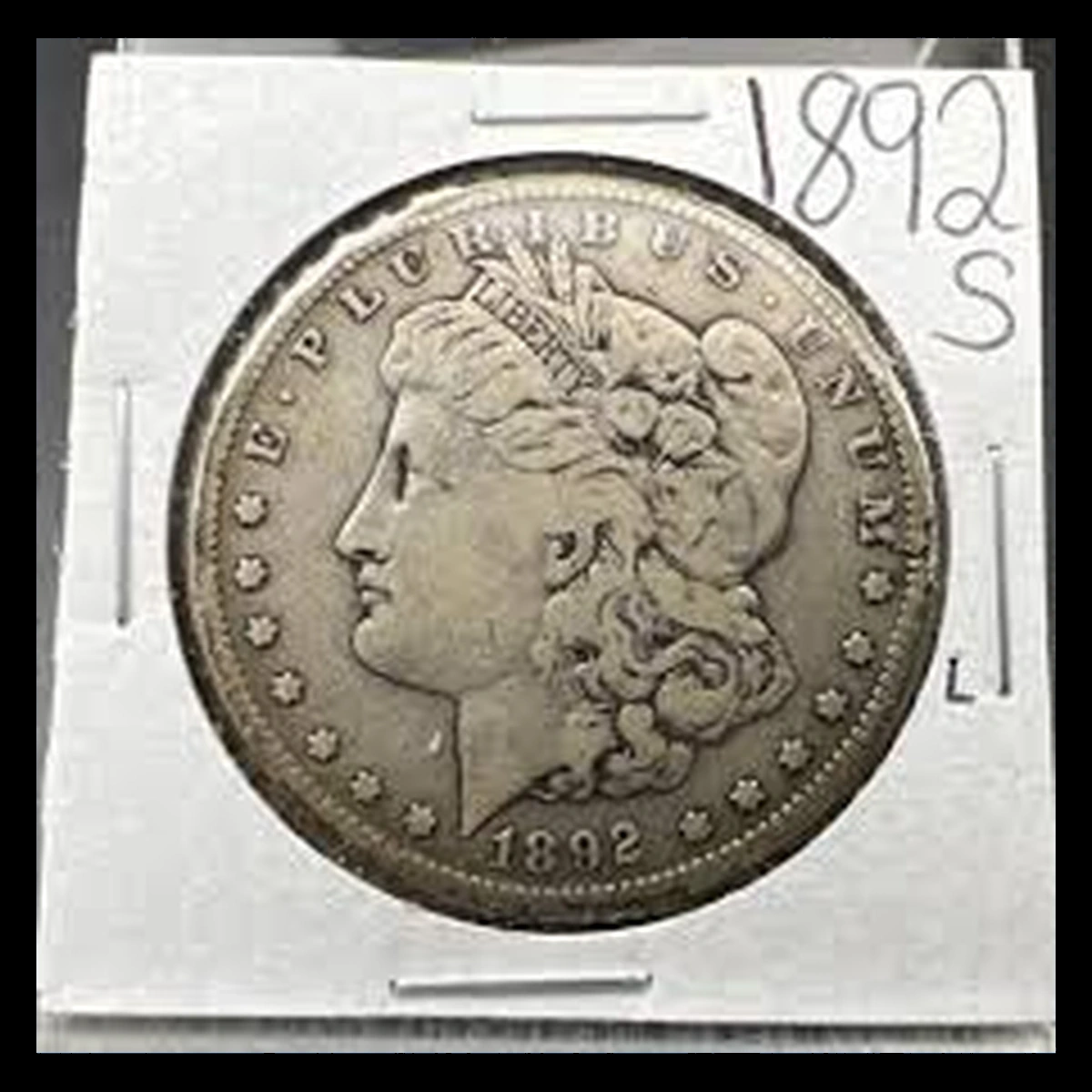
Lamination is reported on both 1892-O and 1892-S dollars. A flap may remain attached or leave an exposed patch after separating.
How to Identify
Inspect the boundary for a thin sheet separating from the body, with any original design still visible across it. Do not lift attached metal to examine underneath.
A deep gouge with directional scratches is a different form of metal loss. A small genuine flake may barely change the normal 26.73-gram weight.
Read the O or S and record wear on both faces. A lightly worn San Francisco dollar and an equally peeled New Orleans coin can belong to very different price levels.
What It’s Worth
$100–$5,000 is the estimated range for circulated laminations, with mint and preservation setting much of the total. A reported 1892-O with a major lamination was offered at $354.
That is an asking price. The scarcity of better-preserved 1892-S dollars can raise their value independently of peeling, while cleaning or a broken-off flap can reduce appeal.
6. 1892 Dollar The grooved edge meets an expanded band: partial collar Error
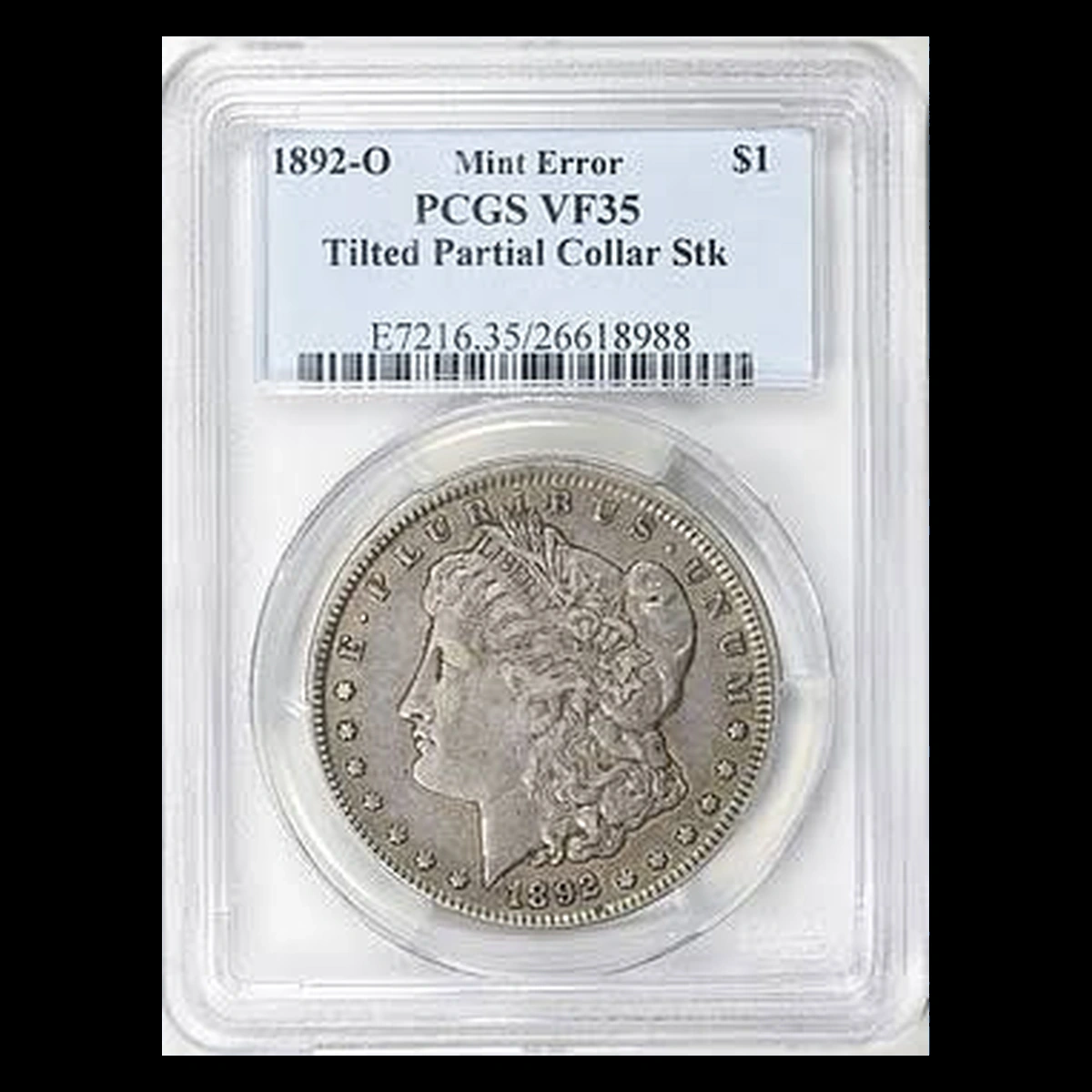
A blank unevenly seated in the collar can spread farther on one portion than another. The resulting edge may have a sloping step between the grooved and expanded bands.
The supplied New Orleans example is a tilted partial-collar strike. A separate San Francisco coin carries an AU Details designation, indicating slight wear plus a condition problem.
How to Identify
Follow the edge around the full coin in side photographs. On a tilted example, the grooved band’s height can change gradually around the circumference.
Compare the expanded region with the normal 38.1-millimeter diameter when measurements are available. Grinding marks, isolated dents, or flattened grooves can indicate later edge damage instead.
Keep the holder sealed and read the full designation. AU Details must not be shortened to an uncomplicated AU grade when comparing the San Francisco example.
What It’s Worth
$200–$8,000 is the estimated range for circulated partial-collar dollars across these mints. A year guide reports $3,350 in 2010 for the 1892-S AU Details example.
GreatCollections records a February 2018 sale of the 1892-O PCGS VF35 tilted partial collar without displaying its amount in the supplied public listing. The two coins cannot share a price merely because their broad error category matches.
Conclusion
For this date, the mintmark is part of both identification and valuation. Keep the Carson City repunched letter, Philadelphia doubled designs, and the separate New Orleans and San Francisco edge errors attached to their own evidence.
Surface preservation can matter more than a small defect. Clear views of both faces and the edge help distinguish an original manufacturing feature from damage and make asking prices easier to separate from documented sales.