Rare 2019 Sacagawea Dollar Errors (List & Pictures)
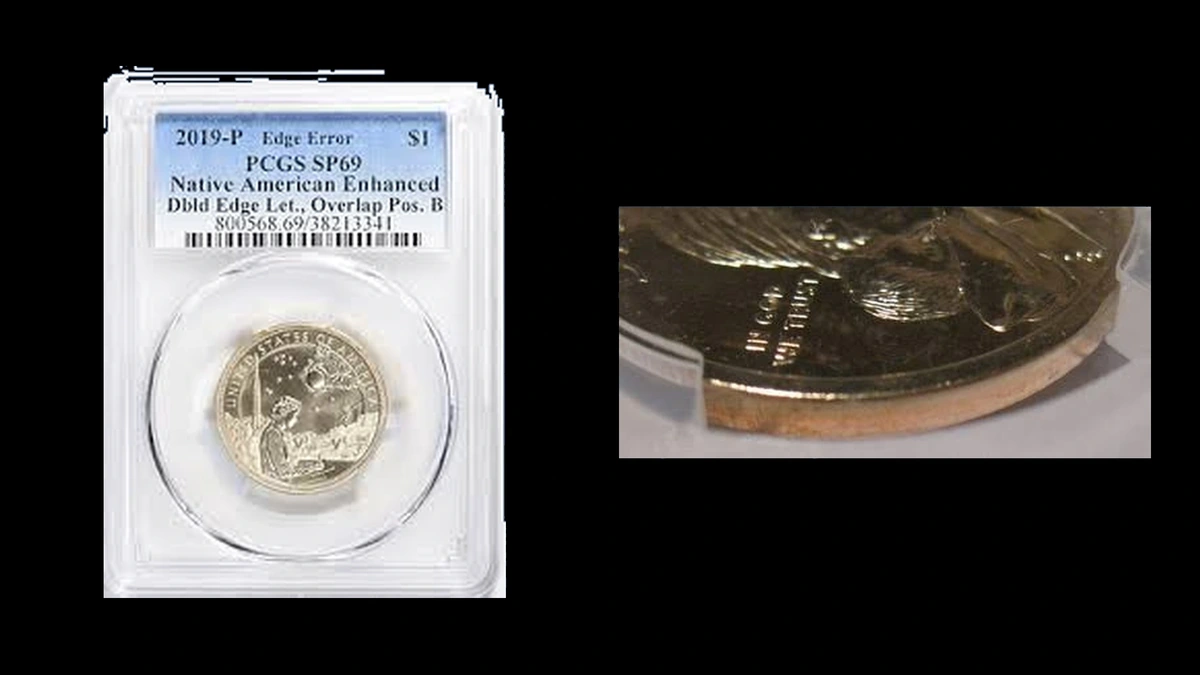
The edge tells opposite stories on the two 2019 Sacagawea dollar errors here: one has overlapping inscriptions, while the other has none. Their finishes also differ.
Estimated values span $150–$3,000. A different-year 2010 satin-finish missing-edge dollar brought $1,708 in May 2026, providing context rather than a 2019 sale price.
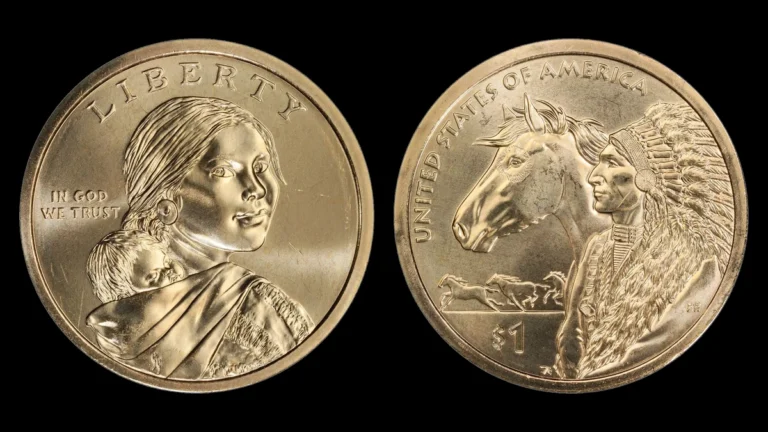
Use the space-themed reverse to identify the issue, then inspect a full turn of its edge.
2019 Dollar Two Overlapping Inscriptions: Doubled Edge Lettering Error
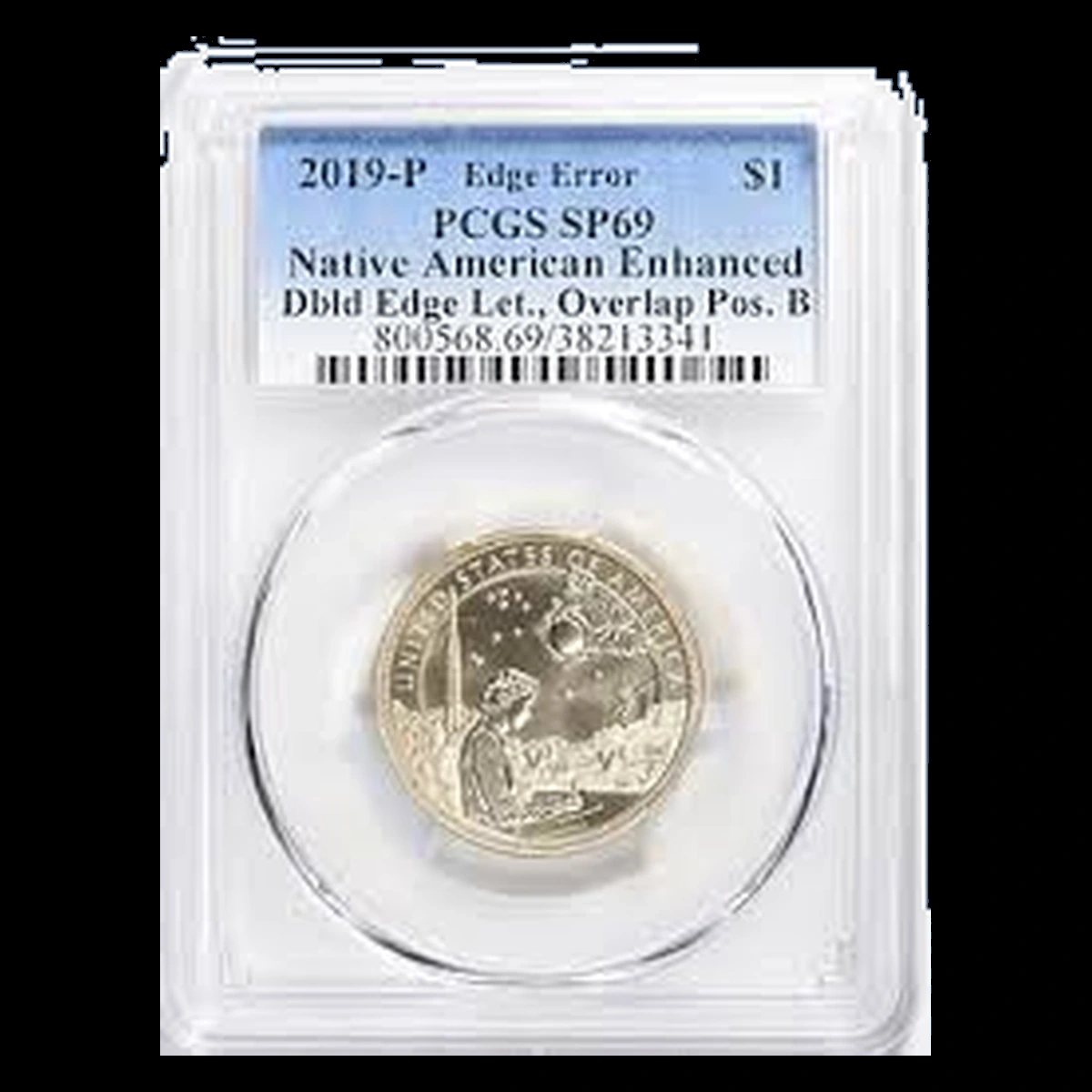
The documented doubled-edge coin is a Philadelphia Enhanced Uncirculated dollar from the Coin and Currency Set. It has a special collector finish, distinct from both an ordinary Philadelphia dollar and a San Francisco Proof.
Two recessed sets of edge text face the same direction. Dates, mint letters, motto letters, and stars overlap instead of forming one normal inscription.
PCGS describes the example as Position B. That is a normal reading direction; the second overlapping impression creates the error.
How to Identify
Find 2019 or P and look for two separate sunken outlines. Follow the duplicated strokes into nearby letters and stars to see whether they fit another lettering pass.
Change the light over the same pair of marks. Real recessed outlines stay in place, while a bright reflection can move beside a single normal letter.
Check the faces against a confirmed enhanced-finish example. Their contrasting textures are part of the normal collector finish and do not count as additional errors.
Position B describes text readable with Sacagawea’s side facing up. One inscription in that direction is normal, so direction alone cannot establish duplication.
What It’s Worth
$150–$1,500 is the estimated range for the doubled-edge enhanced issue. Visible overlap and preservation of the delicate surfaces help support a comparison.
GreatCollections sold a discovery piece in February 2020 graded PCGS SP69. That grade describes nearly perfect special-strike surfaces.
The public page does not display its realized price. The guide range is an estimate, not a substitute for that unavailable sale amount.
2019 Dollar A Completely Unlettered Edge: Missing Edge Lettering Error
An ordinary dollar that misses the edge-lettering operation can retain normal face designs but lack its edge text. The visible year and mint letter disappear along with the other inscriptions.
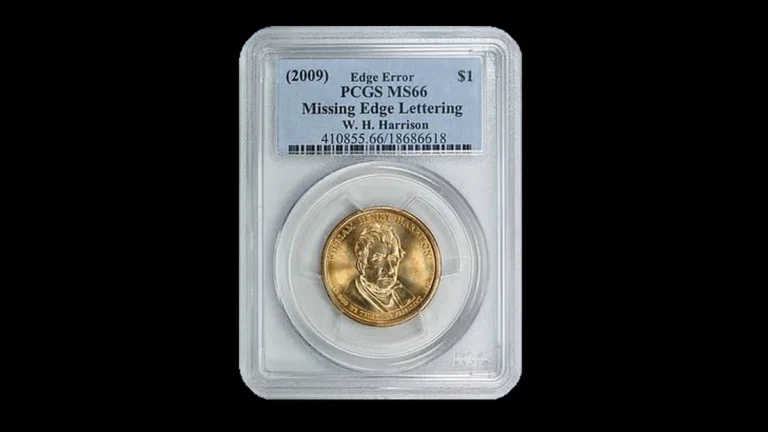
PCGS lists the missing-edge type, and an MS66 ordinary-strike example has appeared for sale. Its space-themed reverse still identifies the 2019 Native American issue.
An absent mint letter does not establish Philadelphia or Denver. The familiar Sacagawea portrait cannot resolve that missing information.
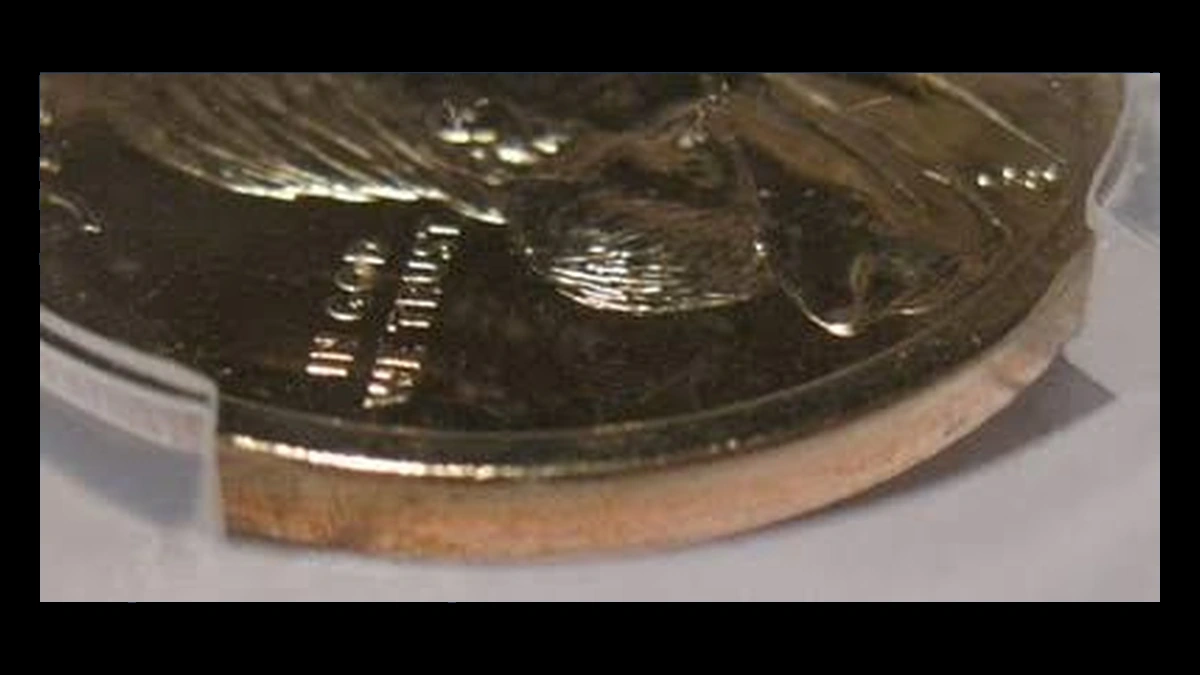
How to Identify
Confirm the 2019 reverse honoring Native American contributions to spaceflight, with Mary Golda Ross and an astronaut. Then inspect the entire edge under a magnifier.
Even faint letter bottoms mean some text remains. Weak lettering should not be described as complete omission.
Look for parallel grinding marks, a flattened band, or unusual rounding from removed metal. For a loose coin, about 8.1 grams and 26.49 millimeters are normal reference measurements.
Matching those figures does not prove authenticity. Every part of the original edge needs examination, not only one blank-looking stretch.
What It’s Worth
$500–$3,000 is the estimate for a genuine ordinary 2019 missing-edge example. A seller has listed the PCGS MS66 coin at $2,999.95, which is an asking price.
A 2010 satin-finish missing-edge dollar graded PCGS SP67 sold for $1,708 in May 2026. Its different year and special finish must remain part of that comparison.
An original edge and sound surfaces support the estimate more than a high advertised price alone.
Conclusion
Count actual recessed impressions rather than judging the direction of the words. Doubled lettering requires overlapping text, while complete missing lettering requires an untouched edge without any surviving strokes.
Keep the enhanced collector finish with the documented doubled-edge example and the ordinary finish with the missing-edge example. Full reverse and edge photographs help preserve those identities when a date or mint letter is difficult to read.