Rare 1886 Dime Errors (List & Pictures)
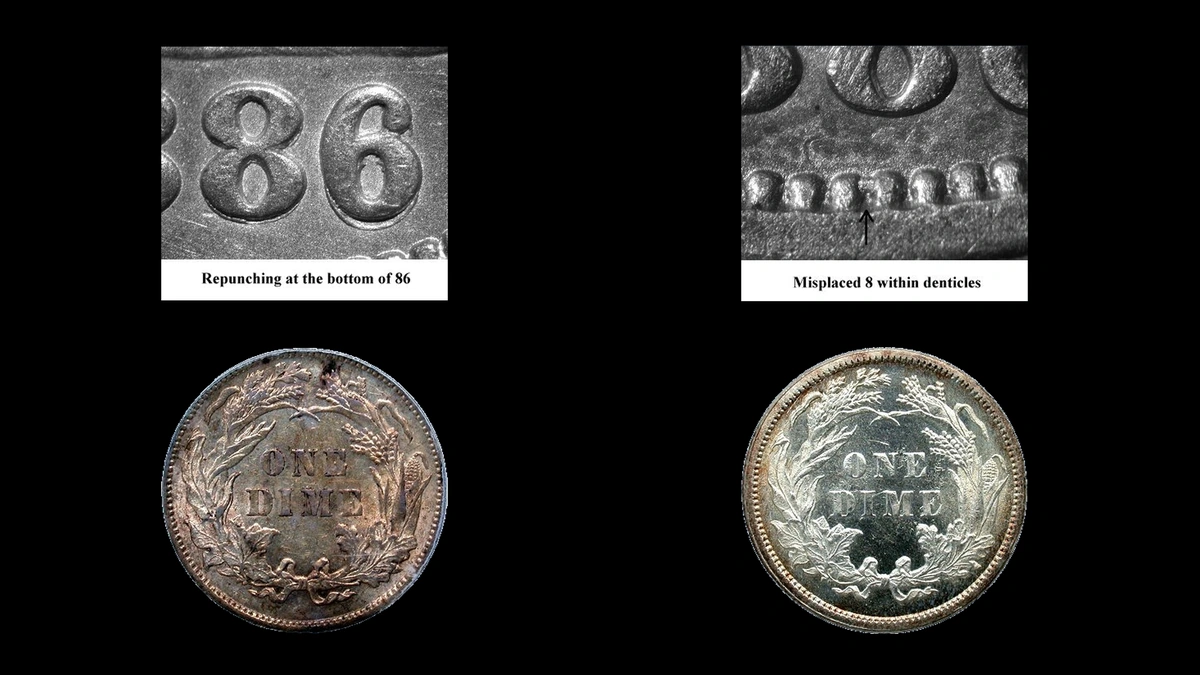
An 1886 dime struck 5% off-center sold for $1,955 in July 2004, graded PCGS MS62. Estimated whole-coin values for 1886 dime errors range from $30 to $3,000.
Start with the full design, move into the date and border, then inspect fine surface lines. The Philadelphia circulation examples discussed here have no mintmark and normally weigh 2.50 grams with a 17.9-millimeter diameter.
| Visible clue | Identification | Estimated whole-coin range |
|---|---|---|
| Partly missing design | Off-center strike | $300–$3,000 |
| Extra outlines beside 86 or 6 | Repunched date | $40–$1,500 |
| Numeral fragment in border | Misplaced date | $50–$1,000 |
| Raised lines through design | Die cracks | $30–$400 circulated |
| Opposing-design contours | Clashed dies | $30–$400 circulated |
1. 1886 Dime A complete date beside missing border: off-center strike Error
The auctioned 5% off-center dime retains all four date digits, while nearby border detail and part of the wreath are missing. Its design is displaced toward the lower right, around 5:30.
A separate historical listing describes a 10% off-center 1886 dime. The two percentages belong to different coins, each struck with its blank away from the proper center.
How to Identify
Examine the missing design and the surviving plain margin together. Both faces should support a strike that partly missed the metal disc.
For the auctioned 5% coin, compare the complete date, affected border teeth, and truncated wreath. Do not assign that exact pattern or direction to the separate 10% report.
Inspect the unstruck area for original texture rather than grinding or polishing marks. A centered reverse with only the front displaced may indicate a misaligned die instead.
What It’s Worth
Readable-date examples have an estimated whole-coin range of $300–$3,000 from circulated through lower-grade unworn condition. The date, surfaces, and remaining design are important alongside the amount of shift.
The PCGS MS62 5% coin sold for $1,955 on July 21, 2004. Its catalog noted residue that limited the grade.
This does not establish a sale price for the historical 10% coin. More displacement alone cannot guarantee a higher price if identification or surface quality is worse.
2. 1886 Dime Earlier outlines close to the numbers: repunched date Error
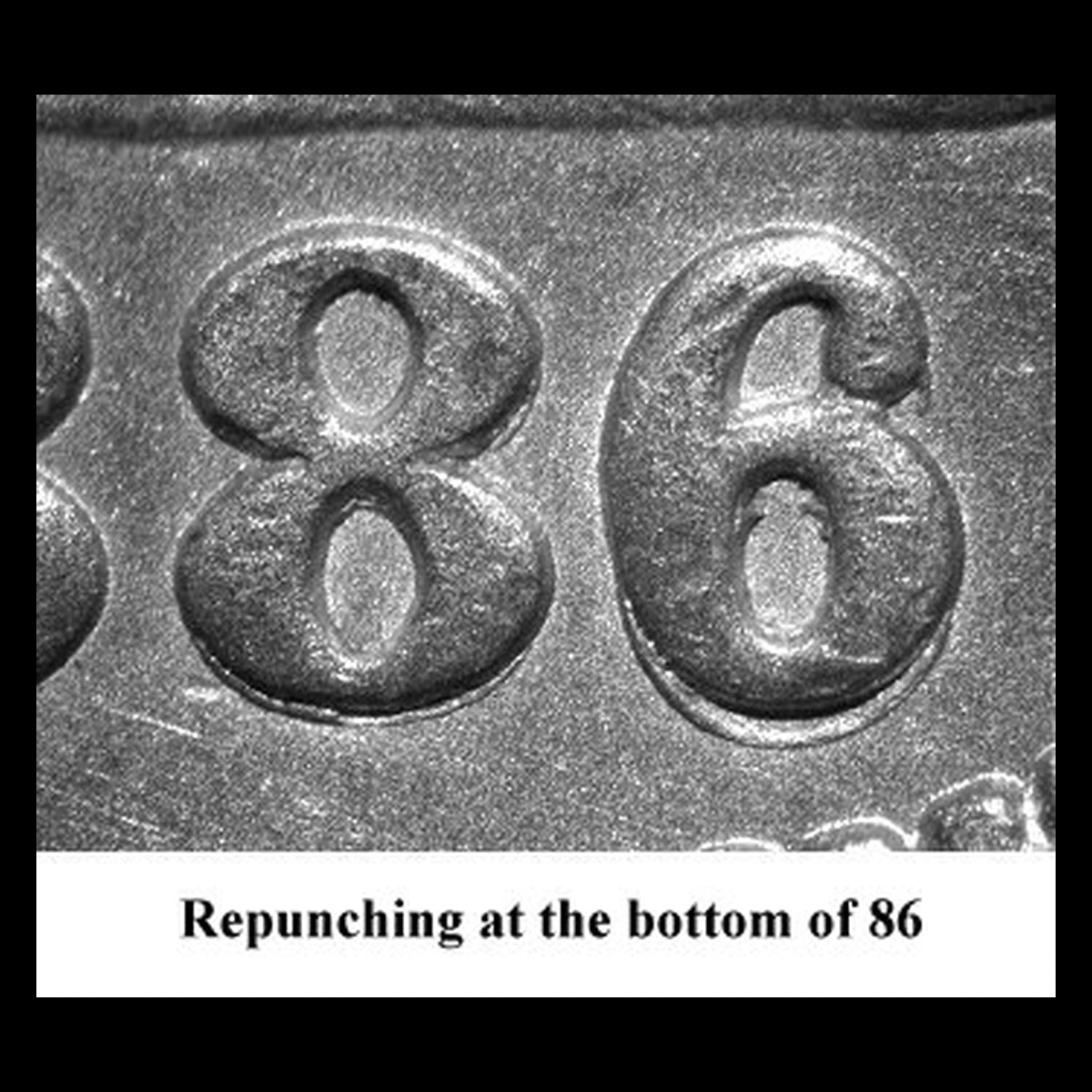
Some varieties show upward repunching of 86, while others have repeated traces within or around the final 6. The surviving strokes differ because the date punch entered the die in different positions.
These remnants remain close to the intended date. They differ from the separate numeral fragments located lower in the border.
How to Identify
Compare the complete date’s height and slope before tracing the extra strokes. A thick-looking 6 does not automatically identify the same variety as another doubled-looking date.
Look for raised outlines that follow an earlier numeral shape, rather than a flat shelf or cut. Examine the reverse too, so the attribution does not rest on one unusual edge.
The supplied examples are Philadelphia circulation coins. Their diagnostics should not be applied automatically to an S-mint coin or a collector Proof.
What It’s Worth
The estimated whole-coin range is $40–$1,500 for identifiable circulated through high-quality unworn examples. Original surfaces and visible remnants determine the usefulness of a comparison.
A 2015 Legend catalog described an NGC MS66+ CAC repunched-86 dime and noted a recent $1,116 sale. That is high-grade context, not a sale price for every repeated-6 variety.
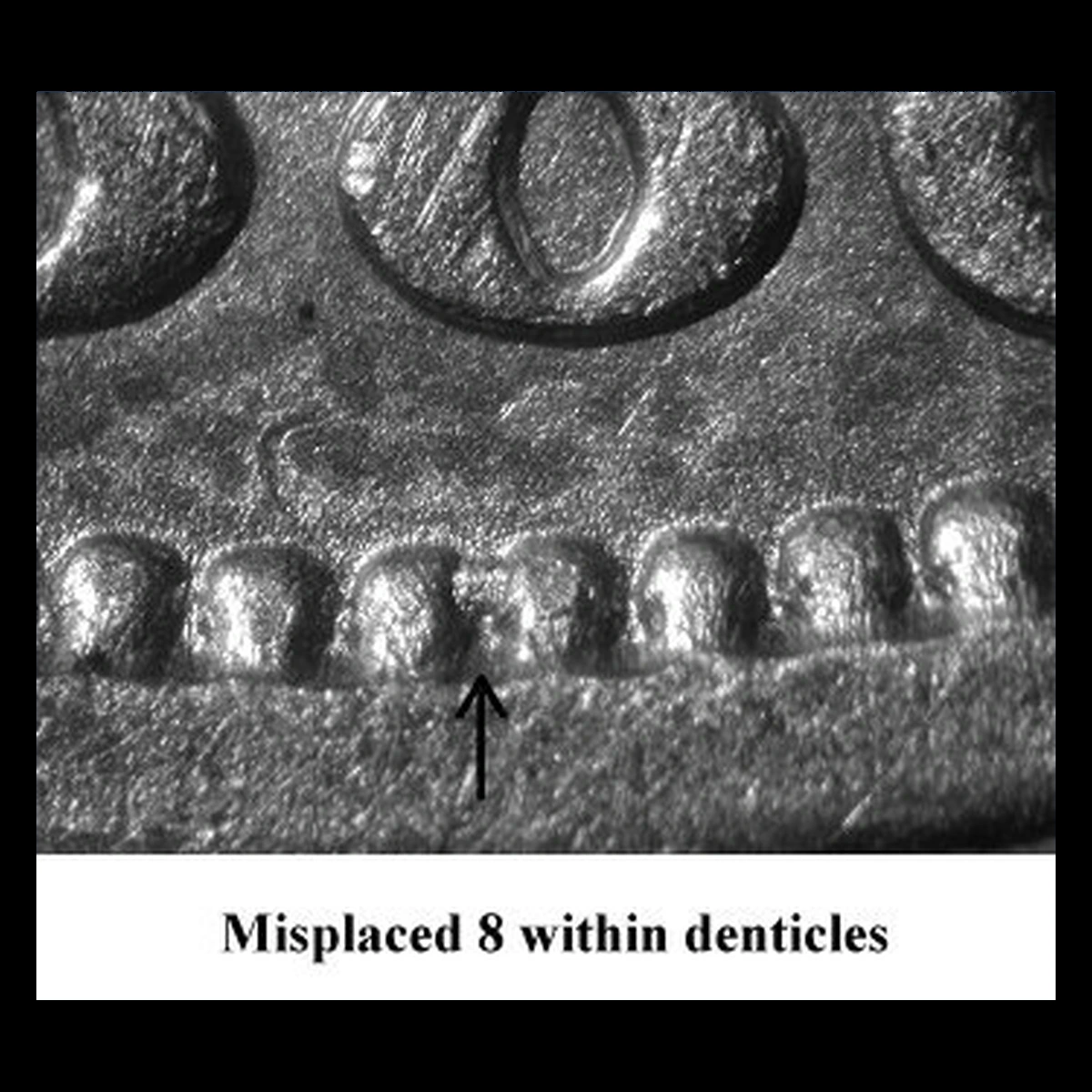
3. 1886 Dime Extra curves among the border teeth: misplaced date Error
One variety has the top of an extra 8 beneath the second 8 in the normal date. Another has a misplaced 6 fragment below the final digit.
The earlier punch entered the die too low before the date was placed correctly. The resulting coin can carry both the intended date and a surviving border fragment.
How to Identify
Keep the entire date and lower border visible. Match the recorded extra 8 top beneath the correct 8 rather than treating any uneven tooth as a digit.
Use a separate reference for the fragment below 6. Its position and shape are not established by moving the extra-8 comparison sideways.
Look for a raised curved remnant formed with the original border. Dents, scratches, and shadows can resemble pieces of numbers without preserving an actual punched shape.
What It’s Worth
Worn through well-preserved unworn examples have an estimated whole-coin range of $50–$1,000. Clear border detail helps establish the small identifying fragment.
No specific auction result is supplied for these examples. The estimate concerns the complete coin, with each separate variety requiring its own condition and rarity comparison.
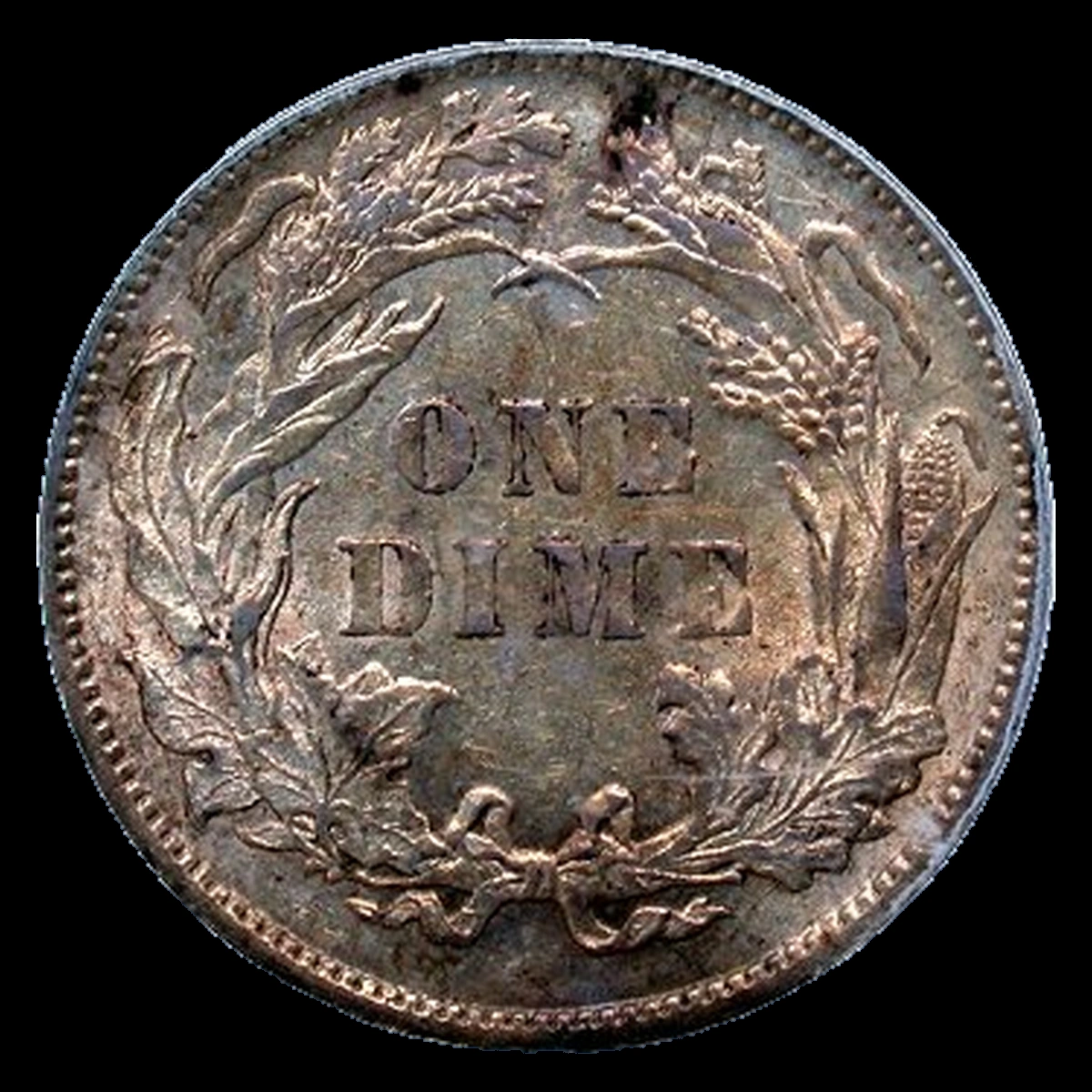
4. 1886 Dime Lines through leaves or ICA: die cracks Error
Reported reverse cracks pass through lower and left portions of the wreath. A separate front-side route crosses ICA in AMERICA.
Metal enters a cracked die during striking and leaves a raised ridge. A line can branch without reaching the rim or developing into a large break.
How to Identify
Choose the correct face and follow its complete route through the design. Do not combine the separate wreath and ICA reports into one required network.
Tilt the light to decide whether the line rises above the surface or cuts downward. A scratch, a separating metal layer, or an impact with pushed-up edges requires another explanation.
Inspect boundaries rather than relying on the line’s color. A dark line in a photograph may conceal the relief needed to distinguish a crack from damage.
What It’s Worth
Circulated through lightly worn coins with matching cracks have an estimated whole-coin range of $30–$400. Small lines may add little beyond the ordinary coin’s value.
These are estimates rather than recorded sales of the described varieties. More branches do not guarantee greater rarity or demand, and later scratches do not qualify for a die-break premium.
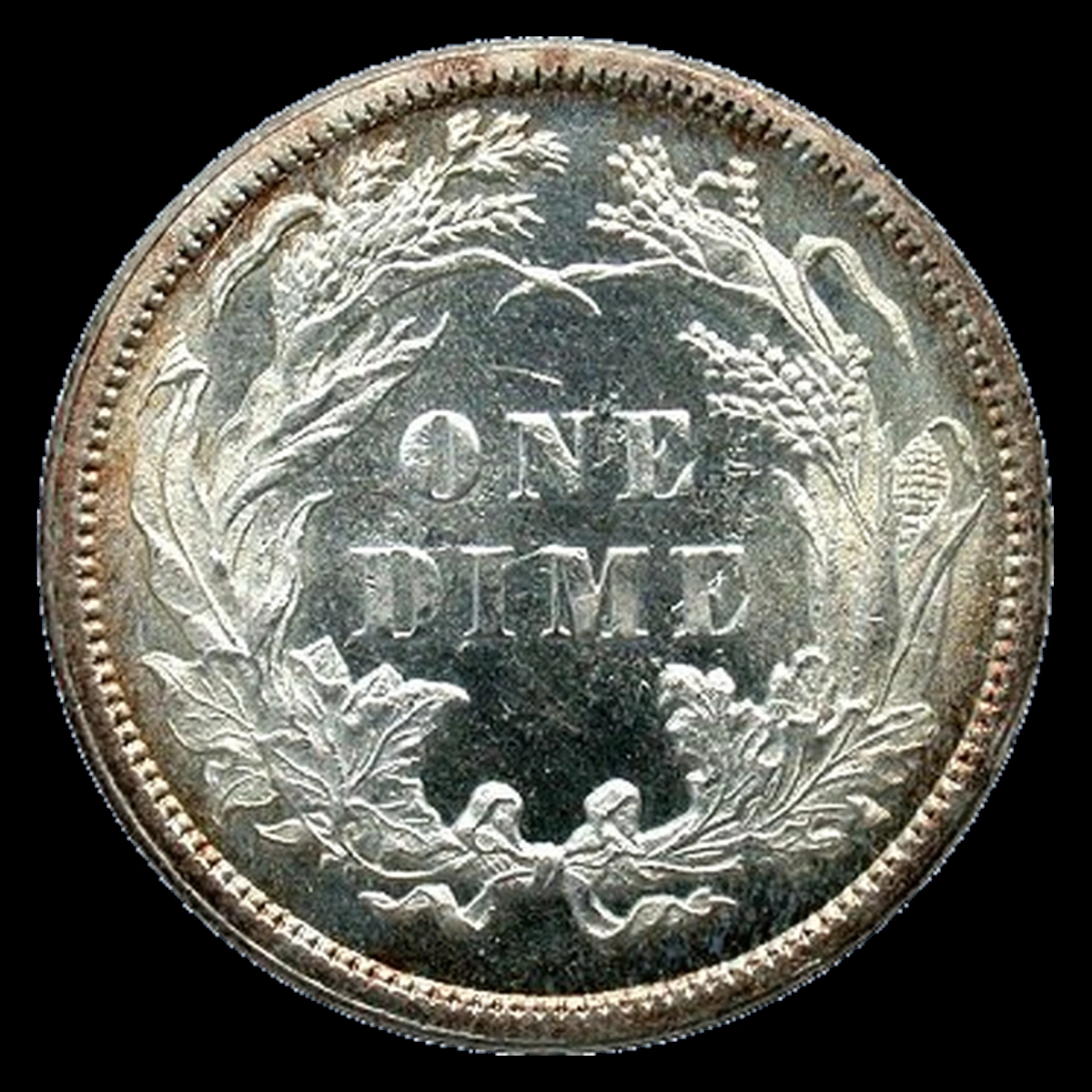
5. 1886 Dime A faint echo of the other design: clashed dies Error
Several Philadelphia circulation varieties show extra opposing-design traces on both faces. There is no single required location shared by all reported 1886 clashes.
The dies collided without a blank between them, acquiring marks that transferred to later coins. A crack on the same specimen remains a separate feature of damaged tooling.
How to Identify
Choose one unwanted outline and relate it to a recognizable part of the opposite design. Use similarly sized views and preserve the intended orientation during comparison.
Random scratches and straight polishing lines do not establish that connection. Move the light to examine the contour itself rather than its shadow.
Confirm the Philadelphia circulation issue and select the corresponding variety reference. A general clash label does not identify the exact marks on a particular coin.
What It’s Worth
Worn through lightly worn examples with clear clashes have an estimated whole-coin range of $30–$400. A recognizable transferred shape can be more useful than a barely visible mark.
No auction sale of the cataloged clash examples is supplied. Faint traces on an ordinary worn dime generally call for a modest assessment, not a price based only on a seller’s error label.
Conclusion
The complete design separates an off-center strike from the smaller date and surface varieties. Within the date area, distinguish remnants beside the normal numbers from fragments placed down in the border.
Cracks and clashes require their own matches, even when they occur together. The $1,955 off-center sale belongs to the 5% specimen with noted residue; keep the separate 10% report and estimated variety ranges distinct.