Rare 1934 Dime Errors (List & Pictures)
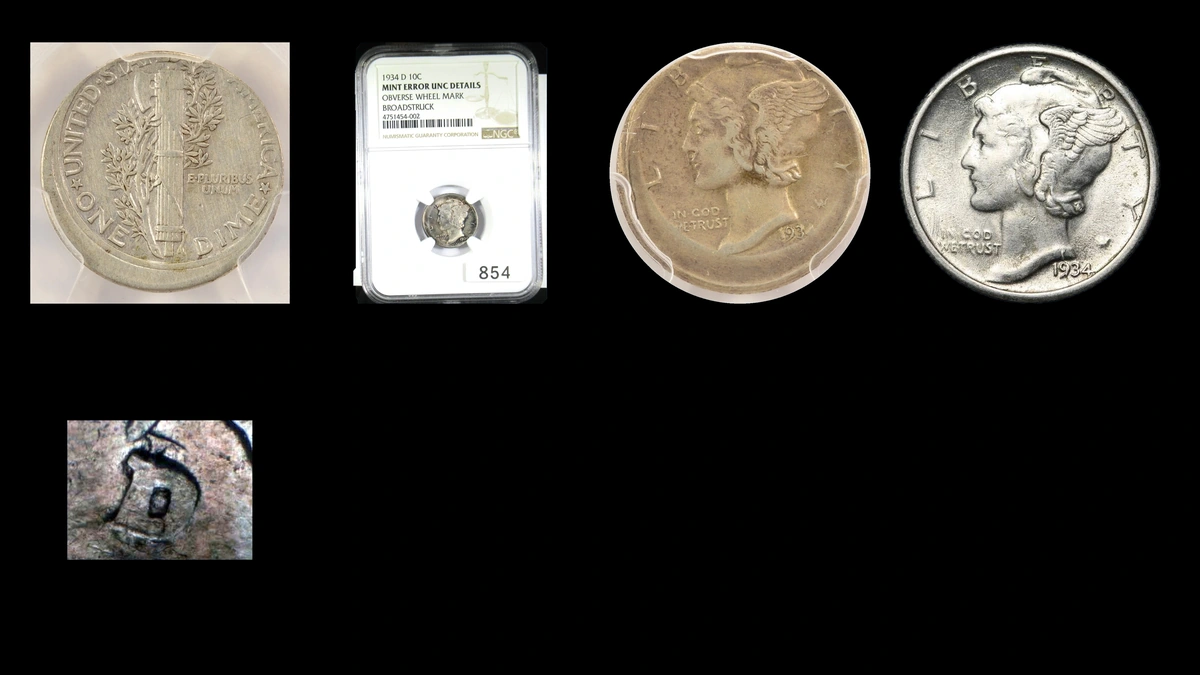
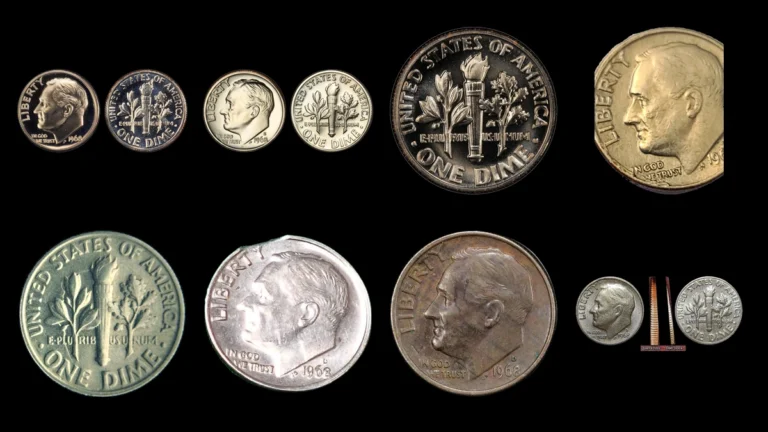
Two dimes with uneven borders may have different errors. One could have a shifted die, while another spread beyond the ring that normally controls its width.
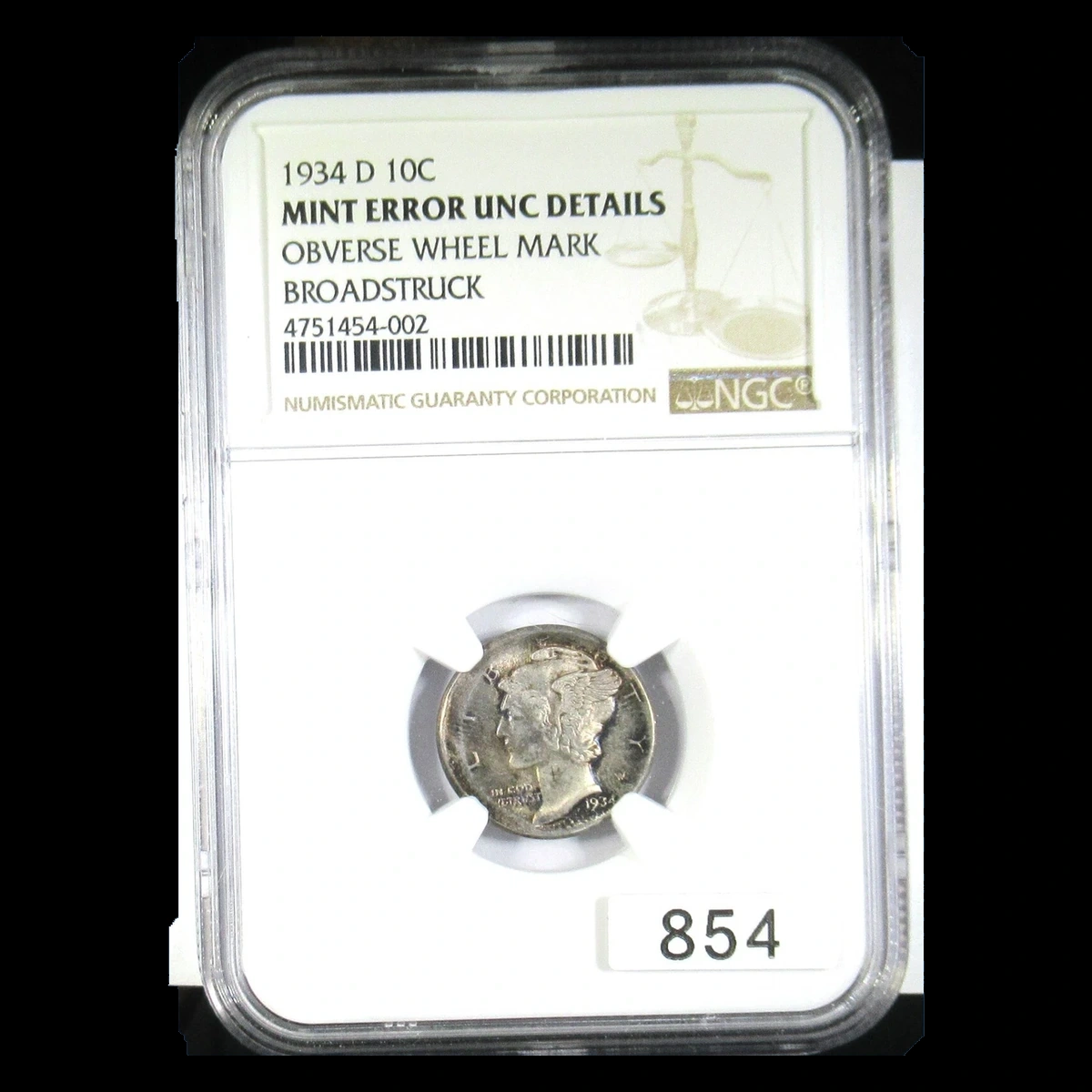
These 1934 dime errors have estimated whole-coin values of $20–$1,500. A 1934-D broadstrike sold for $168 in July 2021; compare the full designs on both faces before moving to the smaller date and mintmark details.
| Visible clue | What to check |
|---|---|
| Only the reverse is shifted | Misaligned die |
| Wider outline, complete design | Broadstrike |
| Missing design beside blank metal | Off-center strike |
| Reverse tilts after a straight flip | Rotated dies |
| A curved piece is absent | Clipped blank |
| A thin surface layer lifts | Lamination |
| Extra date outlines, a ridge, or an earlier D | Doubling, die crack, or repunched mintmark |
1. 1934 Dime The Back Shifts while the Front Stays Differently Centered: Misaligned Die Error
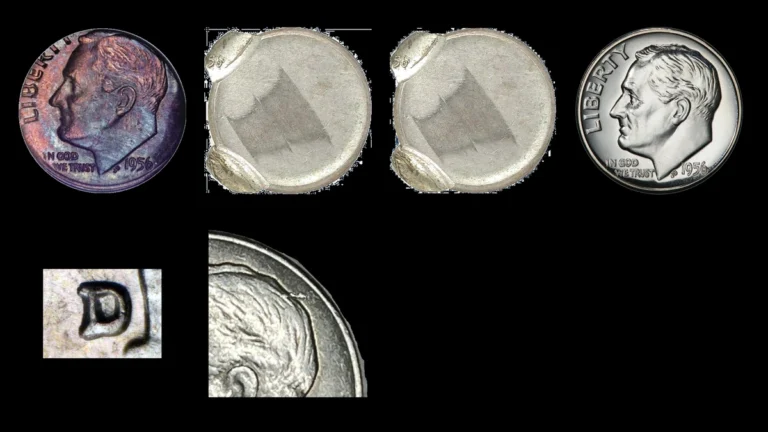
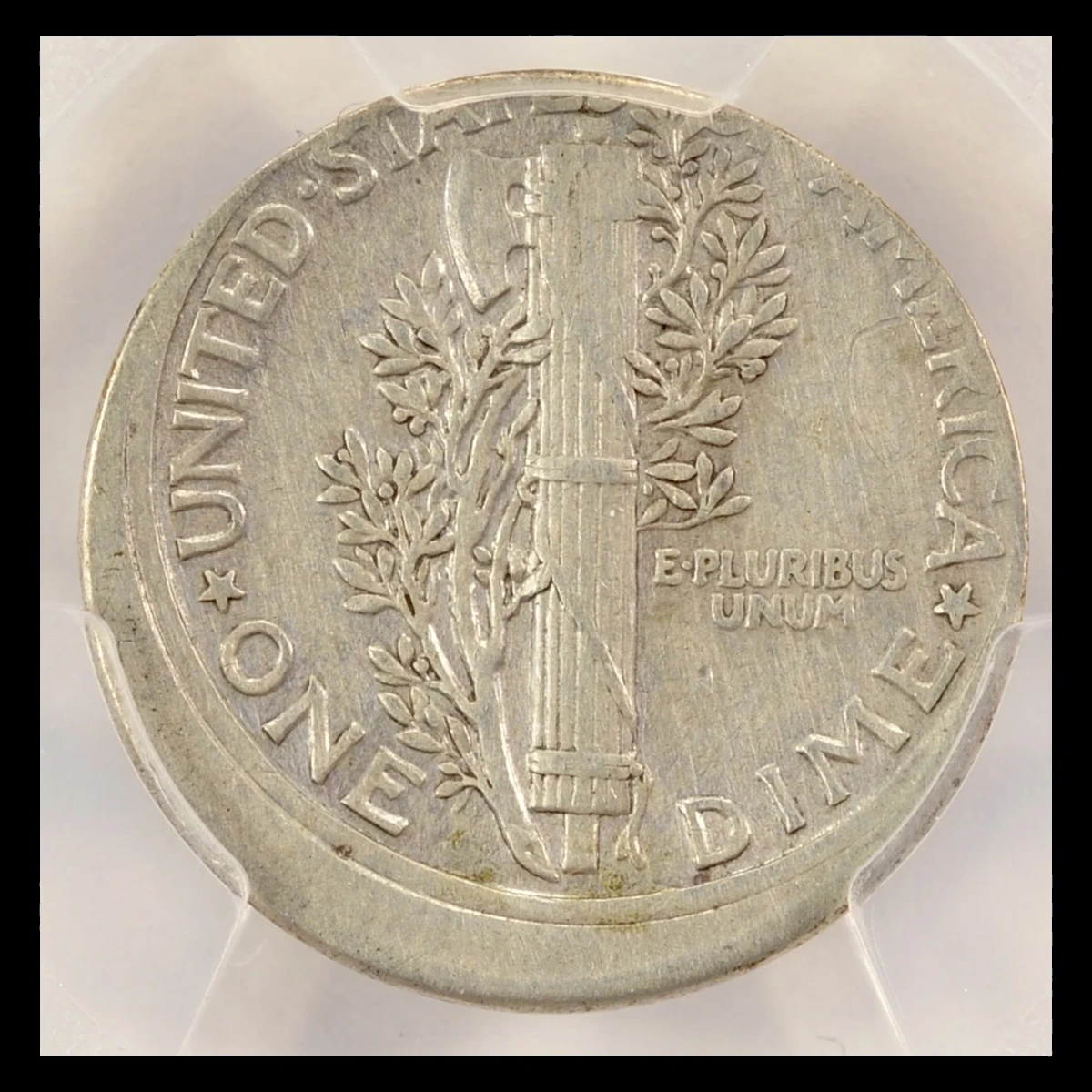
Sullivan Numismatics describes a 1934 dime with its reverse die shifted by 8%. The reverse stamping tool was out of position relative to the front tool.
This is different from a blank sitting off-center beneath both dies. The documented coin is PCGS VF Details because it was cleaned, so its surface problem belongs in any price comparison.
How to Identify
Compare both designs against the same physical outline. On this example, the reverse crowds one edge and leaves a wider margin opposite it, without the same placement on the front.
Keep the entire rim in each photograph. Tight cropping can exaggerate an ordinary uneven border.
Check for later flattening or damage around the crowded edge. The 8% figure describes the reverse die’s shift and should not be relabeled as an 8% off-center strike.
What It’s Worth
$250–$600 is the estimate for a similarly noticeable shift with comparable wear and surfaces. The documented cleaned example carries a $400 dealer asking price.
That is an offer price, not an auction result. A tiny uneven border is a weaker effect and does not automatically fit the same estimate.
2. 1934 Dime A Wider Coin Still Holds the Whole Design: Broadstrike Error
Several recorded 1934-D broadstrikes are graded MS61 or MS62, meaning they have no circulation wear. Their metal spread beyond its usual outline during striking.
The collar is the ring that limits width and forms the edge grooves. If it fails to restrain the blank, the full design can remain even when the expanded border is uneven.
How to Identify
Trace the outside letters and details on both faces. A broadstrike keeps the intended picture, while an off-center strike loses some of it beyond the metal.
Measure the outline in several directions against the normal 17.9 millimeters. A standard silver dime starts near 2.50 grams, though wear affects weight.
Look for natural spread and changes in the edge grooves. Later hammering can also widen a coin, but often leaves crushed details or impact marks.
What It’s Worth
$150–$700 is the estimate for identified worn through attractive unworn examples. Greysheet reports a $168 sale for an NGC MS62 broadstrike on July 15, 2021.
Greater visible spread and better surfaces can support stronger interest. The complete design and expanded outline matter more than an uneven margin alone.
3. 1934 Dime A Bare Crescent Sits beside Missing Design: Off-Center Strike Error
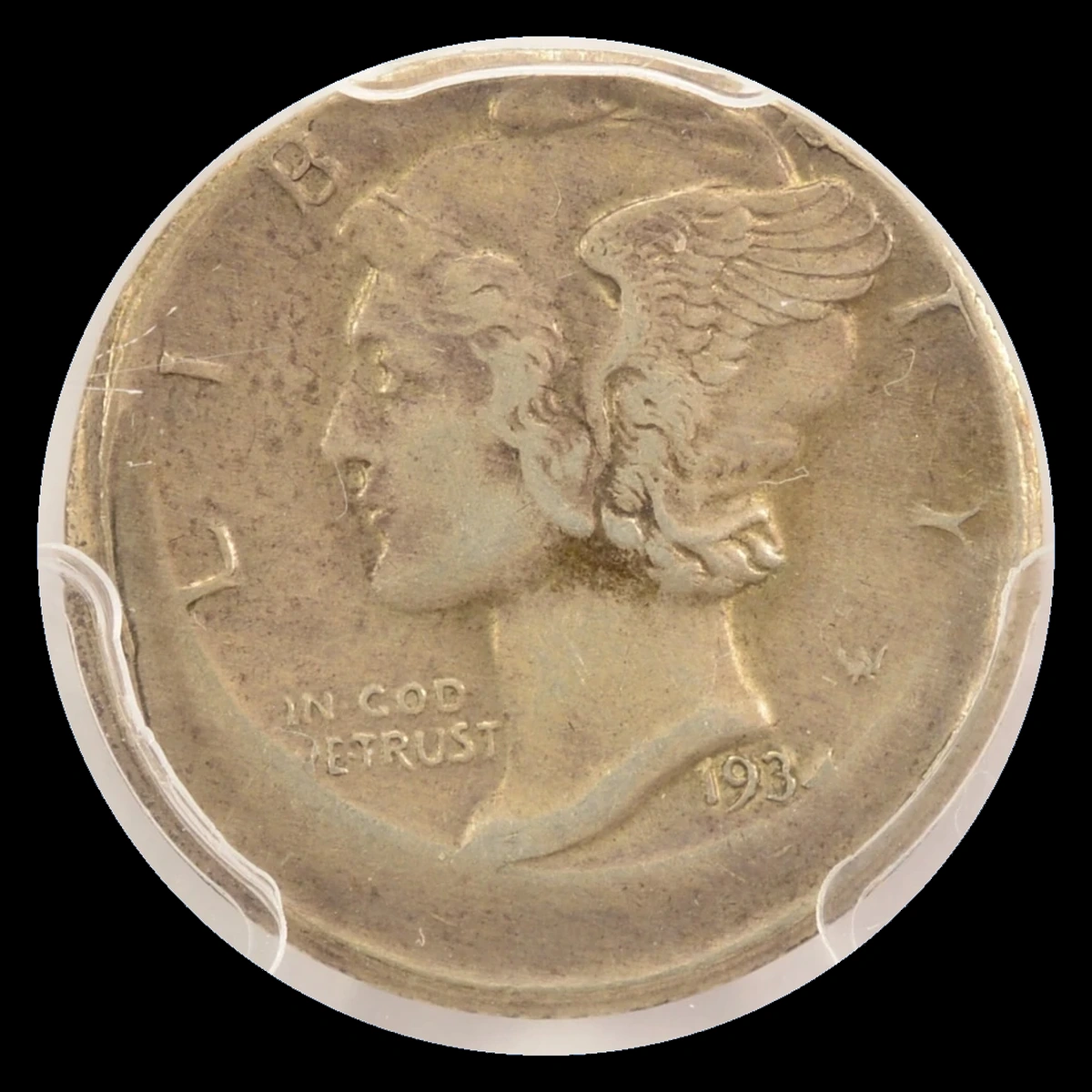
A Philadelphia example in Stack’s Bowers’ August 2020 catalog was 15% off-center and graded NGC MS61. A separate Denver example was described as 10% off-center and graded PCGS AU50.
The first had no circulation wear; the second had slight wear. Their percentages and grades belong to separate coins whose blanks were partly outside the dies when struck.
How to Identify
Read the surviving date and mintmark, then follow the boundary between struck design and bare metal. Matching interrupted details on both faces support an off-center strike.
If only the reverse shifts, return to the misaligned-die check. If the complete design survives on expanded metal, compare broadstrikes instead.
Inspect the blank area for grinding that could imitate missing design. A similar date and offset percentage do not prove that two dealer listings describe the same coin.
What It’s Worth
$150–$600 is the estimate for comparable worn examples. Attractive unworn or more dramatic readable-date pieces have a separate $400–$1,500 estimate.
The Denver 10% PCGS AU50 was offered for $350. No final selling amount is supplied for the Philadelphia 15% MS61 catalog entry.
A different worn Denver coin with both off-centering and rotation was offered for $175. Its combined features and condition should stay together as one comparison.
4. 1934 Dime The Reverse Tilts after a Straight Flip: Rotated Dies Error
A dealer lists a 1934-D with both a 10% off-center strike and rotated dies. The coin is described as Extremely Fine, with much detail remaining despite wear, and measures 18.5 by 18 millimeters.
Rotation describes the angle between the two designs. It is separate from where those designs land on the blank, and the listing does not state the rotation angle.
How to Identify
Hold Liberty upright and flip the coin from top to bottom without a sideways twist. The reverse of a normal coin should finish upright.
Repeat the flip against a fixed vertical line while preventing the coin from slipping. A real rotation produces the same tilt each time.
Keep the Denver mintmark and off-center outline tied to the same specimen. Photographs turned upright separately cannot show the original angle.
What It’s Worth
$150–$1,500 is the estimate for identified examples combining rotation and off-centering. Stronger effects and better preservation explain the upper portion.
The dealer’s worn combined-error coin is offered for $175. That is an asking price, and its unstated rotation angle must not be assumed to be especially large.
Both features belong to one coin. Do not add a second off-center valuation to this whole-coin range.
5. 1934 Dime A Curved Gap Cuts into the Outline: Clipped Blank Error
A Philadelphia dime listed by GreatCollections has a curved clip, an ANACS MS63 grade, and a recorded weight of 2.42 grams. MS63 describes an unworn coin with some marks.
The incomplete blank was struck after the metal was already missing. The catalog does not state the clip’s clock position, so the photograph must supply that detail.
How to Identify
Inspect both endpoints of the gap and the rim opposite it. Original metal flow and possible opposite-rim weakness can support a clip made before striking.
Saw marks, file tracks, or sharp burrs suggest later cutting. Measure across an intact span rather than through the missing section.
The listed 2.42 grams is this specimen’s weight, compared with the normal 2.50 grams. It does not by itself prove the error or establish the original clip percentage.
What It’s Worth
$100–$500 is the estimate for genuine Philadelphia clips in attractive worn through ordinary unworn condition. The MS63 listing documents the coin but supplies no final price here.
Its $1 opening bid is not the coin’s value. The visible gap, preservation, and strength of the original clipping evidence are more useful for comparison.
6. 1934 Dime The Surface Opens in a Thin Layer: Lamination Error
A lifting flap or shallow opening can result from a weak layer in the silver-copper alloy. Part of the surface separates instead of remaining firmly joined to the metal underneath.
The guides report 1934 lamination without tying a certified specimen to a specific mint. This is local peeling, not evidence that the whole dime split into two discs.
How to Identify
Look for a thin layer continuing into intact metal beside the opening. Side lighting helps reveal that layered boundary.
Leave any flap attached. Parallel tool cuts suggest scraping, while scattered pits may point toward corrosion.
An attached layer may leave the weight nearly unchanged. These silver-alloy dimes also need a different comparison from modern dimes with outer layers bonded to a copper center.
What It’s Worth
$25–$100 is the estimate for a small visible peel. Larger natural laminations with readable design have an estimated $100–$300 range.
These are comparisons with ordinary Mercury dime metal errors, without a supplied sale of a particular 1934 specimen. A rough scrape or a high coin grade alone does not establish a valuable lamination.
7. 1934 Dime A Raised Line Runs from the Wing: Die Crack Error
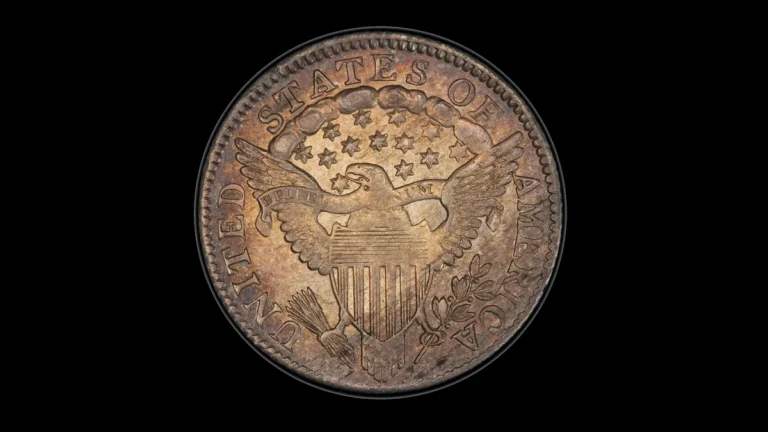
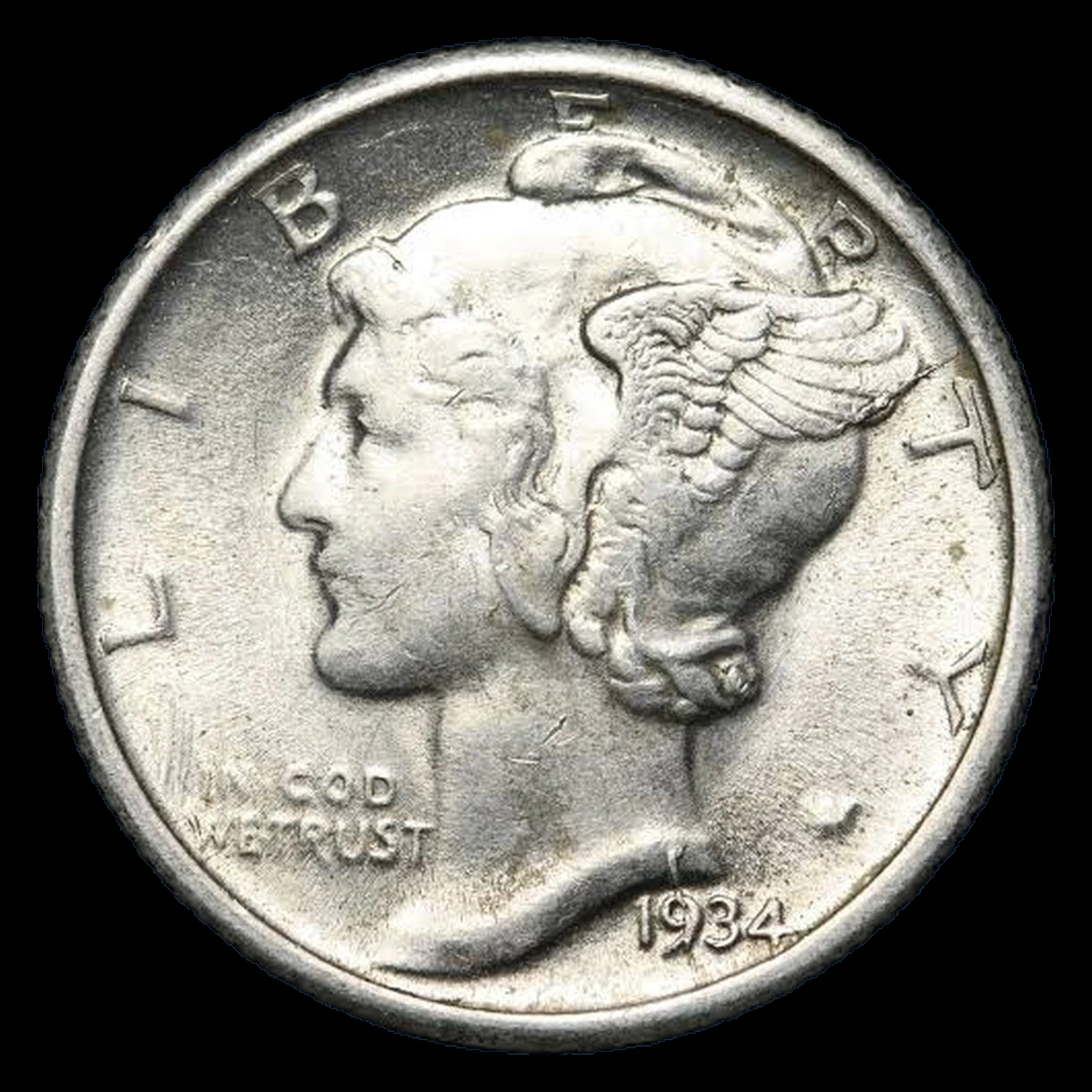
The Complete Guide to Mercury Dimes describes a Philadelphia crack near the wing tip leading toward the rim. It also mentions die damage near the date, though the features need not occur together.
A die is the steel tool that stamps the design. Metal entering a crack in that tool leaves a raised line on the coin.
How to Identify
Follow the suspected wing-tip line with the normal feathers still in view. A feather edge should not be mistaken for an extra ridge.
At the date, check the line’s height rather than calling every mark through 9 a crack or another numeral. A scratch usually has a recessed channel, sometimes with raised lips.
A continuous solid ridge along the recorded location gives a better match. The exact route must come from the actual example.
What It’s Worth
$20–$150 is the estimate for ordinary worn through lower-grade unworn Philadelphia examples. The book identifies locations but supplies no sale price.
Full Bands means sharply separated bands on the reverse bundle of rods and can add value independently. An exceptional coin’s whole price should not be credited to a small crack.
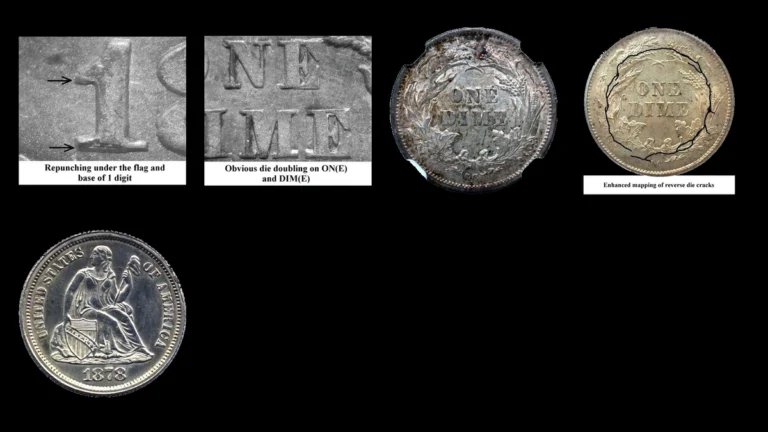
8. 1934 Dime Date or Letter Edges Repeat: Reported Doubled Die Error
The 1934 guides mention a double date or doubled front design without a complete confirmed variety pattern. A doubled die has repeated detail in the tool before the coin is struck.
This is different from striking a finished coin a second time. It is also different from a flat shelf left when the tools move during striking.
How to Identify
Compare the full numeral or letter with an ordinary 1934 dime under the same light. Rounded extra contours and separated corners can be useful clues.
A reflection, thick edge, or line crossing 9 does not establish another copy of the design. Match the complete pattern to an independently identified example before assigning a variety number.
The general report gives no map of specific doubled details. Do not borrow a location from another Mercury dime year to fill that gap.
What It’s Worth
$50–$400 is the comparison estimate for a reliably identified minor front doubled die, from worn through ordinary unworn condition. It is not a documented sale range for a named 1934 variety.
Flat ledges, glare, and ordinary thickening do not receive the same variety value. The repeated raised design must first be established.
9. 1934 Dime A Piece of an Earlier D Remains: Repunched Mintmark Error
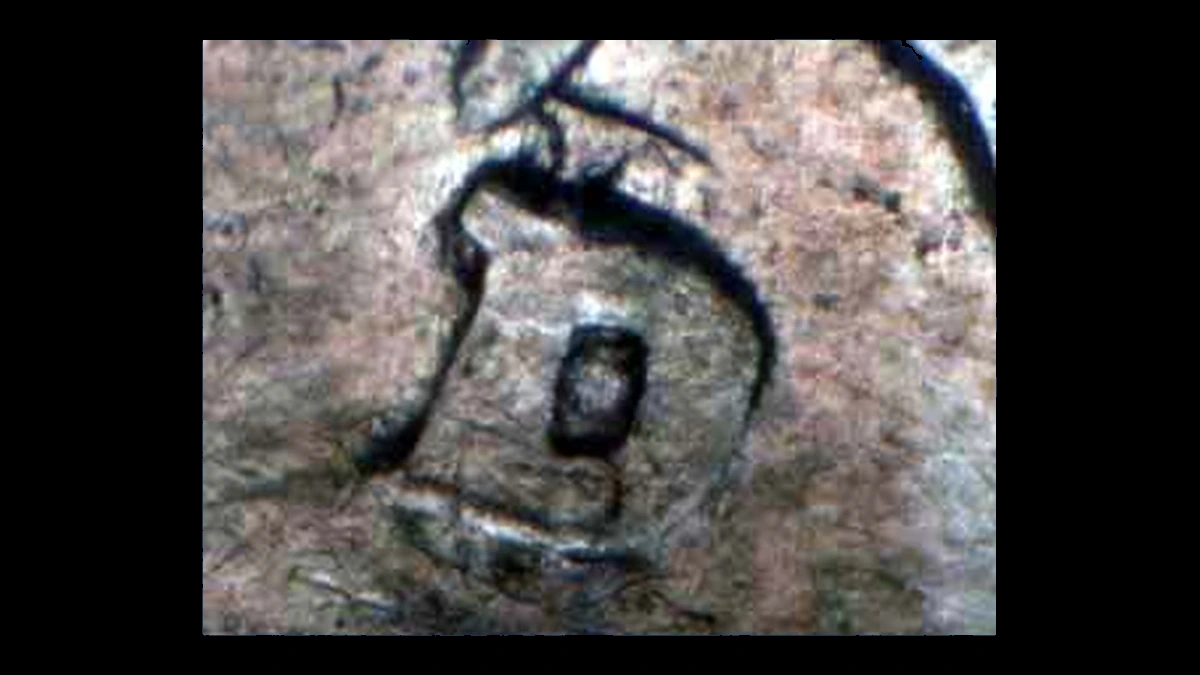
The recognized 1934-D/D FS-501 concerns the small Denver mint letter on the reverse. The letter was punched into the die separately, and a shifted repeat punch could leave part of the earlier D visible.
Philadelphia coins have no mint letter, and San Francisco made no Mercury dimes in 1934. The date and full reverse therefore help keep the comparison on the correct issue.
How to Identify
Find D below the branch, left of the central bundle of rods near ONE. Trace the main letter before examining any extra curve.
Compare the whole mintmark with a clear FS-501 photograph. Thickness, a normal inner opening, or a shadow does not prove repunching or reveal its direction.
Check the surrounding metal for signs of an added or altered letter. The useful match is an earlier D-shaped contour beside the final D.
What It’s Worth
$50–$600 is the estimate across identified worn and attractive unworn examples. A dealer’s nearly unworn D/D was listed at $150.
Greysheet reports $139 for an ANACS MS63 FS-501 in November 2025. Keep that reported result separate from the $150 asking price, and compare the different grades and surfaces.
Conclusion
Large shape changes are easiest to understand when both faces stay in view. Check whether the design is complete, whether one or both faces have shifted, and whether the reverse tilts after a controlled flip.
For smaller features, identify the raised line, separating layer, repeated outline, or earlier D. Use a price for the complete matching coin, especially when rotation and off-centering appear together.