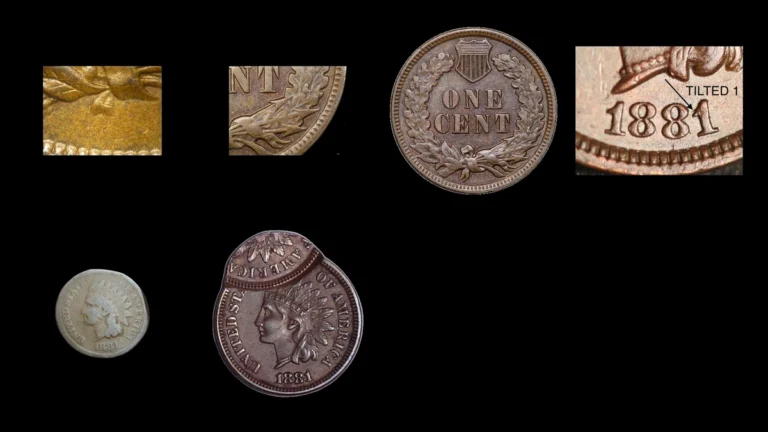
Rare 1884 Penny Errors (List & Pictures)
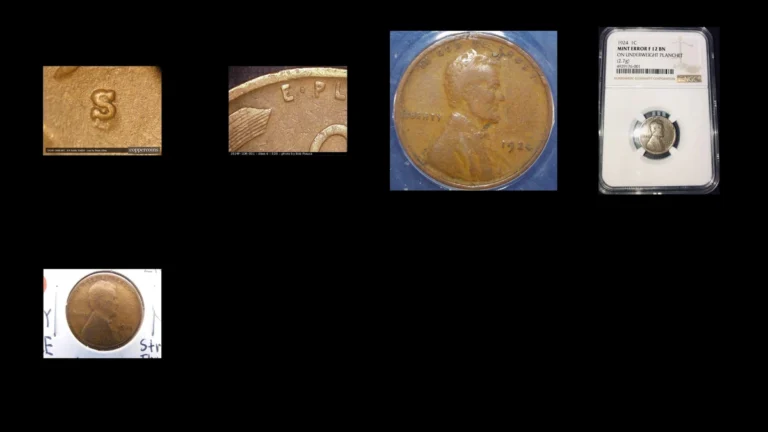
The border can hide a number fragment or reveal metal that never received a design. An off-center specimen among these 1884 Indian Head penny errors brought $373.75 on September 24, 2005; the highest supplied comparison is a different-year 1908 misplaced date recorded at $1,187 in December 2021.
Estimated whole-coin values span $5–$1,500. Examine the outline first, then raised rim features, misplaced digit tops, and extra curves within the proper date.
| Inspection clue | Category | Estimated whole-coin value |
|---|---|---|
| Unused metal beside cut-off design | Off-center strike | $150–$1,500 |
| Raised line, chip, or rim patch | Die cracks and breaks | $5–$400 |
| Extra digit tops among border teeth | Misplaced date | $25–$700 |
| Additional curves around the 8s | Repunched date | $15–$500 |
A normal bronze cent weighs 3.11 g and measures about 19 mm across a plain edge. Record both faces and the edge, using safe scale and caliper readings and a 10× magnifier for the fine date details.
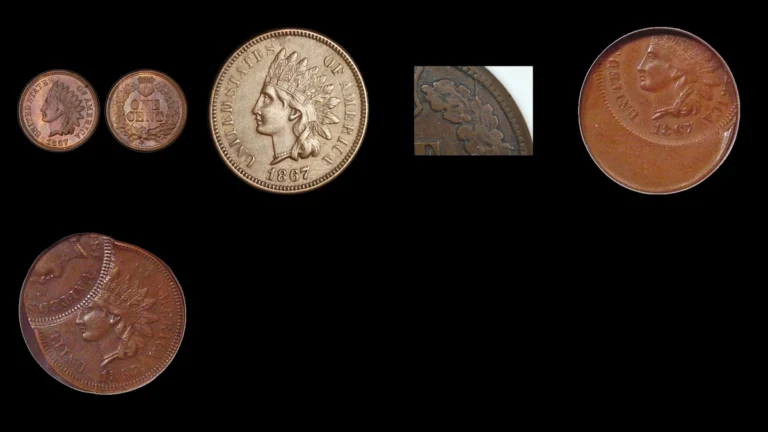
1. 1884 Penny The Design Stops beside Unused Metal: 1884 Off-Center Strike Error
The documented coin was struck twenty percent off center toward twelve o’clock. Parts of STATES OF and the wreath ribbon fell beyond the available metal.
The blank was misplaced when the dies came together, leaving another area untouched. PCGS graded this particular example AU55, indicating light circulation wear.
How to Identify
Keep the surviving date and unstruck metal in full views of both faces. The missing-design pattern should fit the same displacement on each side.
A clip involves physically absent metal, whereas the blank area of an off-center strike remains attached. Inspect the transition for grinding or a later cut through completed detail.
The named missing words and ribbon belong to the documented upward-shifted coin. Another direction would lose different parts of the design.
What It’s Worth
Genuine dated examples have an estimated $150–$1,500 range. Readable year, natural surfaces, and appealing remaining detail affect the comparison.
The PCGS AU55 coin brought $373.75 on September 24, 2005. A larger displacement does not automatically mean greater value if it removes the date.
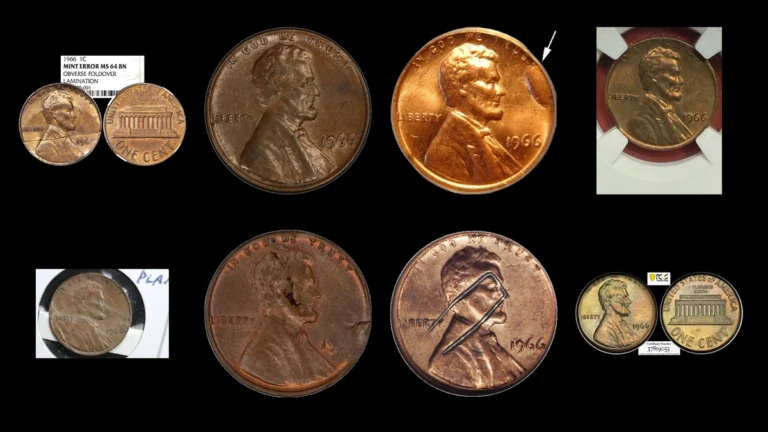
2. 1884 Penny Lines and Patches Rise from the Surface: 1884 Die Cracks and Breaks Error
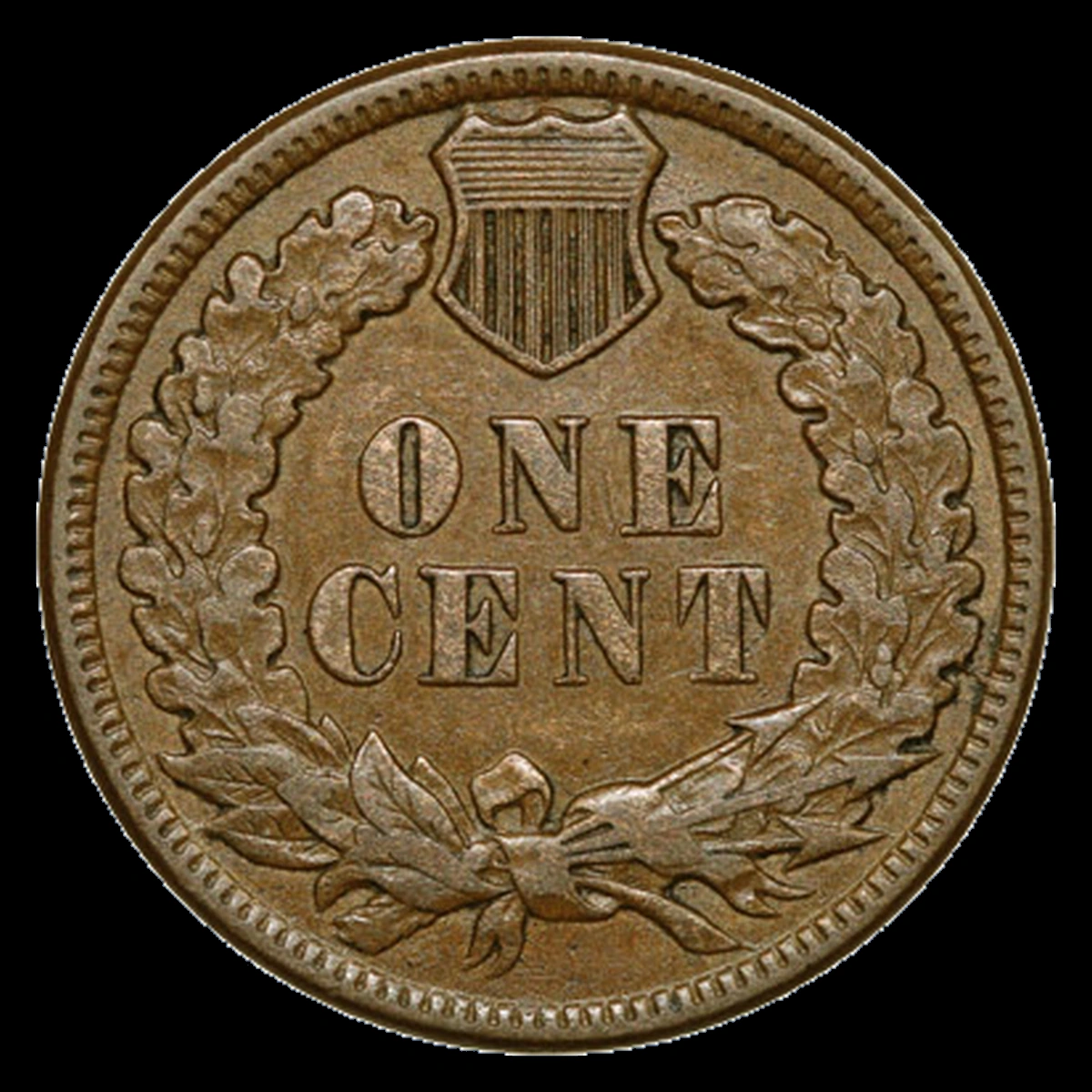
A crack in the die, the steel stamping tool, can leave a raised line on the cent. Missing die metal can produce a chip or a larger rim-connected patch.
Cataloged examples include a small chip near AMERICA’s C and separate front and back rim breaks. Some retain parts of the design because the broken tool fragment stayed in place.
How to Identify
Inspect the adjoining edge for squeezing before tracing the raised feature under angled light. A scratch cuts or displaces finished metal rather than reproducing a missing die area.
The cataloged front-break region is around two-fifteen to three-forty-five; a separate reverse break lies around three to four-fifteen. Do not combine those positions into one supposed specimen.
For the small chip, examine the C in AMERICA instead of searching the entire rim. Surviving design within a stepped boundary can help distinguish a retained break.
What It’s Worth
These ordinary-issue features have an estimated $5–$400 whole-coin range. Tiny worn chips occupy different comparisons from large clearly defined rim breaks.
No single 1884 sale is assigned to all the patterns. The estimate includes the underlying penny’s ordinary value rather than an amount to add in full to it.
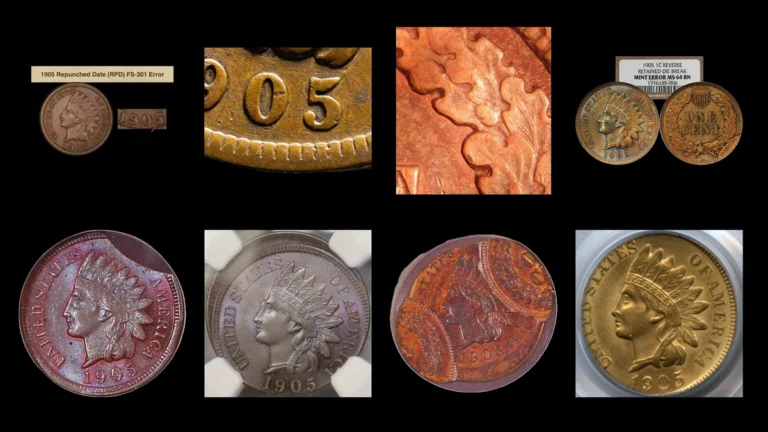
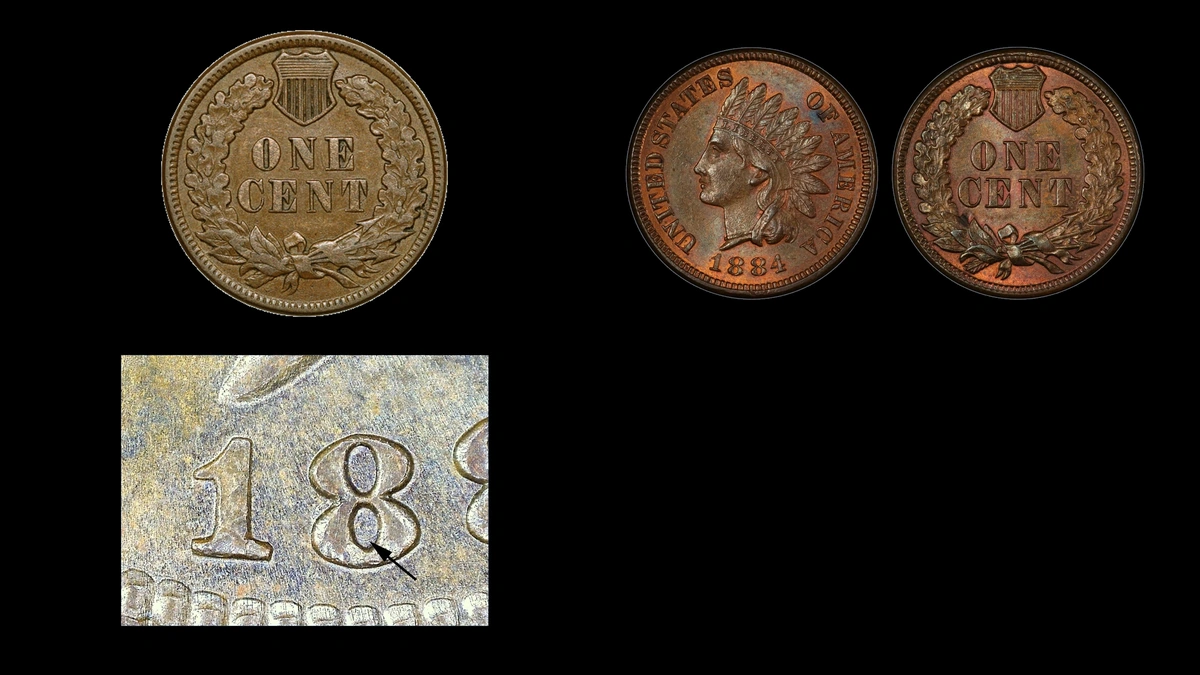
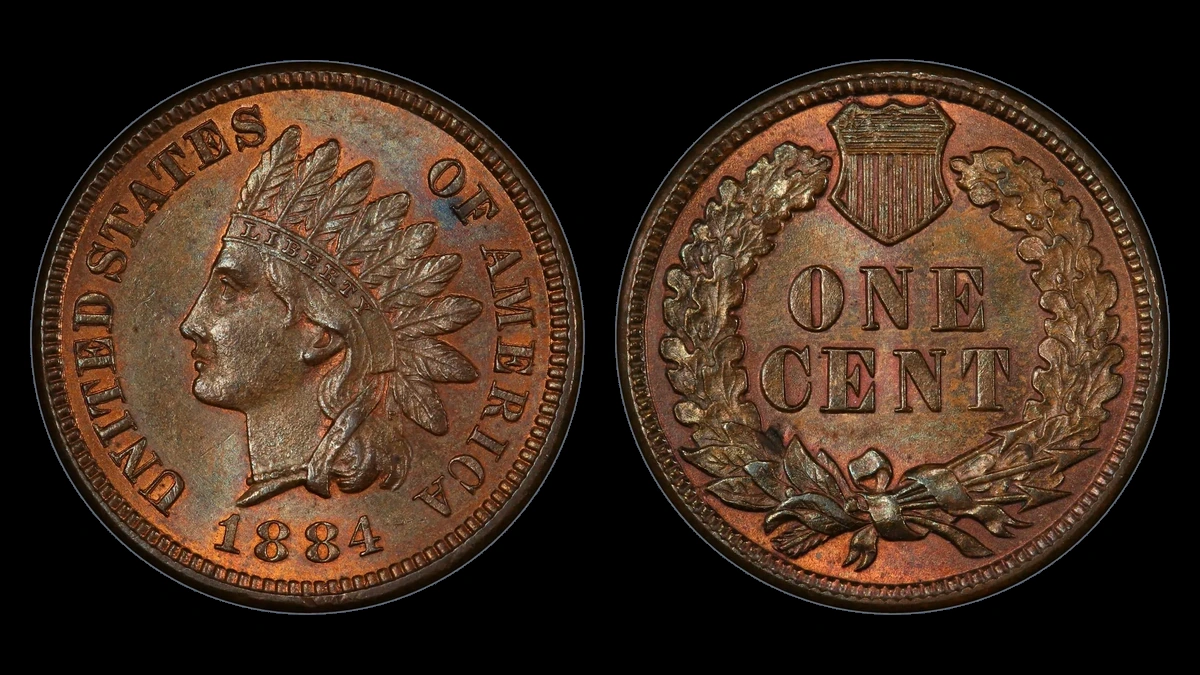
3. 1884 Penny Number Tops Hide below the Date: 1884 Misplaced Date Error
Extra digit fragments appear among the tooth-like border below the second 8 and the 4. An earlier date-punch placement entered the die too low.
Correcting the date position left some earlier traces behind. A low normal date without additional fragments does not establish this variety.
How to Identify
Keep all of 1884 visible while examining the border beneath the last two digits. This prevents an ordinary border tooth from becoming an imagined detached number.
Match both the fragment and neighboring teeth with the 1884 variety photographs. Position is as useful as the tiny curved shape itself.
Leave the surface untouched rather than scraping a dark area to sharpen the apparent outline. A convincing match needs the original raised fragment in the documented place.
What It’s Worth
A matched misplaced date has an estimated $25–$700 whole-coin range. Clear fragments and attractive preservation support the better comparisons.
A 1908 FS-301 in MS65 Red and Brown has a recorded $1,187 eBay result from December 2021. That different variety and high grade are comparison context, not an 1884 auction result.
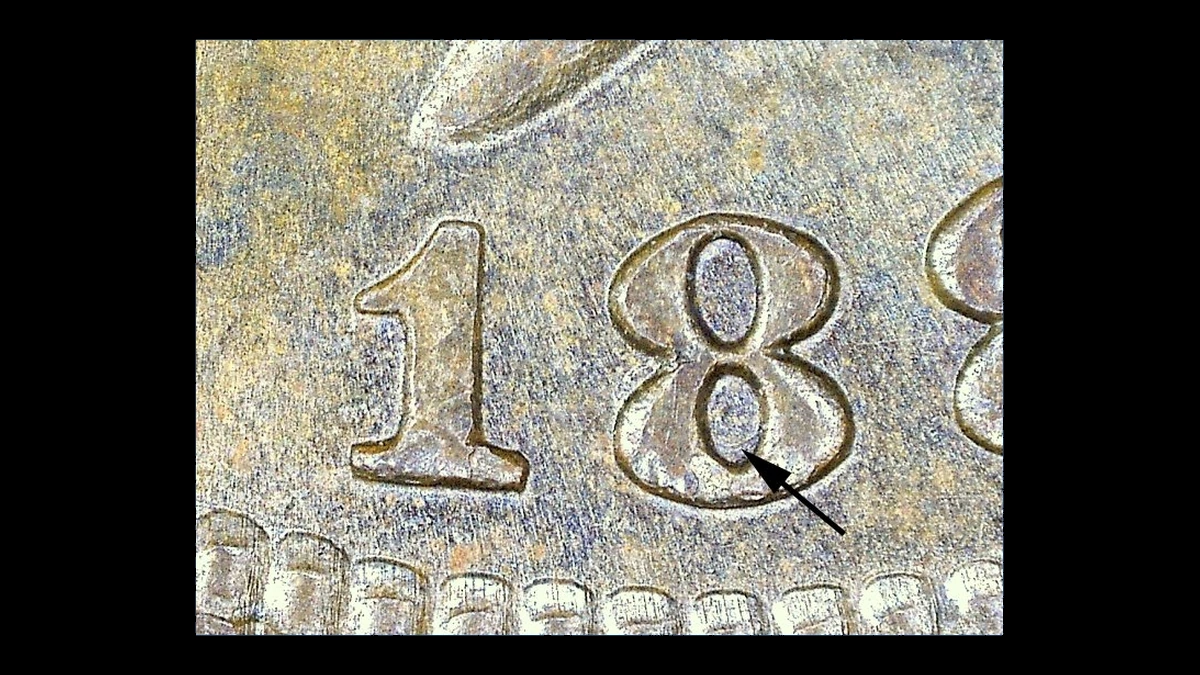
4. 1884 Penny Extra Curves Follow the Two 8s: 1884 Repunched Date Error
A slightly shifted repeat application of the date punch can leave part of an earlier curve beside the final digit. The altered die then repeats that detail on coins.
The cent itself does not need another strike. A broad-looking 8 without an identifiable earlier stroke is insufficient.
How to Identify
Compare each 8 with its ordinary shape, then follow the proposed extra curve into the appropriate dated-variety pattern. Keep both numerals visible rather than relying on one enlarged bright edge.
Check nearby lettering for flat shelves caused by movement during striking. Those shelves have a different explanation from a recognizable earlier date-punch position.
What It’s Worth
Identifiable repunched dates have an estimated $15–$500 range across circulated and unworn examples. Strong separation and natural surfaces help the comparison.
A 1904 FS-301 in MS64 Brown brought $168 in January 2019. That later-date sale illustrates a minor variety’s market rather than fixing a price for the 1884 forms.
Conclusion
The estimated $5–$1,500 values concern whole coins with identified features. A raised rim patch, a number top in the border, and an extra curve around an 8 each call for a different comparison.
For the larger striking error, confirm that unused metal and lost design fit together on both faces. For date varieties, match the small stroke and its exact position while keeping the complete date visible in the photograph.