Rare 1867 Penny Errors (List & Pictures)
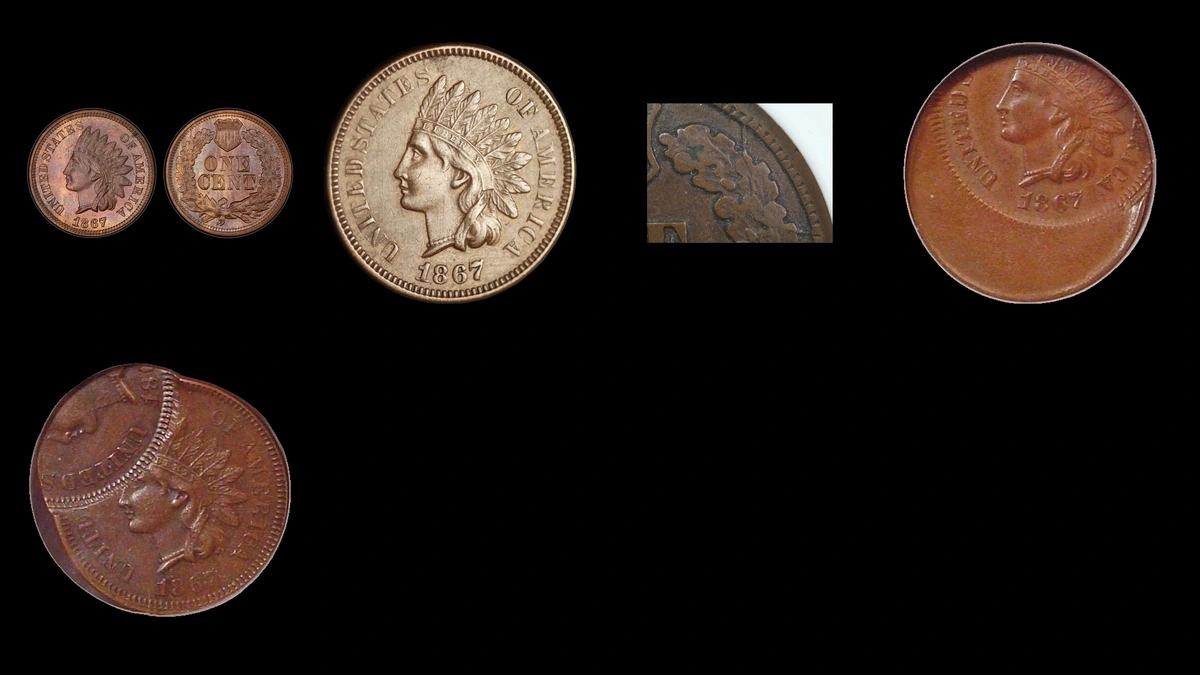
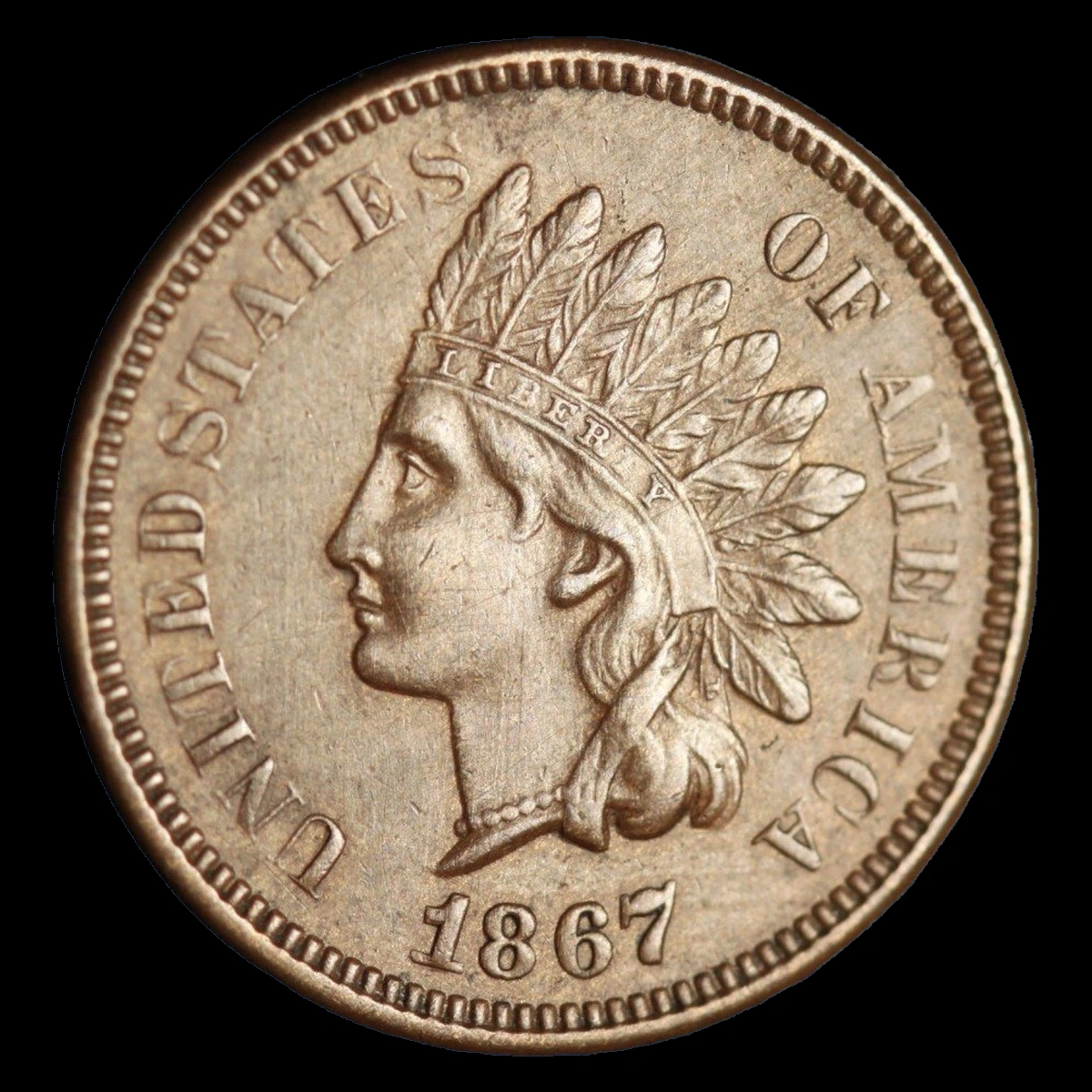
“1867/67” describes extra parts of the same date, not a penny changed from an earlier year. The name becomes easier to understand once you find the old strokes above the final 6 and 7.
This guide covers six groups of 1867 penny errors with estimated whole-coin values of $25–$15,000. An MS65 Brown 1867/67 sold for $2,500 in June 2000, while other groups involve a transferred letter, a broken tool, or an entire extra strike.
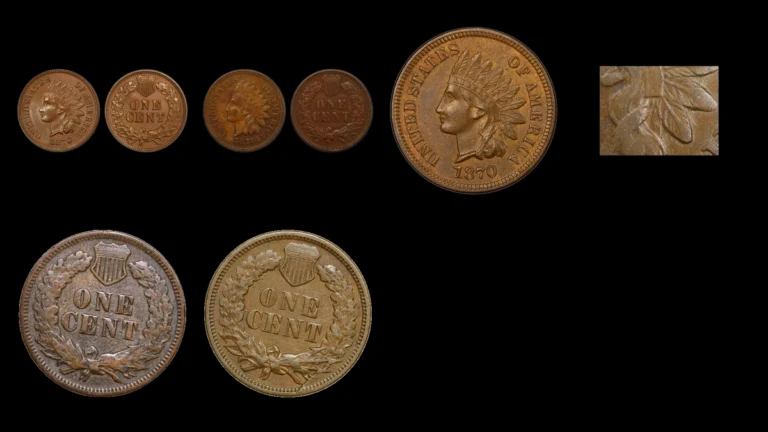
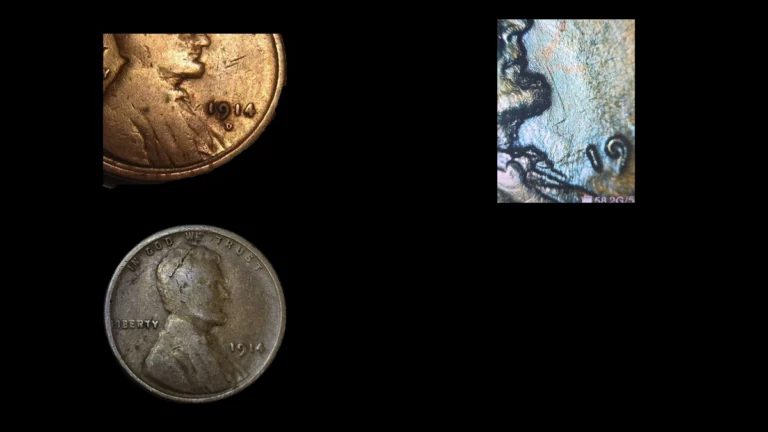
1. 1867 Penny Repunched Date: 1867 over 67 Error
When the date punch entered the stamping tool more than once, parts of an earlier impression could remain. The prominent 1867/67 variety shows earlier strokes above the final two digits.
Other patterns have extra detail around the opening 1 or the 8. Those marks need their own comparisons instead of being treated as one universal doubled-looking date.
How to Identify
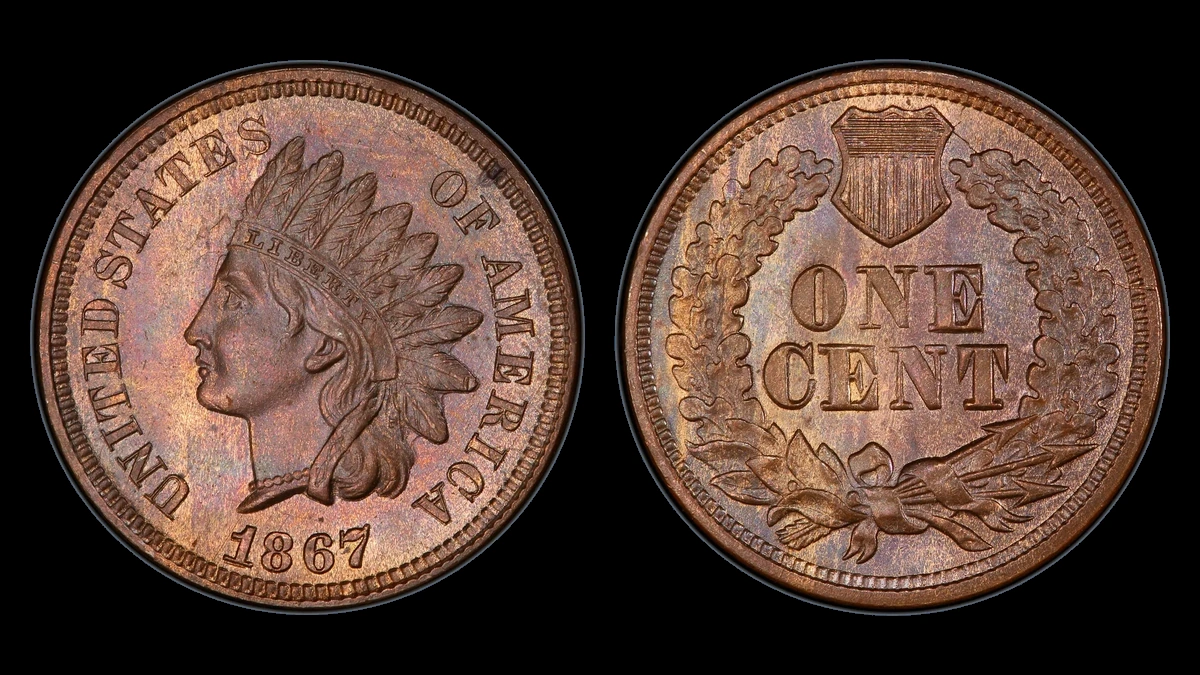
Keep the whole date in view, then enlarge the 6 and 7 to follow the earlier numeral shapes. Compare the direction and spacing of the remnants with the matching variety.
A scratch or flattened shelf may sit beside a number without following an earlier punch impression. The extra strokes should make sense as parts of the same date.
What It’s Worth
$50–$6,000 is the estimated range for identified repunched dates. Circulated examples may fit around $50–$750, with attractive unworn coins around $750–$6,000.
PCGS records $2,500 in June 2000 for an MS65 Brown 1867/67. An ANACS MS64 Brown Snow-1 brought $522.50 in March 1995, a separate historical result under different sale circumstances.
2. 1867 Penny Clash Trace beside the Eye Error
A curve in front of Liberty’s eye can be a trace of C from CENT on the opposite side. It is recorded on the Snow-5a and Snow-5b varieties.
The dies, or stamping tools, contacted each other without a blank between them. Later coins copied the resulting clash marks without needing a second strike themselves.
How to Identify
Compare the back’s C with the extra curve near the eye under a magnifier. Follow a recognizable shape rather than treating every curved facial scratch as a transferred letter.
The variety reference places the trace at this specific location. A cut crossing the portrait and nearby field needs a different explanation.
What It’s Worth
$25–$1,000 is the estimated range for recognizable 1867 clashes. Worn cents may fit around $25–$250, with better-preserved examples around $250–$1,000.
An exceptional red 1875 cent with a repunched date and a neck chip sold for $5,040 in August 2020. That is a broad tool-variety comparison in outstanding condition, not a price for the 1867 eye clash.
3. 1867 Penny Doubled Back Design Error
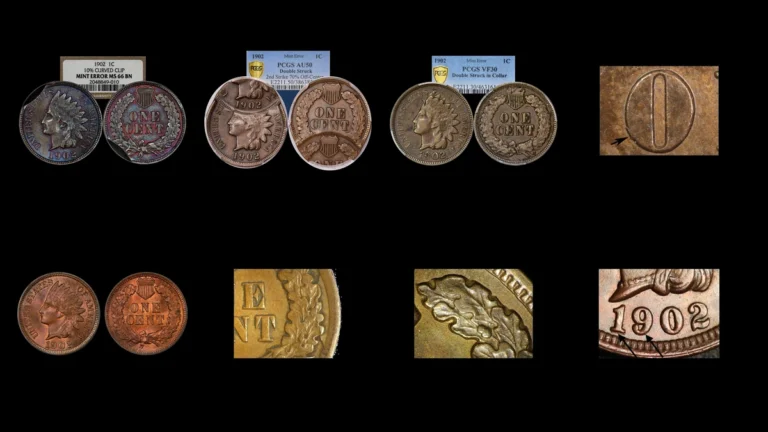
The Snow-6 variety, also cataloged as DDR-001, has a doubled design in the back stamping tool. DDR means doubled die reverse, with reverse meaning the back of the coin.
This variety uses the normal Shallow N style. That letter shape on its own is not an error or proof of doubling.
How to Identify
Compare the complete back with a confirmed Snow-6, then enlarge the corresponding extra outlines. The supplied description does not identify one specific doubled leaf or letter to use alone.
Change the light to separate a rounded extra contour from a flat shelf that reduces the original design. Thick-looking lettering or the Shallow N style cannot replace a matching doubled pattern.
What It’s Worth
$50–$3,000 is the estimated range for a correctly matched Snow-6. Circulated examples may fit around $50–$500, with stronger preservation around $500–$3,000.
An 1889 Indian cent with a doubled back sold for $240 in July 2025 at AU55. That lightly worn, different-year variety supplies a same-series comparison rather than an 1867 sale record.
4. 1867 Penny Cracks, Cuds, and a Proof Ear Chip Error
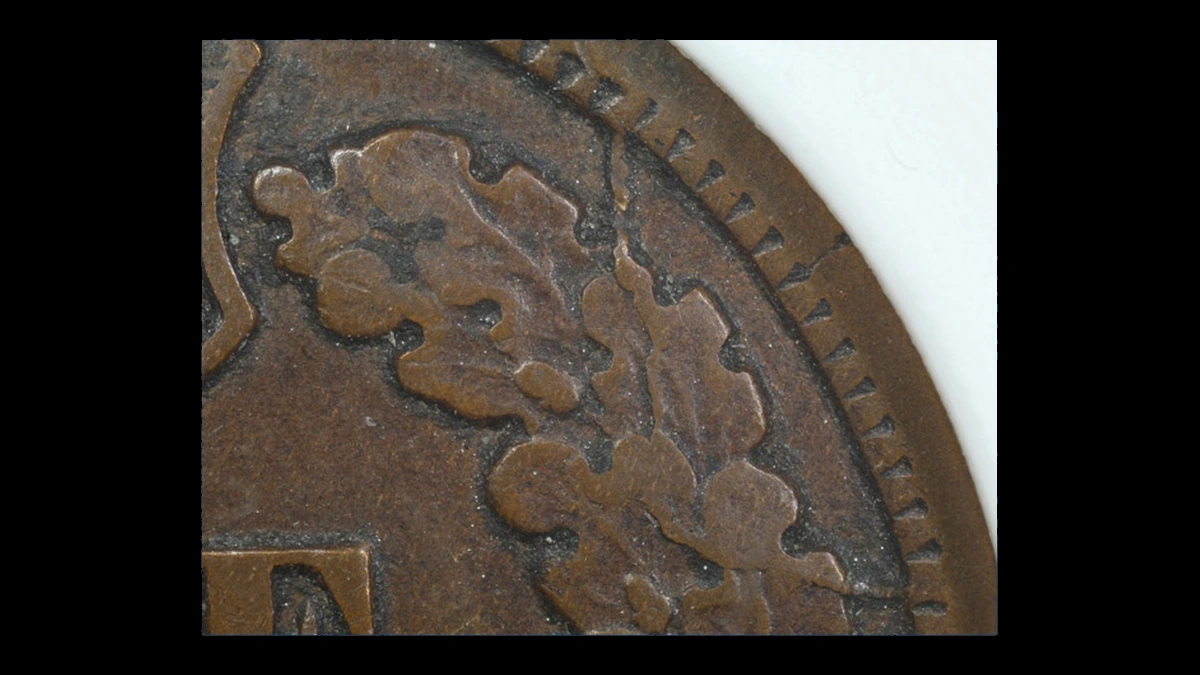
A thin raised line, a rim patch, or a small bump can reflect different amounts of missing steel in a die. Circulation examples have back breaks near one to two-thirty, with separate lower or left-rim breaks also recorded.
A different Proof variety has a tiny chip above the ear. Proofs are specially made collector coins, and this front-side chip is separate from the circulation-strike back breaks.
How to Identify
Choose the correct issue and feature before using a close-up. For the Proof chip, establish that the whole coin is a Proof and inspect just above the ear.
For a cud, follow the raised patch to the rim and check for folded or added metal. A retained break may still carry design detail because the broken piece of tool remained in place.
The 1867 reference separates the patterns. It does not require the upper-right, lower, and left breaks to occur on the same cent.
What It’s Worth
$25–$5,000 covers this broad group across circulation and Proof coins. Modest circulation cracks are estimated at $25–$200, clearer cuds or retained breaks at $75–$2,000, and the Proof ear-chip variety at $500–$5,000.
Much of the Proof range belongs to the special coin’s condition and copper color, not a separate chip premium. An unworn 1866 cent with a back cud sold for $504 in March 2021 as a circulation-strike comparison from another year.
5. 1867 Penny Single Off-Center Strike Error
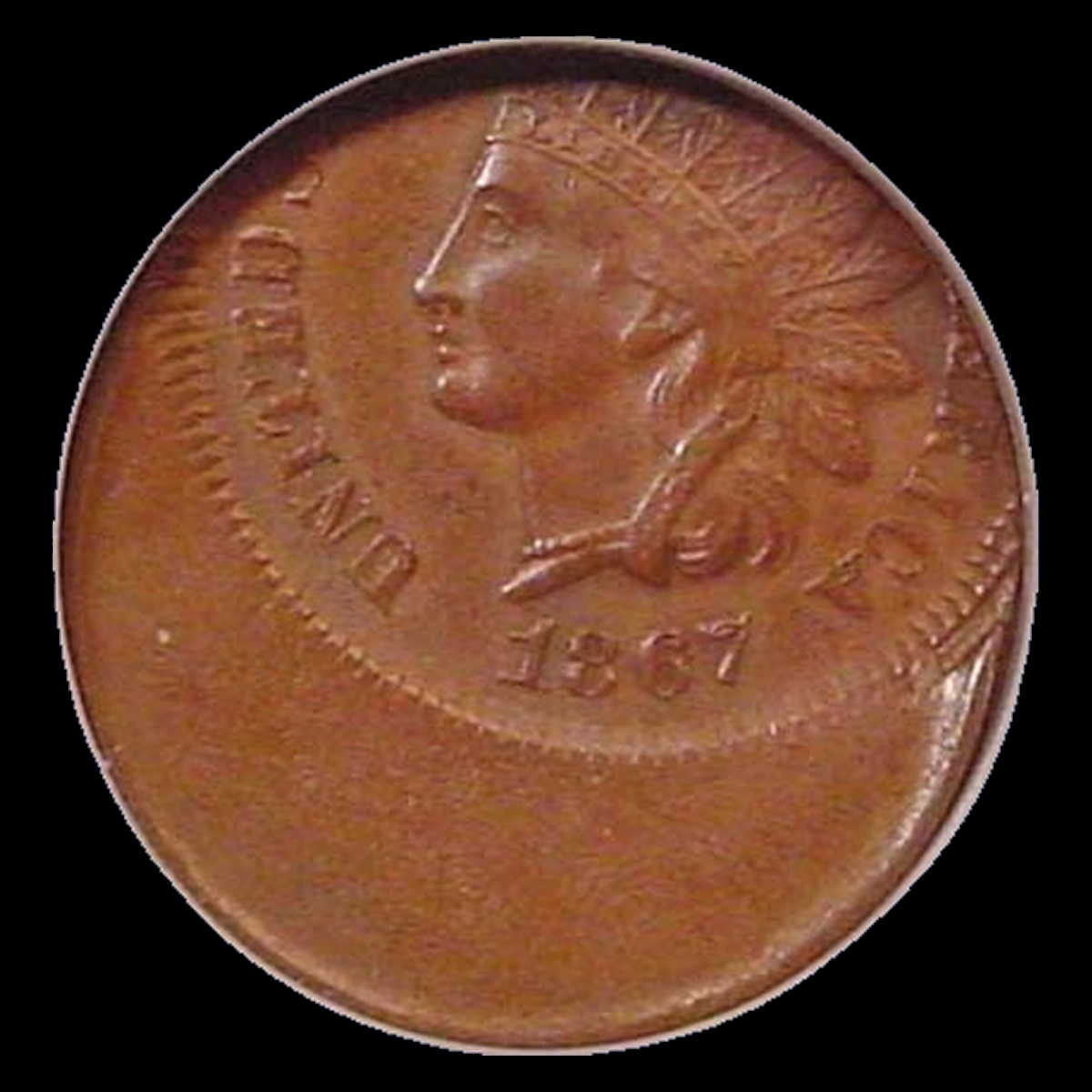
A documented 1867 cent has one main design displaced about 35% toward one o’clock. Part of the design missed the blank, leaving an original bare crescent.
Mint Error News illustrates it as NGC MS63 Brown, an unworn coin with visible marks. Its offset is separate from the second-strike percentages recorded on double-struck examples.
How to Identify
Hold the date upright to check the stated direction, then inspect both faces for the corresponding misplaced design. A single shifted tool can affect one face differently.
A normal bronze 1867 cent weighs about 3.11 grams and measures roughly 19 mm across. The error changes where the design lands without necessarily removing metal, so examine any unusually low weight or ground-looking bare area separately.
What It’s Worth
$200–$5,000 is the estimated range for readable 1867 off-center cents. Worn examples may fit around $200–$1,000, with substantial shifts on better-preserved coins around $1,000–$5,000.
A worn 1875 cent struck 12% off center sold for $391 in February 2005. Its date, condition, and displacement differ from the recorded 35% 1867 MS63 Brown example.
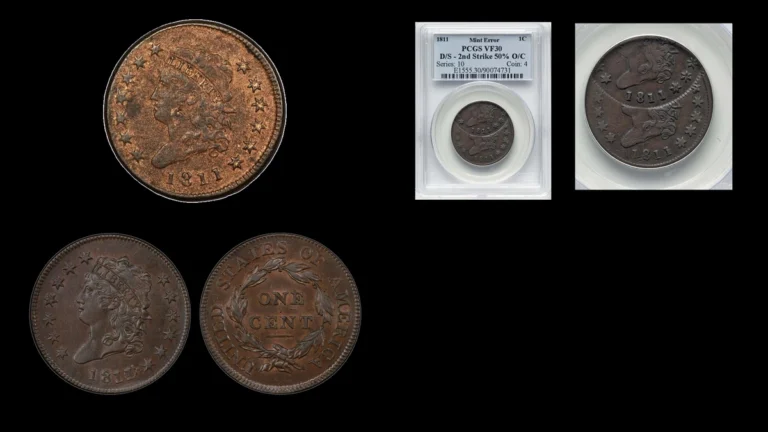
6. 1867 Penny Double Strike with a Displaced Second Design Error
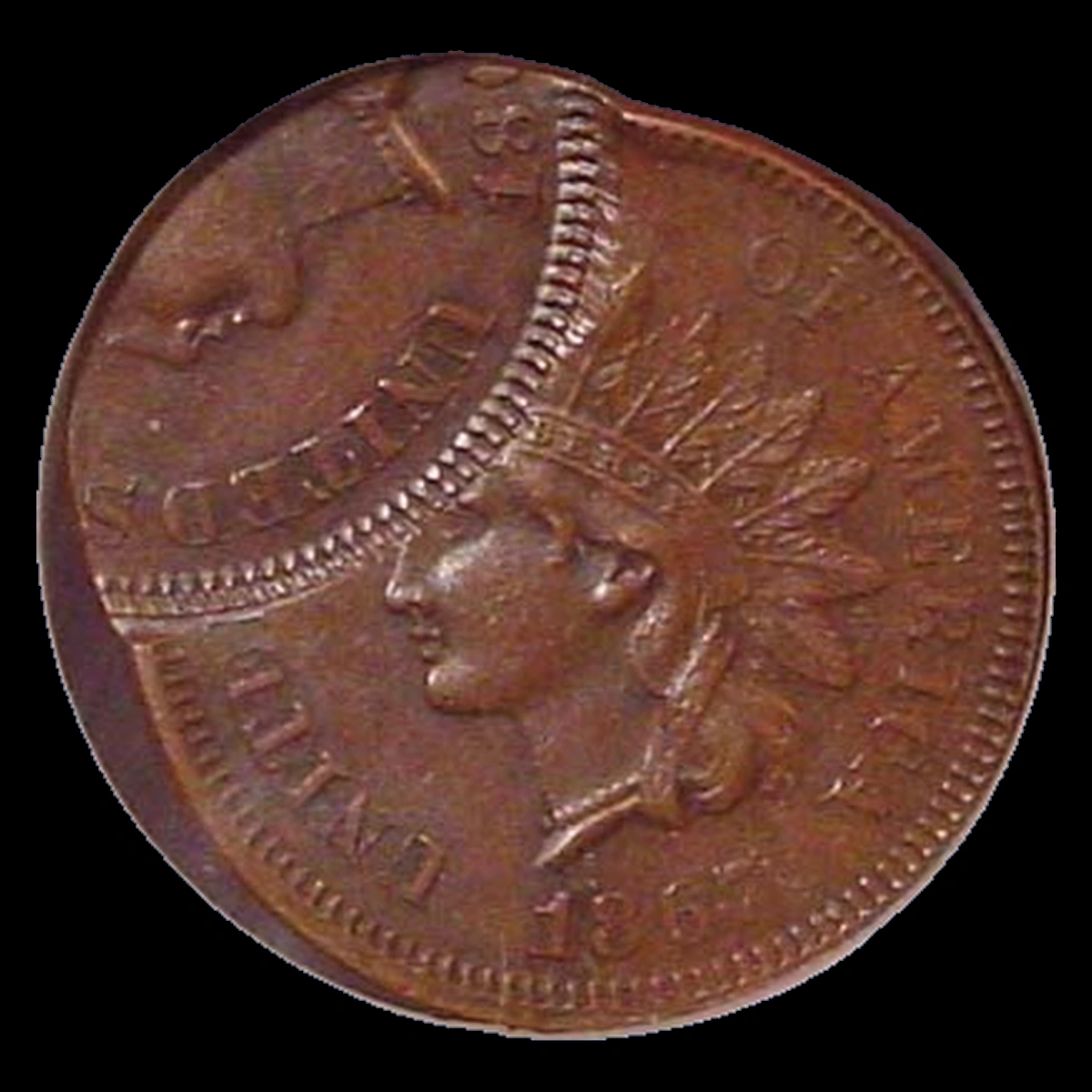
One NGC MS63 Brown cent first received a centered strike, then a second blow 65% off center toward eleven o’clock. The surviving designs show two separate strikes on one piece of copper.
A different NCS coin has an 85% off-center second strike and an About Uncirculated Details assessment with corrosion. Almost all of its second date remains except a corner of the 7.
How to Identify
Trace both raised impressions and enlarge each surviving date. The corroded 85% example has the nearly complete second date, but the separate 65% coin need not share that missing corner.
Inspect the plain edge for trimming or later squeezing. A sunken backward transfer has a different origin from two ordinary raised impressions.
What It’s Worth
$500–$15,000 is the estimated range across recognizable damaged or worn double strikes and dramatic better-preserved coins. The working bands are $500–$3,000 and $3,000–$15,000 respectively.
The corroded 85% example brought $517.50 in January 2006. A later record with the same broad description reports $528.75 in April 2014; the description alone does not establish a separate premium for each blow.
Conclusion
Small repeated date strokes began in a tool, while overlapping portraits record another blow to the coin. A transferred C and a Proof ear chip have their own distinct checks.
The estimated $25–$15,000 span includes very different varieties and conditions. Compare the actual feature and the full coin before using a historical result, particularly when Proof manufacture or corrosion changes the comparison.