Rare 1914 Nickel Errors (List & Pictures)
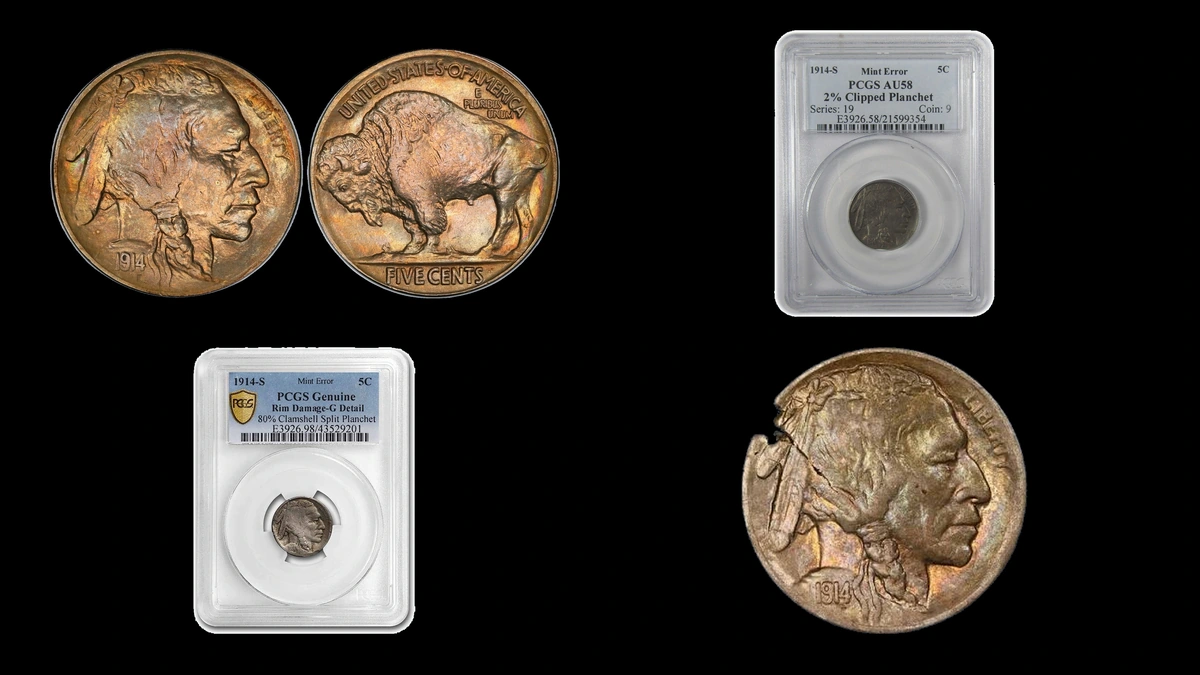
A surviving portrait half, a ragged opening, and an old digit beneath the date involve very different kinds of evidence. The highest supplied result belongs to the subtle date variety: an MS65 1914/(3) sold for $63,250.
Estimated values for 1914 nickel errors range from $20 to $65,000. Read the date and mint first, then compare missing edges, separated layers, holes, and displaced strikes without mixing their specimen records.
| Clue | Category | Estimated range |
|---|---|---|
| Earlier digit near the top of 4 | 1914/(3) date variety | $100–$65,000 |
| Extra S fragment | Repunched mint mark | $50–$500 |
| Missing edge near five o’clock | Clipped planchet | $75–$750 |
| Peel, detached face, or partly opened body | Lamination or split | $20–$800 |
| Hole near buffalo’s mouth | Defective planchet | $200–$2,000 |
| Incomplete design beside unstruck metal | Off-center strike | $150–$2,500 |
1. 1914 Nickel An Earlier Digit Appears near the Top of the 4: 1914/(3) Variety Error
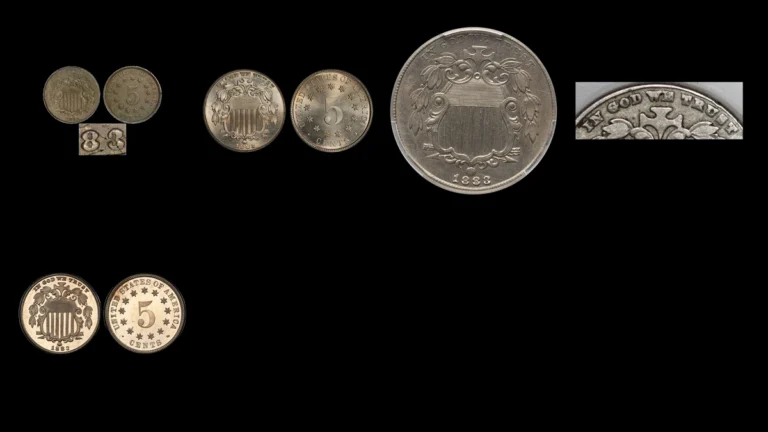
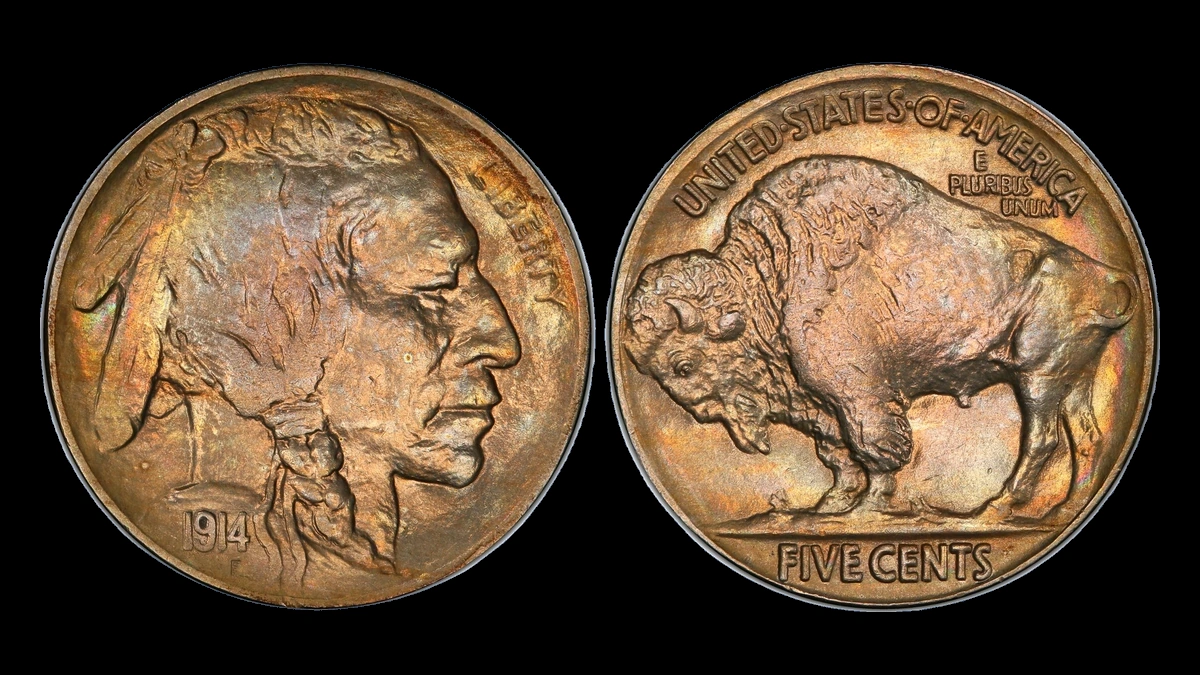
The recognized Philadelphia 1914/(3) variety has a trace interpreted as an earlier 3 around the upper portion of the final 4. Some examples also show extra outlines elsewhere in the date.
Reuse of an earlier dated design tool is a proposed explanation in the supplied PCGS account. It should remain a proposed manufacturing explanation, rather than a claim that someone altered a finished coin at the Mint.
How to Identify
Match the top of 4 and accompanying date details with the PCGS 1914/(3) photographs. Patterns vary in strength, so one damaged corner is not enough to establish an attribution.
Philadelphia normally has no mint letter below FIVE CENTS. Denver and San Francisco reports need their own supported comparisons and cannot automatically inherit the Philadelphia pattern.
What It’s Worth
$100–$65,000 is a broad estimate across visible varieties and levels of preservation. PCGS records an MS65 example selling at Heritage for $63,250 on June 1, 2002.
That exceptional historical result should be matched to the strength of the date pattern and the attractive unworn condition. It is not a routine price for every thick 4 or an unverified branch-mint report.
2. 1914 Nickel A Second S Fragment Appears beneath FIVE CENTS: Repunched Mint Mark Error
The recorded 1914-S collector example carries a PCGS minor repunched-mint-mark attribution. An earlier hand-punched S left a remnant when a later punch did not fall in exactly the same position.
How to Identify
Include FIVE CENTS in the photograph to preserve the letter’s orientation, then compare the extra curve with the identified variety. The supplied description does not establish its direction.
Softness, corrosion, or a damaged curve can make the S look thick without revealing another letter. A flat shelf from movement during striking also differs from a recognizable raised S fragment.
What It’s Worth
$50–$500 is an estimated whole-coin range for a matched minor repunched S across worn through attractive unworn examples. The supplied collector record has no auction amount.
A 1927-D repunched-mint-mark variety sold for $335 in XF40 in May 2021. Its different date, mint letter, and pattern make it context rather than a direct 1914-S sale.
3. 1914 Nickel Metal Is Missing near the Lower-Right Edge: Clipped Planchet Error
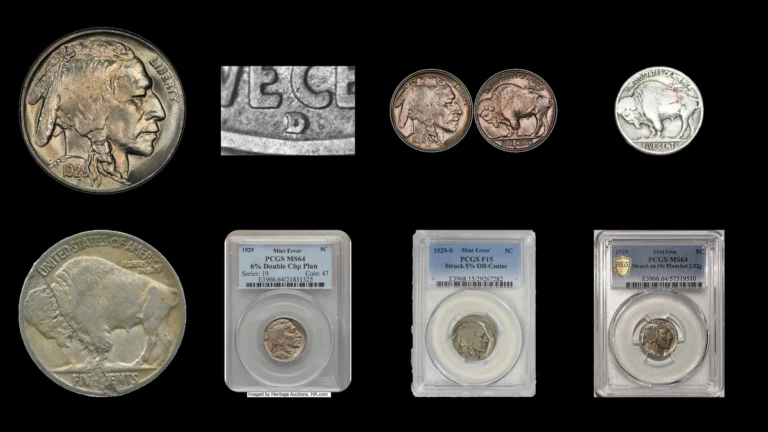
A recorded Denver PCGS MS62 nickel has a clip near five o’clock with the date upright. Its incomplete blank received a design around metal that was already absent.
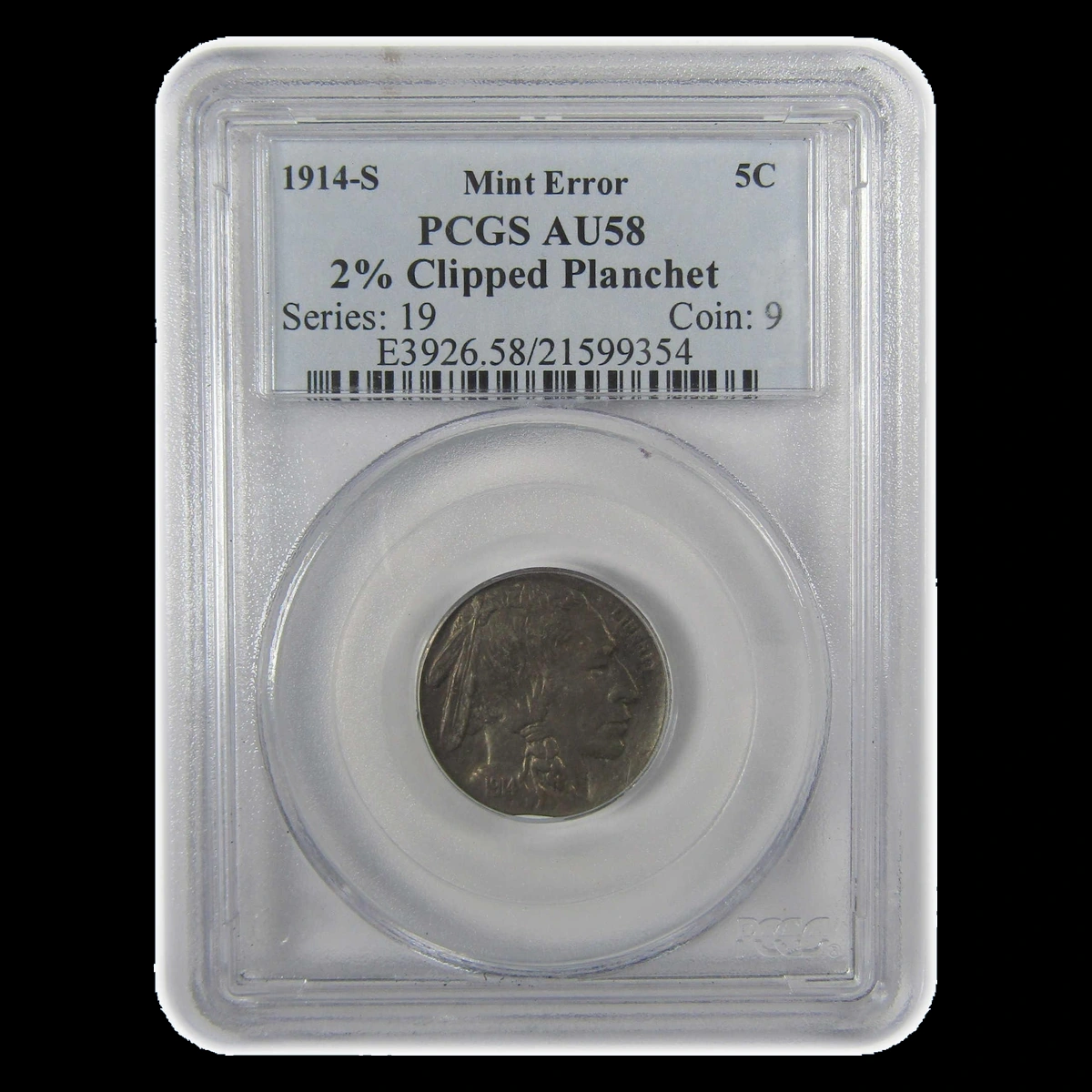
How to Identify
Confirm D below FIVE CENTS and inspect where the gap joins the rim at both ends. Natural strike flow differs from saw grooves, a fresh cut, or a smooth filed wall through finished detail.
Weakness on the opposite rim can support a clip but may not be clear. The supplied record gives no percentage for this specimen, so the clock position should not become an invented size measurement.
For loose coins, a normal Buffalo nickel weighs about 5 grams, measures 21.2 millimeters, and has a plain edge. Compare intact spans when measuring a clipped coin, and use those references for the structural errors below.
What It’s Worth
$75–$750 is an estimated range for ordinary 1914-D clips, with the date’s underlying value and preservation affecting the total. No completed sale is supplied for the MS62 specimen.
A Philadelphia 1918 nickel with a 5% clip sold for $141 in August 2014. That percentage and price belong to the comparison coin, not the 1914-D example.
4. 1914 Nickel Metal Peels, Opens, or Separates into a Thin Face: Lamination and Split Planchet Error
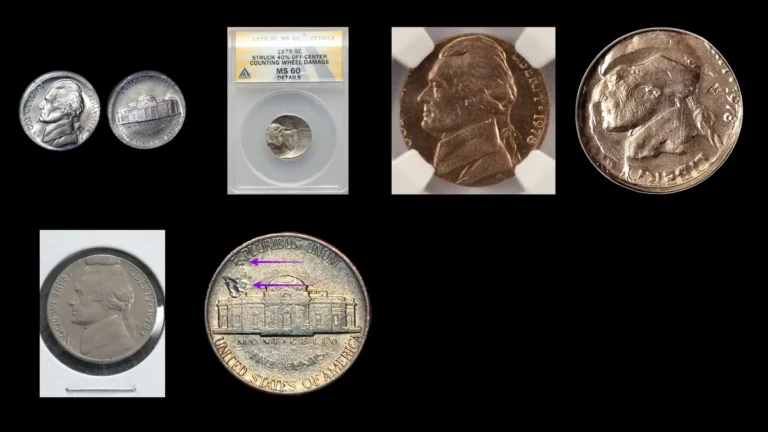
The supplied examples show three forms of internal separation: localized peeling, a detached face, and a partly connected clamshell opening. Their common origin in weak metal does not make their physical evidence interchangeable.
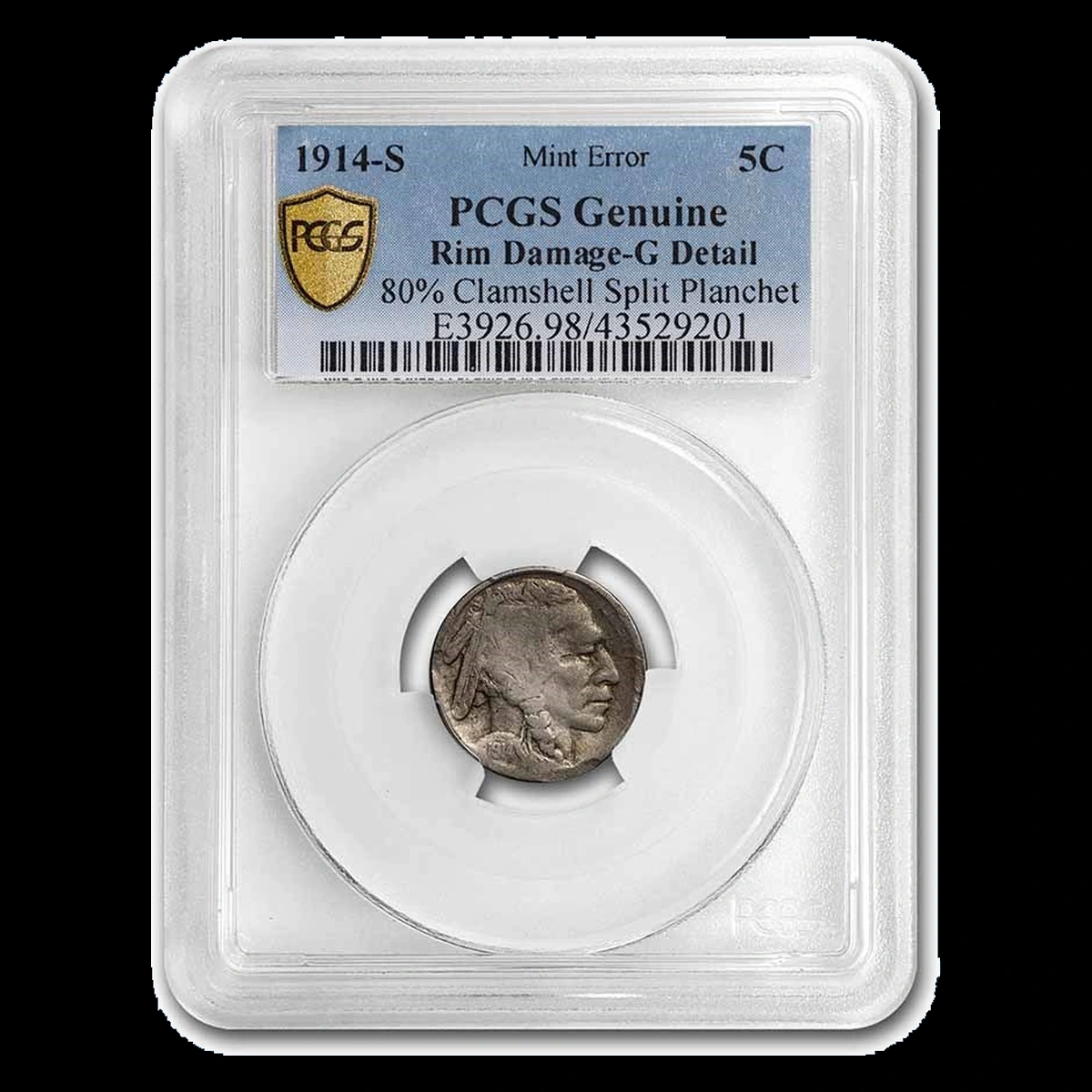
How to Identify
The Philadelphia VF25 split half retains the dated portrait face, with an exposed separation surface on its other side. That rough face is not simply a weakly struck buffalo, and an undated detached reverse could not establish 1914 on its own.
A separate San Francisco specimen opens from roughly nine to three o’clock while remaining joined. Do not widen that opening or lift a local flap to test it.
Compare the structure, original design, and natural internal boundary before using a photograph as a match. The Philadelphia MS64 lamination listing concerns a different coin from the VF25 detached half.
What It’s Worth
$20–$250 is an estimate for ordinary local laminations, while identified detached halves or partly opened shells may fall around $150–$800. A Denver obverse-lamination coin graded F12 sold for $52 at Heritage in July 2013.
That result belongs to a worn coin with a localized peel. No sale amount is supplied for the separate Philadelphia MS64 listing or the recorded split half.
5. 1914 Nickel An Opening Passes through the Buffalo’s Mouth Area: Defective Planchet Error
The collector-described 1914-S AU55 example is nicknamed “Smoking Buffalo” because a hole near the buffalo’s mouth resembles smoke. Its reported defective-planchet attribution concerns an opening through the blank, not a shallow surface mark.
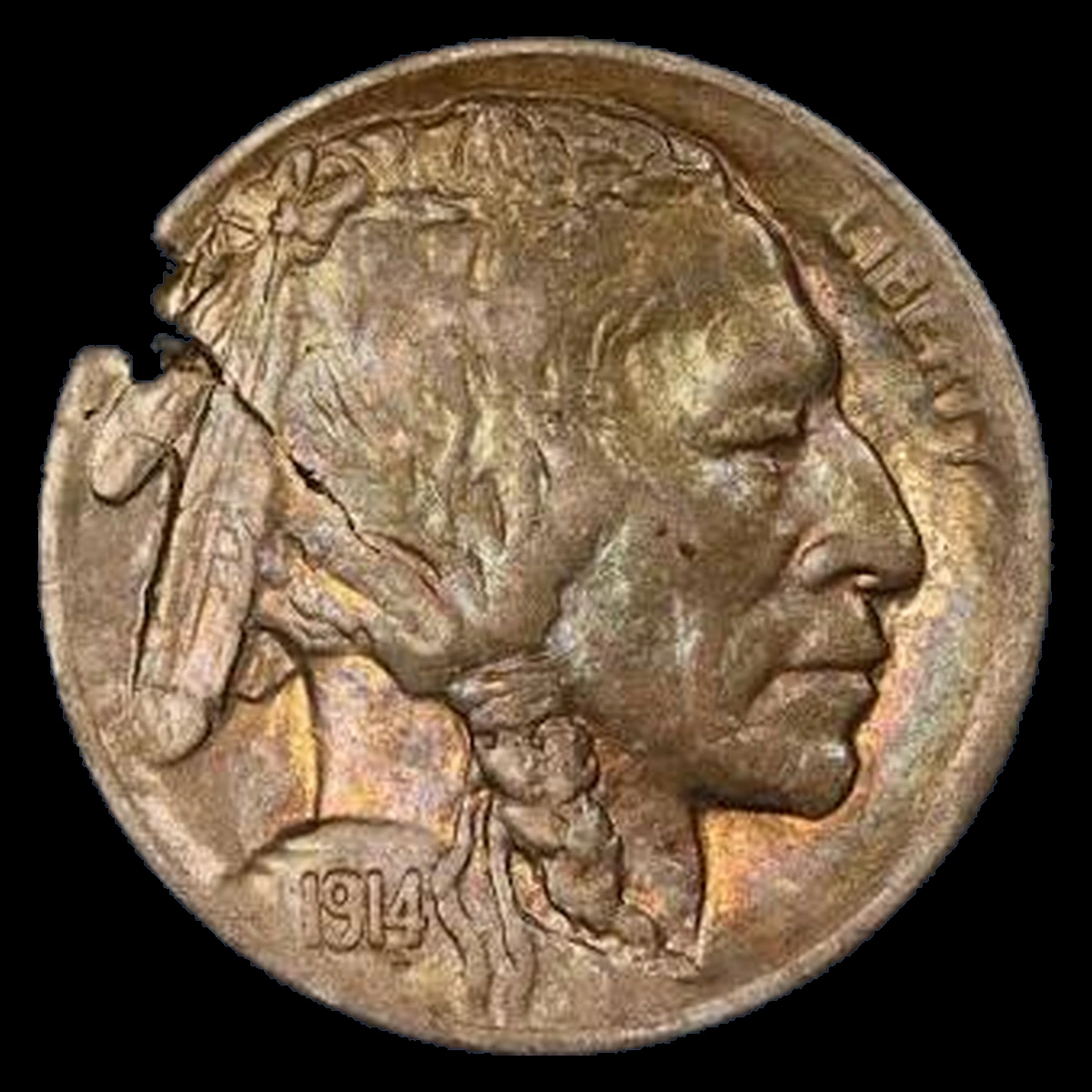
How to Identify
Photograph both faces in matching orientation and examine the hole’s walls and surrounding struck design. Circular drilling marks, burrs, or spreading corrosion can explain a similar opening made after minting.
Confirm the date, S, and the specimen’s attribution together. Light passing through a hole proves that it is open, but does not show when it formed.
What It’s Worth
$200–$2,000 is an estimated range for a genuine 1914-S defective blank with a clear through-hole. No completed sale accompanies the collector’s AU55 example in the supplied material.
The nickname adds no independent authentication or premium. Original surfaces, surviving design, and the relationship between the opening and the strike are the useful evidence.
6. 1914 Nickel A Blank Crescent Opposes the Missing Design: Off-Center Strike Error
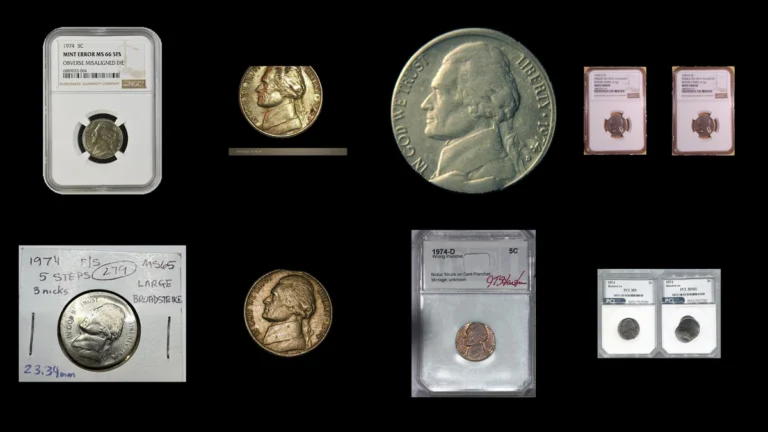
The recorded 1914-S XF45 specimen is described as 25% off-center. Its blank was displaced in the press, leaving unused metal while part of the intended design fell beyond the edge.
How to Identify
Read the date and S, then trace the transition between struck and untouched metal on both sides. A complete design with an uneven border or a shift confined to one face needs a different explanation.
No clock direction is supplied for the XF45 example. Keep its stated percentage separate from other 1914 coins and inspect the edge for later filing or cutting.
What It’s Worth
$150–$2,500 is a working estimate for readable 1914-S off-center nickels. The supplied 25% XF45 record provides an identified example but no completed sale amount.
A 1918-D nickel struck 10% off-center brought $3,120 in January 2022 in exceptional MS66 condition. Its preservation and different mint explain why it is not a direct price for the worn 1914-S coin.
Conclusion
Keep the identity of each 1914 nickel attached to its evidence: a specific mint-letter fragment, the dated face of a split coin, or the design surrounding a hole. Similar missing-metal appearances can arise at different stages or from later damage.
The highest historical result here concerns the Philadelphia date variety, far above typical small peels. Match both the feature and preservation before using that sale as a comparison.