Rare 1978 Quarter Errors (List & Pictures)
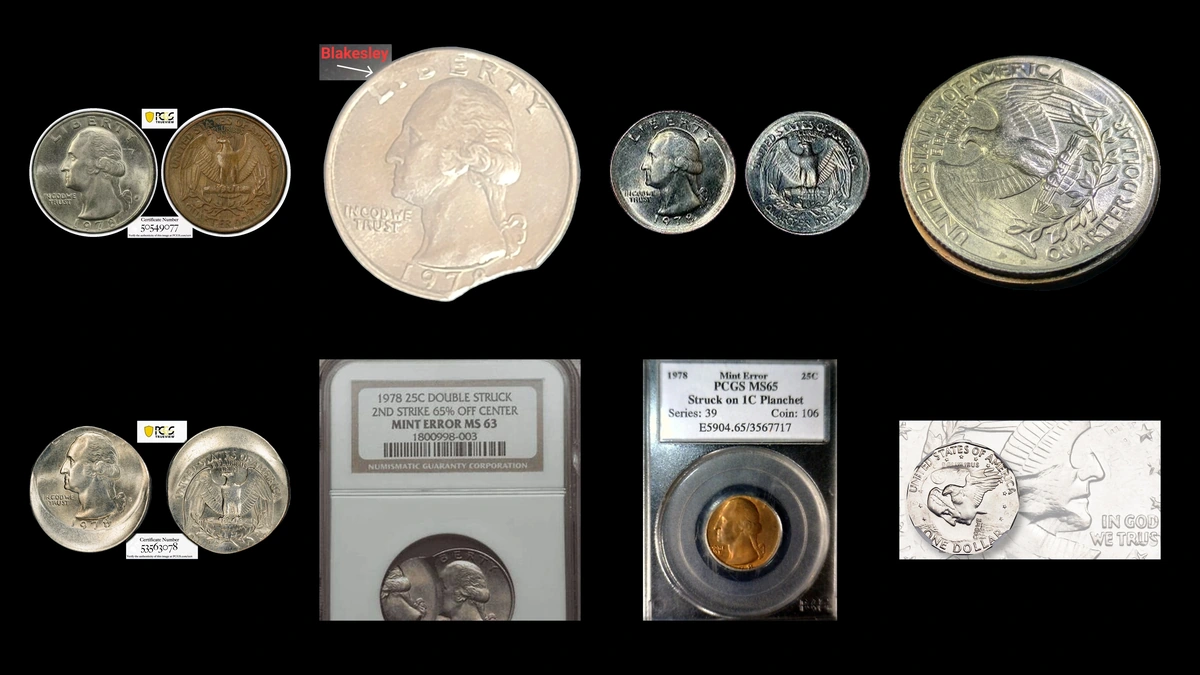
A coin dated 1978 beneath a 1979-P dollar design sold for $10,200 in November 2025. That later dollar overstrike is the most valuable supplied comparison in this guide to 1978 quarter errors, whose estimates span $2–$15,000.
For ordinary quarters, begin with the mintmark and surface, then examine metal layers, the outline, and any separate impressions.
| Inspection clue | Possible identification | Estimated value |
|---|---|---|
| The D’s center appears filled | Filled D | $2–$25 |
| A lower-left D fragment | Repunched mintmark | $15–$100 |
| Repeated lettering | Doubled die | $20–$250 |
| Abnormal color with layers intact | Improper annealing | $40–$200 |
| Thin peeling metal | Lamination | $10–$150 |
| A copper face with outer metal absent | Missing clad layer | $100–$500 |
| An attached layer opens at the edge | Clamshell split | $100–$500 |
| Three curved gaps | Triple clip | $60–$350 |
| Complete design in expanded metal | Broadstrike | $30–$175 |
| Stepped edge and a depression | Partial collar with indent | $25–$300 |
| Blank crescent beside lost design | Off-center strike | $40–$600 |
| Two coherent design positions | Double strike | $150–$900 |
| Sunken backward design | Partial brockage | $150–$1,000 |
| Quarter design on different metal or size | Wrong planchet | $150–$2,000 |
| Dollar design over a 1978 quarter | Double denomination | $7,500–$15,000 |
1. 1978 Quarter The Opening inside D Is Filled: Filled Mintmark Error
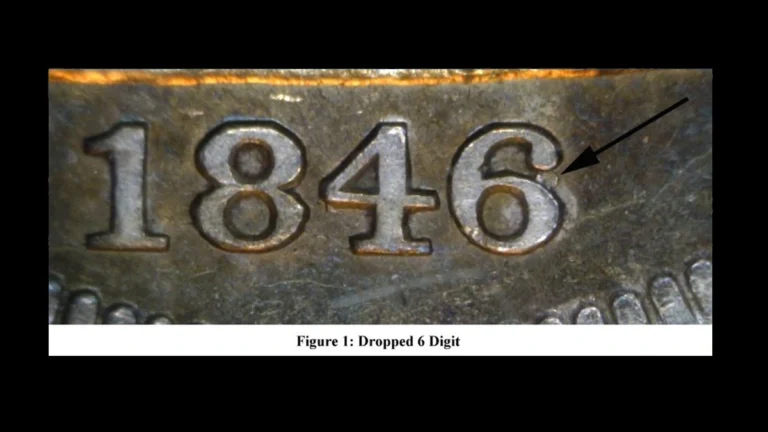
The reported Denver feature is sometimes called Blob D. If the small central post in the die breaks away, coin metal can fill the new opening during striking.
A filled-looking letter does not prove that mechanism. Wear or later damage may close the space, while grease more often weakens a letter than fills it with raised metal.
How to Identify
Inspect the D beside Washington’s lower portrait under angled light. Look for original raised metal rather than dirt, a scratch pushed inward, or a damaged letter.
Do not scrape the opening to investigate. A normal Philadelphia 1978 quarter has no mintmark, which is unrelated to a filled Denver D.
What It’s Worth
$2–$25 is the estimate for a genuine visible mint-made filling. Its small size generally places it below major die breaks.
A 1970-D nickel with two cuds sold for $63 in October 2022. That larger different-denomination error supplies context rather than a direct filled-D price.
2. 1978 Quarter An Earlier D Curve Appears at the Lower Left: Repunched Mintmark Error
The reported 1978-D repunch shows an earlier impression toward the lower left. Mintmarks were applied to working dies with a separate punch, allowing overlapping applications to remain.
How to Identify
Follow the extra curve toward the D’s stem and compare it with a confirmed photograph of the same pattern. One bright corner or a short scrape cannot establish a second letter.
Keep the report limited to Denver: an S identifies the collector Proof issue, while Philadelphia has no letter. This die feature does not mean the quarter itself was struck twice.
What It’s Worth
$15–$100 is the estimate for a confirmed matching repunched D. No completed sale was supplied for the specific pattern.
The separate $99.88 Denver annealing sale discussed below concerns another mechanism. It should not be presented as a transaction for this mintmark variety.
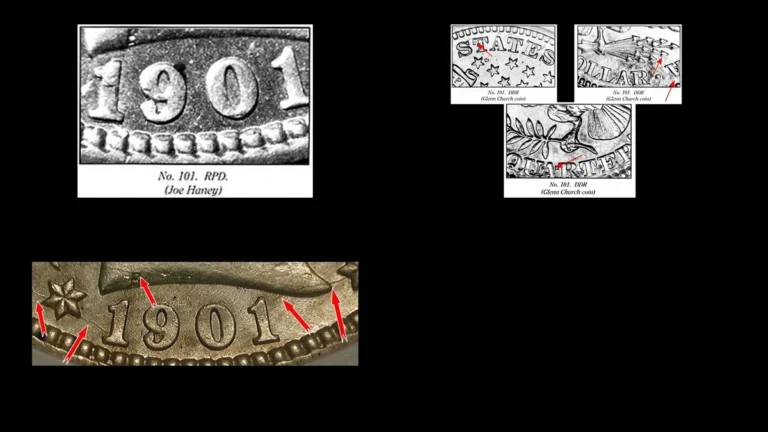
3. 1978 Quarter Front Letters Have Rounded Repeated Edges: Doubled Die Error
Philadelphia and Denver reports mention date and front-lettering features. A genuine doubled die contains repeated detail before striking, but the reports do not define one combined pattern for every coin.
How to Identify
Compare the actual date, LIBERTY, or IN GOD WE TRUST feature with an identified same-pattern example. Do not require all three areas to be doubled merely because each appears in a general report.
Rounded separation and split corners are more useful than flat shelves or worn-die thickening. Change the lighting to exclude a false edge created by a reflection.
What It’s Worth
$20–$250 is the estimate for confirmed readable doubling. The stronger end requires an established pattern and suitable preservation.
A different 1990-S Proof FS-101 sold for $360 in March 2020 as PCGS PR68 Deep Cameo. That collector Proof is not a direct sale comparison for the reported 1978 circulation varieties.
4. 1978 Quarter Unusual Color Covers Intact Metal Layers: Improper Annealing Error
A Denver NGC MS66 was cataloged as improperly annealed. Annealing heats blanks before striking, and abnormal treatment can change the surface without removing an outer layer.
Copper-like or blotchy color is only an initial clue. Toning, chemicals, or later fire exposure can also change a quarter’s appearance.
How to Identify
Compare both faces under neutral light and inspect the layer structure, original shine, and any corrosion or blisters. Keep the surface untouched.
An ordinary loose quarter is approximately 5.67 grams and 24.26 mm with a reeded edge. Correct measurements can help exclude missing metal but do not prove the cause of color.
What It’s Worth
$40–$200 is the estimate for comparable confirmed annealing errors. The Denver NGC MS66 sold for $99.88 at Heritage in August 2015.
A reliable surface attribution and original preservation support that comparison. An unexplained dark coin does not qualify from shade alone.
5. 1978 Quarter A Thin Flap Lifts from the Surface: Lamination Error
Weakness within the metal can leave shallow peeling or a rough area where a flake detached. The 1978 reports supply no fixed mint or location for this category.
A localized lamination differs from an entire outer layer disappearing across one face. Its exact boundary should guide the diagnosis.
How to Identify
Leave an attached flap in place and inspect where it rejoins the surface. A natural thin separation differs from a deep tool gouge with displaced metal along its sides.
Compare both faces and the edge, allowing for reduced weight if material has detached. Do not pry beneath a loose portion to make the defect more visible.
What It’s Worth
$10–$150 is the estimate for genuine localized peeling. A 1911 Liberty Head nickel with front lamination sold for $51 in January 2023.
That different-series result is a modest category comparison. The quarter’s actual flaw, retained design, and condition determine where it fits.
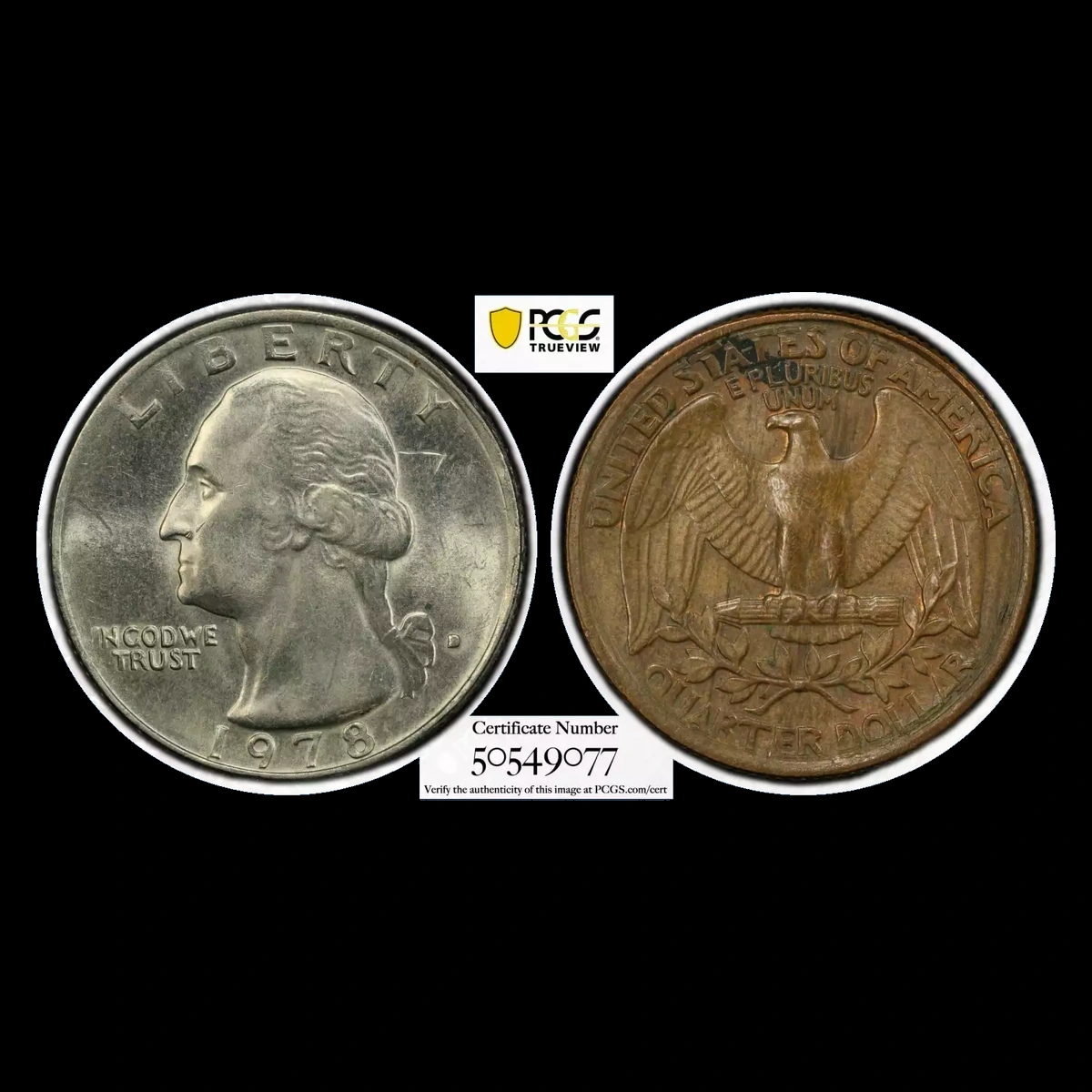
6. 1978 Quarter One Face Exposes the Copper Core: Missing Clad Layer Error
Philadelphia records include a PCGS MS61 with front-layer loss and a separate PCGS MS65 missing its reverse layer at 4.63 grams. A Denver front-loss example is also reported.
The pale outer metal is absent, exposing the copper center. A brown surface alone does not establish this structural change.
How to Identify
Follow the exposed face to the edge and compare it with the intact opposite layer. Original design struck into copper should be distinguished from scraping, chemical removal, or an added coating.
The recorded reverse-loss specimen provides the 4.63-gram reference. That measured weight must not be assigned to the front-loss coins.
What It’s Worth
$100–$500 is the estimate for comparable missing-layer errors. The Philadelphia PCGS MS61 with front-layer loss sold for $240 in July 2022.
Its sale and the reverse specimen’s weight are separate records. Clear original copper detail generally makes a stronger comparison than pitting or disturbed surfaces.
7. 1978 Quarter An Attached Layer Opens at the Edge: Clamshell Split Error
A Philadelphia PCGS AU50 has a partial reverse split with metal still attached. The opening resembles a shell and reveals a deeper separation than a small surface flake.
How to Identify
Use a side view to trace the opening to its remaining connection. A natural layer boundary should be distinguished from a saw cut or forced separation.
Do not bend the layer or press measuring tools against it. With the separated metal still present, weight can remain close to the normal quarter standard.
What It’s Worth
$100–$500 is the estimate for a confirmed partial clamshell with preserved identity. No completed price was supplied for the AU50 specimen.
The separate front-layer-loss sale at $240 in July 2022 offers context for layer failures only. A clamshell’s attachment, depth, and original condition need their own assessment.
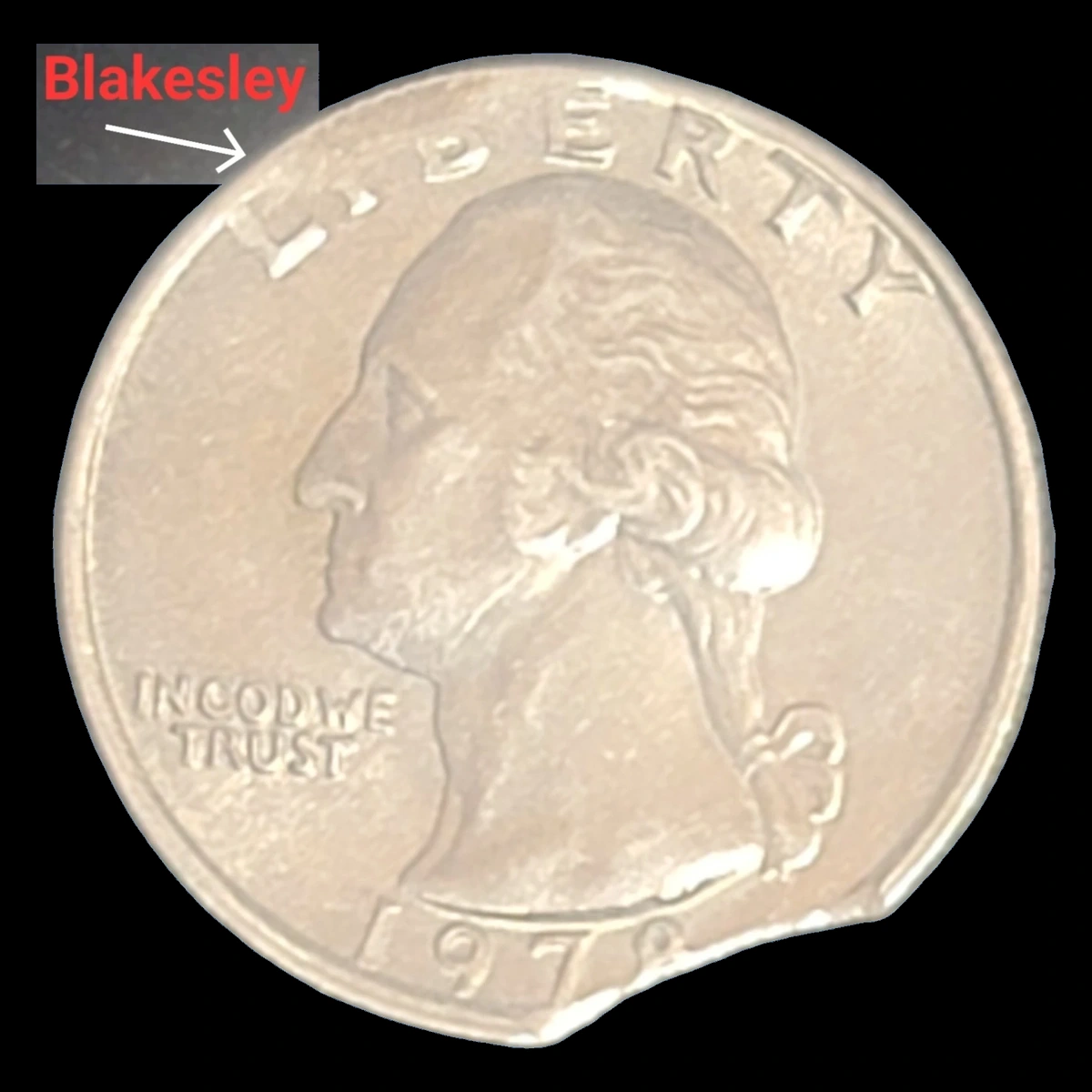
8. 1978 Quarter Three Curved Gaps Interrupt the Outline: Triple Clip Error
A PCGS MS64 is cataloged with an 18% triple curved clip. The three shortages were present before the blank received its design.
The 18% describes the combined clipping. It does not mean three separate 18% losses.
How to Identify
Inspect each curve where it meets the formed rim for natural metal flow. Saw teeth, file strokes, or a cut through completed lettering suggest later removal.
Reduced mass supports missing metal but cannot prove when it disappeared. Do not calculate an exact target specimen weight from the percentage alone.
What It’s Worth
$60–$350 is the estimate for comparable genuine clips. The PCGS MS64 triple-clip quarter sold for $180 in March 2025.
That result covers all three gaps on one coin. Clear original boundaries, a readable date, and condition matter alongside the total shortage.
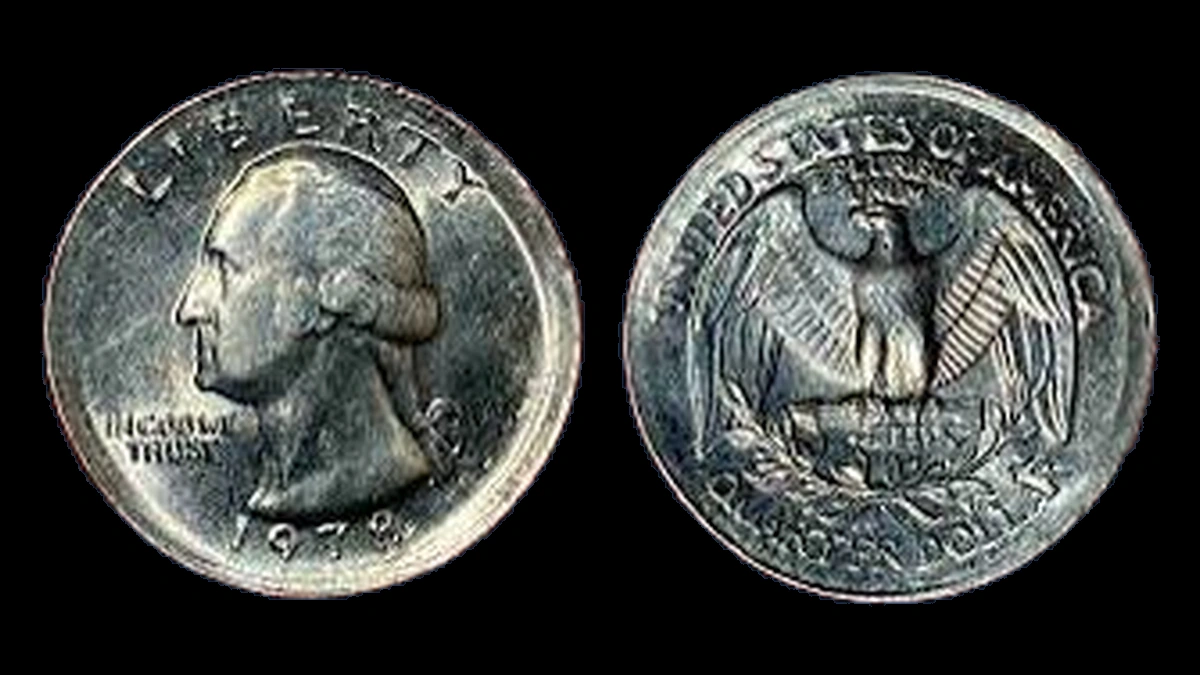
9. 1978 Quarter The Complete Design Fits an Expanded Outline: Broadstrike Error
An early catalog illustrates a Philadelphia broadstrike on a Type I blank, which had not received its raised starting rim. The unconfined metal expanded when the collar failed to restrain it.
The catalog’s P denotes Philadelphia rather than a letter on the coin. Ordinary 1978 Philadelphia quarters have no P mintmark, and reported Denver examples require their own comparison.
How to Identify
Trace Washington, the date, and outer lettering to confirm that the whole intended design remains on the metal. Examine the expanded edge for natural formation rather than filing, rolling, or hammering.
A Type I attribution needs evidence of its blank preparation in addition to a wide outline. An unstruck crescent opposite lost design instead points toward an off-center strike.
What It’s Worth
$30–$175 is the estimate for ordinary 1978 broadstrikes. A supported Type I identification can add interest.
Two 1990 Philadelphia broadstrikes sold together for $101 in July 2021. That different-year result prices a pair, not either individual coin or the 1978 catalog specimen.
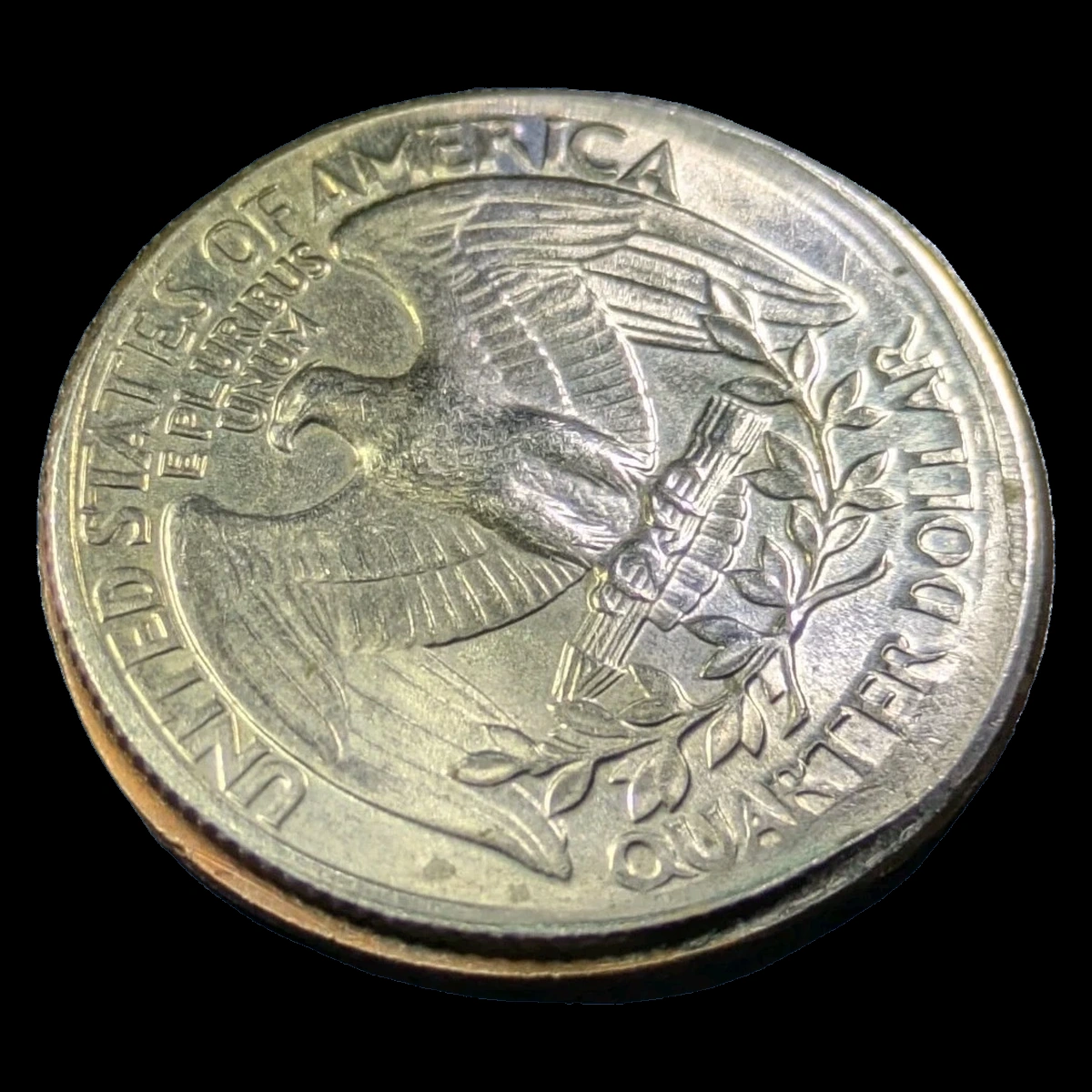
10. 1978 Quarter A Stepped Edge Accompanies a Depression: Partial Collar with Indent Error
An ANACS MS63 quarter combines partial collar contact with an indent. One edge band was contained while another expanded, and an overlapping object blocked part of the strike.
The catalog does not establish the indent’s face or position. Both visible features need to belong to the same specimen.
How to Identify
Follow the edge step from the narrower band into the expanded metal, then examine where design stops inside the depression. A face-on double rim does not replace a useful side view.
Check for later crushing or a sharp impact lip around the hollow. The original edge and blocked strike should provide compatible evidence.
What It’s Worth
$25–$300 is the current working estimate for comparable combined errors. The ANACS MS63 sold for $11 in October 2004.
That historical result is not a ceiling for every later comparison. A separate 1990-P nickel with a partial collar sold for $99 in June 2025, but differs in denomination and features.
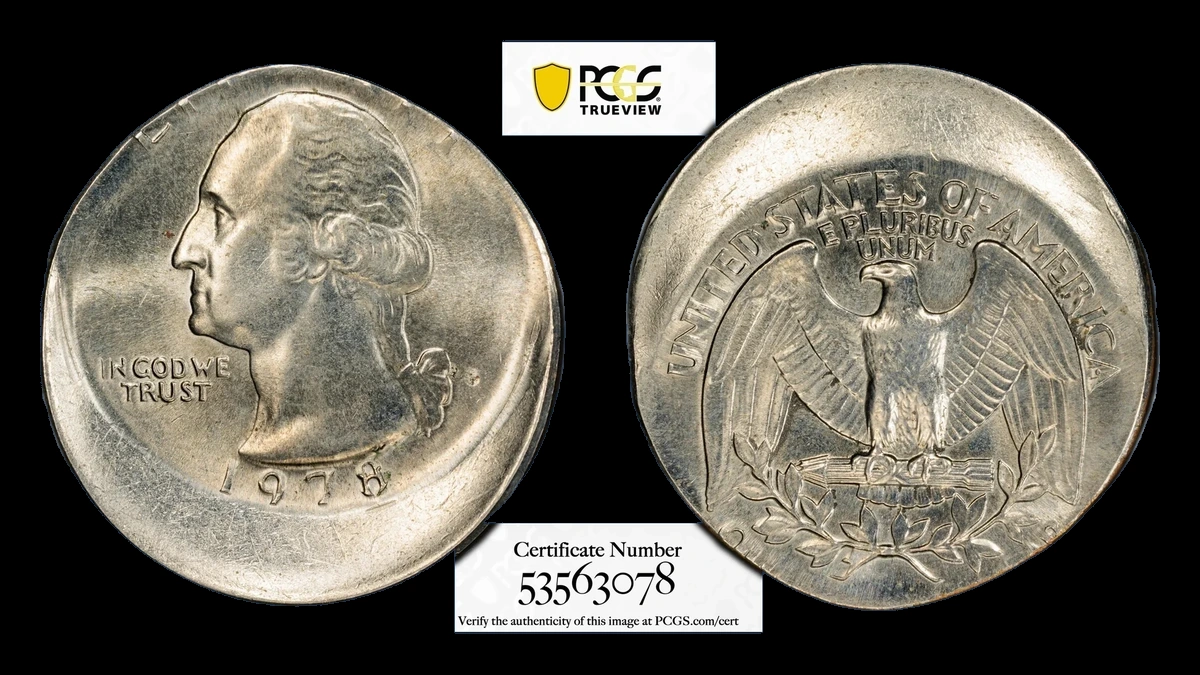
11. 1978 Quarter An Unstruck Crescent Sits beside Displaced Detail: Off-Center Strike Error
A recorded Philadelphia example is 10% off center toward ten o’clock. Other records describe roughly 30%, early catalog entries of 20%, 35%, and 60%, and a separate Denver 20% report.
These are different specimens with different amounts of design loss. A single displaced blank should explain both faces of each coin.
How to Identify
Read the date and compare the untouched metal with the design cut off across from it. A shift limited to one face requires a different alignment explanation.
If the mintmark area falls beyond the struck metal, an absent D cannot establish Philadelphia. Do not transfer the ten-o’clock direction to every percentage listed.
What It’s Worth
$40–$600 is the estimate for genuine off-center examples. A 30% NGC MS63 sold for $57 in May 2006.
A separate 15% MS64 brought $154 in September 2025. Their results show why preservation and the individual sale matter alongside displacement.
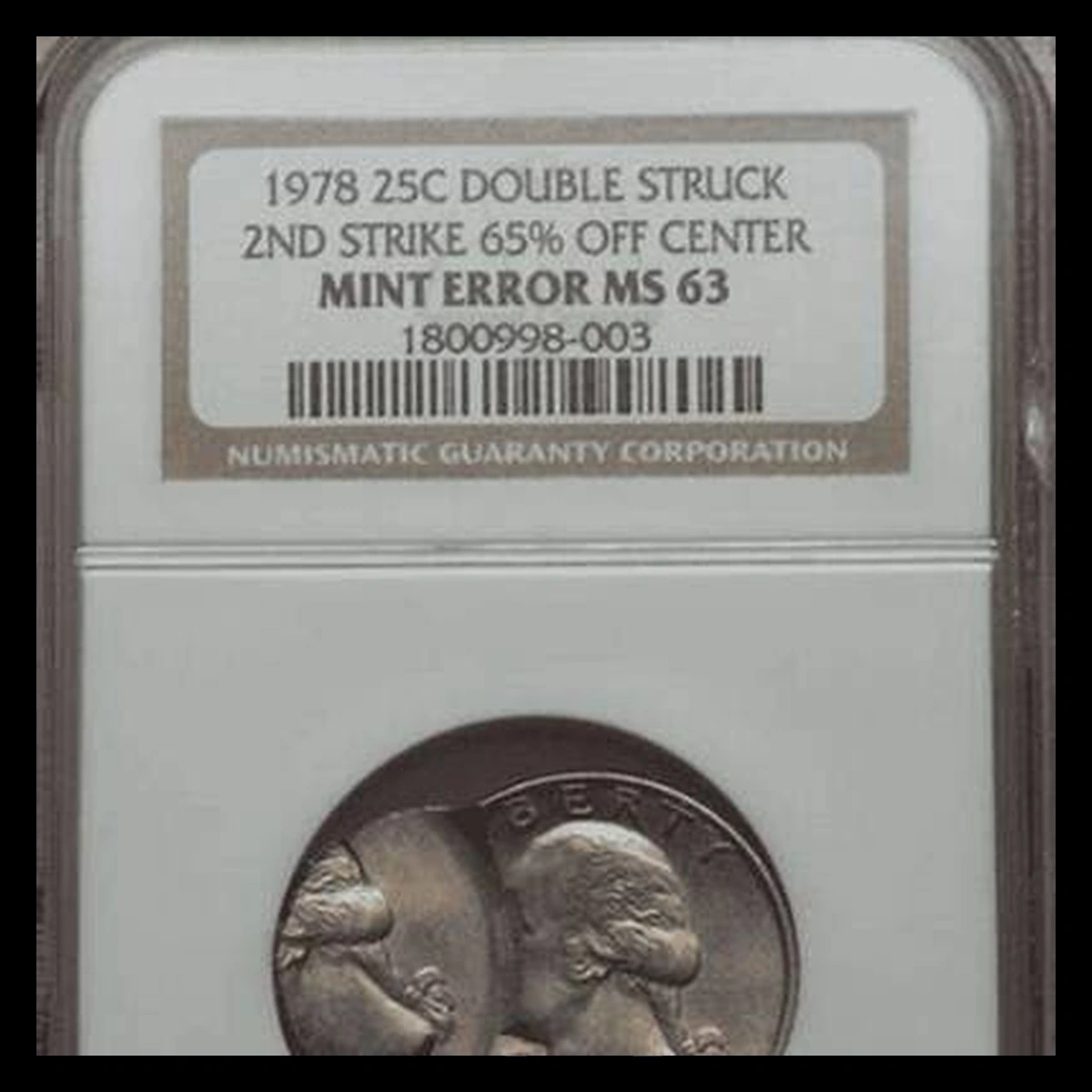
12. 1978 Quarter Two Coherent Design Positions Survive: Double Strike Error
One reported quarter received its second strike about 65% off center. Another type rotated between blows while remaining inside the collar.
The offset example has two dates, with the second partly visible in an auction description. The rotated type can stay round despite its overlapping designs.
How to Identify
Trace several letters and portrait details into a consistent second impression. Isolated shelves or scratches cannot substitute for a coherent repeated design.
On an offset piece, check where the newer strike flattens the older one. On a rotated in-collar piece, compare their angles without demanding a broad two-lobed outline.
What It’s Worth
$150–$900 is the estimated range for comparable double strikes. A rotated in-collar NGC AU58 sold for $198 in July 2022.
An offset NGC MS63 with part of the second date visible brought $488.75 in January 2008. The degree of readable separation and preservation govern the comparison.
13. 1978 Quarter Part of a Face Bears a Sunken Mirror Image: Partial Brockage Error
An early catalog records approximately 20% partial brockage on a 1978 quarter. A previously struck coin in the press impressed its raised design into another blank as a reversed, sunken image.
How to Identify
Mirror a photograph to test whether the unusual lettering resolves into recognizable design, then use side lighting to confirm that it is recessed. A plain hollow is insufficient.
Inspect the unaffected design and rim for later squeezing damage. The reported one-fifth coverage does not establish an affected face or an exact transferred element.
What It’s Worth
$150–$1,000 is the estimate for a confirmed partial brockage. No completed sale was supplied for the cataloged 1978 specimen.
A 1999-P New Jersey quarter with 80% brockage and broadstriking sold for $312 in December 2024. Its larger compound error and different design limit the comparison.
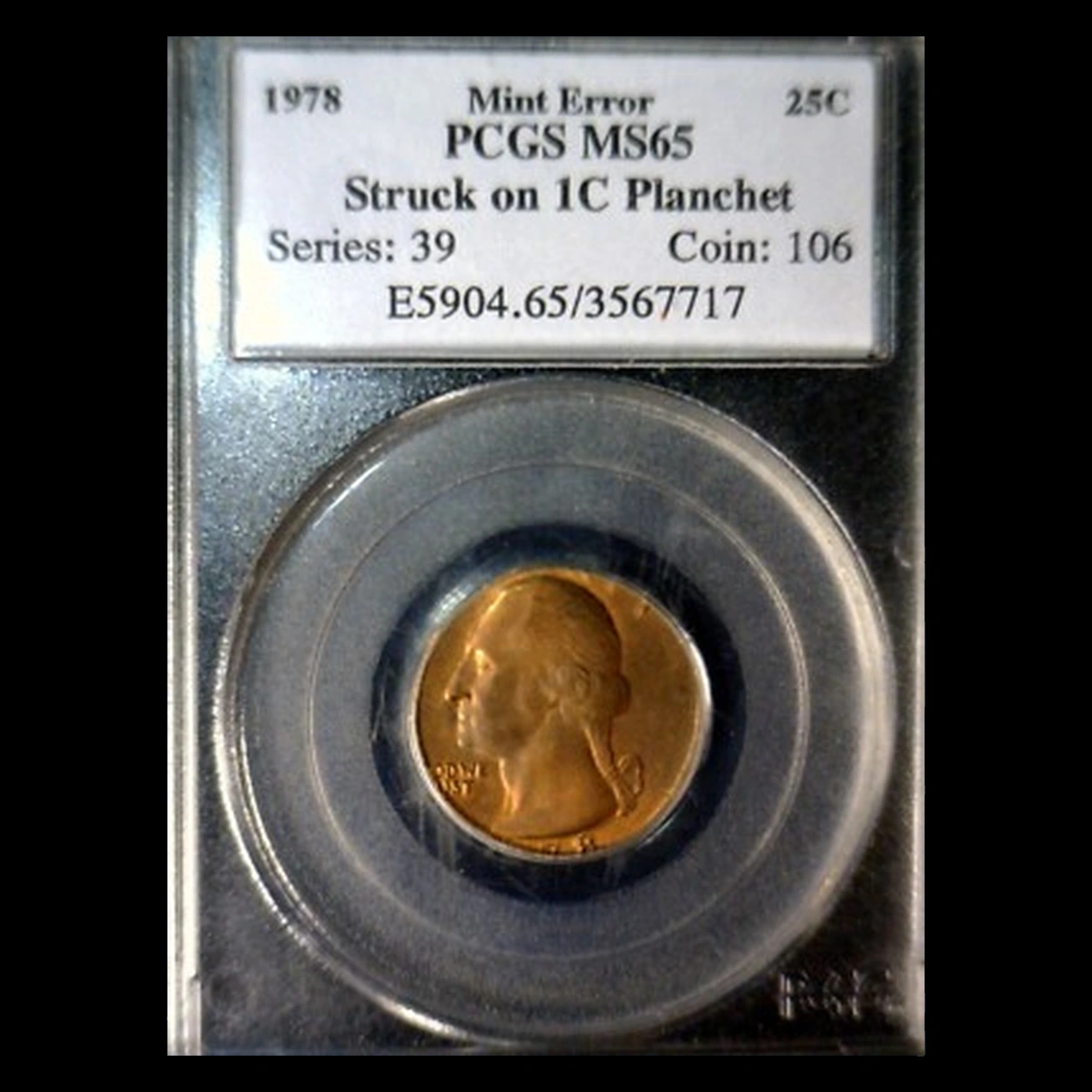
14. 1978 Quarter The Quarter Design Fits Different Metal or Size: Wrong Planchet Error
Philadelphia records include strikes on cent, nickel, and dime blanks. One cent example weighs 3.08 grams, a nickel example 5.0 grams, and a dime example 2.4 grams.
Denver versions are also reported. They require their own D-bearing evidence rather than borrowed Philadelphia photographs or measurements.
How to Identify
Compare composition, size, and the natural design cutoff together. Normal starting standards are 3.11 grams and 19.05 mm for a 1978 cent blank, 5.0 grams and 21.2 mm for a nickel blank, and about 2.27 grams and 17.91 mm for a dime blank.
Those standards differ from specimen measurements, including the recorded 2.4-gram dime-blank strike. Trimming or plating an ordinary quarter can imitate individual clues, so the edge and original metal must agree with the proposed blank.
What It’s Worth
$150–$2,000 is the estimate across these wrong-blank quarters. A Philadelphia nickel-blank example brought $216 in December 2024.
A cent-planchet NGC MS66 Red sold for $1,440 in September 2025. Its color designation and preservation help explain why not every wrong blank receives the same price.
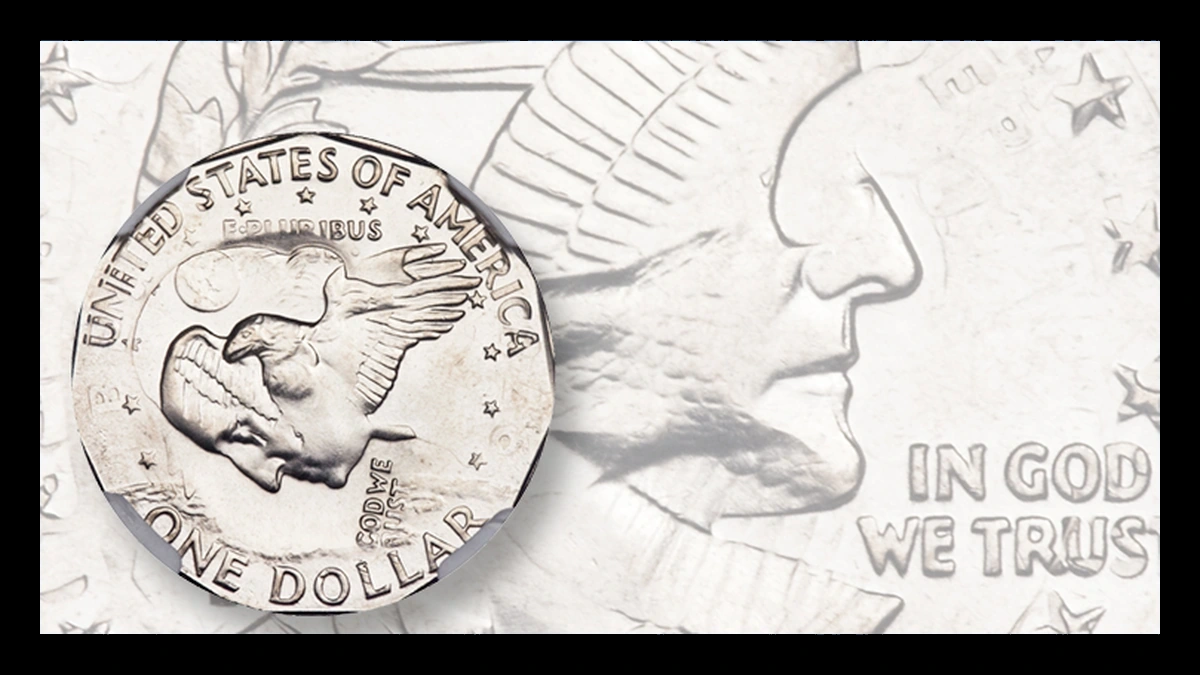
15. 1978 Quarter A 1979 Dollar Design Covers a 1978 Quarter: Double-Denomination Overstrike Error
An already struck 1978 quarter later entered a 1979-P Anthony dollar press. The finished object carries the bold dollar design over surviving quarter details.
The earlier nearly complete 1978 date is faintly visible between three and four o’clock on the dollar reverse. NGC graded the overstrike MS67.
How to Identify
Begin with the 1979-P dollar and locate the older quarter date in its recorded reverse position. Follow other surviving quarter elements rather than interpreting random lines as a second denomination.
A normal quarter begins at 5.67 grams and 24.26 mm, while an ordinary Anthony dollar is 8.1 grams and 26.5 mm. These are reference standards, not supplied measurements of this overstruck specimen.
What It’s Worth
$7,500–$15,000 is the estimate for a comparable authenticated two-denomination piece. The NGC MS67 dollar over a 1978 quarter sold for $10,200 in November 2025.
That is the price of the complete dollar overstrike, not an error premium for ordinary 1978 quarters. Its surviving earlier date and strong preservation make the sequence unusually clear.
Conclusion
A 1978 quarter error should be identified from the relationship between its design, metal, and edge. Keep shallow peeling, whole-layer loss, and an attached clamshell split separate, even when each exposes unusual surfaces.
For repeated or wrong-denomination strikes, track which details belong to each impression. The $10,200 result concerns a later 1979 dollar over a 1978 quarter, while ordinary clips, broadstrikes, and mintmark flaws need their own much lower comparisons.