Rare 1915 Quarter Errors (List & Pictures)
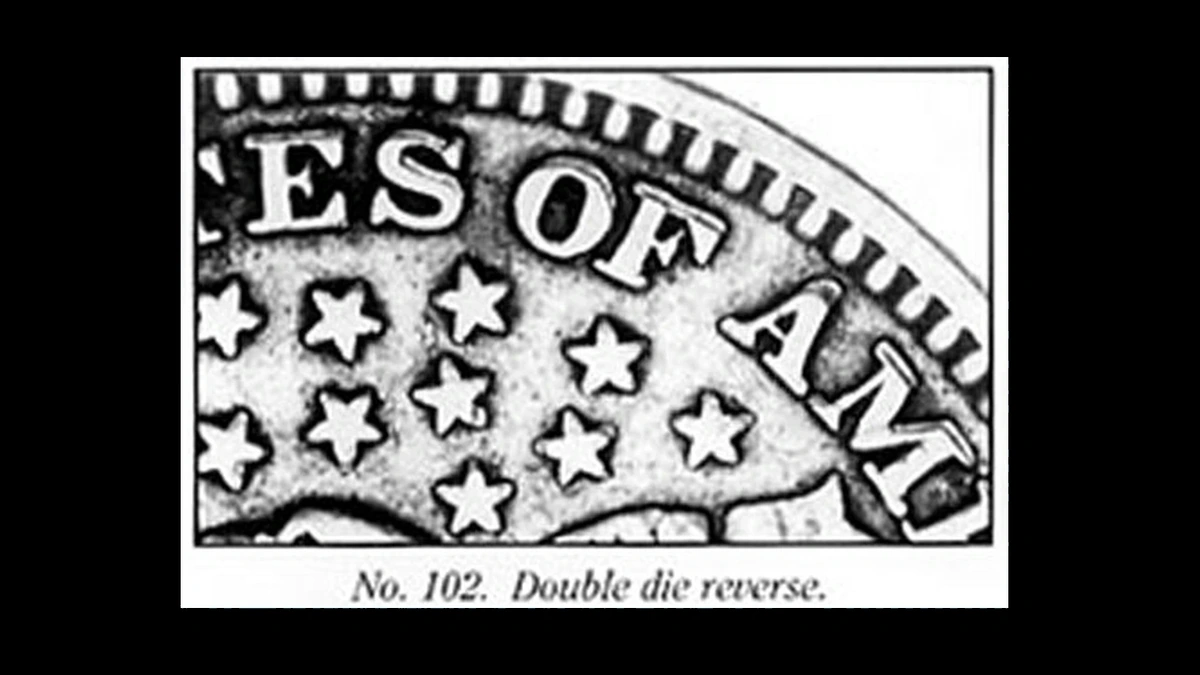
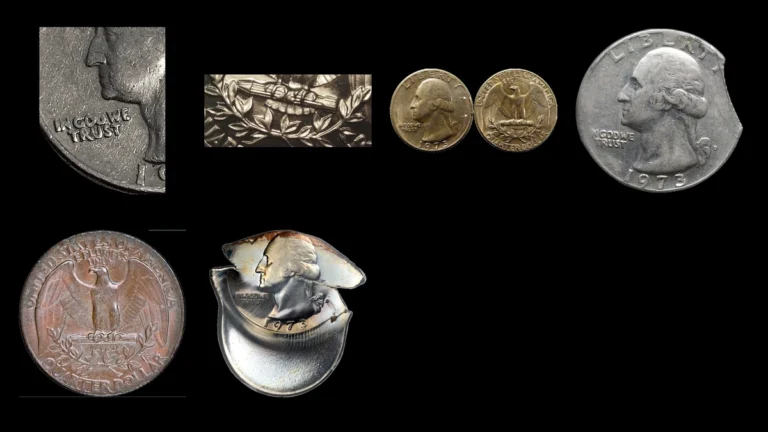
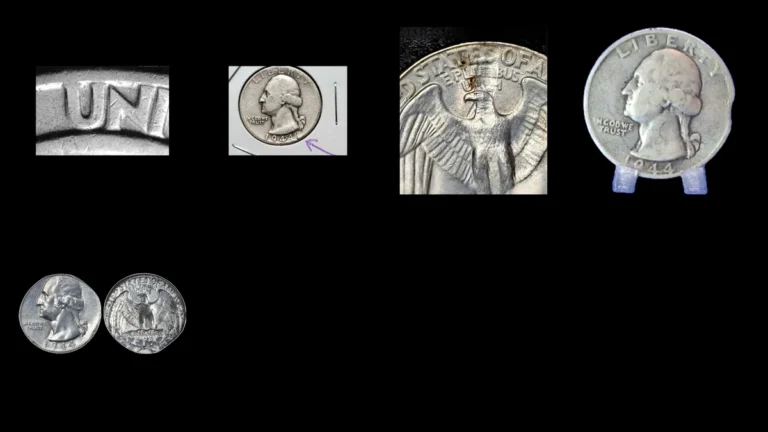
The outline of a Barber quarter can tell you whether to begin with the whole coin or a magnifier. These 1915 quarter errors range from spread strikes to tiny repeated letters, with estimated whole-coin values of $25–$5,000.
The supplied comparisons include $552 for a 1945 doubled-die quarter in March 2018, a different-year sale rather than a 1915 record. Examine the shape first, then the metal and reverse details.
1. 1915 Quarter A Wide Border with the Design Intact: Broadstrike Error
A reported 1915 Philadelphia quarter in PCGS AU58 shows an expanded outline from a broadstrike. AU58 indicates slight circulation wear, so this example should not be described as completely unworn.
The collar normally restrains the blank’s edge during striking and forms the grooves. When that restraint fails, the metal can spread outward while still receiving the full design.
How to Identify
Trace the outer stars and lettering on both faces, keeping the entire outline in view. Complete designs within a naturally spread border support broadstriking; missing design beside an unused crescent suggests an off-center strike.
A normal Barber quarter is about 24.3 millimeters across, but width alone cannot prove the cause of expansion. Look for crushed detail or impact marks that could explain later hammering, and leave a certified coin in its holder.
What It’s Worth
$300–$3,000 is an estimated range for genuine 1915 broadstrikes, with the extent of spreading and preservation both important. GreatCollections cataloged the Philadelphia AU58 example, but no realized price is supplied here.
A 1965 Type 1 broadstrike in PCGS MS61 brought $192 in June 2024. That much later quarter illustrates the mechanism without setting the value of a Barber-series coin.
2. 1915 Quarter An Incomplete Image beside Bare Metal: Off-Center Strike Error
A blank that sits partly outside the dies can receive only a portion of Liberty and the eagle. Original unstruck metal remains alongside the design that did form.
The 1915 category is reported without a common displacement percentage. Each candidate needs its own surviving date and outline examined.
How to Identify
Find all readable date digits before assigning the coin to 1915. Then compare both faces to see how their displaced images fit the same piece of metal.
If the reverse remains centered while only the front border is uneven, a shifted die may be a better explanation. Filing or trimming also removes metal rather than leaving a natural unused area of the original blank.
Record whatever reverse mintmark area survives. An off-center strike can lose that area entirely, so its absence may not establish a mint.
What It’s Worth
$250–$5,000 is an estimate for confirmed 1915 examples, depending on displacement, date visibility, and condition. A 1965 quarter struck 25% off center in NGC MS65 sold for $180 in December 2025; its later date and different series limit the comparison.
3. 1915 Quarter A Thin Flap or Peeled Patch: Lamination Error
Examine a surface flap as part of the metal itself, not as a missing modern outer layer. The 1915 quarter uses a silver-copper alloy throughout rather than a copper core with bonded pale cladding.
An internal weakness can allow a thin portion of that alloy to separate. Lamination is reported for the year without one established face or position.
How to Identify
Under low-angle light, follow the separation and any surviving design on the flap or beside it. Do not pry up an attached fragment, which can preserve evidence of the original split.
Compare the boundary with surrounding scratches or corrosion. A scraped lip and a rough pit need not represent a continuous layer separating within the coin.
What It’s Worth
$25–$750 is a whole-coin estimate across modest worn examples and more attractive, visible separations. The size of the flake does not cancel the effects of cleaning or other damage.
A 1932-S quarter with front lamination in NGC AU58 sold for $228 in September 2023. Its different date and mint also contributed to that result.
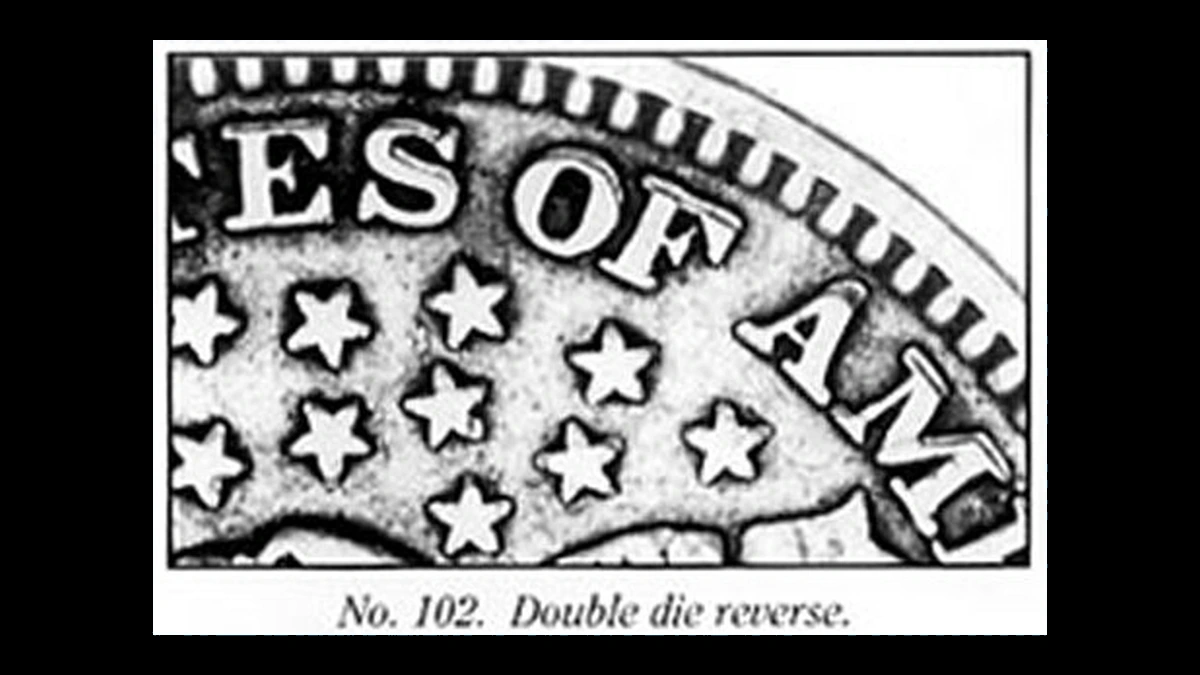
4. 1915 Quarter Extra Edges in STATES OF AMERICA: Doubled Reverse Die Error
On the reported Philadelphia variety, the useful area begins with the final letters of STATES and continues through OF AMERICA. A second edge built into the die can repeat there on coins struck from that tool.
The Barber Coin Collectors’ Society variety survey also lists a separate San Francisco doubled reverse. These are mint-specific varieties, not a promise that every doubled 1915 reverse has the Philadelphia pattern.
How to Identify
Photograph the final ES and following words together before enlarging individual corners. Rounded separation or small notches can be more useful than a single thick letter blurred by wear.
Change the light to rule out a reflection, and compare the correct mint’s reference. A flat ledge caused by movement during striking is different from duplication in the die.
What It’s Worth
$50–$1,500 is an estimated range for confirmed 1915 doubled-reverse varieties. Mint, preservation, and the clarity of the actual pattern need to accompany the attribution.
A 1945 Philadelphia doubled-front FS-101 in PCGS MS65 sold for $552 in March 2018. It offers another silver-quarter doubled-die comparison, but it is neither the same date nor the same affected face.
5. 1915 Quarter An Extra D or S Outline: Repunched Mintmark Error
In 1915, the mint letter was separately punched into the die. Repeating that punch in a slightly different position could leave part of the earlier D or S visible on the coins.
The Barber society lists a Denver D/D with an extra impression to the north, or above the main letter. Its listed San Francisco S/S is a separate pattern without a supplied direction here.
How to Identify
Locate the mintmark below the eagle and above QUARTER DOLLAR. An unmarked Philadelphia coin has no D or S to repunch.
For Denver, look above the main D for a raised remnant shaped like part of another D. Compare a San Francisco coin with an actual 1915-S reference instead of assigning it Denver’s northward direction.
Inspect nearby metal for a dent that could have pushed up a misleading curve. A stray scratch or flat shelf is not enough to identify a repunched mintmark.
What It’s Worth
$40–$1,000 is a working estimate for confirmed D/D and S/S varieties across different conditions. A 1949-D/D FS-501 in PCGS MS65 realized $384 in March 2018, a later-date comparison rather than a 1915 transaction.
Conclusion
A complete design on expanded metal and an incomplete design beside bare metal point to different striking errors. Once the outline is understood, examine peeling alloy and the smaller reverse details without disturbing the surfaces.
Keep Philadelphia, Denver, and San Francisco variety matches separate. The quoted comparison sales come from other dates, so an actual 1915 coin still needs an assessment of its own attribution, wear, and damage.