Rare 1954 Quarter Errors (List & Pictures)
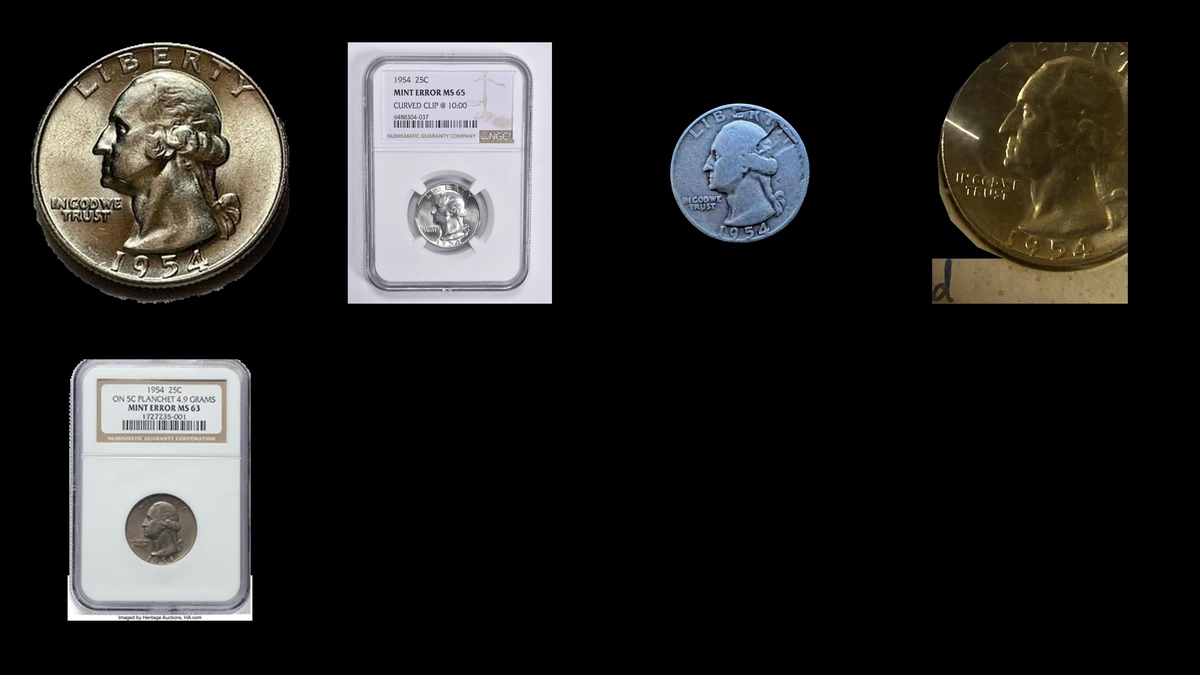
A different-year doubled-die comparison reached $3,290 in July 2016, but that 1962 result is not a 1954 price record. Estimated values for 1954 quarter errors range from $20–$3,000.
This guide explains the small die features and major blank mistakes, including two documented 1954 wrong-blank coins sold in September 2024.
| Category | Estimated value |
|---|---|
| Raised head crack | $20–$250 |
| Repunched mintmark | $25–$400 |
| Clipped blank | $25–$400 |
| Lamination | $30–$500 |
| Doubled die | $30–$800 |
| String strike-through | $75–$1,000 |
| Off-center strike | $50–$1,500 |
| Silver dime blank | $500–$2,500 |
| Nickel blank | $600–$3,000 |
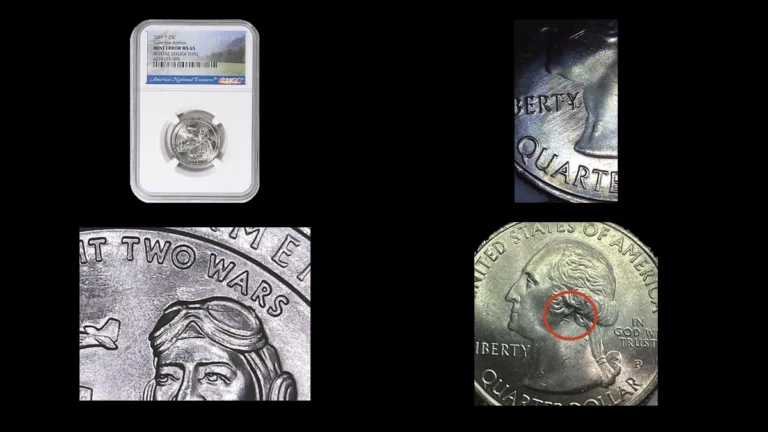
1. 1954 Quarter Raised Die Crack on Washington’s Head Error
The Philadelphia NGC MS65 example is described with a raised line on Washington’s head. A crack in the die allowed coin metal to fill the narrow opening during striking.
The record does not establish one route to assume from the short description. The actual specimen’s complete line should guide identification.
How to Identify
Move the light across the portrait to establish that the line rises above the surface. A scratch may also have a bright raised lip, so inspect for a recessed trench beside it.
Compare the full path and its relationship to the head details with the pictured example. Do not rub the line to make it easier to see.
What It’s Worth
Comparable genuine small cracks have estimated values of $20–$250. The MS65 head-crack example sold for $52 in July 2022.
MS65 indicates an unworn coin with relatively few marks. A visible ridge on clean original silver is a more useful comparison than a damaged portrait with an uncertain groove.
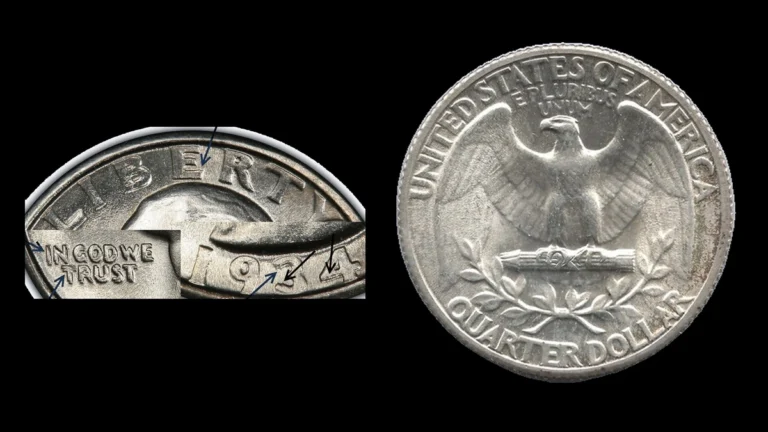
2. 1954 Quarter Repunched D and S Mintmarks Error
Both Denver and San Francisco mintmark varieties are listed for 1954, and NGC recognizes the D-over-D variety. Their extra letter parts came from separate punch impressions in the die.
The D and S patterns need independent matches. Neither the letter nor the direction of one pattern should be borrowed to explain the other.
How to Identify
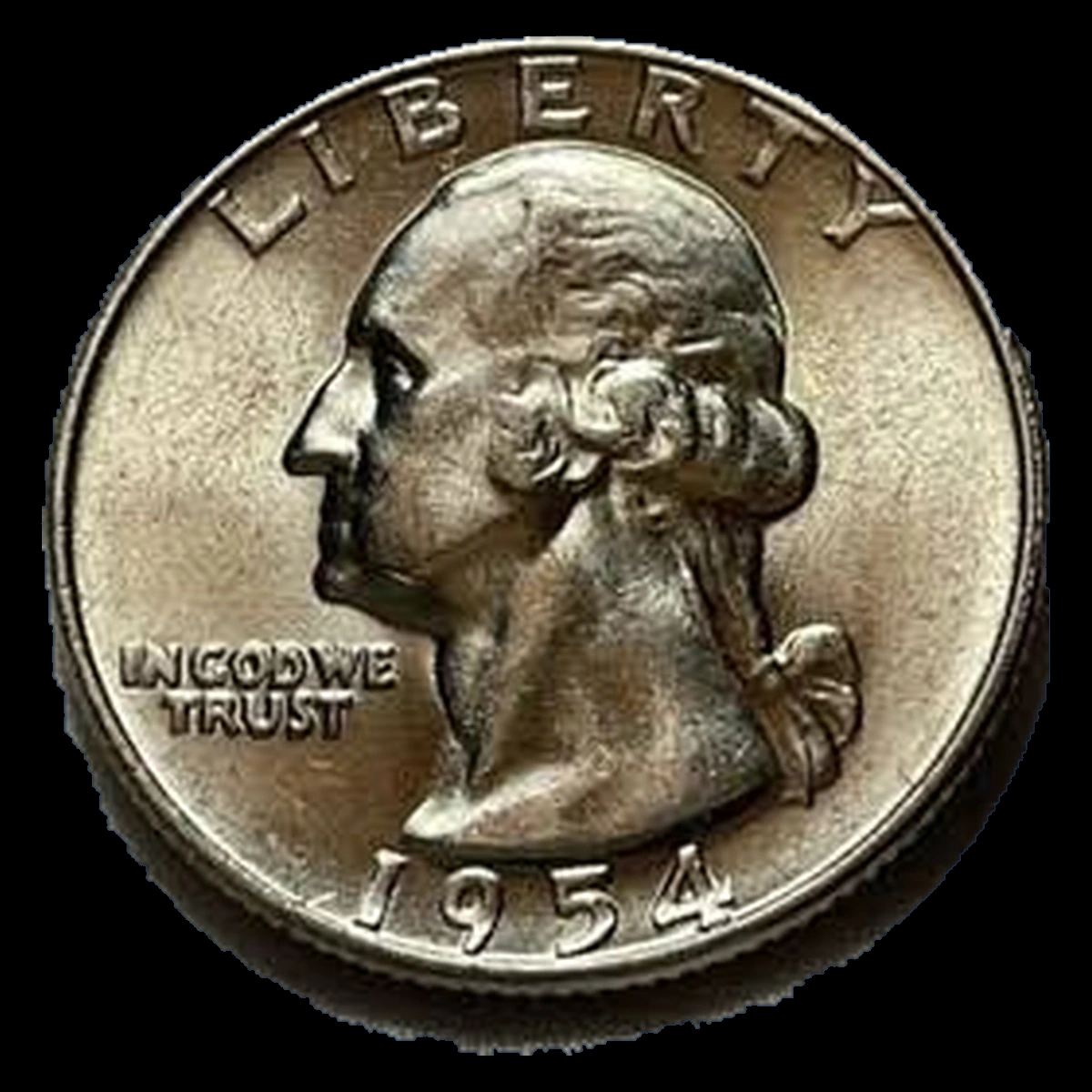
Locate the mintmark below the eagle and trace the main letter before inspecting its extra curves or strokes. Compare with an attributed same-year, same-mint photograph at a similar scale.
Changing the light helps distinguish fixed raised outlines from flat shelves and scratches. A worn letter cannot be completed reliably by imagining missing remnants.
What It’s Worth
Confirmed minor repunched mintmarks have estimated values of $25–$400. Clear original letter parts and attractive surfaces support stronger comparisons.
A separate 1962-D example in MS65 was recorded at $495 on eBay in August 2021. That different-year result does not price either 1954 pattern.
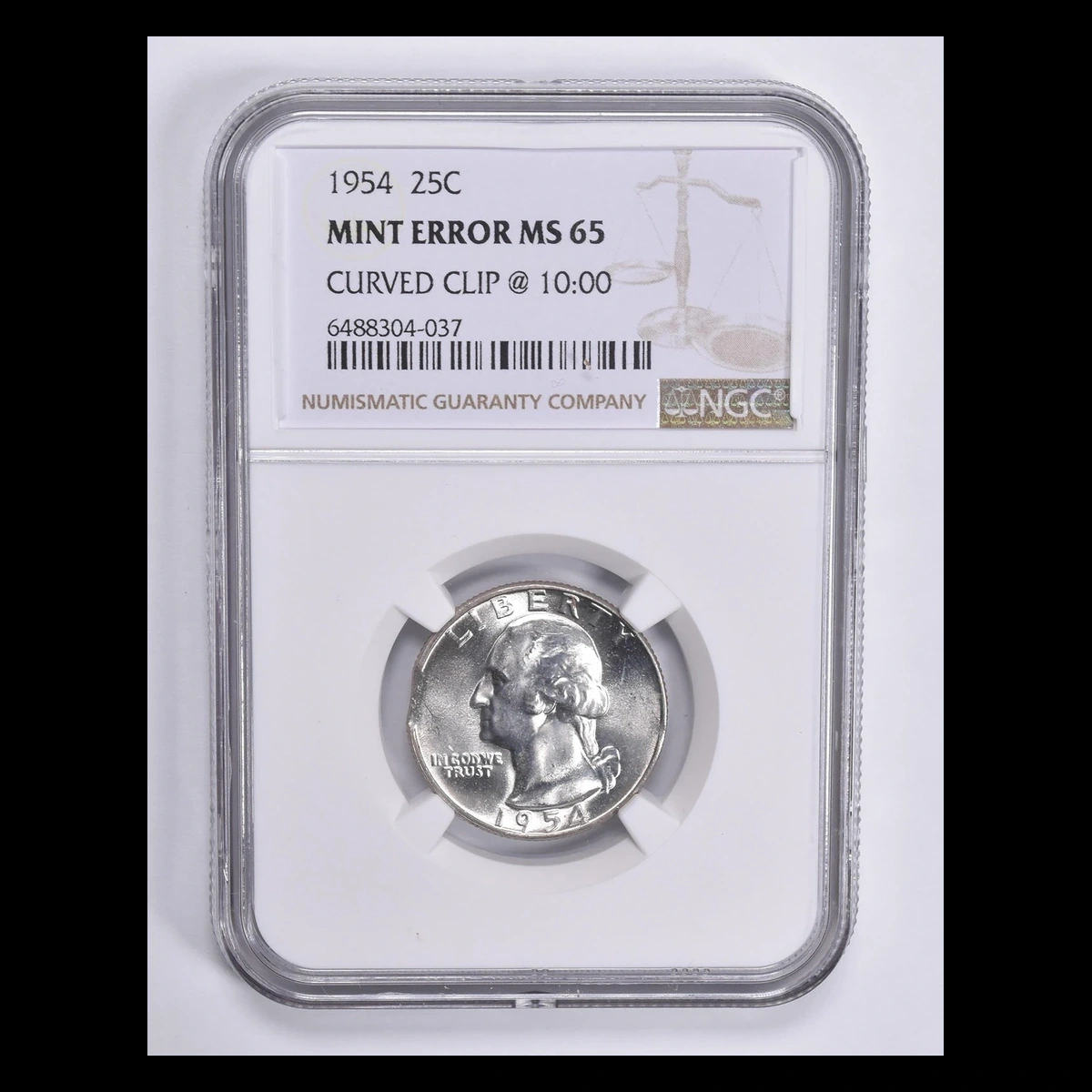
3. 1954 Quarter Reported Clipped Blanks Error
A clipped blank was incomplete before it entered the press. The resulting design formed beside an existing gap rather than being cut through afterward.
The 1954 reports do not establish a fixed gap shape, size, or mint for this category. Each candidate needs its own boundary examined.
How to Identify
Use a side view to inspect the exposed edge for saw marks, file lines, or fresh cuts. Then follow the struck rim into the gap at both ends.
A normal 1954 quarter weighs 6.25 grams. Reduced weight and possible opposite-rim weakness can support examination, but neither alone proves the metal was absent before striking.
What It’s Worth
Authenticated clipped quarters have estimated values of $25–$400. Readable identity and an undamaged original boundary matter alongside the amount missing.
A different 1966 clad quarter with a twenty-percent straight clip sold for $124 in June 2024. Its later date and metal make that a comparison rather than a 1954 silver-quarter result.
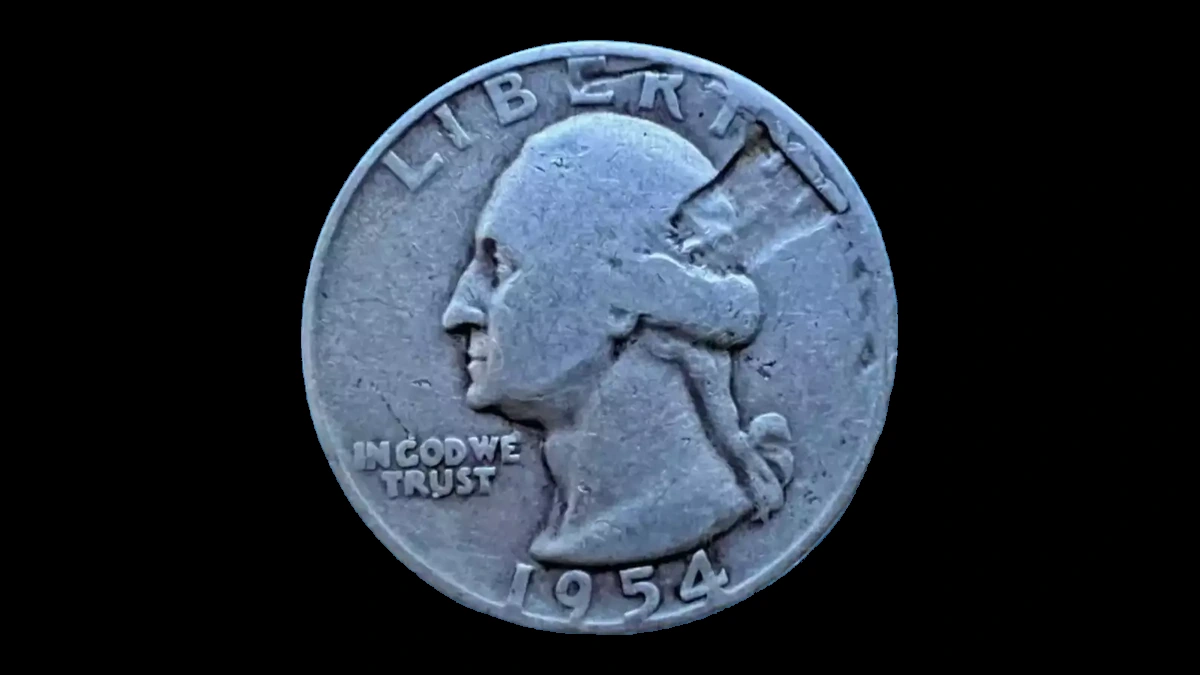
4. 1954 Quarter Lamination and Peeling Silver Error
A weak layer inside the silver alloy can separate as a flap or leave a recessed patch when it falls away. This is the lamination category reported for 1954 quarters.
The coin is silver alloy throughout. It does not contain the bonded outer sheets and copper center of a later clad quarter.
How to Identify
Inspect the thin boundary and its connection to surrounding original design. Digging marks, pushed metal, or corrosion may instead explain a hole made after striking.
Leave any attached flap untouched. Loss of a flake may reduce weight, but the natural separation and remaining surface provide stronger evidence than that measurement alone.
What It’s Worth
Genuine laminations have estimated values of $30–$500. A clear intact layer can be more understandable and collectible than an uncertain rough patch.
A larger opening does not automatically mean greater value. Cleaning, wear, and damage around the separation affect the complete coin.
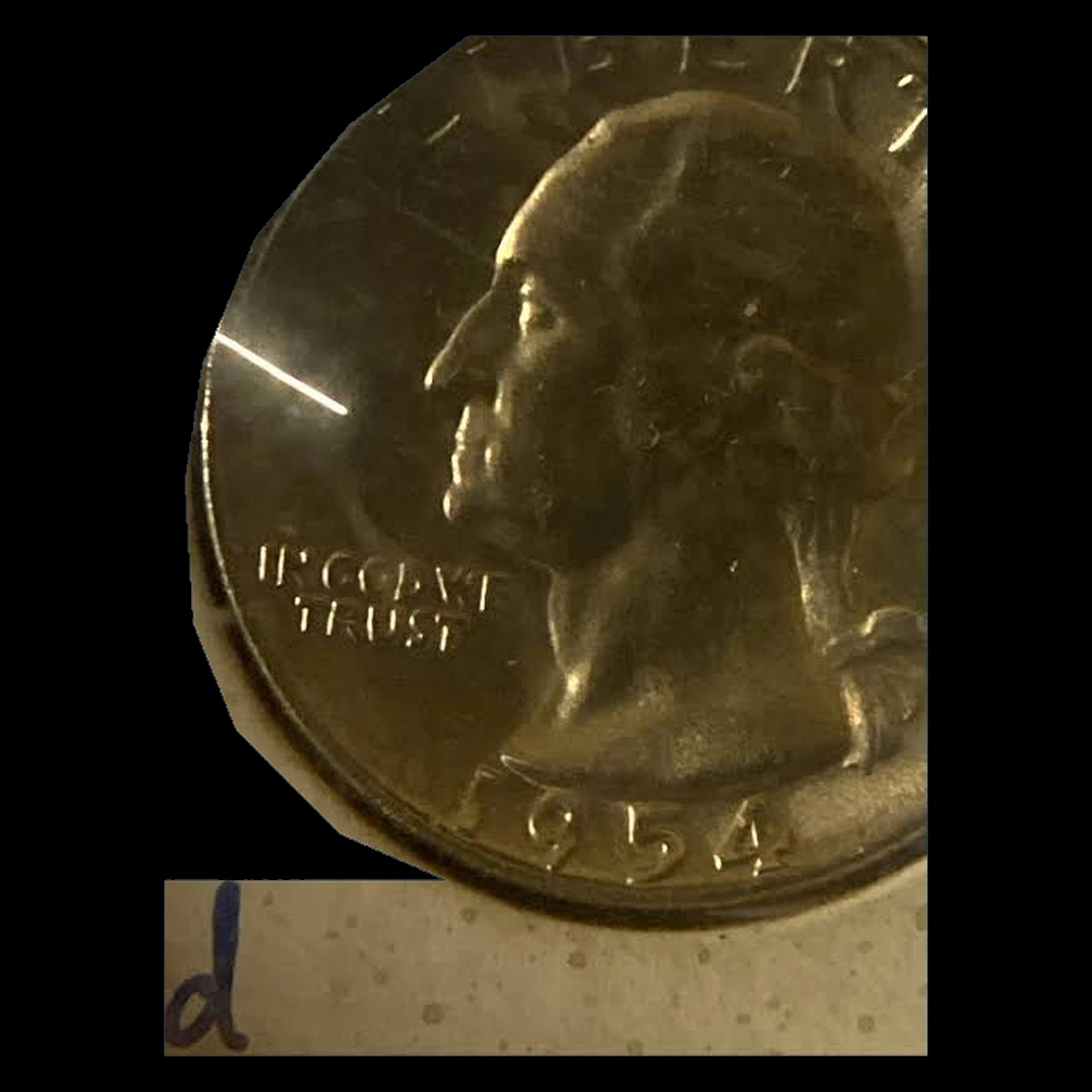
5. 1954 Quarter Doubled Dies on Ordinary and Proof Issues Error
Philadelphia listings include front and reverse varieties on ordinary quarters and separate varieties on Proofs. A Denver front variety is also listed.
The repeated pattern originated in a die and could appear on many coins struck from it. These listings do not establish one coin with every feature or a single diagnostic direction shared by all varieties.
How to Identify
Sort by mint and finish before comparing the suspected repeated details. A Philadelphia Proof, ordinary Philadelphia coin, and Denver variety require different references.
Match several letter ends or design lines to an attributed example. Flat shelves from strike movement and reflections can resemble doubling without reproducing its rounded pattern.
What It’s Worth
Confirmed minor doubled dies have estimated values of $30–$800. Strong separation and clear, original surfaces help support the attribution.
A different 1962 Philadelphia doubled die reached $3,290 in July 2016. Its high-grade result cannot be assigned to a thick-looking 1954 letter or an unmatched Proof feature.
6. 1954 Quarter San Francisco Strike Through String Error
The PCGS MS66 San Francisco example has a front impression attributed to string. The obstruction prevented normal contact between the die and blank along a narrow path.
The catalog describes an impression, not a claim that string remains embedded. A later scratch forms by cutting or displacing metal after the design already exists.
How to Identify
Trace the depression and examine where original detail failed to form. Compare its edges with scratches that cut sharply through completed design or push silver aside.
Photograph the entire front and the impression’s ends, along with the reverse S. Its precise route must come from this specimen rather than a string error from another year.
What It’s Worth
Comparable authenticated string strike-throughs have estimated values of $75–$1,000. The PCGS MS66 example sold for $186 in July 2021.
The impression’s extent and clarity matter alongside its well-preserved unworn condition. Material attached later or an ordinary scratch is not an equivalent error.
7. 1954 Quarter Reported Off-Center Strikes Error
An off-center blank receives only part of the intended design, leaving an unstruck area opposite the lost details. Both faces should fit the same displaced disc.
The reported 1954 category does not assign one percentage to all examples. Each coin needs its own readable date and surviving mint evidence.
How to Identify
Locate the missing outer design and the natural transition to untouched metal. Inspect for grinding, seams, or partially erased letters that could explain a false blank area.
An absent mintmark cannot prove Philadelphia if its location missed the blank. A complete design inside an expanded border may instead point to a broadstrike.
What It’s Worth
Genuine 1954 off-center quarters have estimated values of $50–$1,500. Clear identity and original surfaces help make a dramatic displacement collectible.
A different 1943-S quarter struck thirty-five percent off center brought $2,640 in July 2022. That earlier San Francisco result is not a sale of a 1954 candidate.
8. 1954 Quarter Strike on a Silver Dime Blank Error
The Philadelphia PCGS MS64 example carries a quarter design on a much smaller silver dime blank. Both denominations used the same basic silver alloy, so its pale color does not reveal the mistake.
The smaller disc runs out of space before the outer quarter image is complete. That fit of design to blank must be original.
How to Identify
A silver dime blank normally starts at about 2.50 grams and 17.9 millimeters across. These are standards, not stated measurements of this particular auction coin.
Allow for spreading during striking and inspect the edge for filing or trimming. A naturally crowded design differs from a full-sized quarter cut down after minting.
What It’s Worth
Comparable authenticated silver-dime-blank quarters have estimated values of $500–$2,500. The PCGS MS64 example sold for $990 in September 2024.
Its grade describes an unworn coin with some visible marks. A readable year and appealing remaining design are important when much of the intended image is absent.
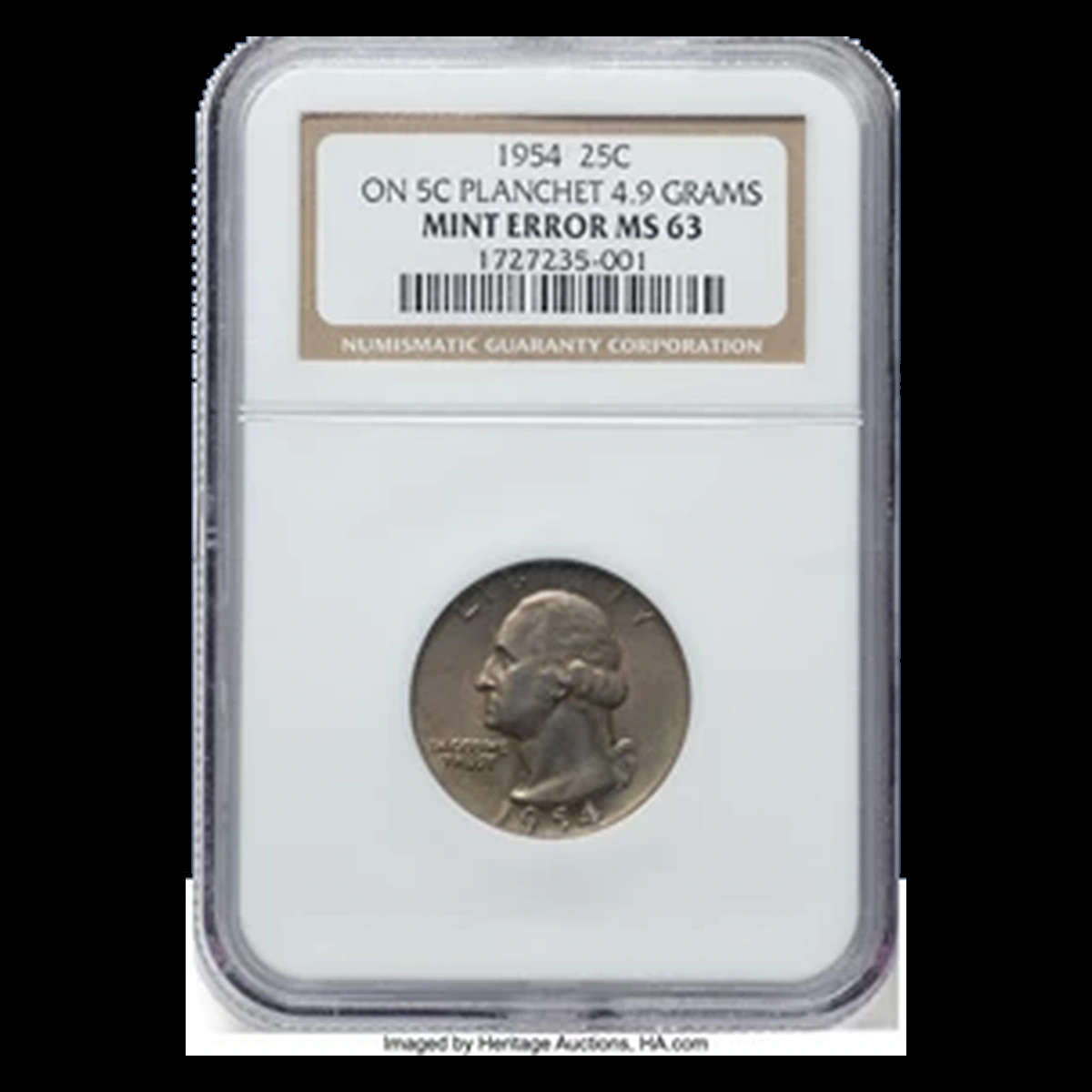
9. 1954 Quarter Strike on a Nickel Blank Error
The former Fred Weinberg Collection Philadelphia example was graded PCGS MS64. Unlike the dime-blank coin, it uses copper-nickel metal instead of the silver alloy expected for a 1954 quarter.
A gray surface does not establish that composition. Normal silver can darken, and a trimmed quarter can also become smaller.
How to Identify
A nickel blank begins near 5 grams and 21.2 millimeters across, with possible expansion during the quarter strike. Assess actual size and weight alongside the original edge and crowded design.
A specialist should confirm copper-nickel composition rather than relying on color. Use documented measurements for a certified coin and leave its holder sealed.
What It’s Worth
Comparable authenticated nickel-blank quarters have estimated values of $600–$3,000. The PCGS MS64 nickel-blank specimen brought $1,440 in September 2024.
That sale concerns a different coin from the $990 silver-dime-blank example. Their blank metals, sizes, and visible designs require separate comparisons despite the shared grade and auction period.
Conclusion
Start with the feature that can be demonstrated: a raised line, an earlier mintmark stroke, a natural missing edge, or quarter detail crowded onto a smaller blank. Each calls for different evidence.
The two wrong-blank sales show why color and grade alone are insufficient. Preserve original surfaces, keep mint and finish attached to variety comparisons, and use the actual metal and design relationship when assessing a substantial minting error.