Rare 1832 Half Dollar Errors (List & Pictures)
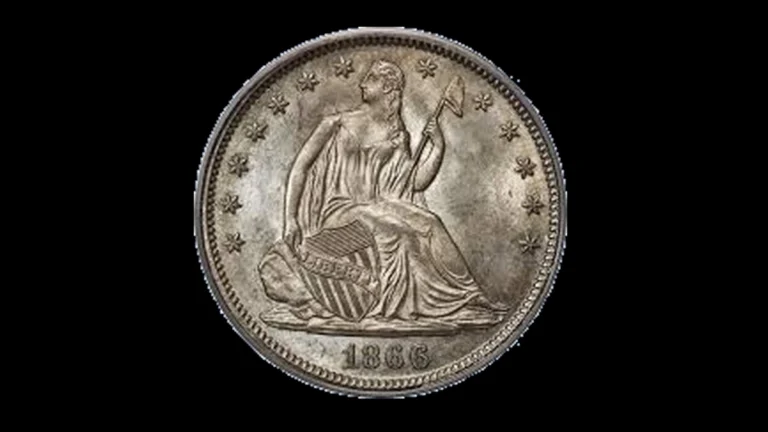
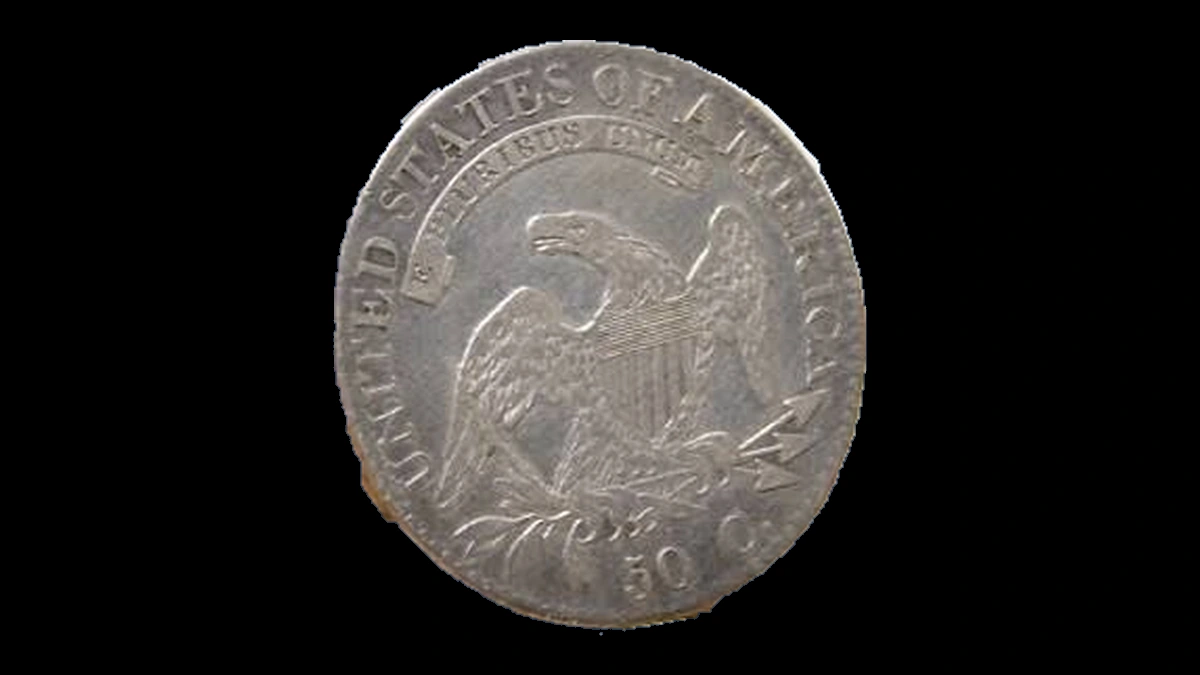
A second eagle image, a raised line, and a small rim defect call for different kinds of comparison. These 1832 half dollar errors have estimated values of $200–$2,000 across the circulated examples discussed below.
The largest supplied auction figure is a $1,450 floor price for a double-struck example in April 2008, with no verified fee-inclusive total. Examine repeated reverse details first, follow front cracks next, and inspect the rim last.
| Visible evidence | Inspection area | Category | Estimated value |
|---|---|---|---|
| Two impressions at different angles | Several details on the back | Double strike with reverse rotation | $1,200–$2,000 |
| Connected ridges across the portrait | Front stars and date | Die cracks | $250–$450 |
| A localized irregularity | Rim and adjoining edge | Minor planchet defect | $200–$350 |
This early half dollar has a lettered edge, rather than the grooves of later silver halves. Its unworn reference weight is about 13.48 grams and its diameter approximately 32.5 mm.
1. 1832 Half Dollar Two Turned Copies of the Back: Double Strike With Reverse Rotation Error
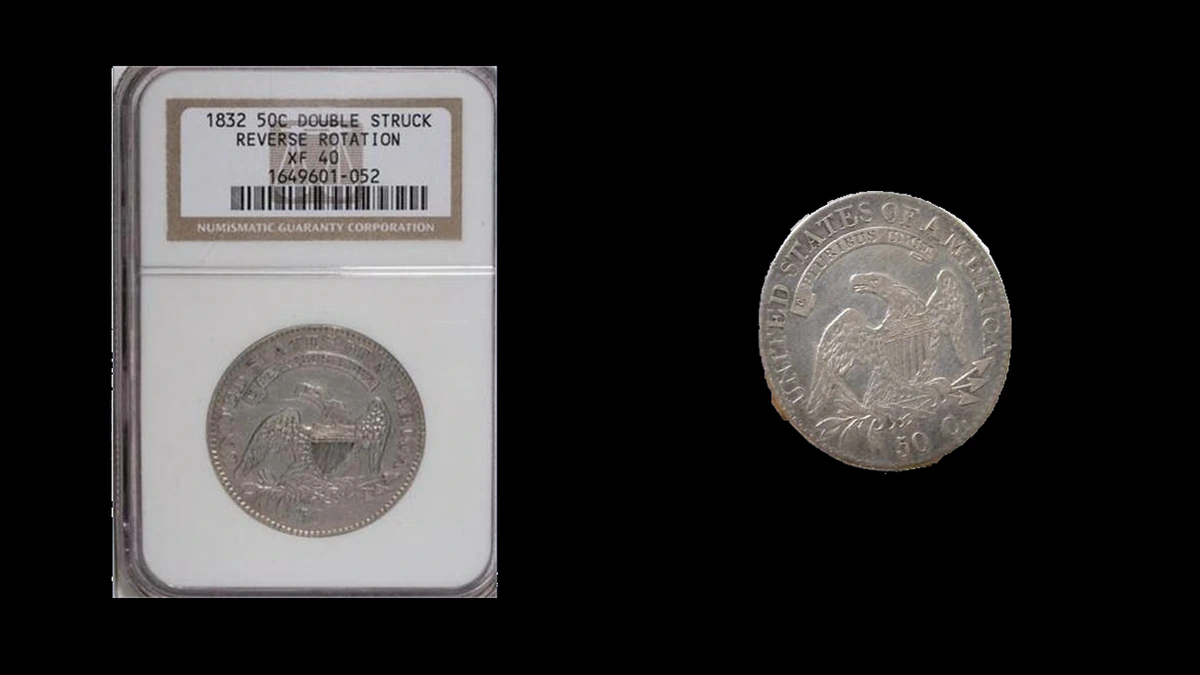
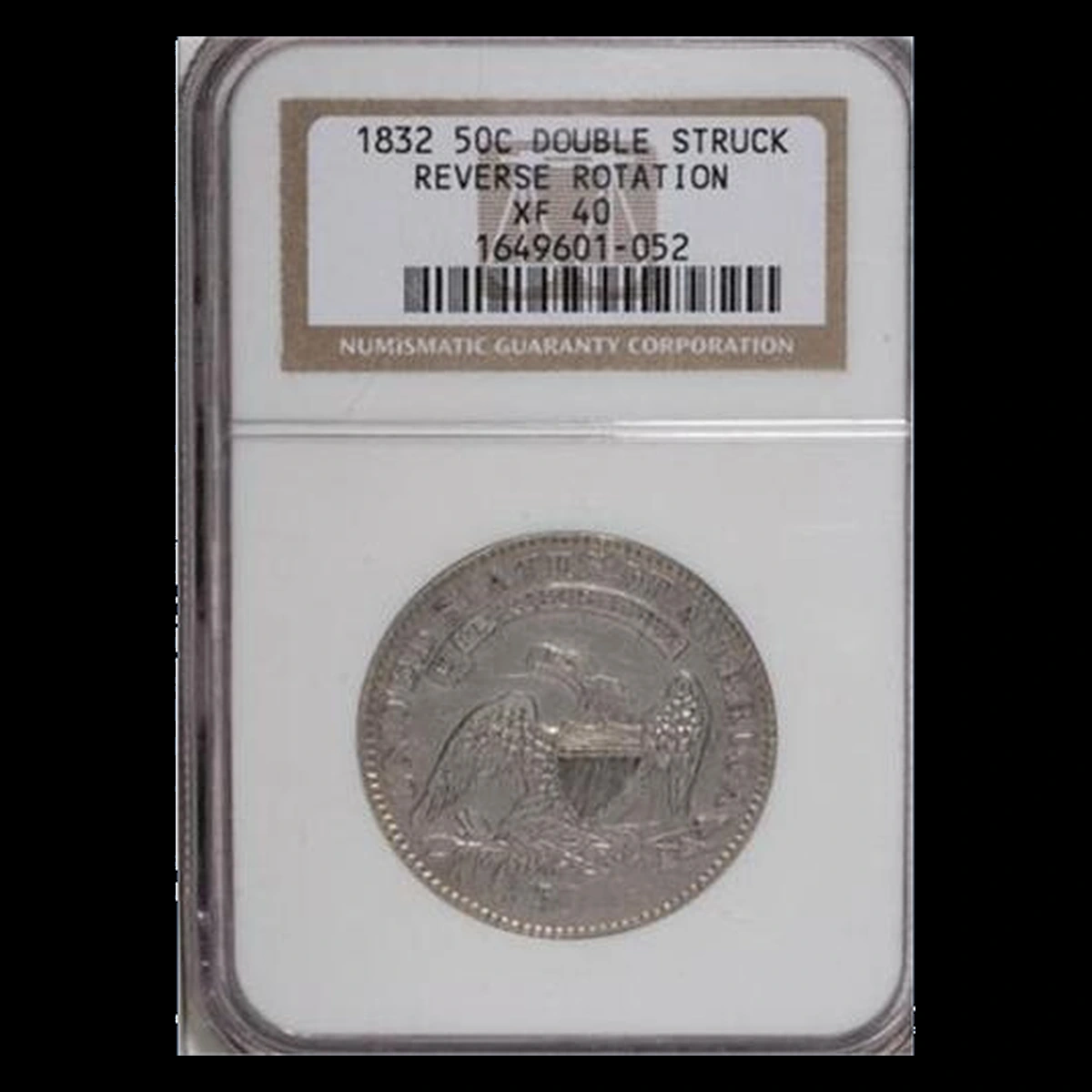
The key question is whether the metal contains two impressions of several reverse features. On the cataloged 1832 O-103 Small Letters example, the second impression is turned relative to the first.
The reverse stamping die moved between blows, leaving the already struck coin with another impression at a changed angle. That sequence explains both the repetition and the different direction of the two images.
How to Identify
Choose several recognizable details on the back and locate the apparent second copy of each. A consistent angular shift should account for all of them.
A single extra edge may be a shallow striking shelf or damage. Multiple repeated details make it possible to test whether a second impression really explains the appearance.
Keep the entire reverse in one photograph, with the outline visible, and retain a matching front view showing 1832. Rotating the picture itself cannot create evidence of a second strike in the metal.
The April 2008 listing describes an NGC XF40 O-103 but gives no exact rotation angle. A reverse that is merely tilted relative to the front, with only one image, would require a different diagnosis.
What It’s Worth
Estimated range: $1,200–$2,000 for similarly circulated examples with a legible second impression. XF40 means wear is present but substantial detail remains.
Heritage’s April 2008 archive gives a $1,450 floor price for the reference coin. Without confirmed sale terms, that figure is not presented here as a total including the buyer’s fee.
The clarity of the overlapping designs matters when making a comparison. A similar grade with only vague extra edges may not offer the same visual appeal.
2. 1832 Half Dollar Ridges Linking Several Stars: Die Cracks Error
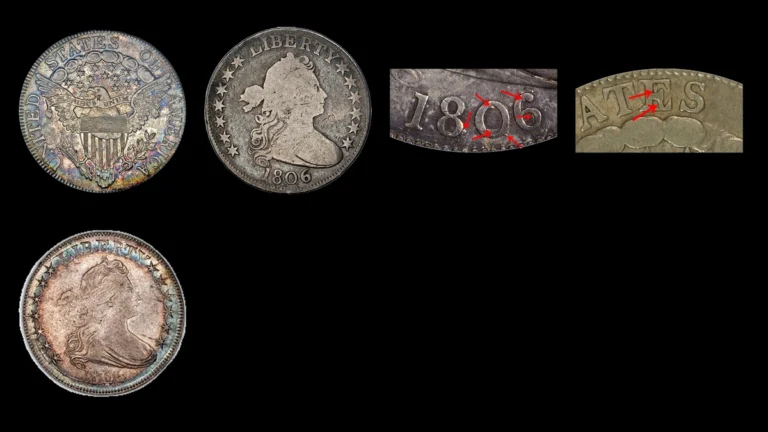
O-120a has a network worth tracing as a whole. One front line extends from above star 3 toward star 12, another links star 5 with star 10 and the edge, and a third follows the date’s lower boundary left beneath the bust.
These raised routes reproduce fractures in the steel die. Silver entered the fractures as the normal portrait was stamped, leaving thin ridges across that portrait.
How to Identify
Count the stars from the lower left and mark out the two cross-portrait routes separately. This is easier than trying to identify the whole network from one dark line in a photo.
Next locate the lower-date route and its continuation below the bust. Agreement at all three places is more useful than one matching star connection.
Illuminate the surface from the side to establish that the lines stand up from it. A scratch usually leaves a cut and disturbed metal instead of reproducing the known raised routes.
The catalog also mentions weak eagle tail feathers. That accompanying detail can help compare the complete coin, but it is not itself one of the front die cracks.
What It’s Worth
Estimated range: $250–$450 for similarly preserved circulated O-120a examples. CNG recorded a $275 price in August 2025, with its stated twenty-percent buyer’s fee bringing the total to $330.
CNG described the coin as AU, meaning lightly worn, rather than giving a numerical grading-service grade. Surface damage and weaker surviving detail can make another example a less direct comparison.
3. 1832 Half Dollar A Small Uneven Area at the Rim: Minor Planchet Defect Error
An ANACS XF45 example was listed with a minor rim planchet defect, meaning a localized problem in the original metal blank. The description does not identify its exact position or a narrower defect type.
GreatCollections listed such a coin in March 2025, followed by a Pristine listing with the same grade and description. Matching words alone cannot establish that these were the same specimen.
How to Identify
Look across the rim from the side, then examine the affected area from each face. The relationship between the irregular silver and the struck border is more informative than its color.
Later impacts tend to compress or displace the rim, while filing can leave a pattern of tool marks. Compare those possibilities with a defect that was already present when the coin received its design.
Keep the description modest unless the evidence supports more. Neither “curved clip” nor “deep split” follows automatically from the words minor rim flaw.
What It’s Worth
Estimated range: $200–$350 near XF45, a circulated grade with clear remaining detail. The flaw should be comparably small for the reference to be useful.
The July 2025 Pristine result shows a $225 winning bid plus a $38.25 buyer’s fee, totaling $263.25. The GreatCollections listing had a hidden price, so it supplies no second amount.
Conclusion
Use repeated reverse features to test a second strike, several connected landmarks to identify cracks, and the rim’s surface shape to investigate a blank flaw. Their visible clues explain different events in making the coin.
The overall estimate is $200–$2,000. The $263.25 and $330 examples include stated fees, while $1,450 remains an archived floor figure, so keep those price labels attached to the comparisons.