Rare 1896 Penny Errors (List & Pictures)
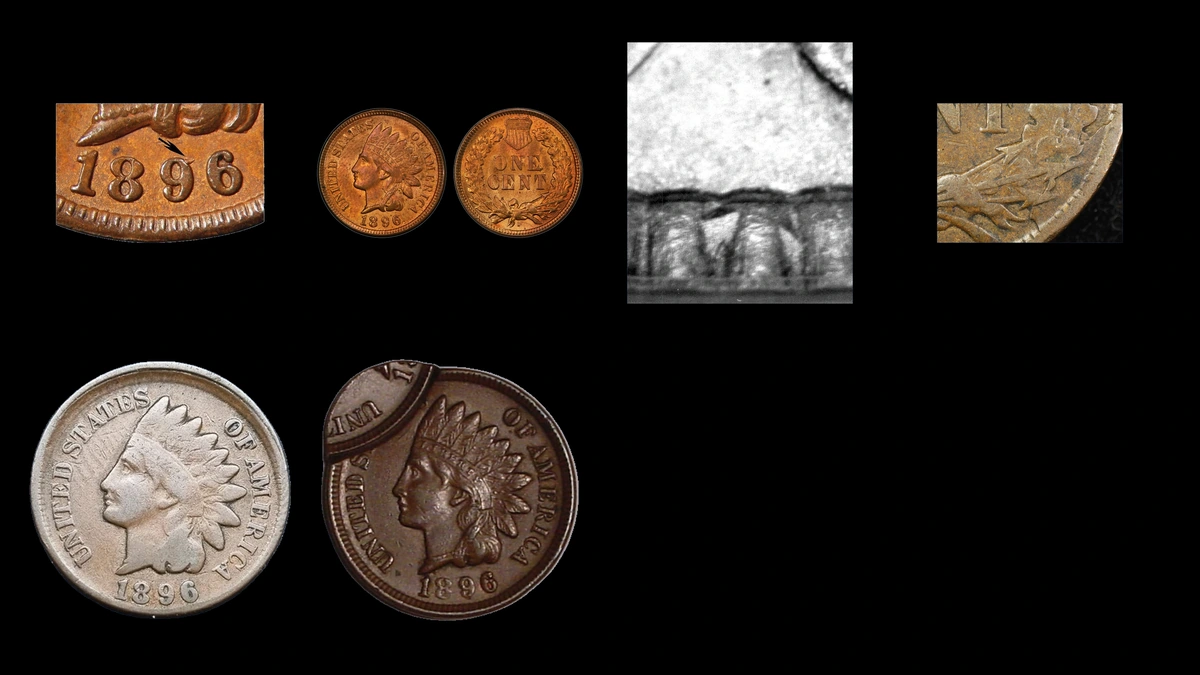
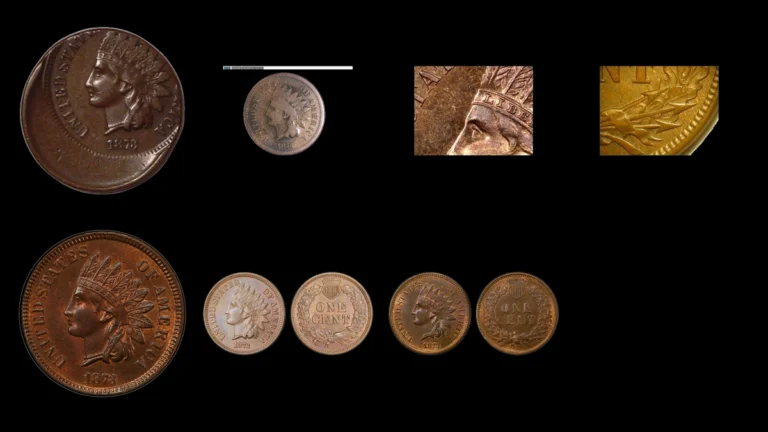
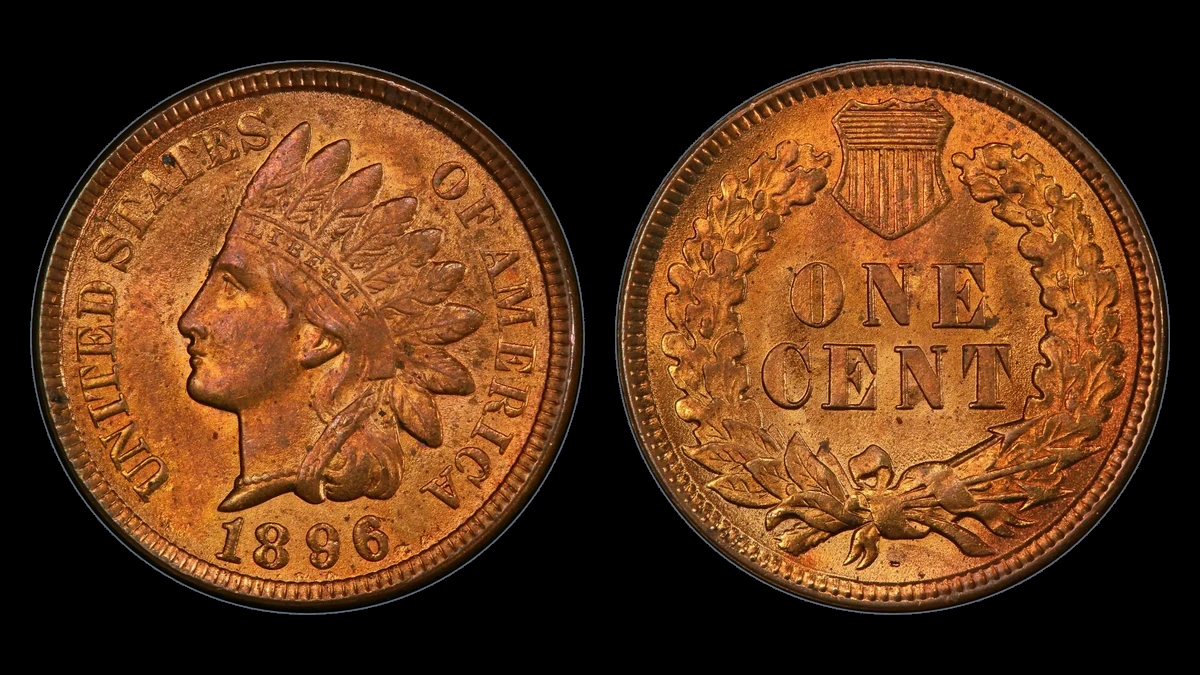
Small date-punch details and large displaced strikes both belong among 1896 penny errors, with estimated values of $5–$5,000. A same-year 10% off-center cent sold for $159 in June 2023, while the highest supplied completed-sale comparison is $4,080 for a different-year 1908 double-struck Indian cent in June 2024.
Begin with the shape of any extra date stroke, then examine the rim, missing metal, and larger strike patterns.
| Visible clue | Possible identification | Estimated range |
|---|---|---|
| Straight line inside 6 | Cataloged minor die feature | $5–$150 |
| Wing-like corner on 9 | Flying 9, Snow 21 | $20–$1,500 |
| Extra digit strokes or border numerals | Repunched or misplaced date | $10–$1,500 |
| Repeated broader front design | Reported doubled die | $25–$1,500 if confirmed |
| Raised break or missing edge | Die damage or clip | $5–$1,000 |
| Expanded, displaced, or repeated design | Broadstrike, off-center, or double strike | $50–$5,000 |
A normal bronze 1896 cent weighs about 3.11 grams and measures 19.05 millimeters across its plain edge. Dimensions help assess the blank, but a small variety attribution rests on the actual raised shape and its location.
Use angled light and a magnifier without cleaning or probing the feature. Keep certified pieces in their holders and record each specimen’s own measurements.
1. 1896 Penny A straight bar crosses the upper 6: Cataloged Die Line Error
The example listed as RPD-019 has a straight raised line within the upper part of 6. Its form does not follow the curve expected from another impression of that digit.
A cut or deep line in the die could also leave raised metal on later coins. The catalog label identifies a reference, but does not settle the formation mechanism.
How to Identify
Compare the line’s path with the normal 6, following it to both ends under changing light. Confirm that it is raised rather than a scratch in the coin.
Match the original RPD-019 photograph without turning a straight bar into an imagined curved numeral. The visible feature supports a more limited description than the label might suggest.
What It’s Worth
An identifiable example is estimated at $5–$150. This is a whole-coin range for a minor die feature, influenced by wear and clarity.
It should not automatically receive a confirmed repunched-date premium. Corrosion or an unrelated scratch can make the small feature harder to establish.
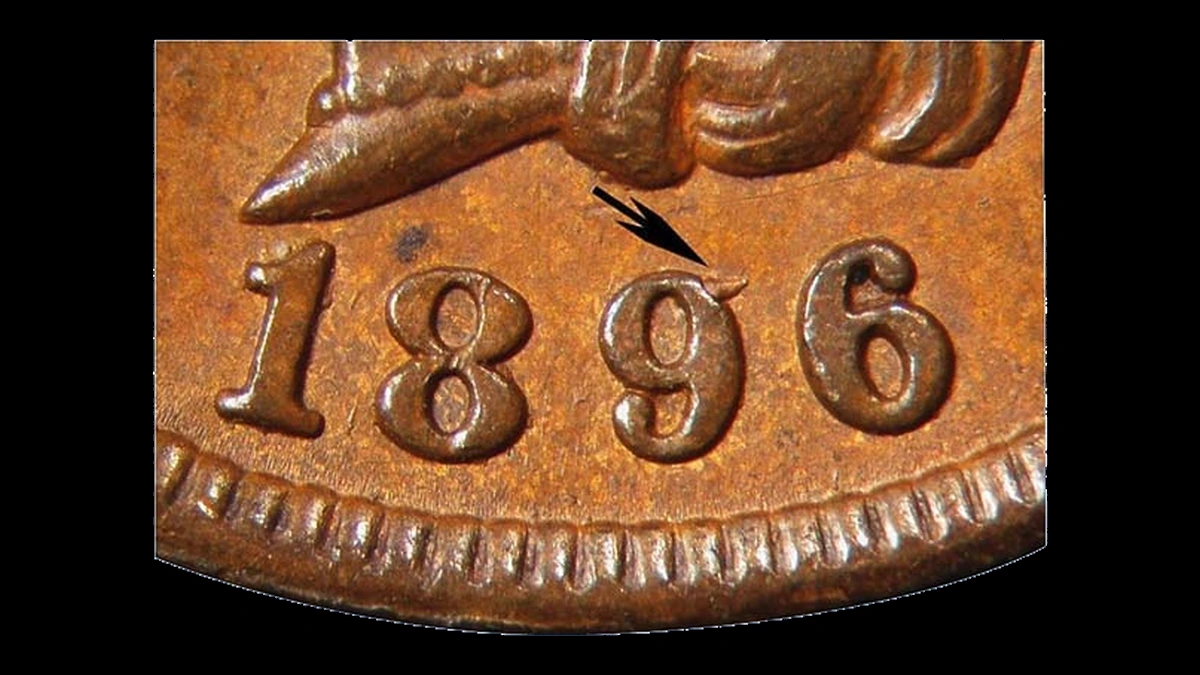
2. 1896 Penny A small corner projects from the 9: Flying 9 Error
The Flying 9 nickname describes a wing-like projection at the digit’s upper-right edge. The feature is associated with Snow 21.
Its shape is recognizable even though specialists have disagreed about its origin. A proposed damaged date-punch fragment does not establish a 9-over-5 overdate.
How to Identify
Keep the normal 9 upright and inspect the point where the projection joins it. A loose particle or separate scratch should not be treated as part of the digit.
Compare the actual corner with the published original Flying 9 example. Do not require or invent a complete hidden 5 to explain the nickname.
What It’s Worth
Identified Flying 9 cents are estimated at $20–$1,500 across worn through attractive high-grade examples. Visibility of the projection and the rest of the coin’s surfaces matter.
No auction record for Snow 21 is assigned here. The range reflects the complete coin, not a premium for an unsupported overdate story.
3. 1896 Penny A curved extra stroke follows a date digit: Repunched Date Error
Repositioning the date punch could leave parts of two numeral impressions on a die. FS-301, also called Snow 1, shows an extra stroke to the right of 6.
Other 1896 varieties affect 8, 9, or several digits. The same obverse die could also be used with different reverse dies, which matters when matching complete catalog identities.
How to Identify
For FS-301, find a separate curved stroke rather than a vaguely thick outline around 6. Compare the reverse pairing as well as the date when the catalog distinguishes them.
Some early extra detail on 1 becomes weaker later. Use the relevant die-state reference rather than assuming every weak stroke identifies another variety.
For other patterns, inspect each affected numeral independently. The remnant should preserve digit structure rather than a flat shelf beside it.
What It’s Worth
Repunched-date cents are estimated at $10–$1,500 across varieties and grades. The range includes the ordinary value of the underlying coin.
PCGS records $92 in March 2012 for an FS-301 graded MS63 Red and Brown. That older sale belongs to one unworn example rather than establishing a price for every extra date stroke.
4. 1896 Penny Part of a digit hides in the border: Misplaced Date Error
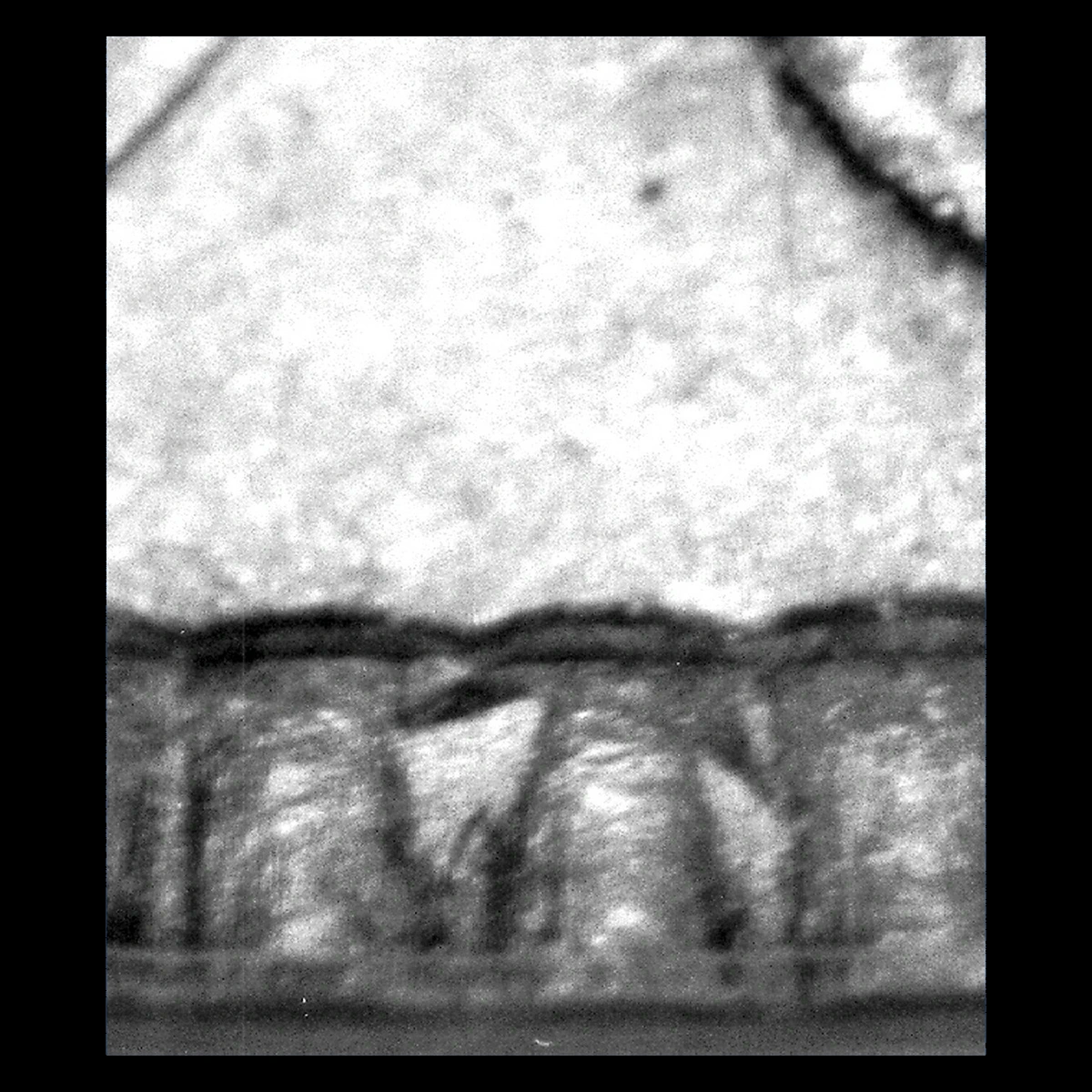
On Snow 10, the top of another 6 lies below and slightly left of the normal digit, among the small inner-border teeth. The date punch had contacted the die too low before the final date was positioned.
Other varieties place different remnants elsewhere, including parts of 1 and 8 below and right of the normal 8. An accompanying repunched numeral is a separate feature.
How to Identify
For Snow 10, inspect the border directly below the normal 6 and compare the partial numeral’s shape. Any isolated curved border mark is not enough to establish it.
Also examine the accompanying repunch above the lower loop of the normal 6, keeping it distinct from the misplaced border digit. Other misplaced dates need their own references.
Look for reshaping at the edge that could create a false numeral remnant. Position and recognizable digit structure must agree.
What It’s Worth
Complete coins with identified misplaced dates are estimated at $25–$1,500. Wear and the clarity of the small remnant strongly influence the comparison.
A 1908 Indian cent FS-301 graded MS65 Red and Brown has a recorded $1,187 eBay result from December 2021. That different date and variety offers context for an attractive example, not an 1896 sale.
5. 1896 Penny LIBERTY and the date show broader repetition: Reported Doubled Die Error
The 1896 obverse report concerns repeated design around LIBERTY and the date. A doubled die carries that repetition before striking coins.
Date punching is a separate preparation step, so a repunched numeral alone cannot establish doubling across the broader design. The report needs a specific confirmed match.
How to Identify
Compare letter corners in LIBERTY with an ordinary 1896 coin of similar wear. Look for corresponding raised repeated outlines rather than simply a thicker-looking word.
Assess the date separately to decide whether its effect belongs to the same design doubling or only to another date punch. Flat mechanical shelves and wear can imitate extra edges.
What It’s Worth
A properly confirmed example has a conditional estimate of $25–$1,500. This is not a certified sale record tied to a proven DDO001 attribution.
An established 1887 Indian cent FS-101 doubled obverse sold for $1,380 in June 2025. Its different variety and strength provide comparison only after the proposed 1896 feature is established.
6. 1896 Penny A rim patch or shifted section interrupts the reverse: Die Breaks Error
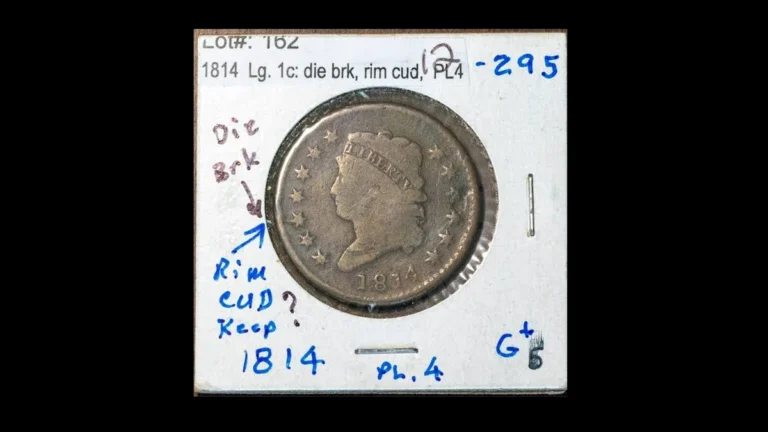
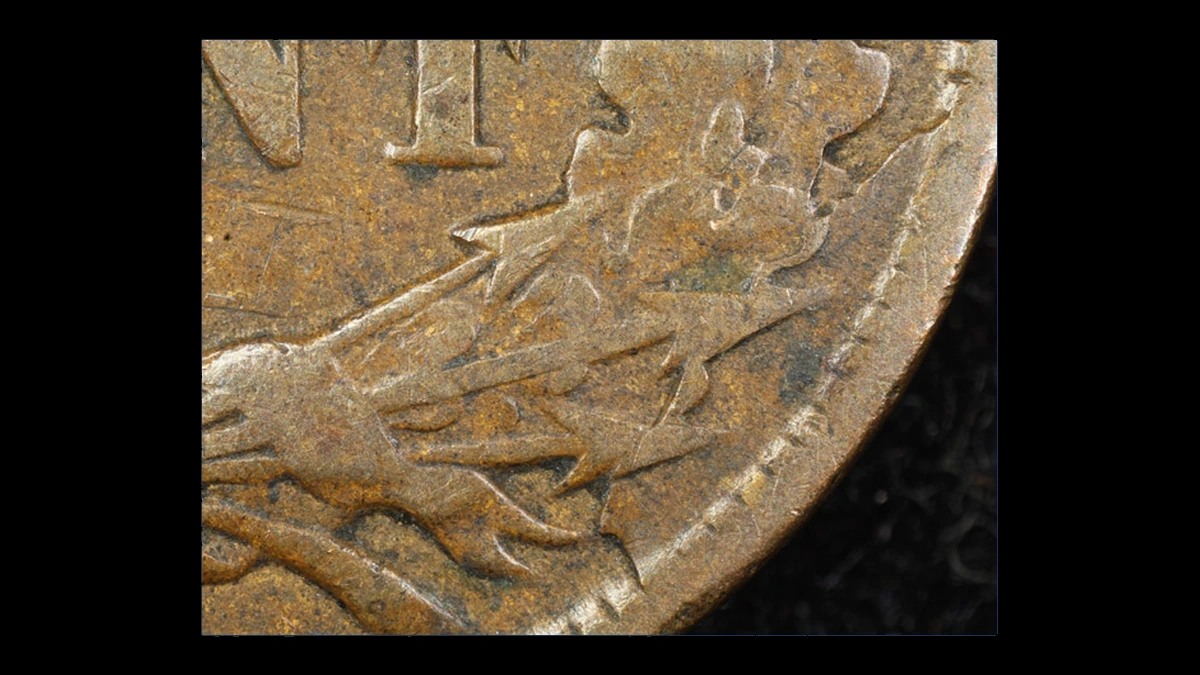
One 1896 reverse has a small raised break at the top, spanning roughly 11:30 to 12:30. Missing die metal allowed copper to fill that space.
A separate die developed multiple cracks and later a retained lower-left break near 7:15 to 8:45. The broken section remained in place and could still stamp design after shifting.
How to Identify
Orient the reverse upright and establish which pattern is present. The top rim break and lower-left retained section should not be combined into one coin’s diagnosis.
Look for surviving design inside the retained area and compare its height with the surrounding surface. Crushed details from an edge impact need a different explanation.
What It’s Worth
Small cracks are estimated at $5–$75; clear larger rim breaks at $75–$750. These are whole-coin estimates based on feature strength and preservation.
No individual auction result is assigned to either recorded die here. A faint line does not automatically receive the range associated with a conspicuous shifted patch.
7. 1896 Penny A curved piece is absent from the edge: Clipped Planchet Error
A blanking punch overlapping an earlier hole in the metal strip can create an incomplete blank with a curved gap. Striking then forms the cent design around that missing section.
The documented ANACS VF25 example weighs 3.01 grams. Neither a missing-metal percentage nor a clock position is established by that measurement.
How to Identify
Inspect the ends of the curve and the relationship of rim and lettering to the gap. Natural metal flow differs from cuts or filing through finished detail.
Opposite-rim weakness may provide supporting evidence. A low weight alone does not distinguish a mint clip from later removed metal.
Measure across an intact span to compare the original diameter. The known 3.01-gram reading belongs to the worn VF25 coin specifically.
What It’s Worth
Genuine 1896 curved clips are estimated at $50–$1,000. Size, condition, and the clarity of original boundaries determine the useful comparison.
A 1939 Lincoln cent clip graded MS64 Brown sold for $180 in January 2023. That later design and higher-grade specimen is context, while the 1896 VF25 example has no assigned realized sale here.
8. 1896 Penny The complete design lies within extra width: Broadstrike Error
A failed collar allows the blank to spread beyond its normal outline during striking. The intended design can remain complete inside the larger metal area.
An NGC MS64 Brown 1896 example appeared in a 2020 Heritage auction. Its existence does not supply an unverified realized price.
How to Identify
Follow the outer letters around both faces, particularly toward the widest area. A true broadstrike retains the whole design rather than losing part beyond the blank.
Inspect for hammered edges, flattened letters, or repeated impact marks from later widening. Original spreading redistributes metal without adding weight.
What It’s Worth
Authenticated broadstrikes are estimated at $50–$1,500. Preservation and the clarity of natural expansion influence the comparison.
A 1900 Indian cent labeled broadstruck sold for $207 in 2006, but also had additional flaws and possible slight off-center striking with lamination. That combination is a limited comparison rather than a clean single-error result for 1896.
9. 1896 Penny An incomplete design borders untouched metal: Off-Center Strike Error
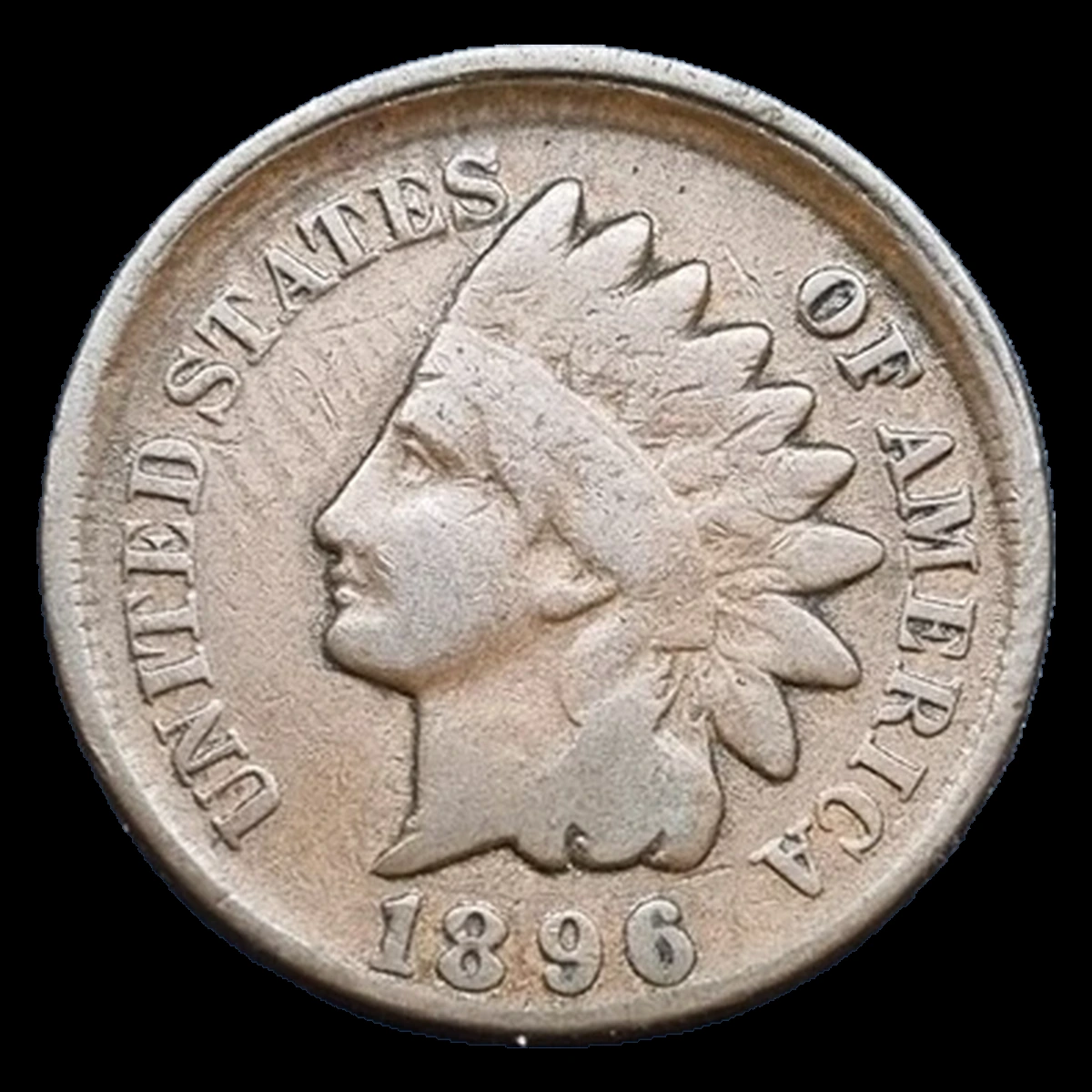
The recorded examples include a 35% shift toward the left and a separate approximately 30% shift toward 1:30. The latter loses part of OF AMERICA and the right wreath.
A smaller 10% example also appears in the auction record. Their different missing details reflect different blank positions, not stages of one die.
How to Identify
Establish the surviving year and orient the particular design loss. The 30% example’s missing words and wreath area should not be assigned to the left-shifted coin.
Inspect the original blank crescent for grinding and follow a letter to where it runs out of metal. Both faces should fit one displaced blank rather than a later cut or one-face misalignment.
What It’s Worth
Genuine examples are estimated at $100–$2,000. Date visibility, surfaces, and visual impact matter alongside the percentage.
The 10% off-center 1896 cent graded AU50 sold for $159 at Heritage on June 12, 2023. That lightly circulated specimen’s sale is not a transaction for the separate 30% or 35% coins.
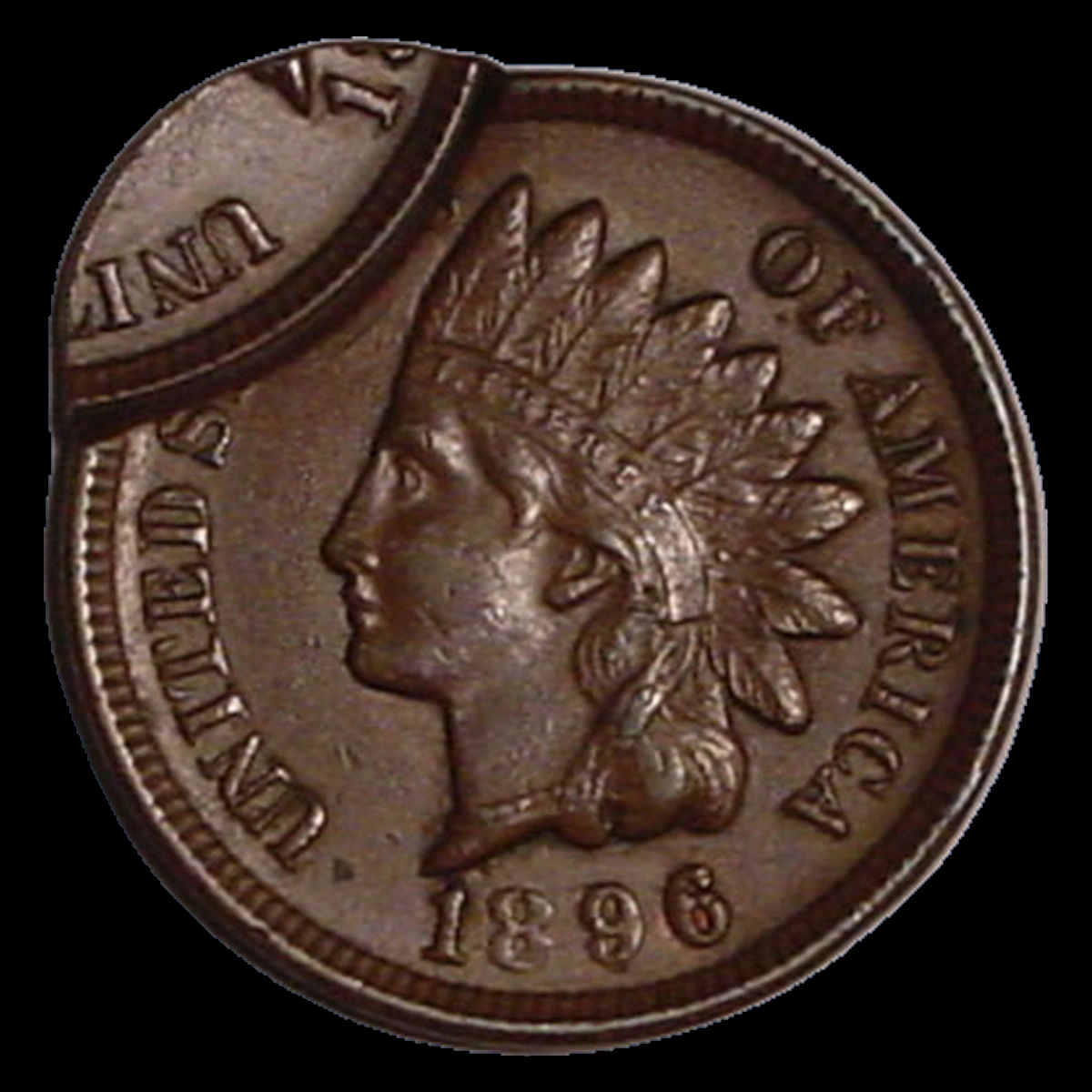
10. 1896 Penny A second displaced image crosses the first: Double Strike Error
A coin that fails to exit normally can move before another strike. One documented 1896 example has a second strike about 70% off center and an AU55 grade.
A different coin has an 85% off-center second impression toward roughly eleven o’clock. Each extra impression contains portions of the larger coin design rather than merely another date-punch stroke.
How to Identify
Trace the first design through the overlap and identify where the later strike covers or flattens it. The second impression should have a coherent placement of its own.
A small doubled letter cannot establish this sequence. Inspect the edge and surface for artificial pressing, and keep the two recorded percentages and directions separate.
What It’s Worth
Authenticated double strikes are estimated at $300–$5,000. Readable sequence, wear, and original surfaces affect the comparison.
A 1908 Indian cent with a 55% off-center second strike, graded MS62 Brown, sold for $4,080 in June 2024. That same-series comparison does not assign a transaction amount to either documented 1896 example.
Conclusion
The straight line inside 6, the Flying 9 projection, and a misplaced border digit need different explanations even though each sits near the date. Let the shape and its documented position determine the name.
For larger errors, distinguish missing metal from missing design and one displaced strike from two separate impressions. Keep each specimen’s measurements and auction history together so that the price comparison follows the actual evidence.