Rare 1900 Half Dollar Errors (List & Pictures)
An incomplete design is easier to notice than a tiny extra date stroke, but neither alone explains the highest price among these 1900 half dollar errors. That distinction belongs to an exceptional 1900-S sold for $57,500 in August 2010.
Estimated values span $160–$60,000, with the top range restricted to superb preservation. Check the coin’s outline, examine the front surface, then magnify the date and raised lines.
| Observation | Place to inspect | Error | Estimated value |
|---|---|---|---|
| Missing design beside unstruck metal | Both faces of a 1900-O | Off-center strike | $3,000–$5,500 |
| A thin layer lifting behind the head | Front near nine o’clock | Lamination | $160–$300 |
| Extra strokes below 1 and 9 | Philadelphia date | Repunched date | $250–$500 |
| A ridge across the lower bust | 1900-S front and smaller reverse cracks | Die cracks | $50,000–$60,000 at exceptional MS67+ quality |
Read the mintmark below the eagle before comparing small features: O is New Orleans, S is San Francisco, and no letter indicates Philadelphia. A normal unworn half is about 12.50 grams and 30.6 mm across, with grooves around the edge.
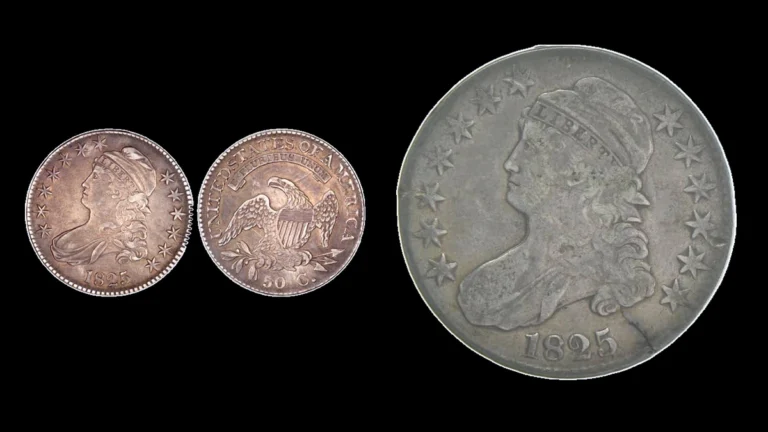
1. 1900 Half Dollar Part of the Picture Misses the Coin: Off-Center Strike Error
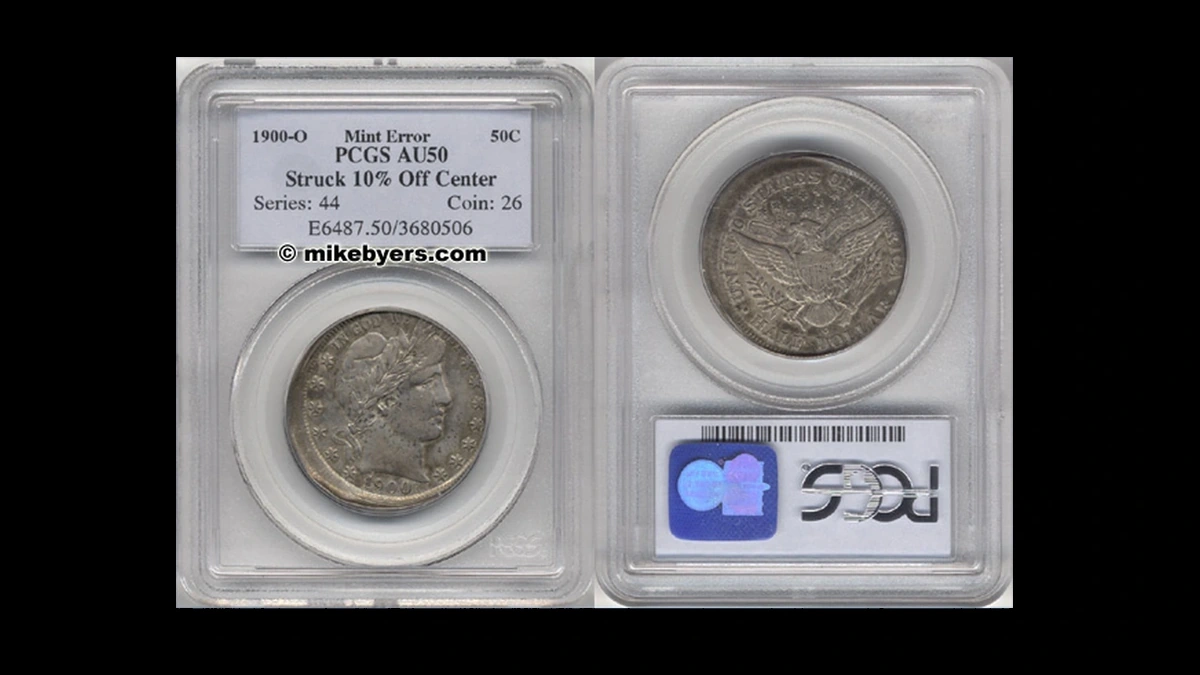
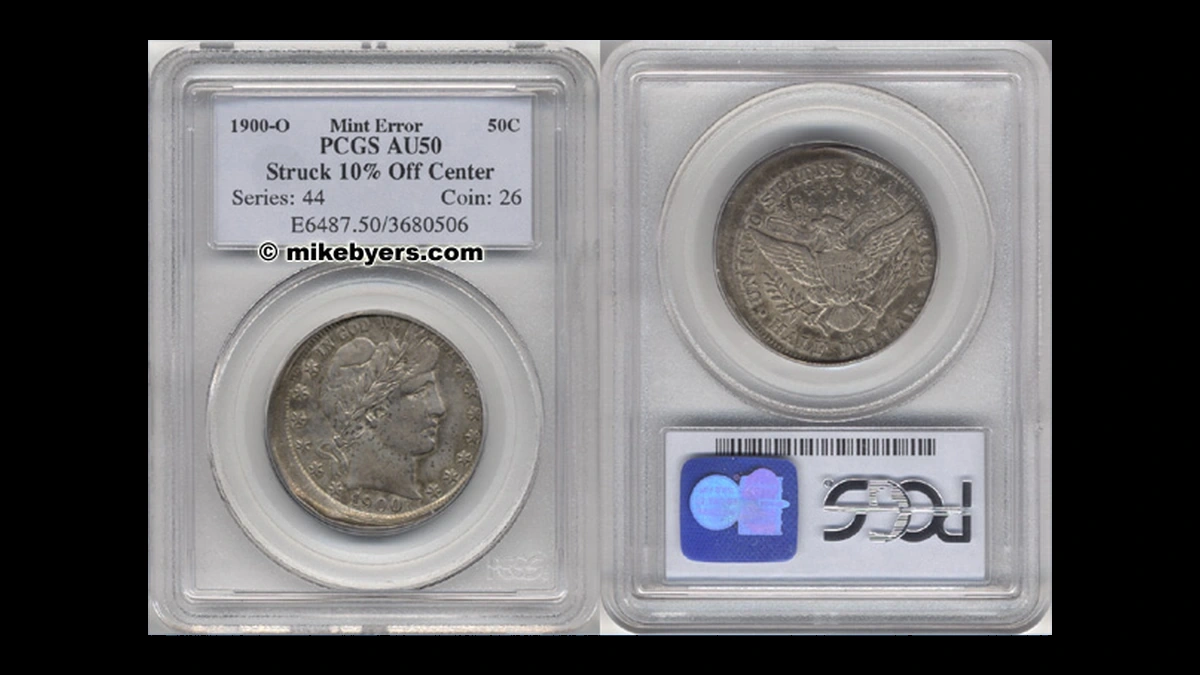
The documented New Orleans coin has an incomplete design beside an area left blank. Mike Byers identifies it as a 1900-O struck 10% off center and certified PCGS AU50.
The blank sat away from its intended position when the dies, the steel stamping tools, came together. Both faces should show the consequences of that same displacement.
How to Identify
Compare the boundaries of struck design and plain metal on both faces. An uneven rim on only one side can result from a misaligned die instead of an off-center blank.
Keep the entire outline visible while examining the blank area. Metal cut from a finished coin is different from metal that was never reached by the design.
Read 1900 and the O before selecting this comparison. The direction of the displacement should be taken from the actual photographs, not assumed from another off-center coin.
Inspect the surviving edge for filing, and record an accessible coin’s weight and outline measurements. Off-center striking can distort the shape, so the full evidence matters more than one diameter reading.
What It’s Worth
Estimated range: $3,000–$5,500 for a similar 10% off-center 1900-O with light wear. The Byers listing is marked sold but does not display a selling price.
A different-date 1896-S, also 10% off center, was offered at $4,820.40. Its AU Details description indicates light wear plus a surface problem.
That offer supplies context rather than a completed sale for the 1900-O. Compare the extent of missing design, the readable date, and surface condition before choosing a value.
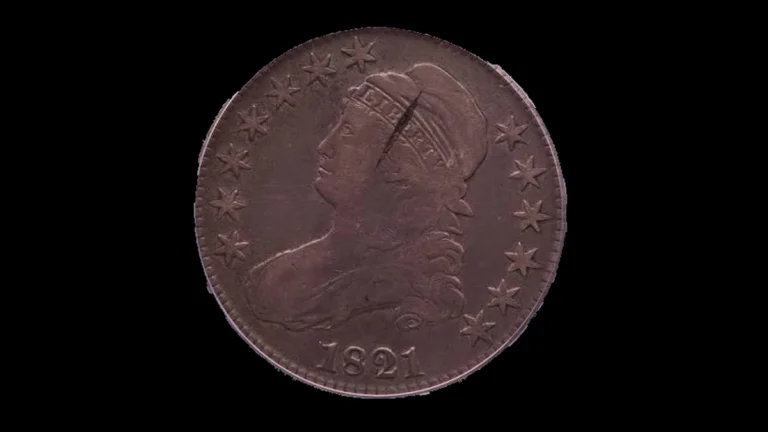
2. 1900 Half Dollar Metal Peels Behind Liberty: Obverse Lamination Error
For the reported Philadelphia example, inspect behind Liberty’s head near nine o’clock with the portrait upright. The dealer described a front-side separation and assessed the coin as VF30.
This is called lamination: a weakness in the silver and copper mixture lets a thin layer detach. A flap may remain connected, or a shallow uneven patch may mark where it came away.
How to Identify
Focus on the border between the affected patch and the intact surface. A visible layer separating from the coin is more useful evidence than rough color or isolated pits.
A gouge pushes or removes metal in a different way, while corrosion can leave scattered cavities. Move the lamp low across the area to inspect its structure.
Leave a loose flap in place. Pulling it upward could remove the evidence you are trying to understand.
Check the reverse for no mintmark to match the Philadelphia report. The seller’s VF30 opinion describes moderate wear; it is not an independent certification of the flaw.
What It’s Worth
Estimated range: $160–$300 for a moderately worn 1900 with a clear, modest lamination. An ordinary PCGS VF30 half sold for $192 at Heritage on April 29, 2025.
That result supports a date-and-condition comparison, not a price for peeling metal. A heavily worn 1912-S with an attached lamination brought $89 in March 2026 and supplies a separate error-type comparison.
No completed price is supplied for the reported 1900 lamination itself. The two reference coins therefore answer different parts of the valuation question.
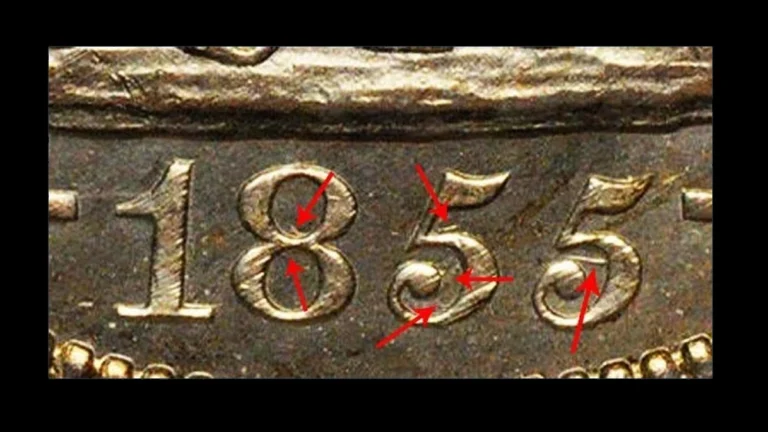
3. 1900 Half Dollar Earlier Strokes Sit Under 1 and 9: Repunched Date Error
The reported Philadelphia variety retains date fragments below the first two digits. The description “southward” means downward when the portrait and date are upright.
A worker applied the date punch more than once in slightly different positions on the die. The final impression left pieces of the earlier numbers visible.
How to Identify
Photograph the complete date with some open surface and the nearby rim teeth. Then magnify the areas beneath 1 and 9 without losing their relationship.
The remnants should resemble parts of those earlier digits. A sharp cut, a flat ledge from movement during striking, or metal pushed up by a hit is not the same structure.
Confirm that the reverse has no mint letter. New Orleans and San Francisco dates require their own references instead of inheriting the Philadelphia pattern.
The normal date remains 1900. Small repeated strokes do not establish an older year beneath it or prove that the coin itself was struck twice.
What It’s Worth
Estimated range: $250–$500 for a matched Philadelphia example with slight wear. A regular PCGS AU53 brought $300 at Heritage on January 21, 2025.
AU53 describes light circulation wear, making that sale a condition reference for the whole coin. It does not measure an additional premium for the reported repunching.
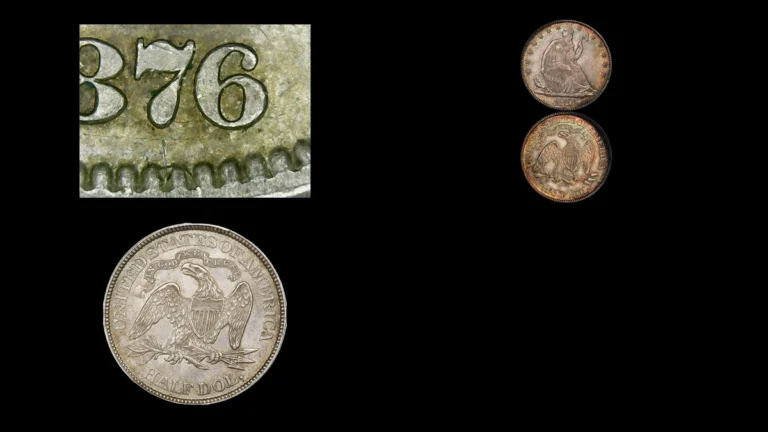
4. 1900 Half Dollar A Raised Line Connects the Lower Stars: Die Cracks Error
On the exceptional 1900-S Duckor coin, a ridge links star one with Liberty’s lower bust and continues toward star thirteen. Smaller cracks occur on the cap and near the reverse border.
The Duckor auction catalog describes the pattern. Silver entered fractures in the dies, so these marks were present when the coin was made.
How to Identify
Trace the star-to-bust route while keeping the whole portrait in view. Next inspect the smaller cap and reverse-border lines as separate parts of the comparison.
Under low light, determine whether each line stands above the coin. Scratches are cut into the silver, and a lamination involves separation of the metal itself.
The catalog also notes faint lines from rolling the metal strip. Those should not be included in the crack pattern merely because they appear on the same coin.
Verify 1900 and the S below the eagle. A single raised line on another mint’s half cannot establish this particular reference.
What It’s Worth
Estimated range: $50,000–$60,000 for exceptional preservation comparable to the Duckor half. Its August 2010 sale price was $57,500.
The PCGS MS67+ grade and CAC approval describe an outstanding unworn coin. The estimate depends on that quality and is not a standard premium for cracks.
A circulated 1900-S with matching lines still needs circulated-grade comparisons. The tool damage may be similar while the coin’s market value is very different.
Conclusion
Large shape changes call for both faces, while peeling and repeated date strokes need close surface views. For the cracked San Francisco example, the full route and exceptional preservation are equally important to the comparison.
The estimated $160–$60,000 span should never be read as a price ladder based only on how conspicuous an error looks. Mint, wear, surface quality, and whether a figure is an asking price all affect its usefulness.