Rare 1907 Quarter Errors (List & Pictures)
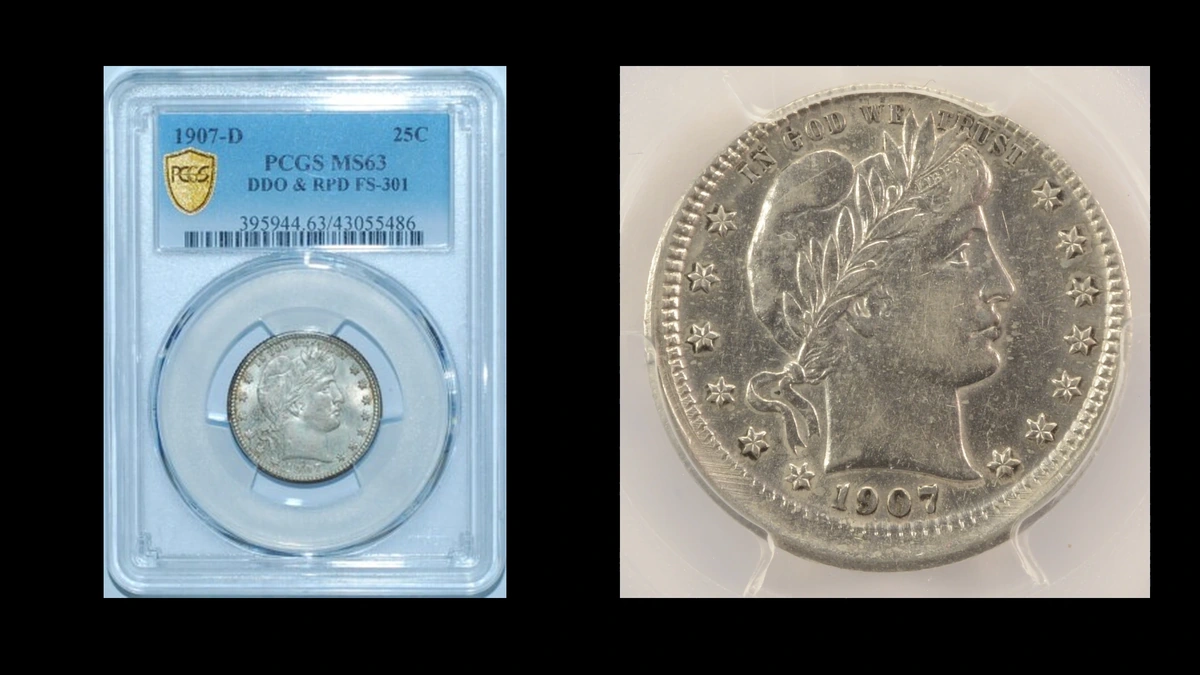
The mintmark helps choose the right comparison for 1907 quarter errors. Denver, New Orleans, and San Francisco have different reported patterns in the small details.
Estimated whole-coin values range from $50–$6,000. Among the supplied auction comparisons, a different-year 1945 doubled-die quarter brought $552 in March 2018; a 1907-S off-center listing asks $2,250, which is not a completed sale.
1. 1907 Quarter An Extra Curve beside the S: Repunched Mintmark Error
Find the S below the eagle and above QUARTER DOLLAR. On a repunched mintmark, parts of an earlier punch position remain beside the final letter.
Mint workers applied this letter separately to the stamping tool. One reported pattern has extra S detail to the right; another involves a turned impression.
How to Identify
Compare the letter with a normal S before deciding which curves are extra. For the right-shifted type, the added raised detail should fit another S to the right.
For the rotated type, study both ends of the letter together. Their shapes should make sense as parts of one turned letter.
A suggested third impression on the eastward type is not required on every example. Use the complete pattern, rather than the largest number of lines you can count.
Flat shelves or ridges next to damage need a different explanation. A wider photograph helps show the surface surrounding the S.
What It’s Worth
$50–$1,500 is the estimated whole-coin range for identified examples. Clear separation and original surfaces are useful to collectors of these small varieties.
A 1949-D/D quarter graded PCGS MS65 sold for $384 in March 2018. That different-year and different-mint comparison does not establish a sale for a 1907-S variety.
2. 1907 Quarter Small Parts of Earlier Digits: Repunched Date Error
Date punches could leave overlapping impressions when applied to the tool more than once. Only parts of the earlier numbers may remain visible on the finished coin.
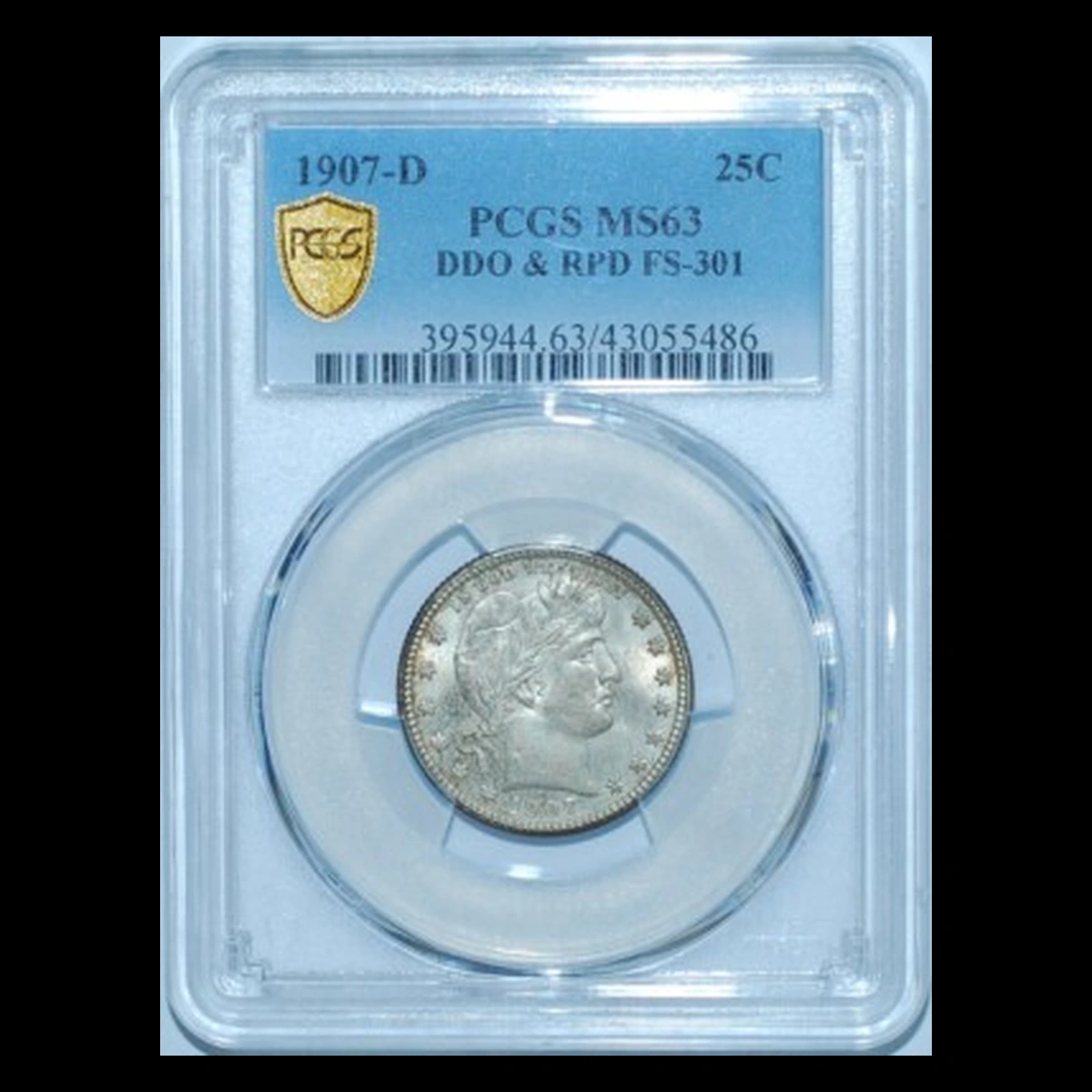
Denver reports include a 7 to the right, traces of 907 above, and another pattern below the date. These describe separate arrangements.
How to Identify
Read the D, O, or S on the back first. The Barber Coin Collectors’ Society survey separates reported dates by mint.
Photograph all four digits together. For a Denver coin, choose the upper, lower, or right-side comparison that fits the actual pattern.
San Francisco reports include traces above or below 07. Those should not be assigned the positions described for Denver.
Earlier digits should leave raised shapes that fit real numbers. Fresh cuts and low flat shelves do not provide the same evidence.
What It’s Worth
$50–$2,000 is the estimated range for confirmed 1907 repunched dates. Mint, wear, and the amount of visible earlier digit detail affect the comparison.
If a San Francisco coin also has a repunched S, assess the complete coin with both features. Do not add two full whole-coin prices.
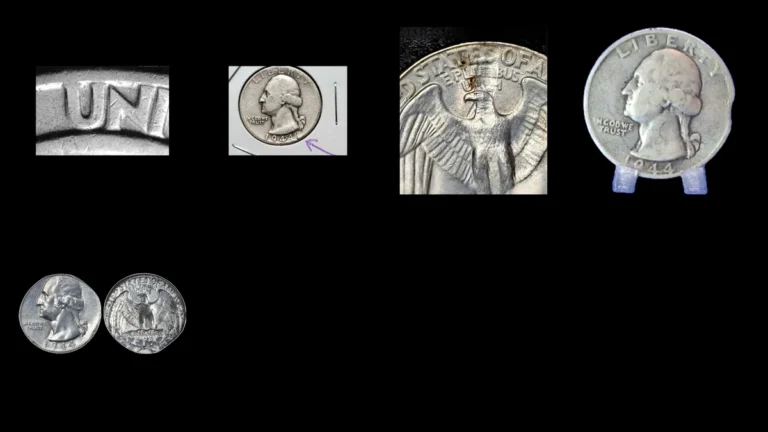
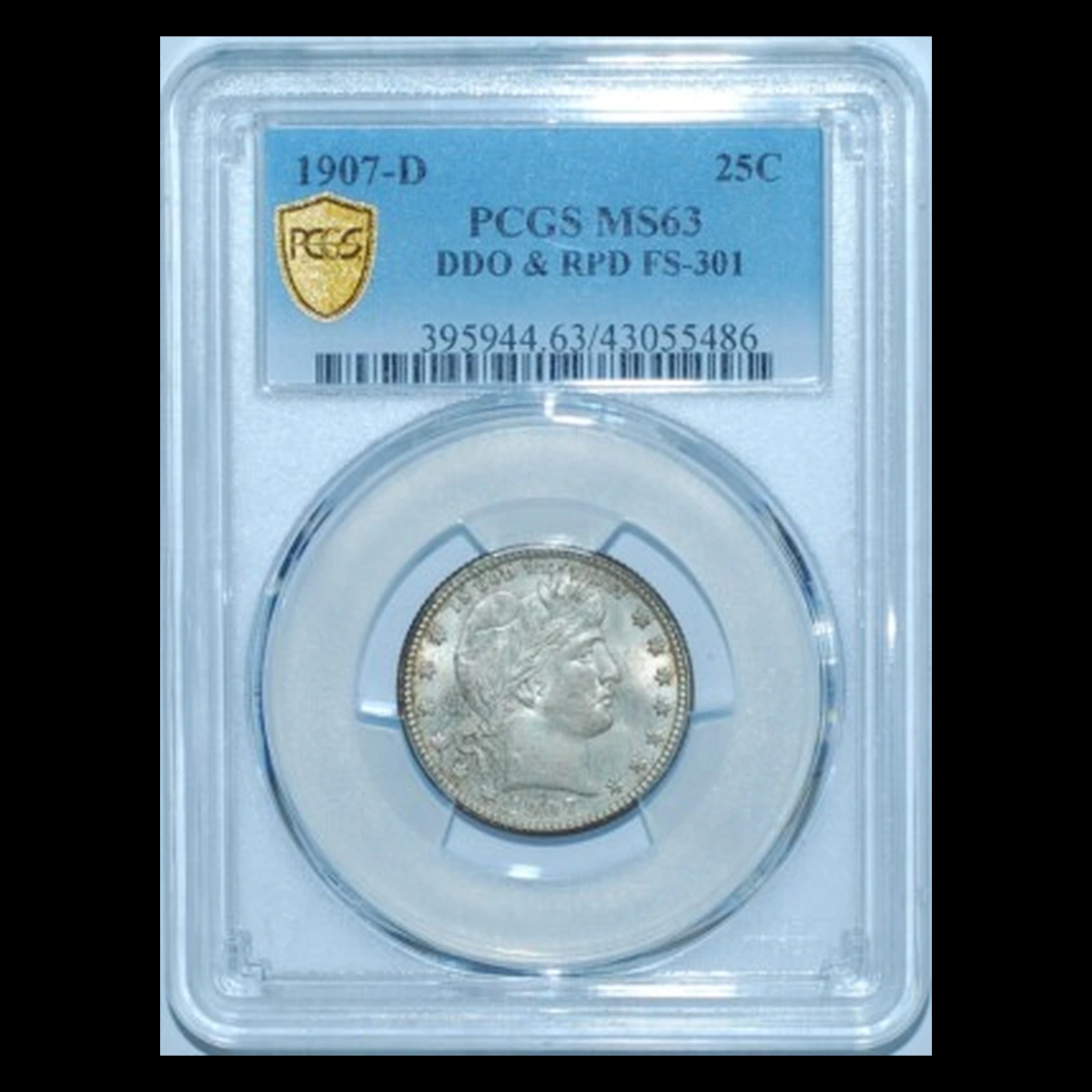
3. 1907 Quarter Extra Star Points and Ribbon Edges: Denver Doubled Die Error
The first two stars and ribbon ends are the reported inspection points for the 1907-D doubled front. Their extra detail was present on the die, the steel tool that stamps the design.
One strike can transfer that repeated image to a coin. This differs from an individual quarter receiving two blows.
How to Identify
Start at the ribbon ends with a normal 1907-D beside the candidate. Look for an extra rounded edge or split corner that is not part of the ordinary shape.
Check stars one and two for a related pattern. One wide star on a worn coin is not enough.
A 10× magnifier can help separate full raised doubling from a low flat shelf. Change the light angle to rule out a bright reflection.
Include the D below the eagle in a separate full back view. It identifies which variety reference belongs with the front close-up.
What It’s Worth
$50–$1,000 is the estimated range for an identified Denver doubled front. Visible star points and ribbon separation help more than details nearly lost to wear.
The 1945 Philadelphia FS-101 in PCGS MS65 sold for $552 in March 2018. It is a broad silver-quarter doubled-die comparison, not the same variety or date.
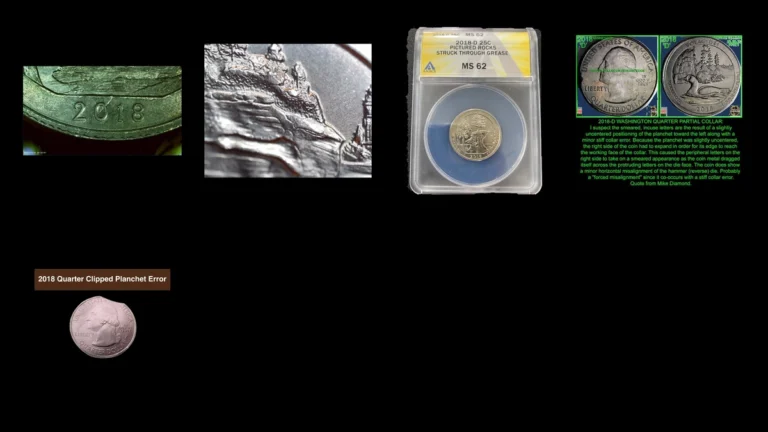
4. 1907 Quarter The Border Teeth Miss the Edge: Off-Center Strike Error
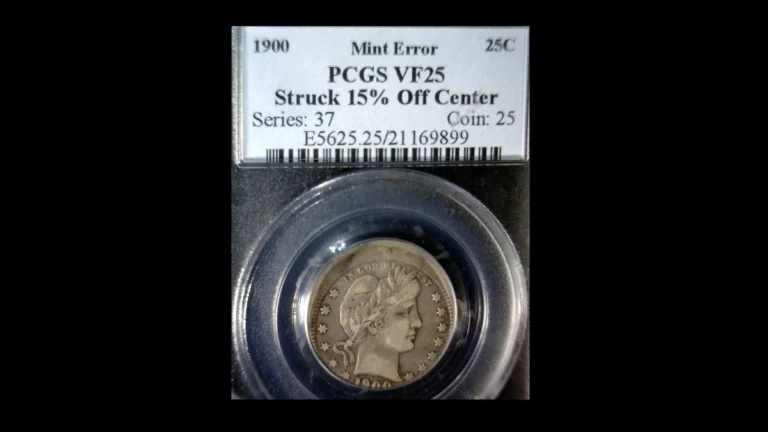
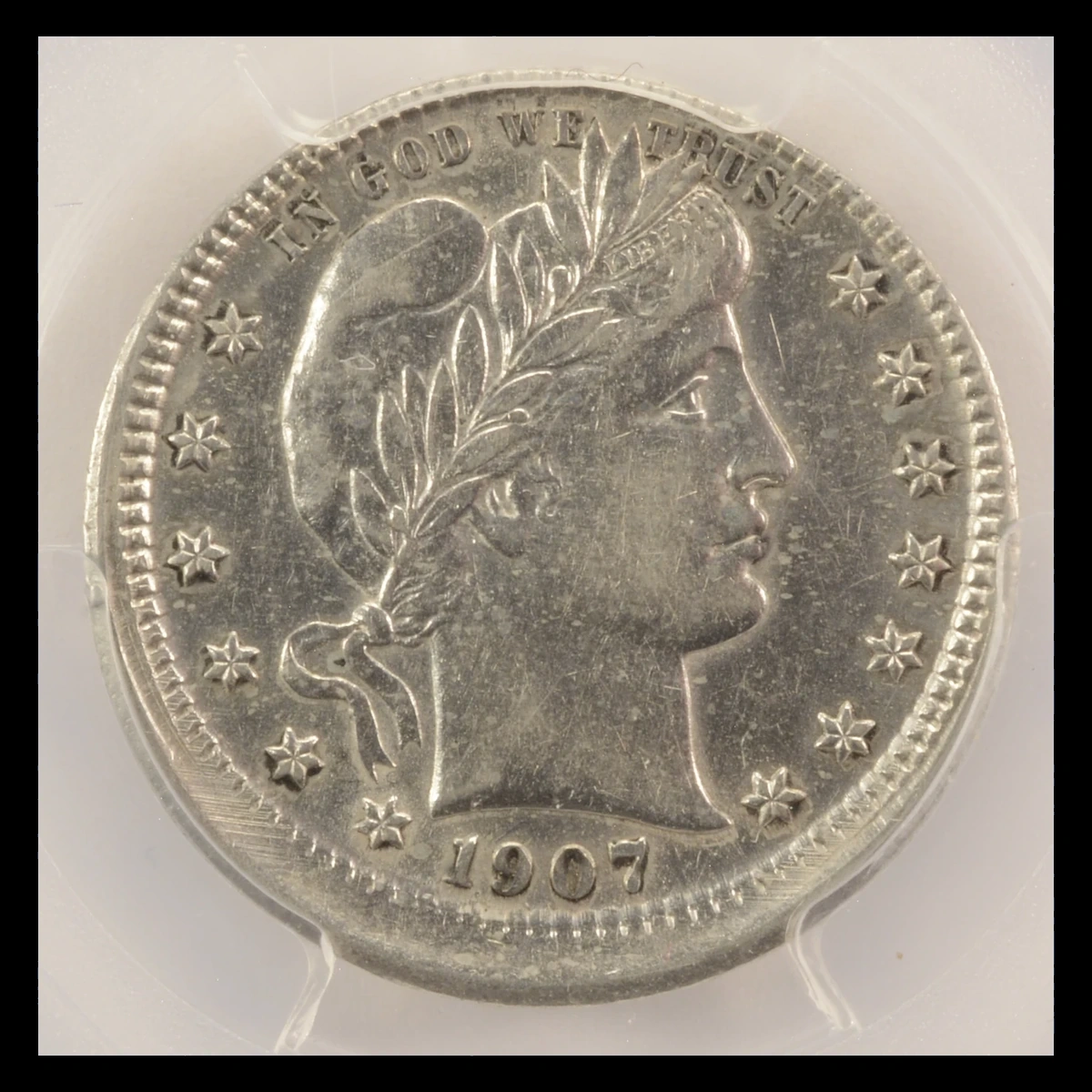
Even a small displacement can interrupt the tiny teeth around a Barber quarter’s border. A 1907-S graded PCGS AU53 was described as just 3% off center.
A separate San Francisco example illustrated by Mint Error News was described as 15% off center and graded SEGS MS63. The two percentages and grades belong to different coins.
How to Identify
Follow the border teeth to where they stop, then look for unused blank metal on the opposite side. Those two observations should fit one shift of the blank.
Compare the back as well. A centered back behind only a shifted front suggests a misaligned tool instead.
Keep the full year and S visible in photographs. For a small shift, uncropped border views may be more useful than a portrait close-up.
What It’s Worth
$1,000–$6,000 is the estimated range for comparable genuine 1907-S off-center quarters. The 3% off-center AU53 listing asks $2,250.
The dealer also notes earlier dipping, a chemical treatment. Both that surface history and the asking-price status belong with the listing.
The stronger 15% shift needs its own comparison. A larger visible error can help appeal, but condition still matters.
Conclusion
Begin with the mintmark so you do not match a Denver date pattern to a San Francisco coin. Then examine complete letters, digits, and star groups before relying on one enlarged line.
For off-center coins, show both borders and all surviving identity details. The ranges describe whole quarters, while dealer listings and other-year sales provide context rather than a guaranteed price for another specimen.